
















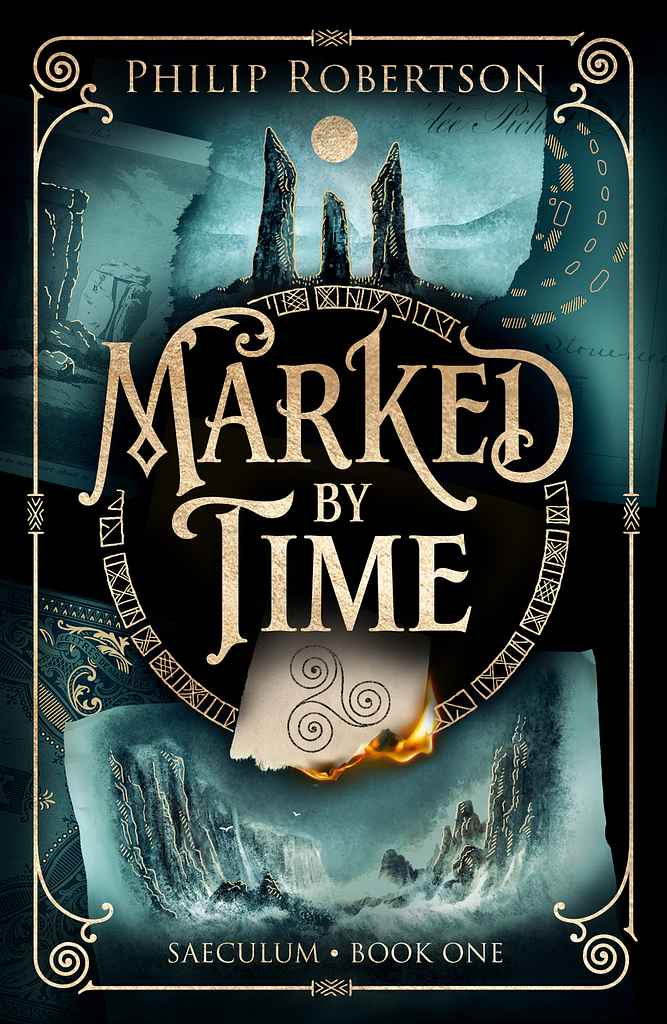





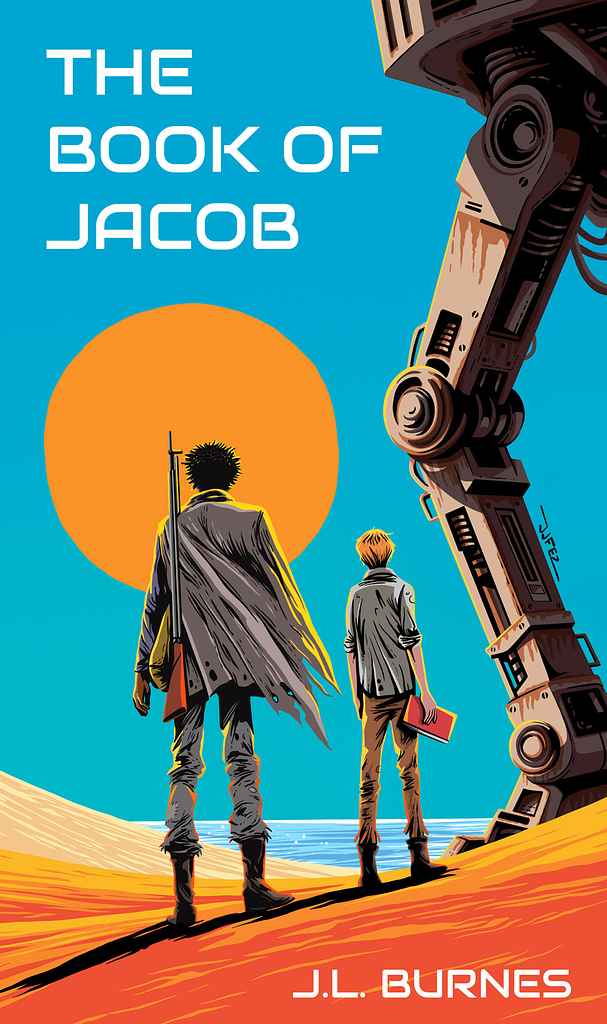








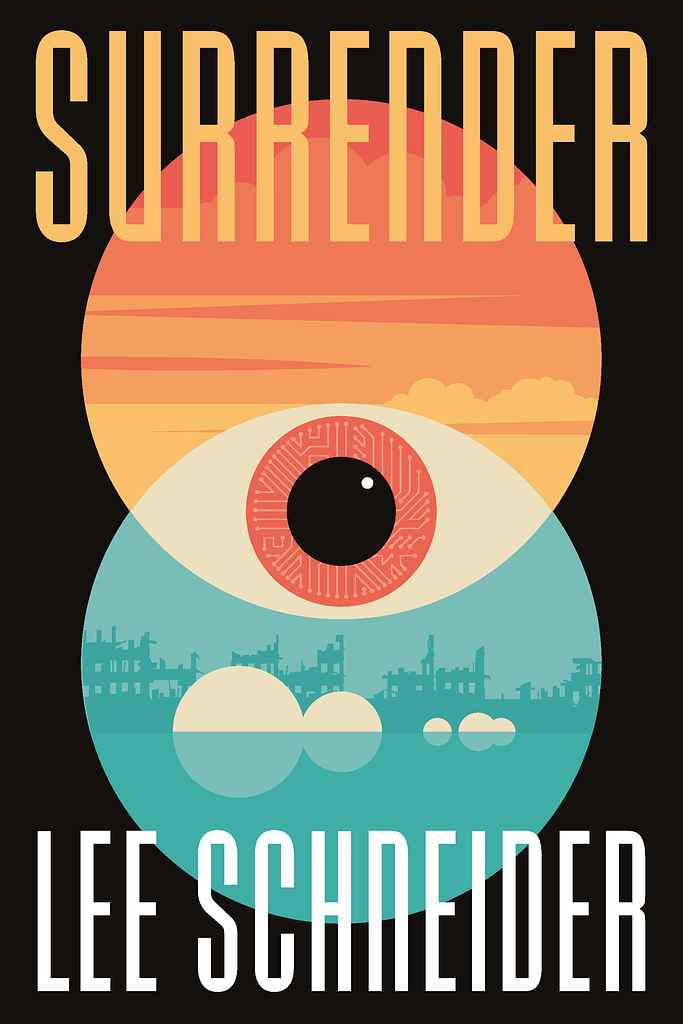











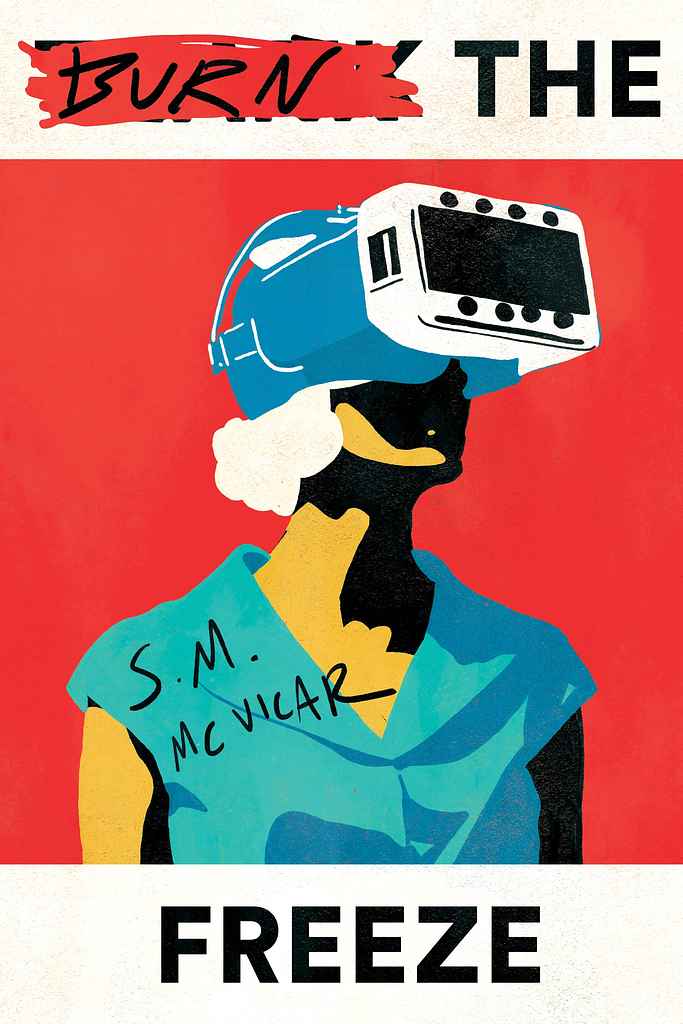

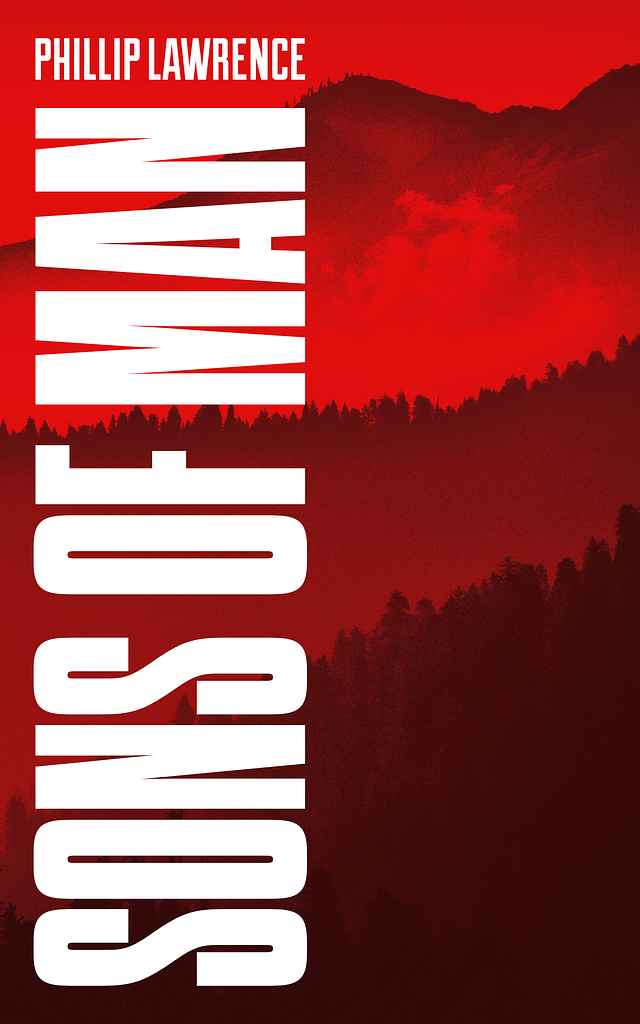


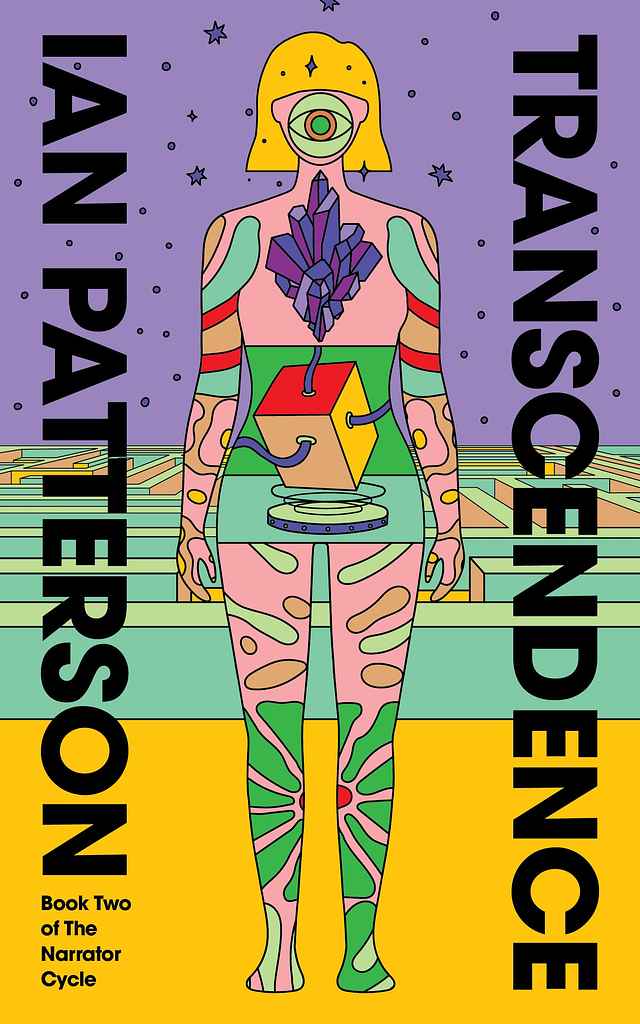


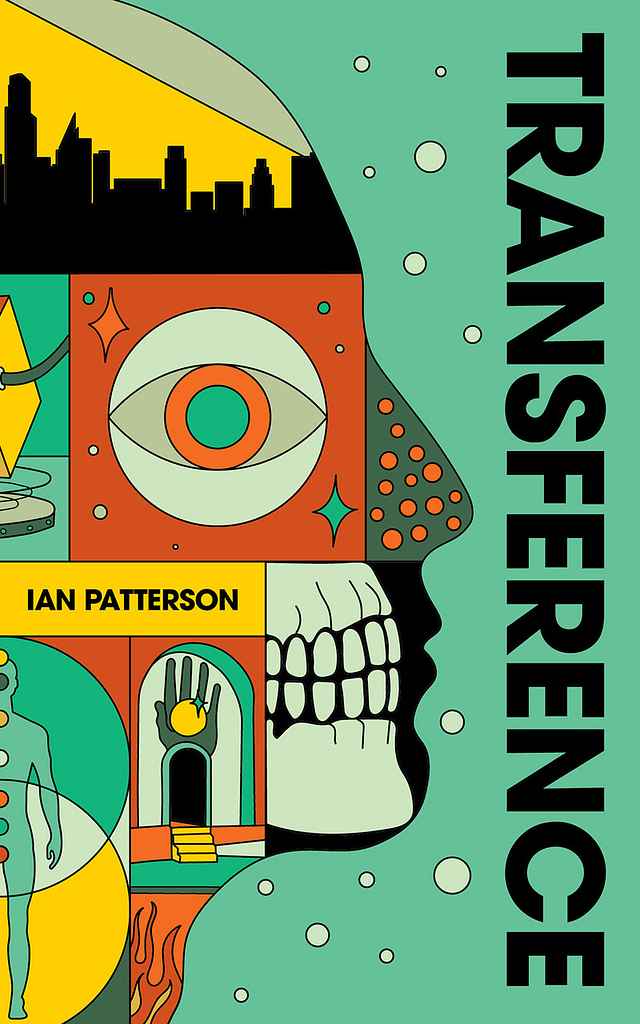















Science fiction covers work by making the unfamiliar feel urgent. Whether they feature a lone figure in a broken world, a space traveler, or the silhouette of a village watched by dystopian eyes, the goal is the same: convince the reader this world is worth stepping into.
What makes a great science fiction cover?
The strongest designs know exactly which corner of the genre they're speaking to. Space opera and hard sci-fi tend toward dark backgrounds, planetary or mechanical imagery, and bold typography that commands attention. Dystopian fiction often works through silhouette — a single figure dwarfed by an environment that has gone wrong, the human scale making the threat legible.
Retro and pulp-influenced covers borrow deliberately from mid-century paperback aesthetics: warm ochres, illustrated planets, heroic figures against alien skies. At the other end, graphic design-forward sci-fi builds the entire cover around a single visual concept — concentric circles forming an eye, a worm curling into a heart shape, oversized type rotated across the frame. Some of the sharpest covers in this genre are minimalist.
What are the most common science fiction cover tropes?
- Space opera/hard sci-fi: dark backgrounds, planetary or celestial imagery, bold sans-serif type, figures small against vast environments
- Dystopian fiction: silhouetted figures in threatening landscapes, muted or high-contrast palettes, urgent typography
- Retro/pulp sci-fi: warm illustrated tones, planetary scenes, mid-century aesthetics, vintage lettering
- Cyberpunk/tech thriller: helmeted or masked figures in profile, neon accents, cool blue and red palettes, sleek graphic silhouettes
- Literary sci-fi: restrained or abstract imagery, quieter palettes, design-led typography, a single symbolic object or figure
- Concept-driven: one strong visual idea — a shape, a symbol, a clever juxtaposition — executed in flat color with bold type
How much does a science fiction book cover cost?
The median cost of a science fiction book cover on Reedsy is $850. Graphic and typographic covers may stay closer to the lower end; custom illustrated scenes, creature or mechanical design, and fully painted environments will push higher. Literary sci-fi covers that rely on a single concept and strong typography often stay near the median, provided the concept is visually clean.
How do I find the right science fiction cover designer?
Filter by genre on Reedsy Marketplace and look for portfolios that match your specific register — a retro pulp illustrator and a graphic design-forward designer are solving very different briefs. When writing your brief, describe the feeling your book creates: wonder, dread, paranoia, isolation, awe. The emotional register will help guide your designer.
Browse Reedsy's hand-picked community of science fiction cover designers and request free quotes today.