




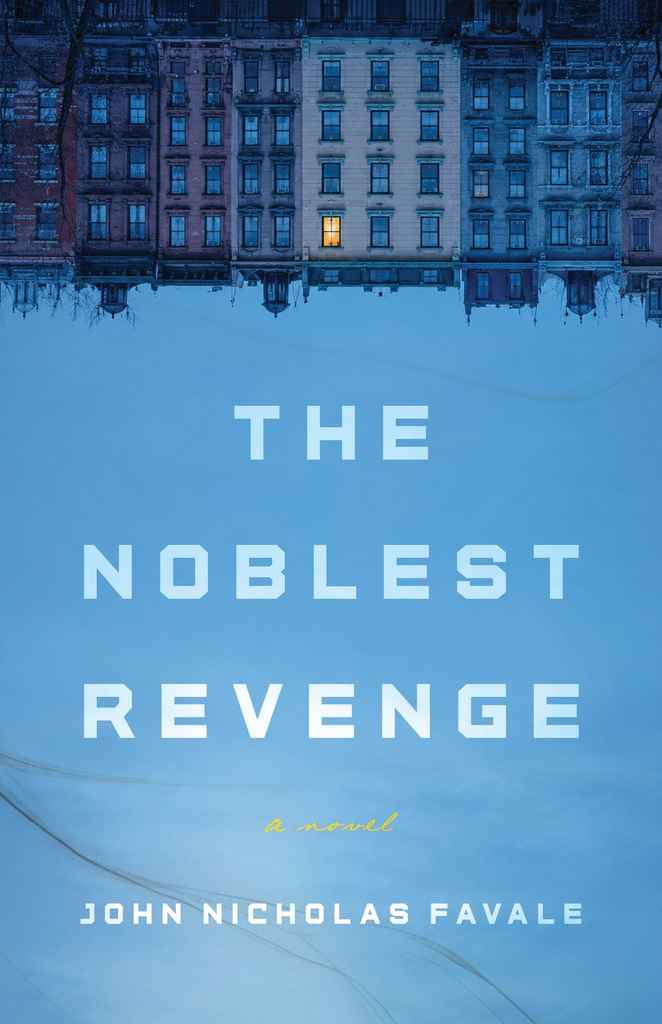








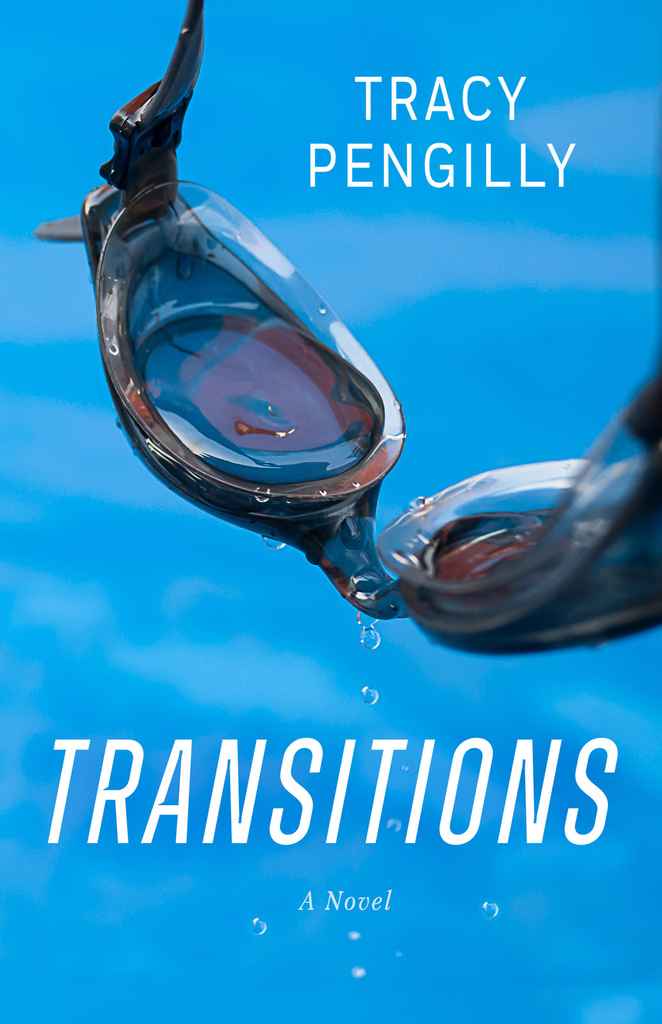

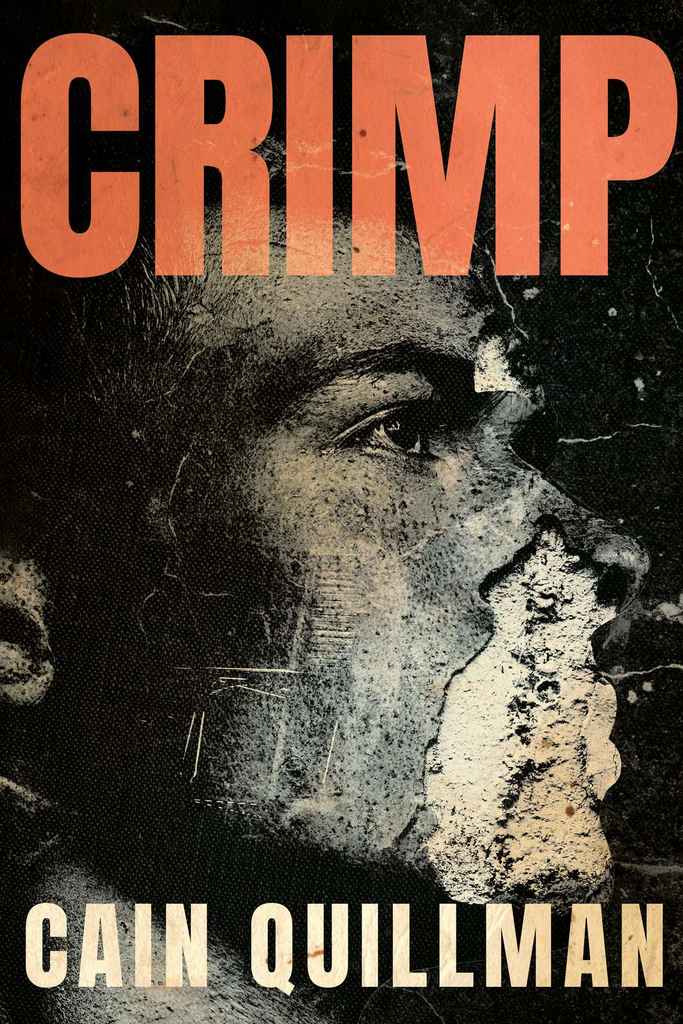



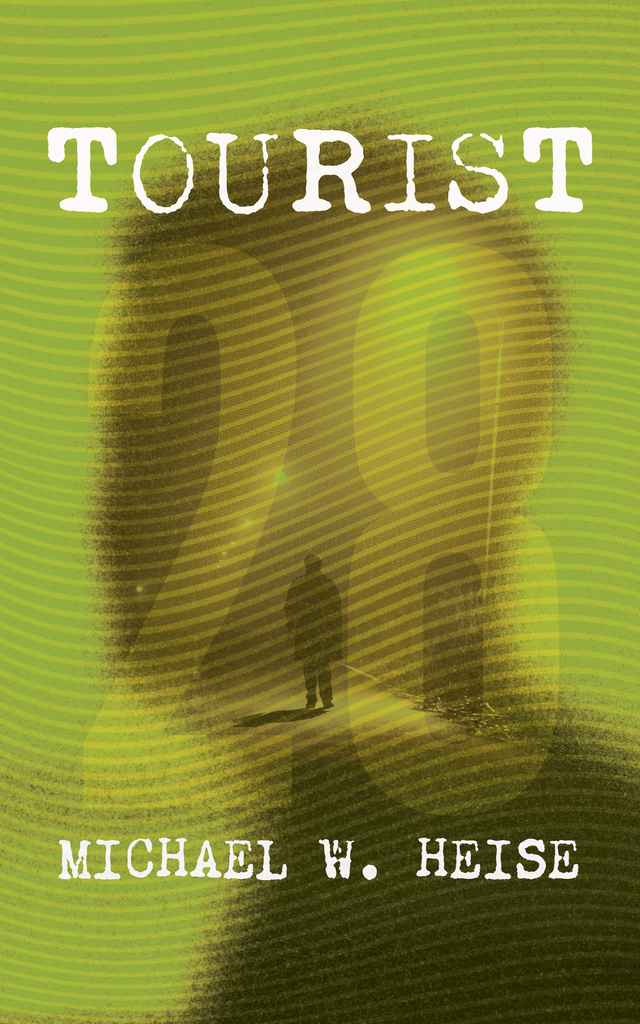



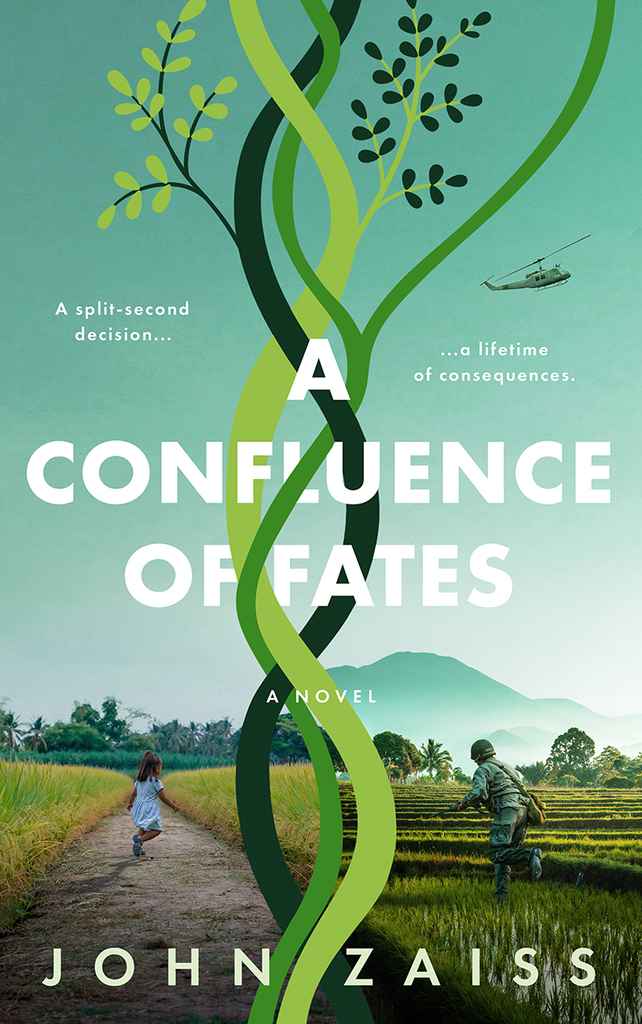






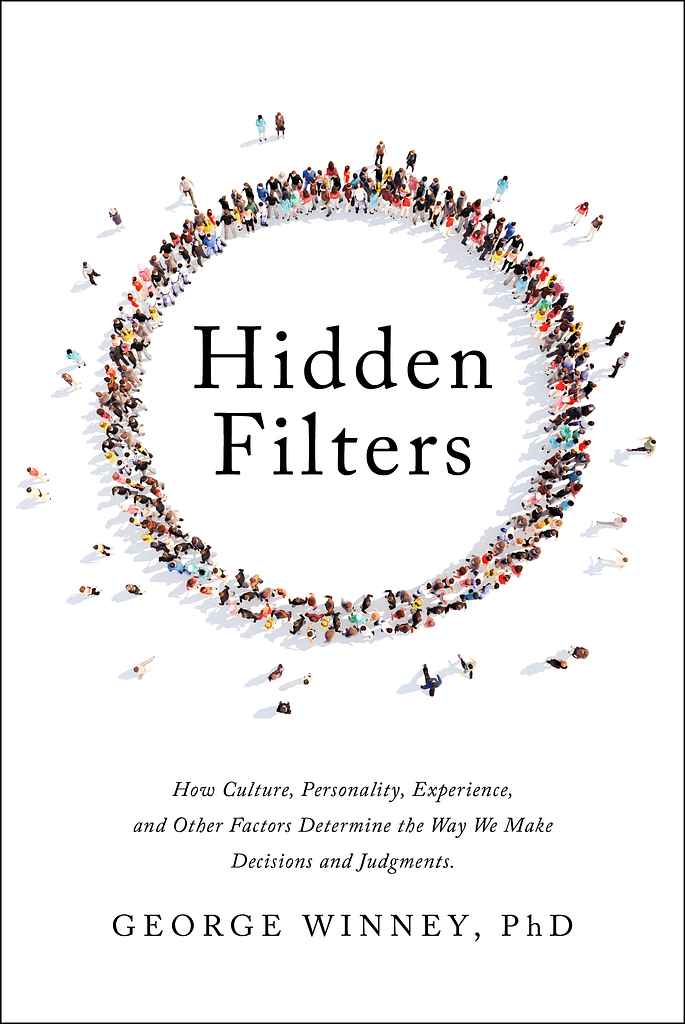



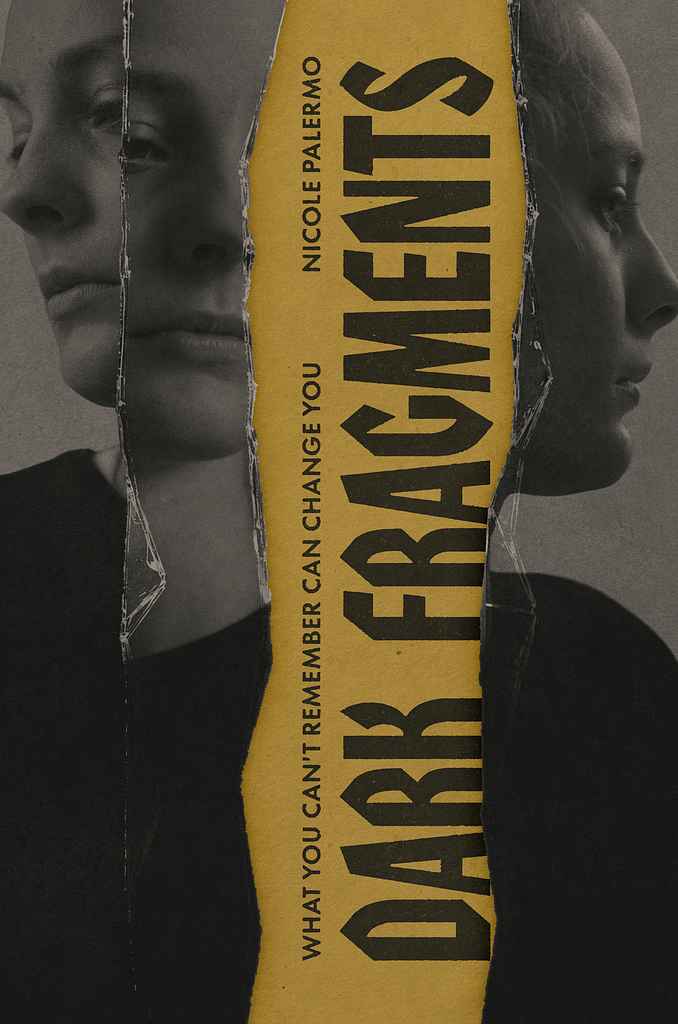

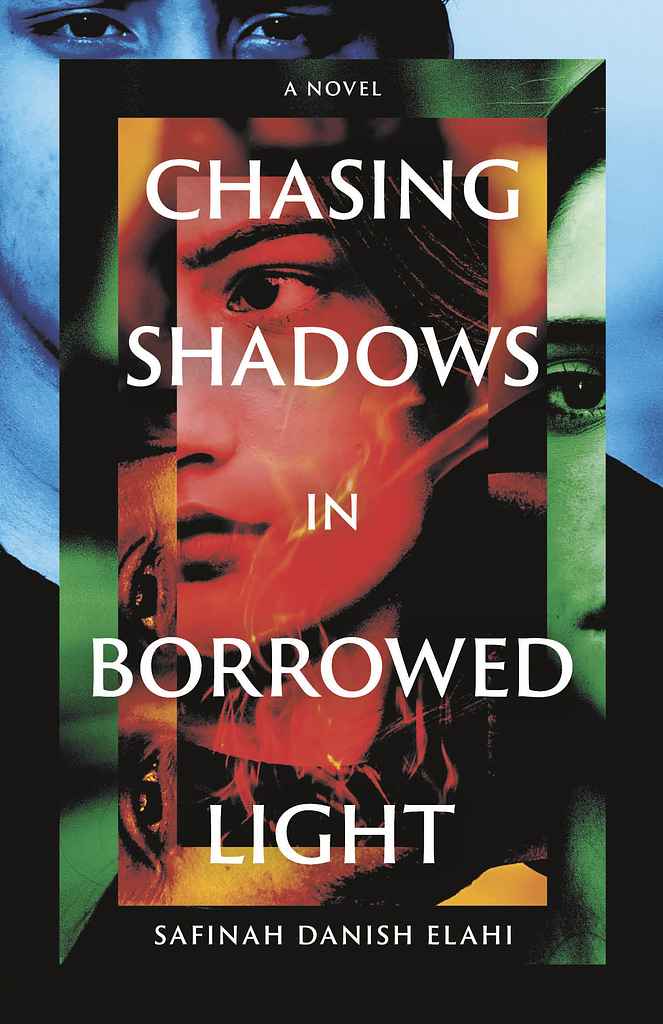





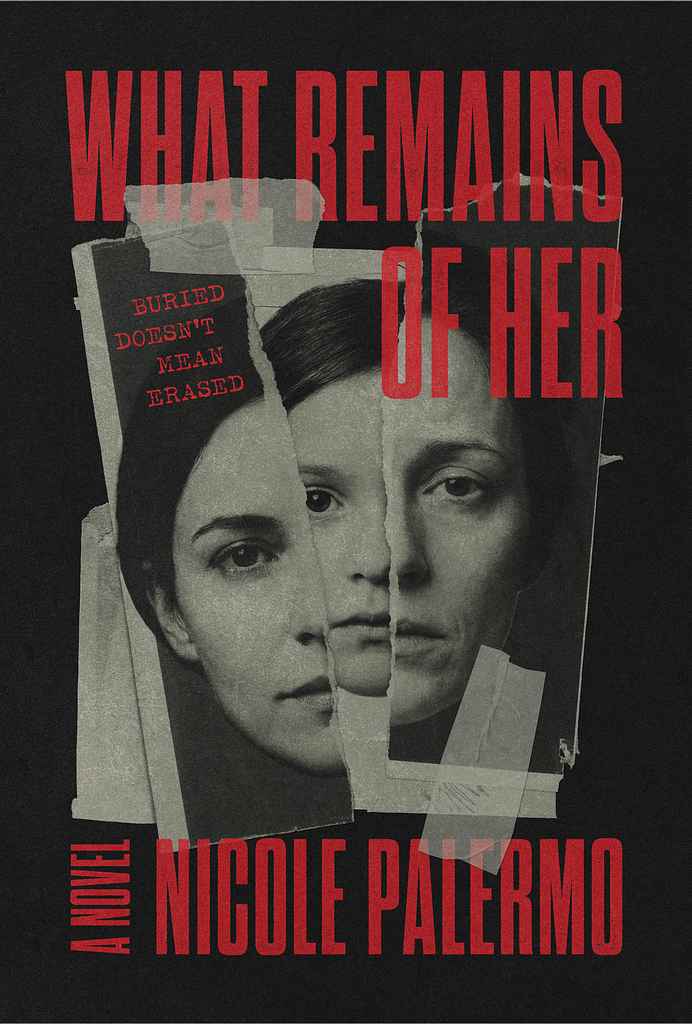


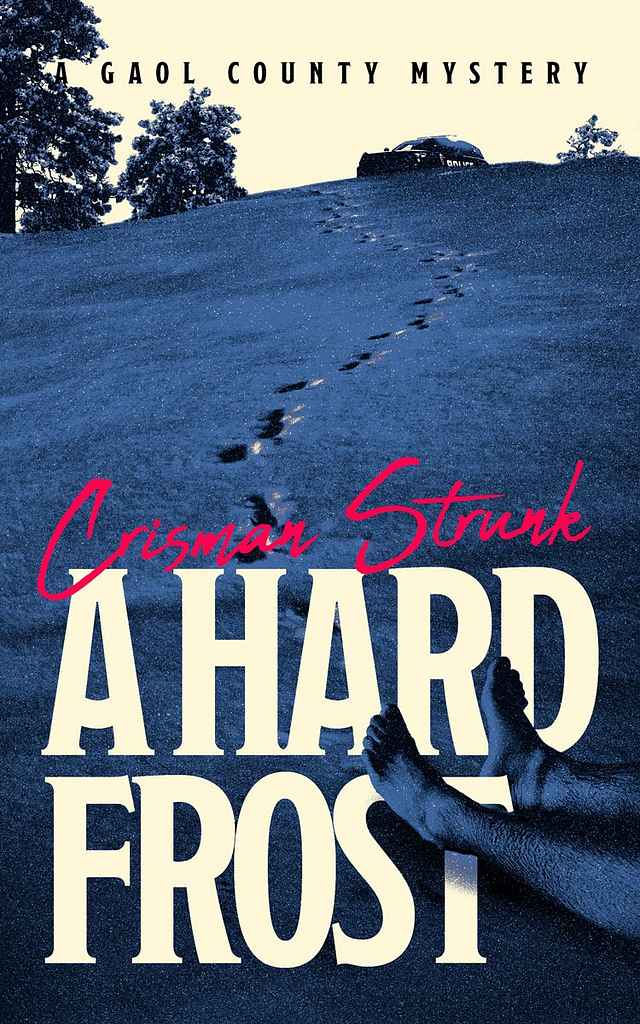



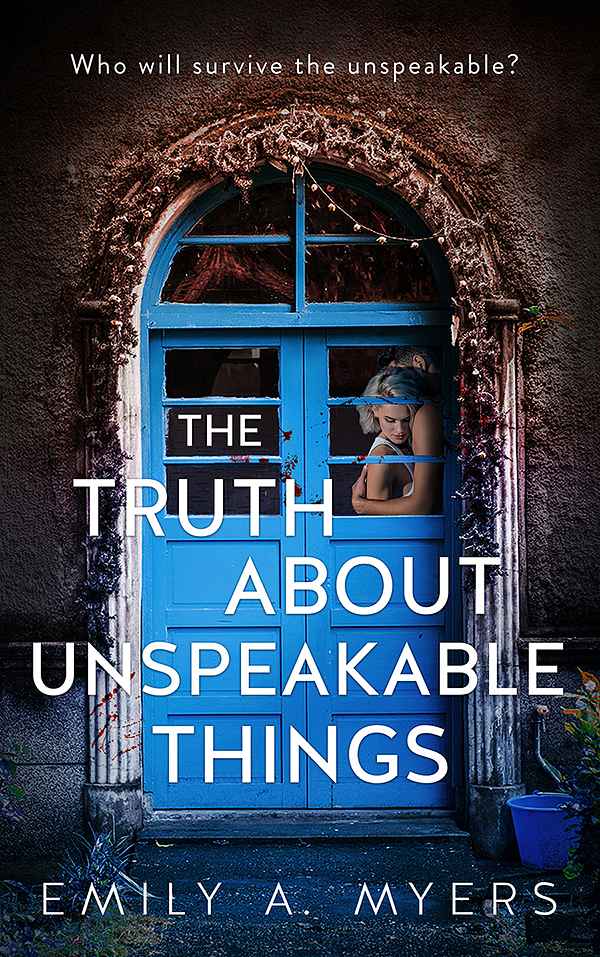









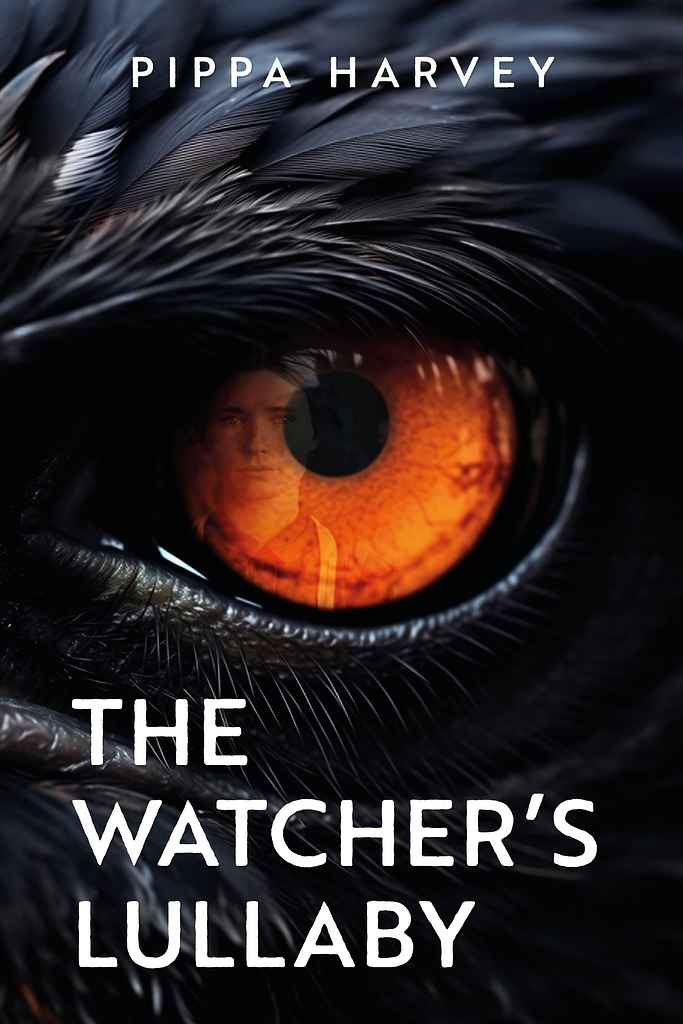





Photography-based covers remain the foundation of many of publishing's biggest genres — from thriller to historical fiction, memoir to nonfiction. When a photographic cover works, it works through composition, light, and a single well-chosen image that carries more atmosphere than any amount of illustration could.
What makes a great photographic book cover?
Photographic covers work best when they borrow from film posters and editorial photography: dramatic lighting, strong composition, and a sense of story already in motion.
Restraint is often what makes them powerful. The strongest photographic covers withhold as much as they reveal: an obscured face instead of a full portrait, a figure seen from behind rather than head-on, a telling detail instead of the whole scene. A fully lit, directly posed character portrait can close down the reader’s imagination — unless, of course, the book is a biography or memoir, where recognizability is part of the point.
The main challenge with stock photography is familiarity. Foggy roads, running figures, and solitary trees have appeared on countless covers. A good designer knows how to navigate that landscape and find images that still feel specific, atmospheric, and fresh.
Where photographic covers work best
-
Thriller/crime/domestic suspense: moody composites, high-contrast dark palettes, obscured figures, a single atmospheric location.
-
Historical fiction: period-costume composites, often five or six stock images layered to achieve a convincing era, the "headless heroine" convention.
-
Memoir: personal or vintage photography as emotional anchor, warm faded palettes, a lived-in image rather than a staged one.
-
Literary fiction: one artful, cinematic photograph — often abstract or ambiguous — with minimal type layered unobtrusively.
-
Nonfiction/biography: archival photography, authoritative editorial layout, a serious serif title.
How much does a photographic book cover cost?
Photographic covers typically fall in the $650–$900 range on Reedsy. Costs rise with the complexity of the composite: a single well-chosen image requires far less production time than a period-accurate historical scene assembled from five separate sources.
How do I find the right photographic cover designer?
On Reedsy Marketplace, filter by genre and browse portfolios before sending a brief. Look for designers whose samples show strong photographic compositing work in your specific genre — literary fiction restraint requires a very different sensibility from thriller high-contrast energy. Also, if you're supplying your own photographs, share them early so your designer can assess resolution and usability before work begins.
Browse Reedsy's hand-picked community of book cover designers and request free quotes today.
Further readings: