
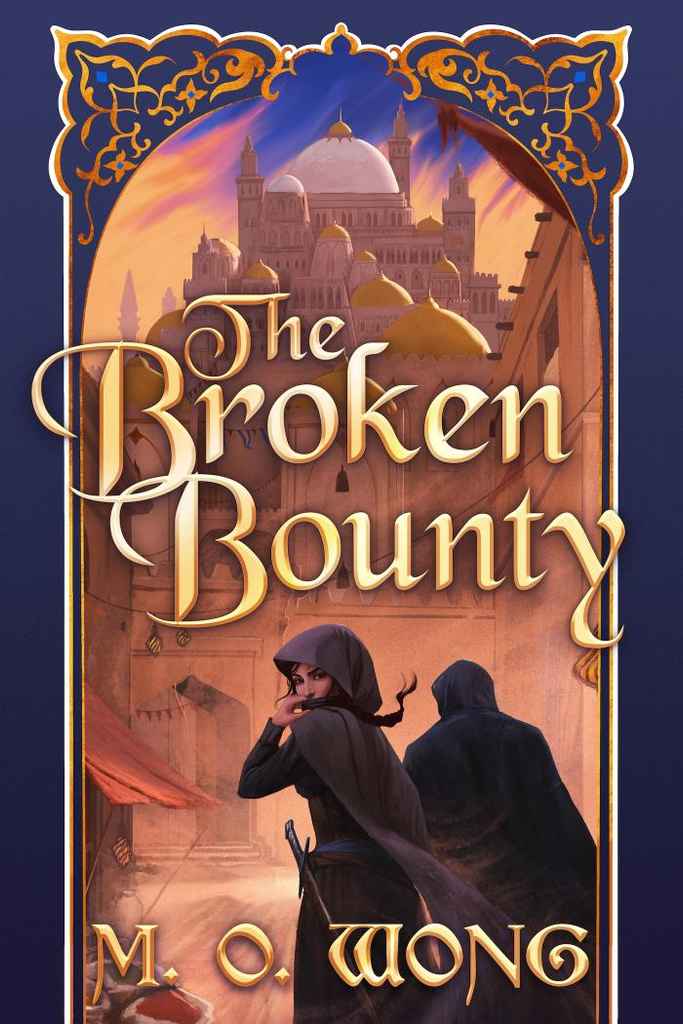

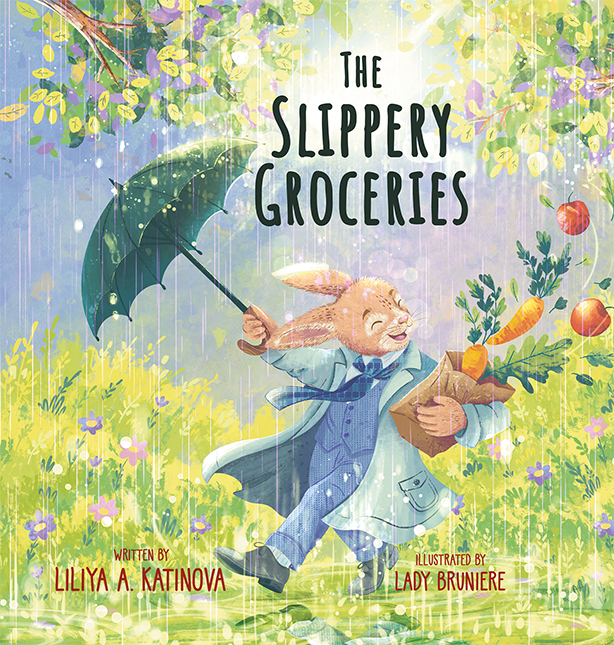

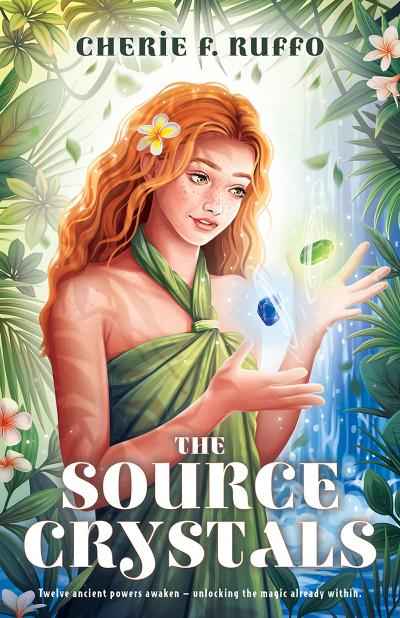

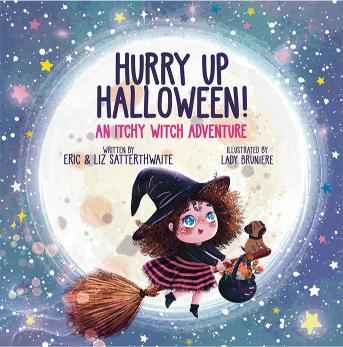



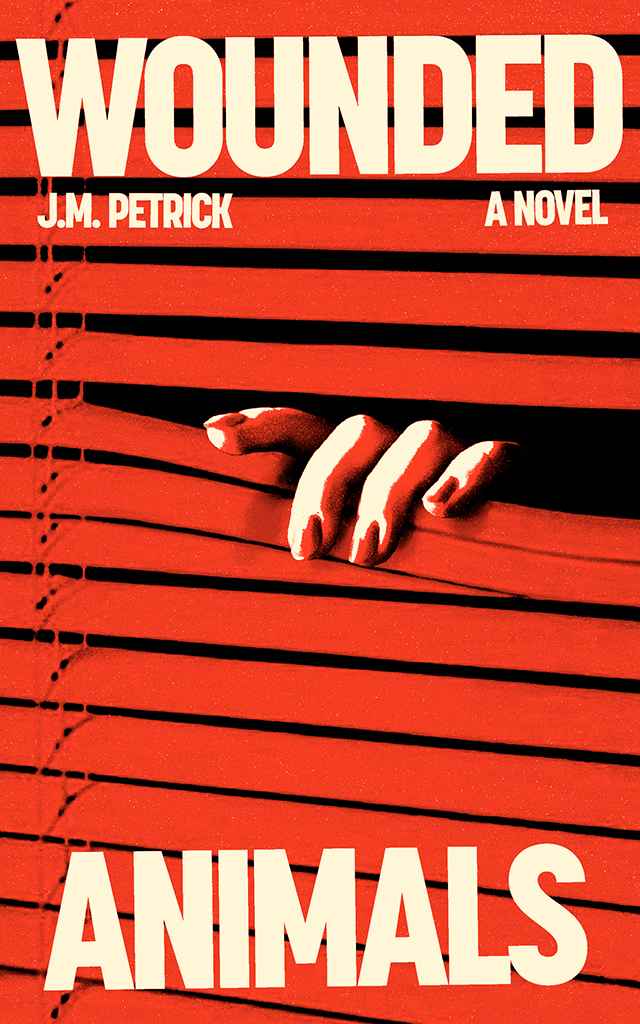



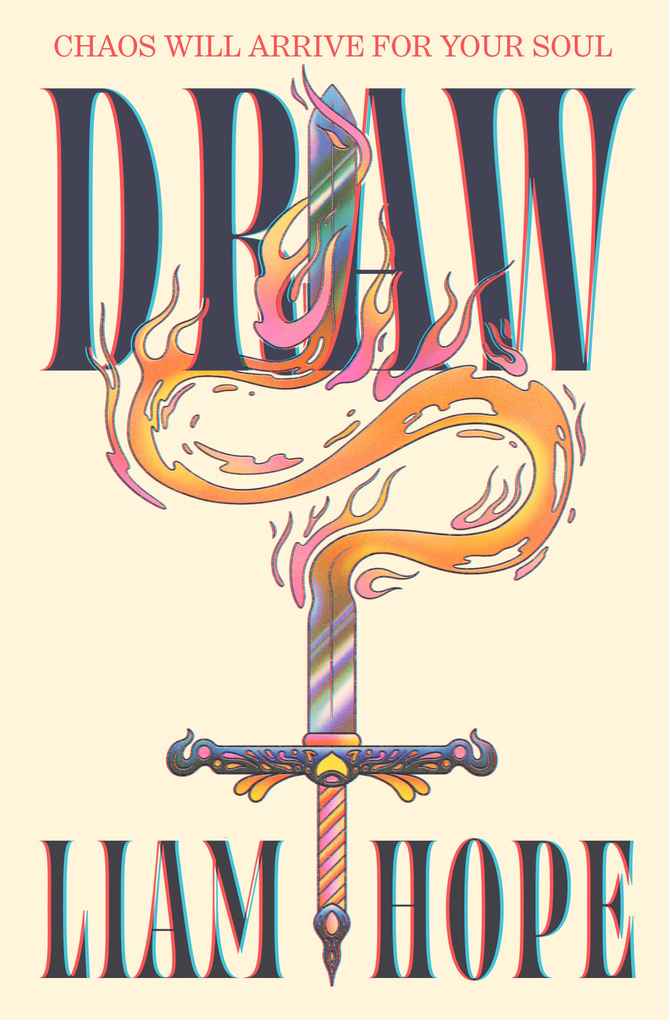
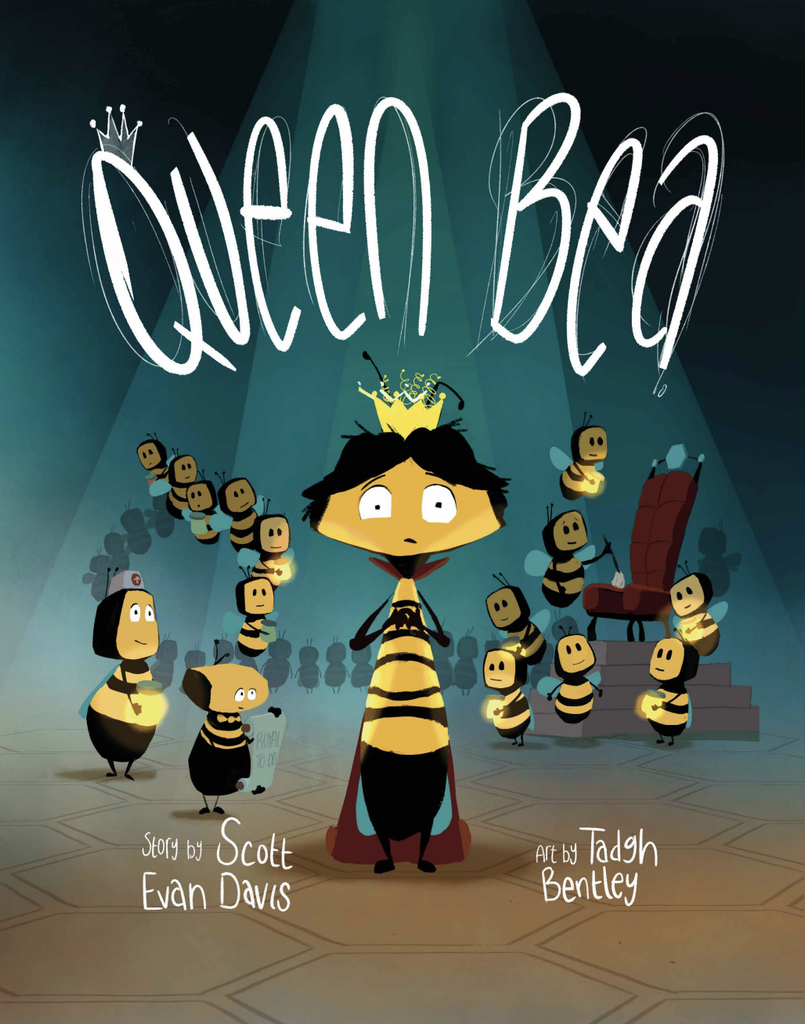

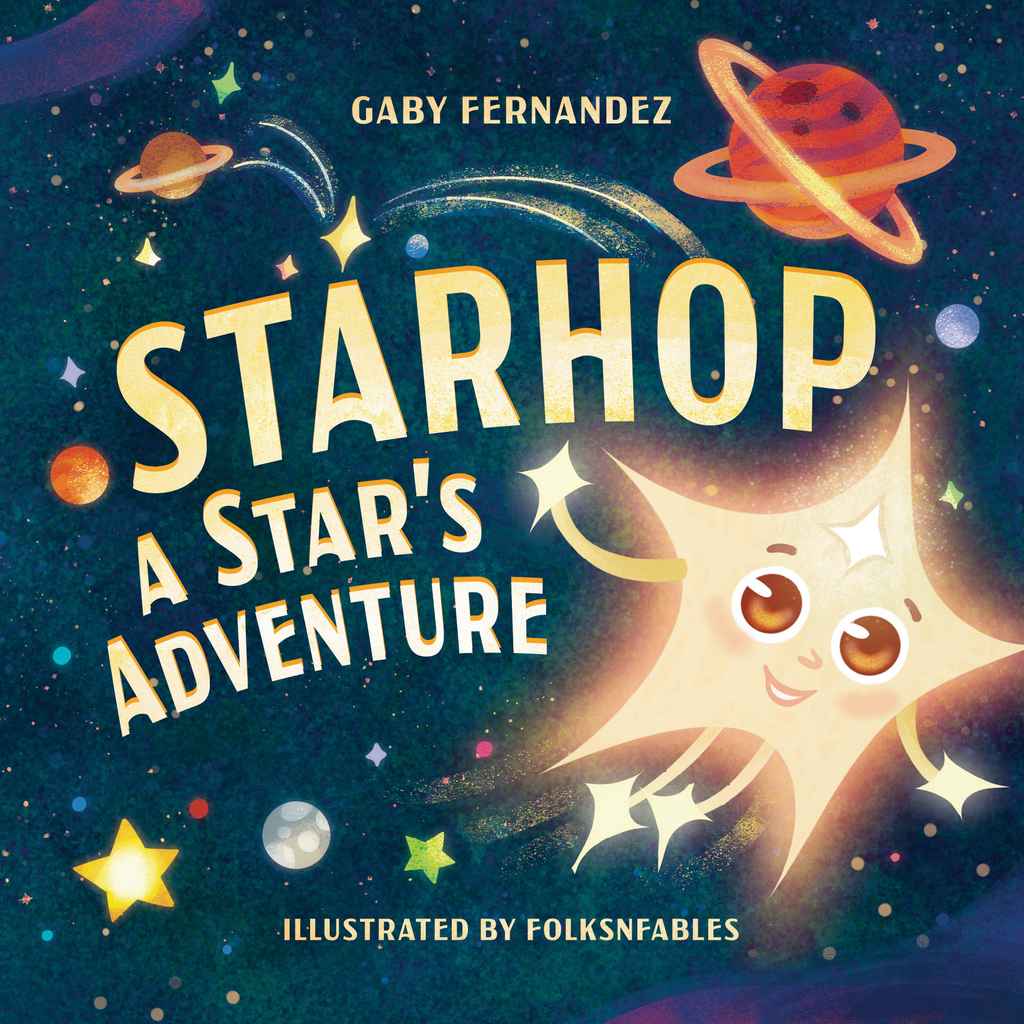

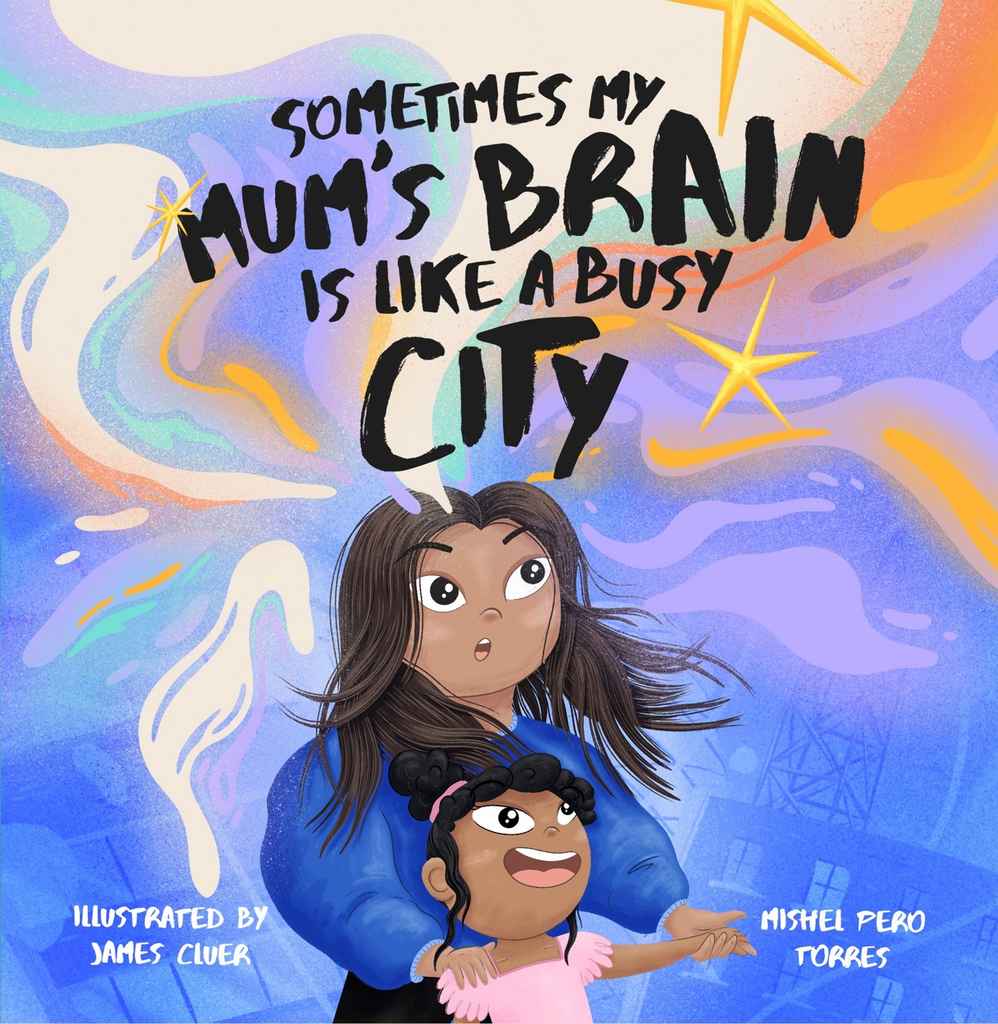
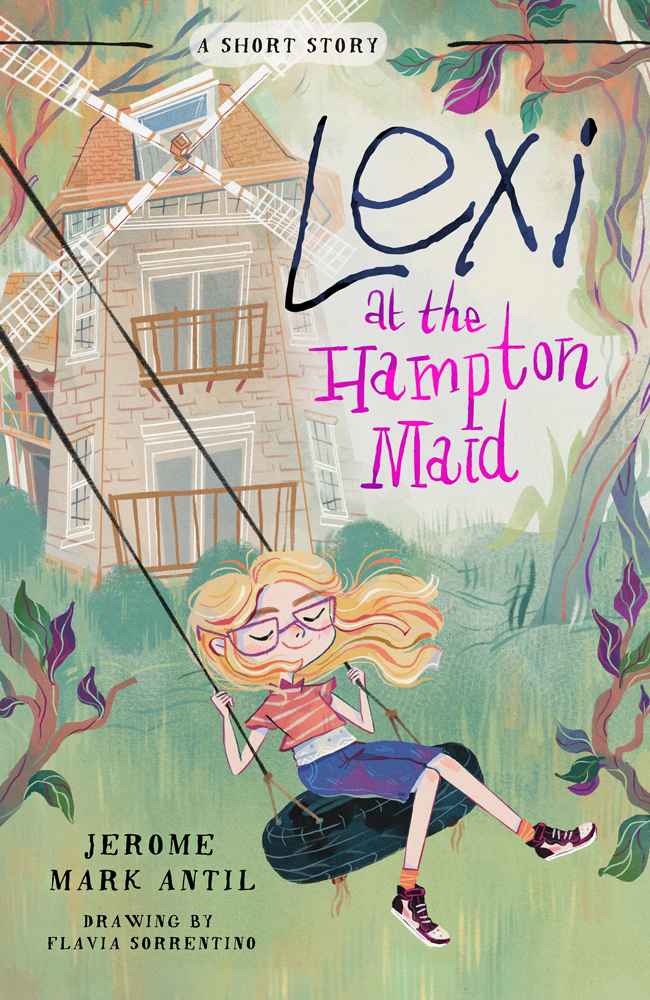

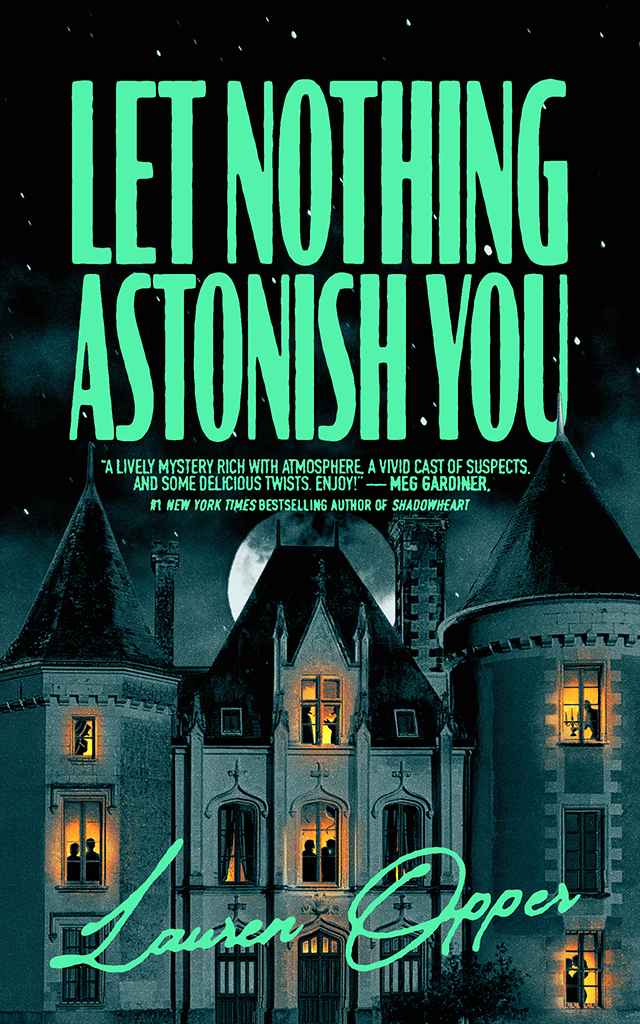
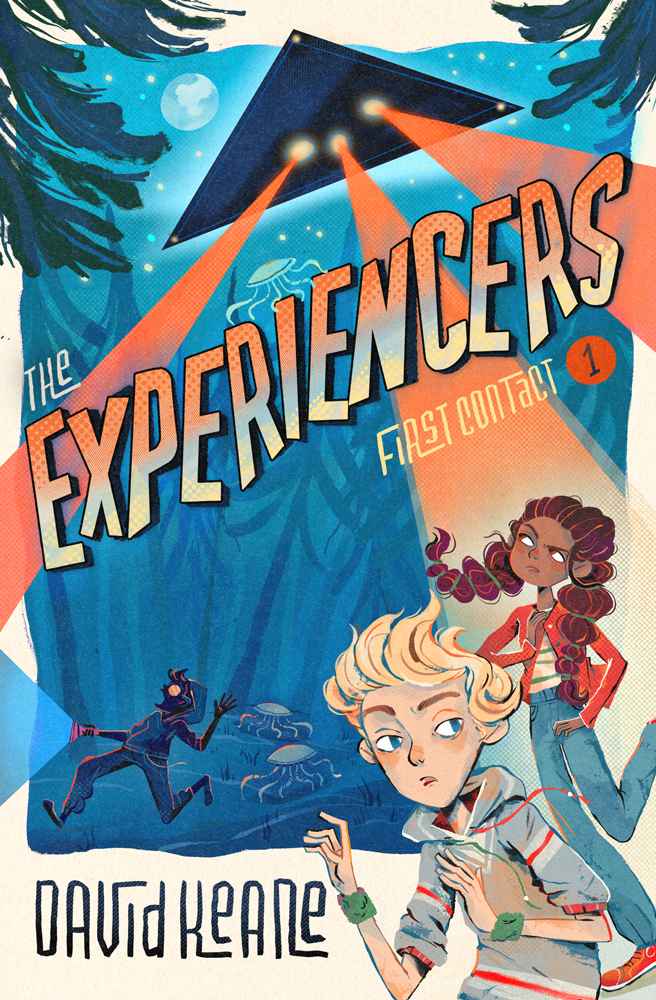
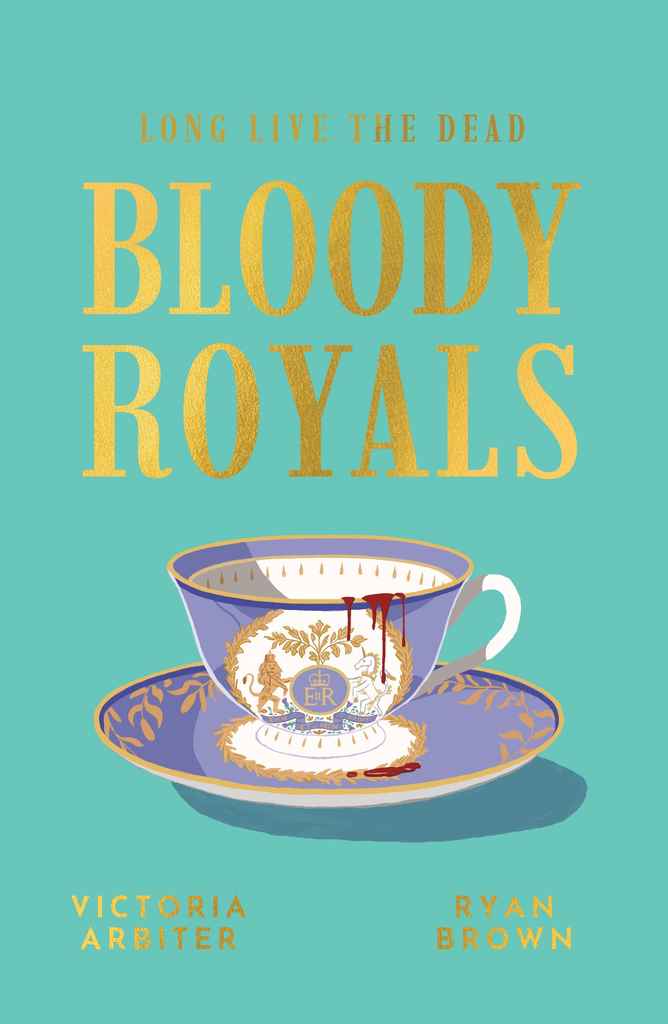



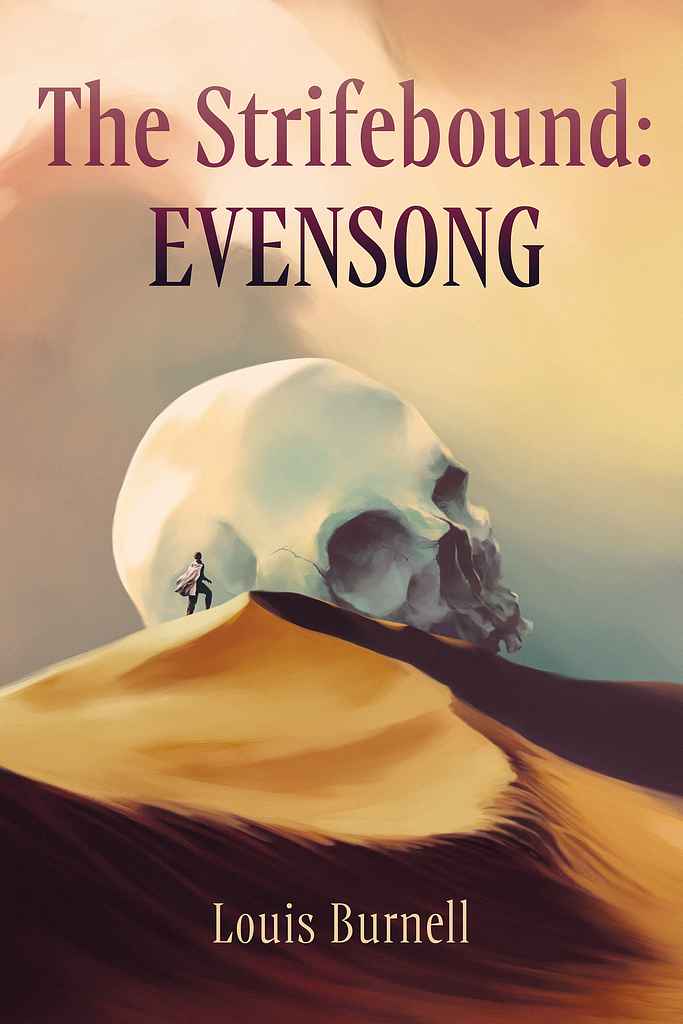

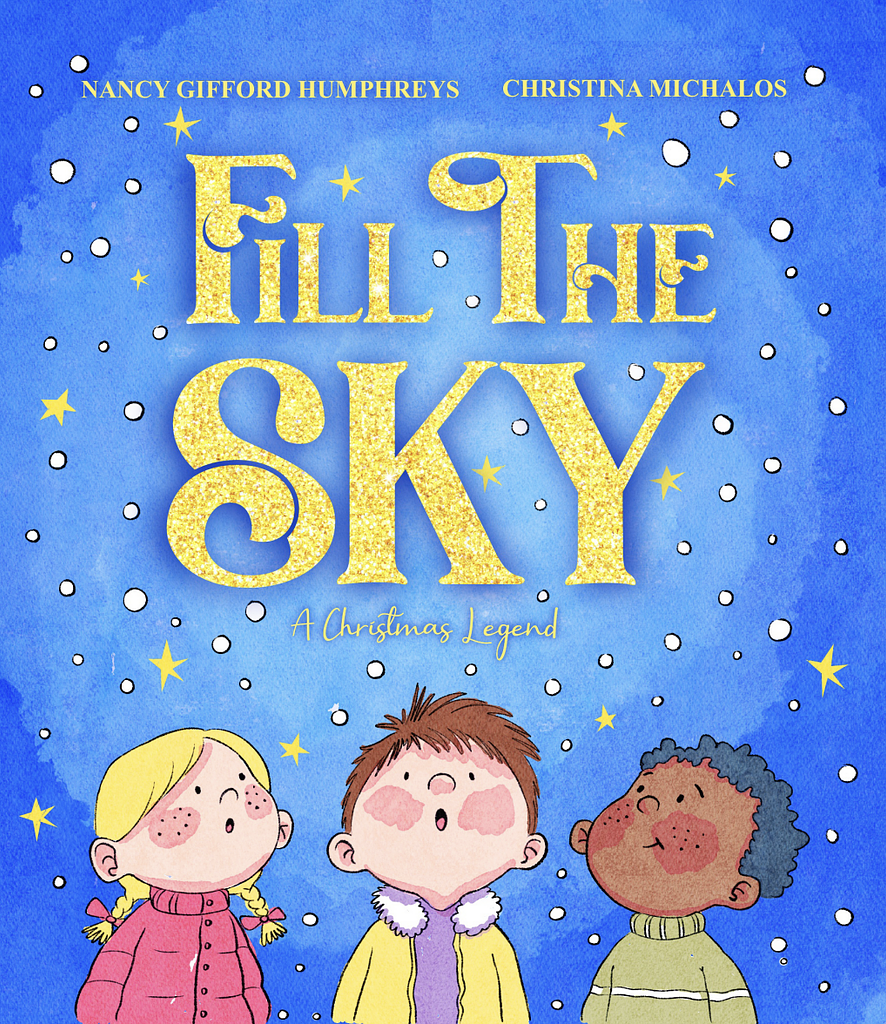

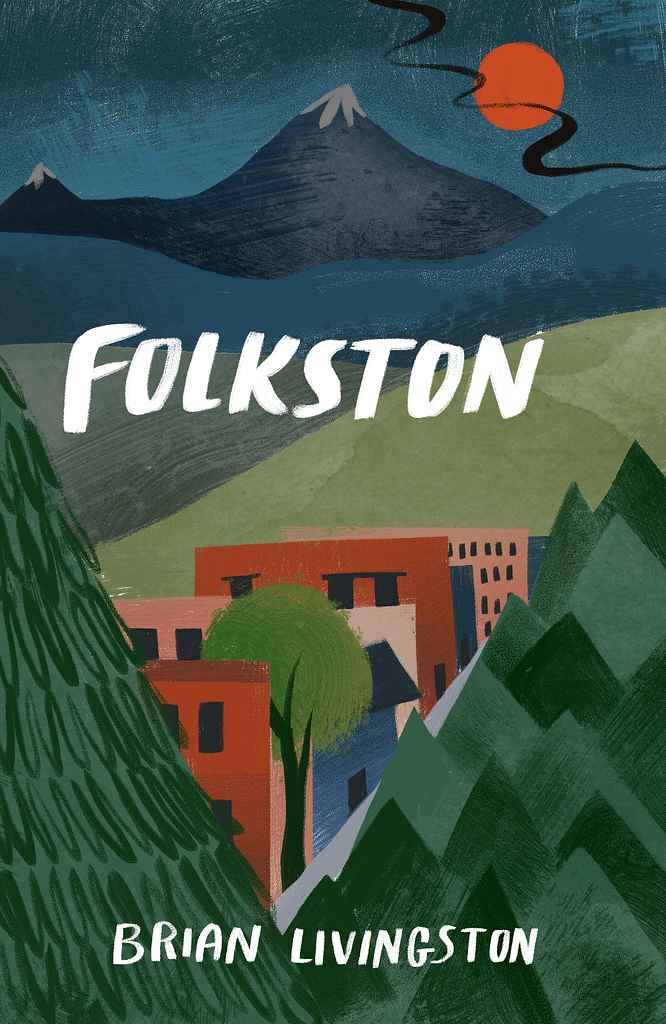
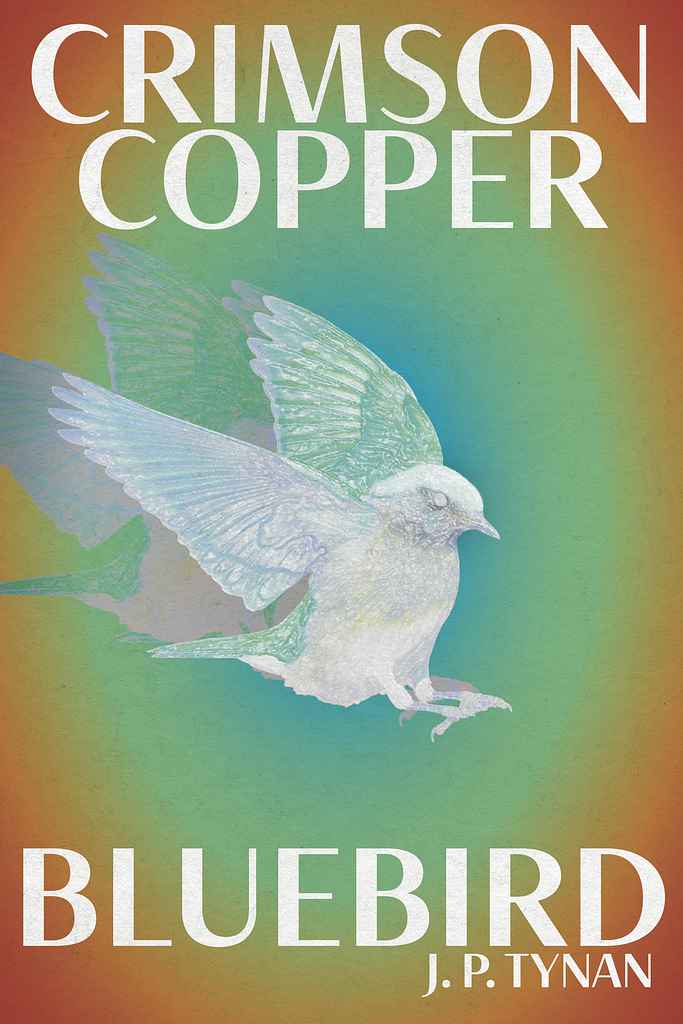





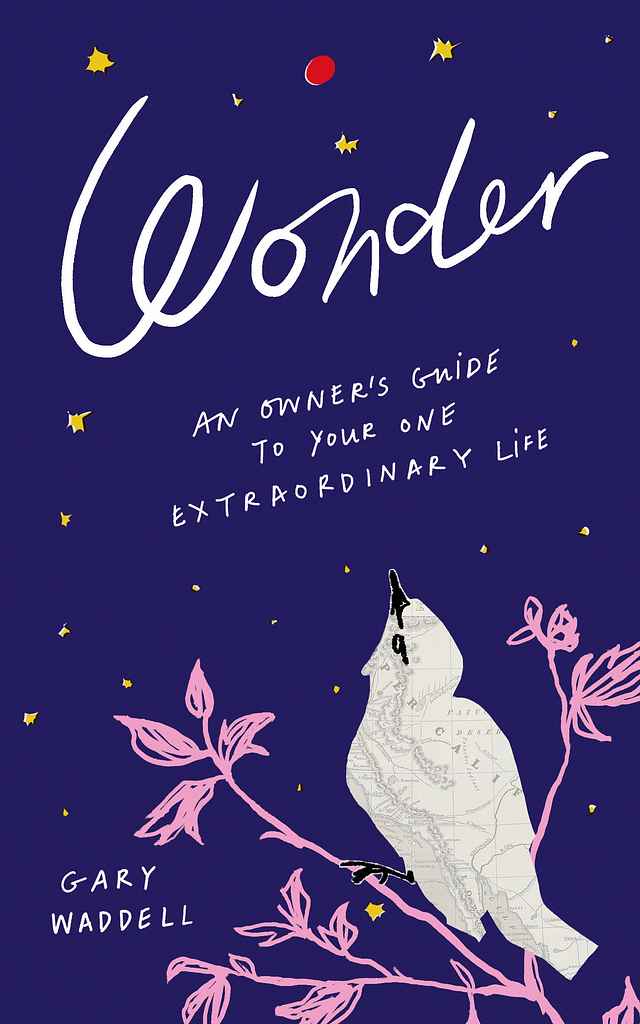


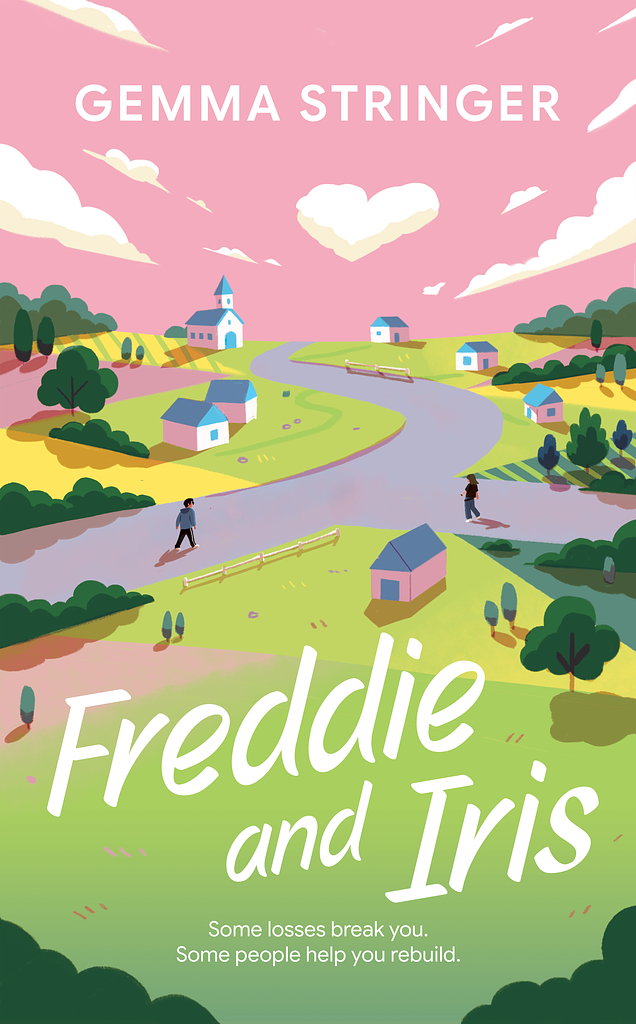

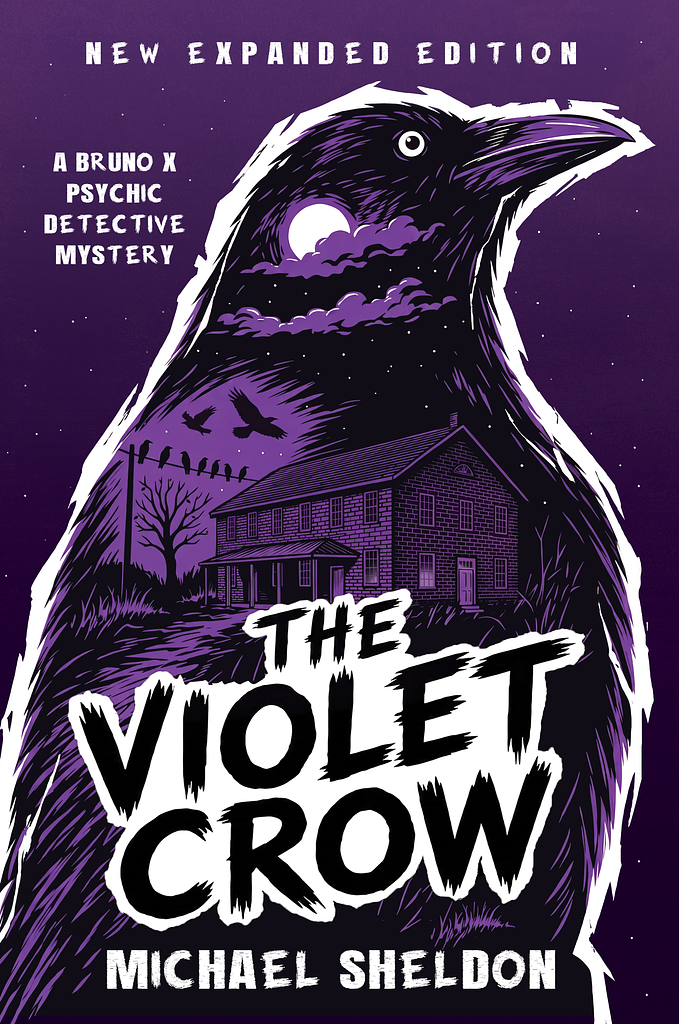

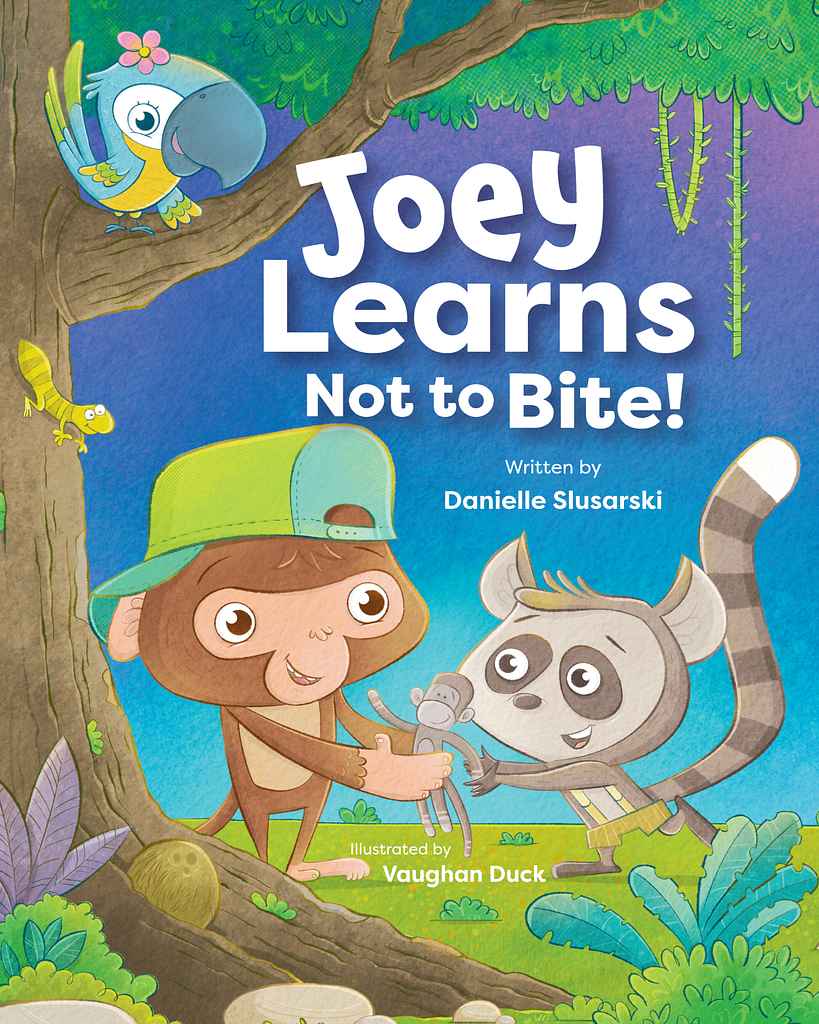

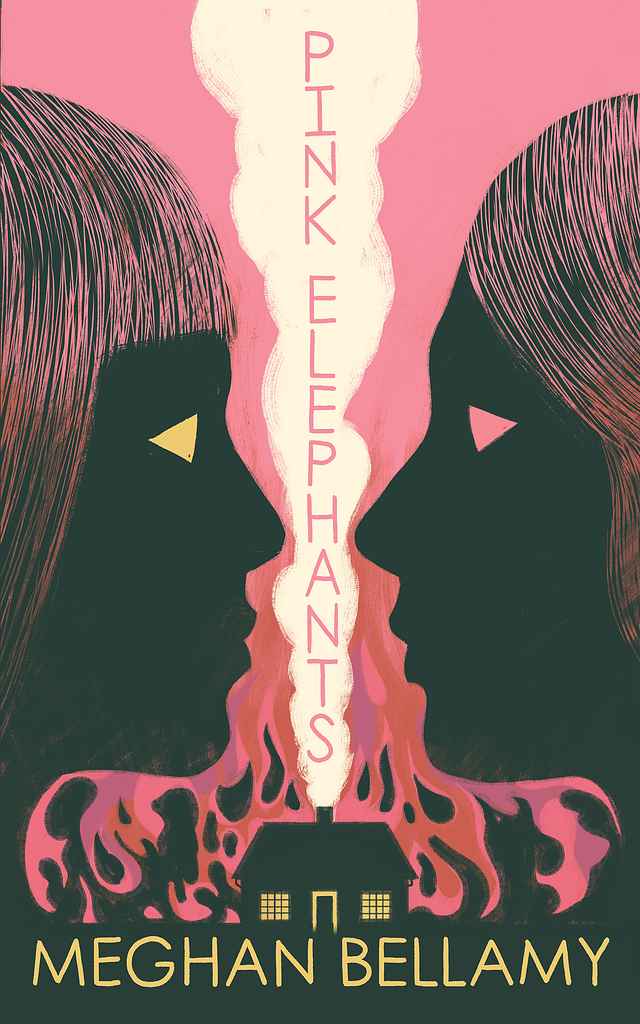
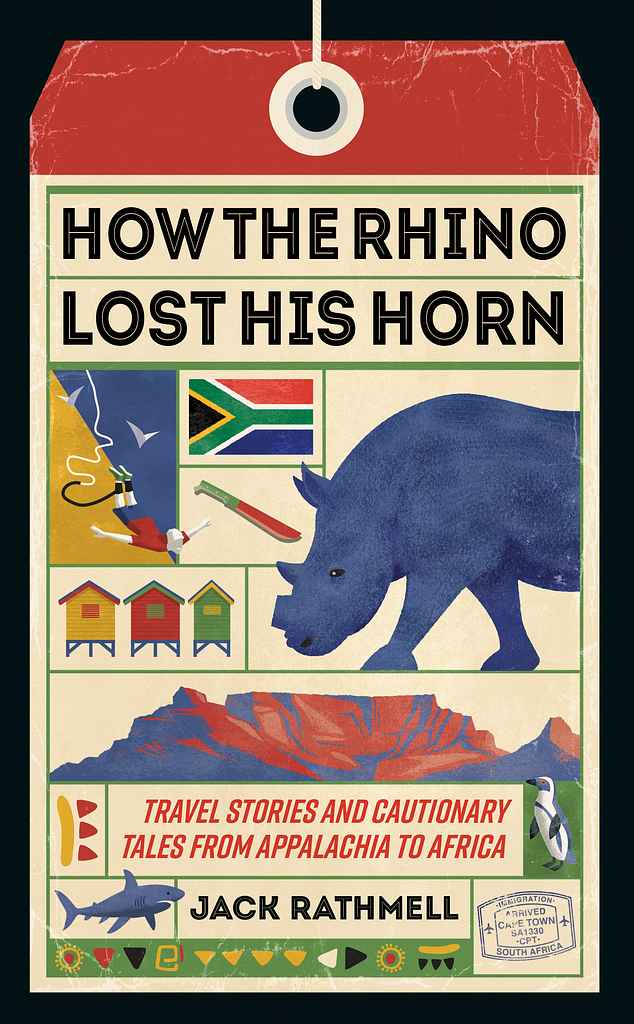

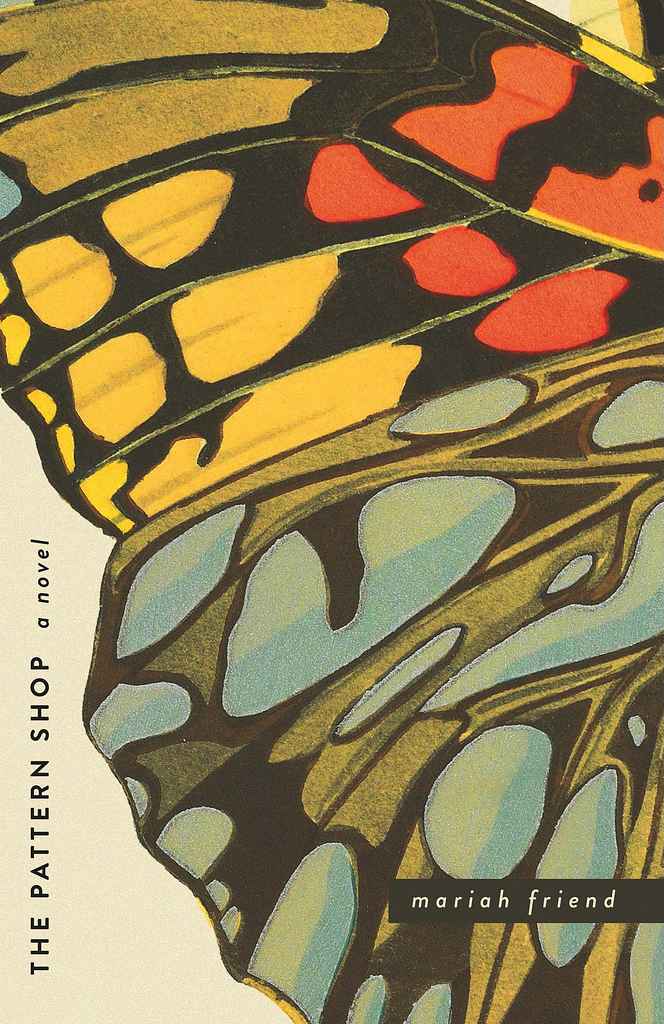

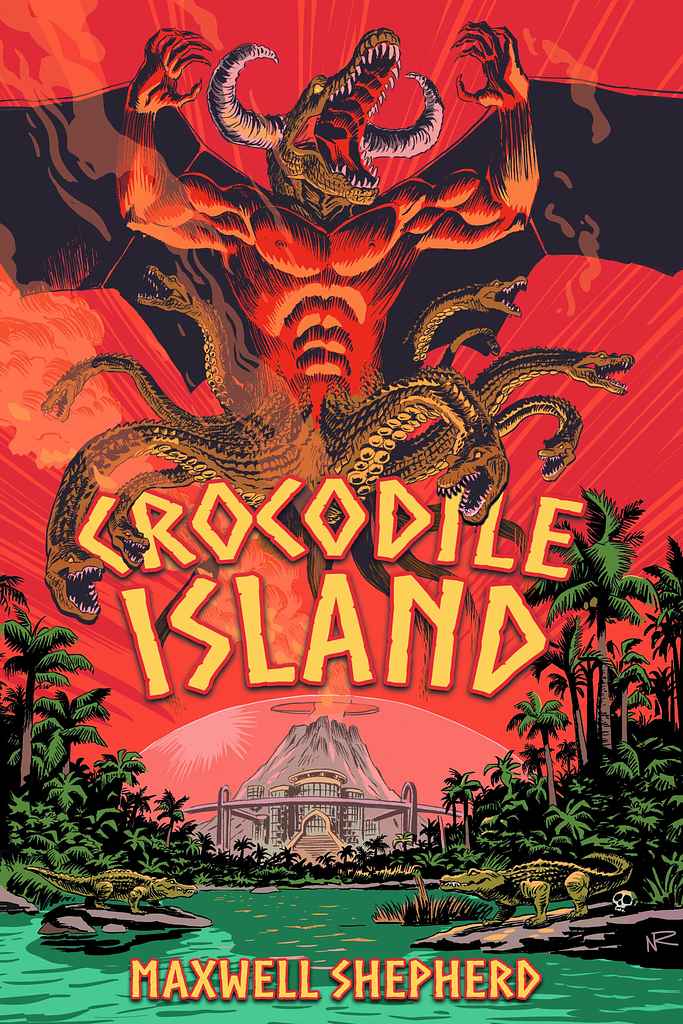

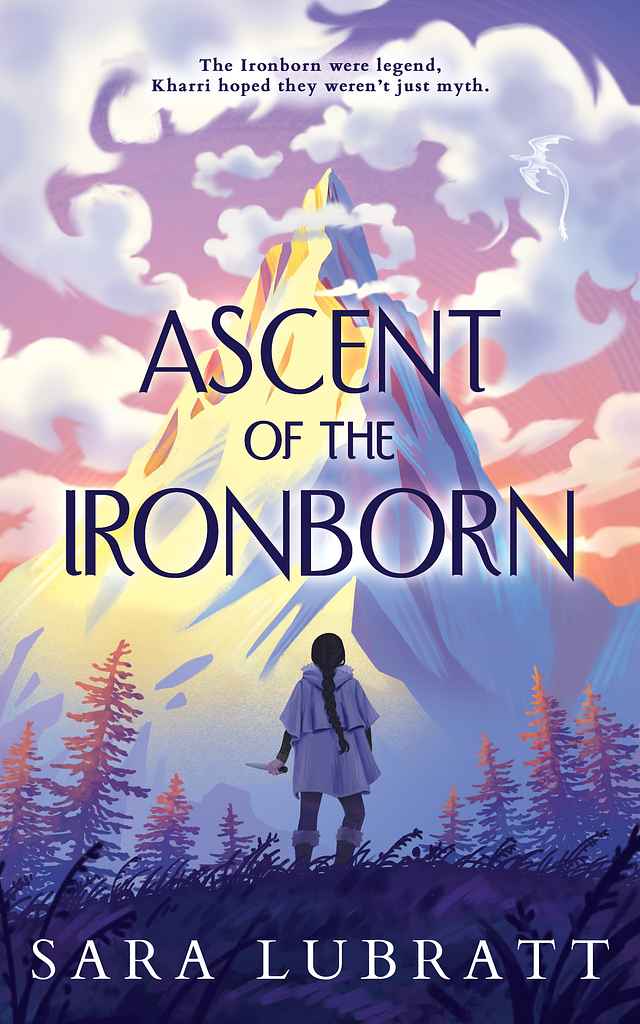

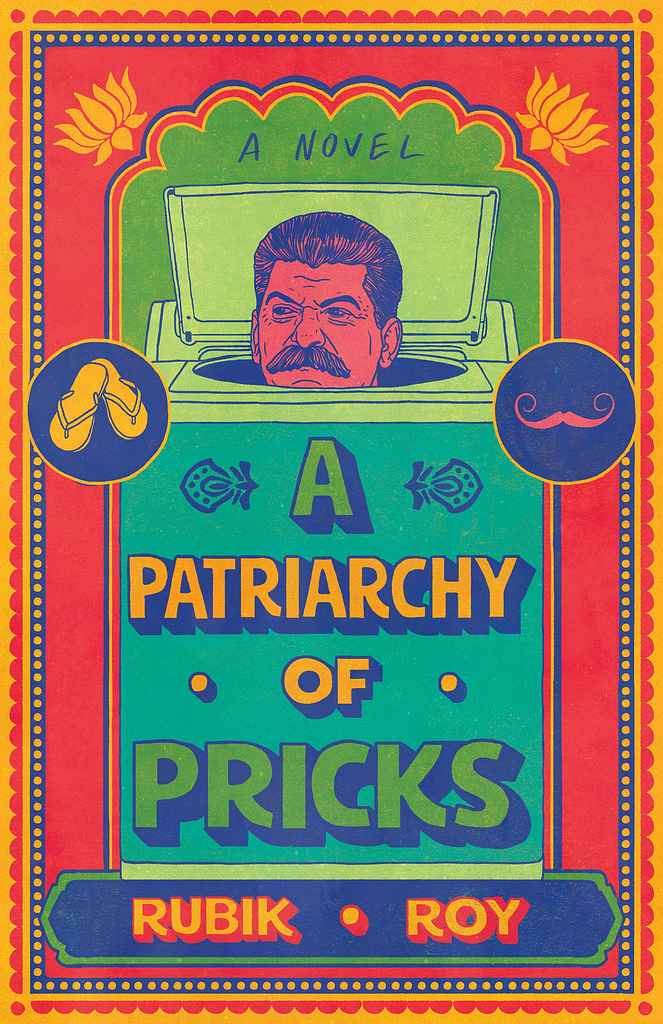


Illustrated covers have become the dominant aesthetic across romance, YA, cozy mystery, middle grade, and literary fiction — a category-wide shift that has transformed how books look, how they sell, and how they spread on social media.
What makes a great illustrated cover?
Great illustrated covers work because they're irreplaceable. A custom illustration carries the specificity of your story — the precise tone, the right character energy, the exact color world — in a way that stock photography and compositing can't replicate. Illustrated covers also photograph beautifully, which matters when BookTok and Instagram have become primary discovery channels: a distinctive illustrated cover held in someone's hand is worth more than a generic photographic one sitting on a shelf.
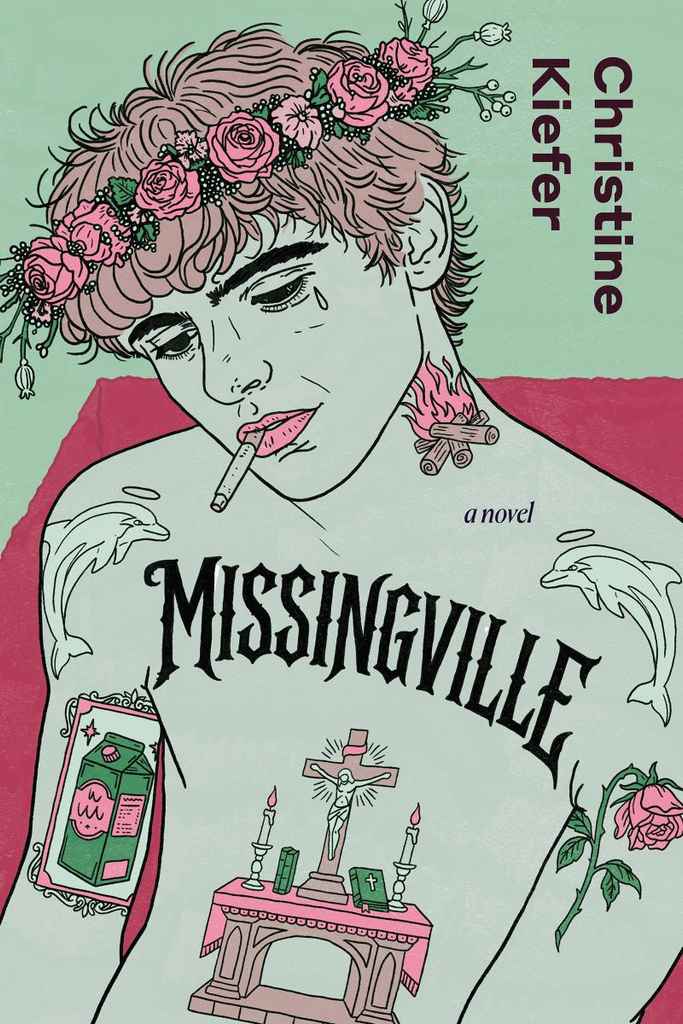
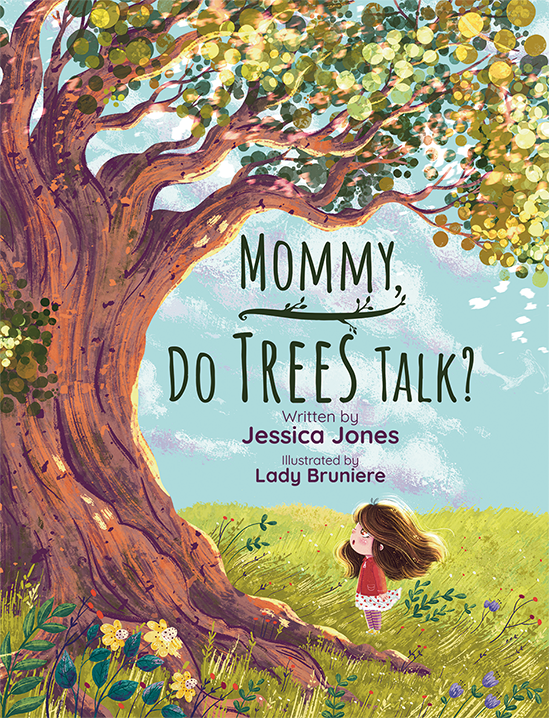
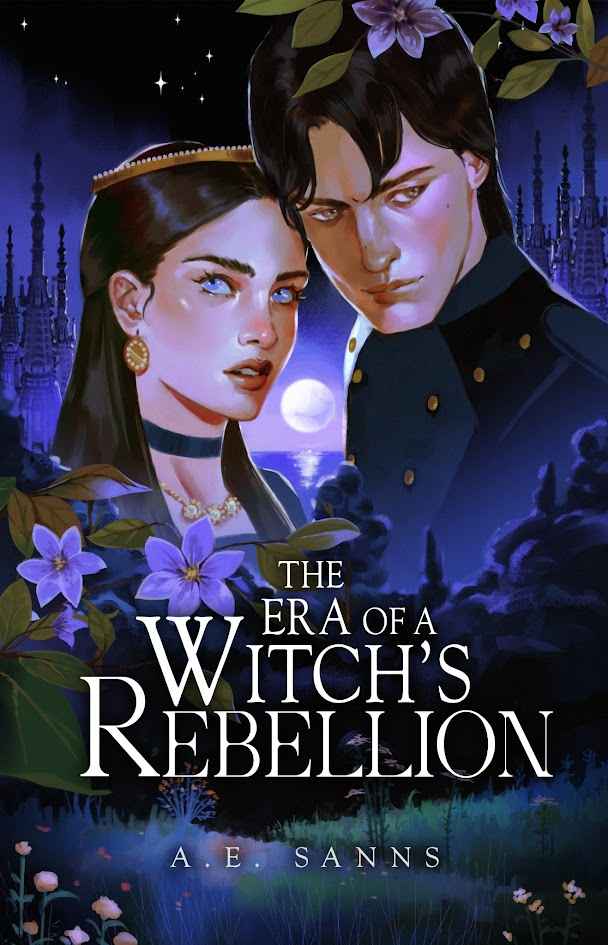
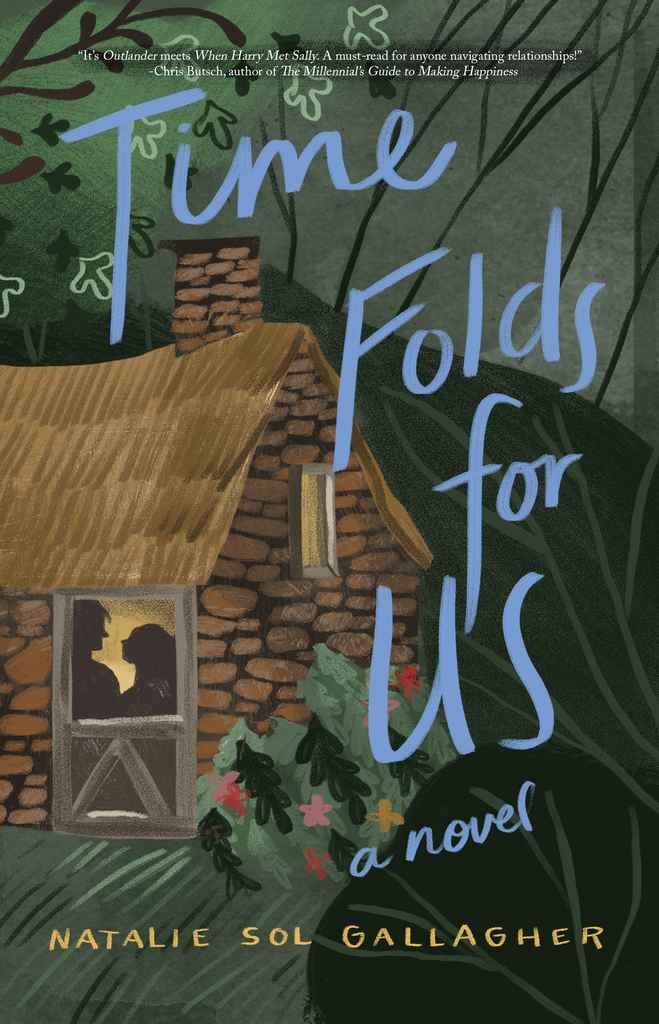
The style range is vast, from flat-vector cartoon covers (dominant in contemporary romance and YA) to painterly, texture-rich editorial illustration (gaining ground in literary fiction). Browsing examples of professional book illustration before you brief is the most useful preparation you can do — "illustrated" covers an enormous range of approaches, and knowing which tradition you're commissioning is the difference between a sharp brief and a frustrating one.
The current direction pushes strongly toward visible human-touch aesthetics: brushstrokes, grain, and hand-crafted quality as a deliberate counter to AI-generated imagery. Covers that read as made by a skilled human hand are consistently outperforming generic digital work.
What are the most common illustrated cover styles?
- Flat-Vector/Contemporary Romance: Stylized digital figures, candy-bright or jewel-tone palettes, bouncy hand-drawn typography. Evolving with added textures to maintain dominance in commercial fiction.
-
Painterly/Fine-Art-Influenced: Visible brushwork, rich oil-painting or gouache textures. Dominates upmarket historical fiction, literary fiction, and highbrow nonfiction.
-
Line-Art/Editorial Illustration: Monoline figures, minimalist spot-color palettes. Creates a sophisticated, high-end intellectual feel for essays and modern memoirs.
-
Collage/Cut-Paper: Layered analog textures, mixed-media elements, retro-modern color theory. Instantly readable as tactile, experimental, and hand-crafted.
-
Storybook/Whimsical: Full-bleed immersive scenes with completely integrated title typography. The absolute standard across children's books, cozy fantasy, and middle grade.
How much does an illustrated cover cost?
Illustrated covers on Reedsy range from around $800 for simpler flat-vector designs up to $1,500+ for fully painted, complex compositions. In the genres where illustration has become the category standard, original artwork consistently outperforms stock in click-through and conversion. For series work, the case is even stronger — an illustration style locked at book one carries through every subsequent cover.
How do I find the right illustrated cover designer?
On Reedsy Marketplace, filter by genre and browse illustrated portfolios before sending a brief. Name the illustration style with reference artists rather than just "illustrated" (e.g. "cartoon romance" and "painterly literary fiction"). If you're planning a series, brief the illustration style and any recurring character design at book one.
Browse Reedsy's hand-picked community of illustrated cover designers and request free quotes today.
Further readings: