































































Memoir covers have to do something genuinely difficult: sell a stranger's life story to people who've never heard of them. Whether they show a woman holding a cat against a field of orange poppies, a cracked peach on a coral background, or a lone figure running across a foggy LA skyline — the goal is the same: make a reader feel that this particular voice is worth their time.
What makes a great memoir cover?
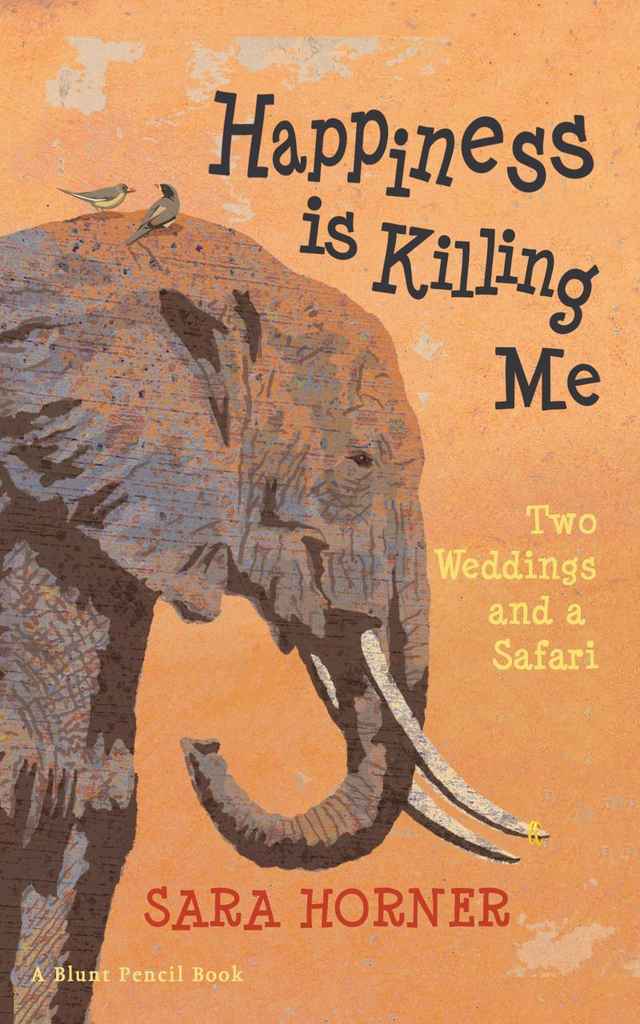
Memoir covers span more visual registers than the category gets credit for. At one end: warm, restrained, photograph-led or illustrated covers where a single resonant image carries the emotional weight of the book — a vintage portrait, an evocative object, a landscape with personal meaning. These covers work through intimacy and authenticity, and the typography — often hand-lettered or a warm serif — feels like a voice.
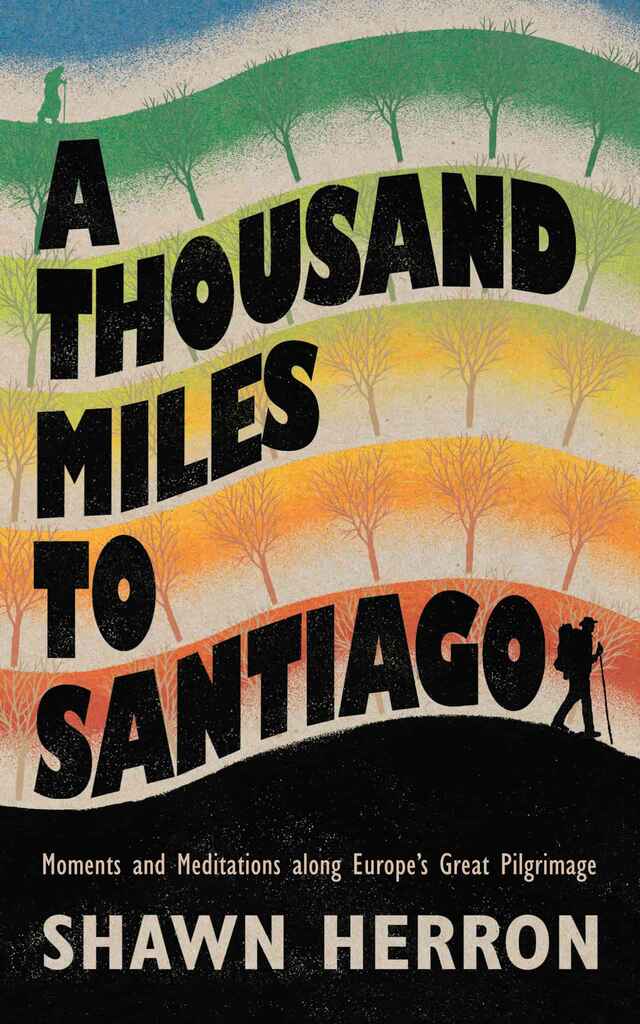
At the other end: bold, graphic, typographically driven covers where the design itself carries the memoir's energy. These work especially well for humor, resilience, and high-stakes narrative memoirs — covers that use scale, color, and type architecture to signal the register of the book before a word is read.
What almost all memoir covers share is a clear emotional tone, communicated immediately. The palette, the typography, and the single central image should all agree on what kind of story this is. For unknown authors, the title dominates; for recognizable names, the author name carries more weight.
What are the most common memoir cover tropes?
-
Illustrated memoir: a drawn portrait or scene — warm, personal, often witty — that signals voice and character immediately; common in humor, recovery, and coming-of-age memoirs
-
Typographic/bold graphic: large stacked display type as the primary visual element, strong color, minimal imagery — works especially well for resilience, identity, and high-energy narrative memoirs
-
Single symbolic object: one carefully chosen image on a plain or near-plain background — a peach, a lollipop, a fish — often paired with a playful or hand-lettered title
-
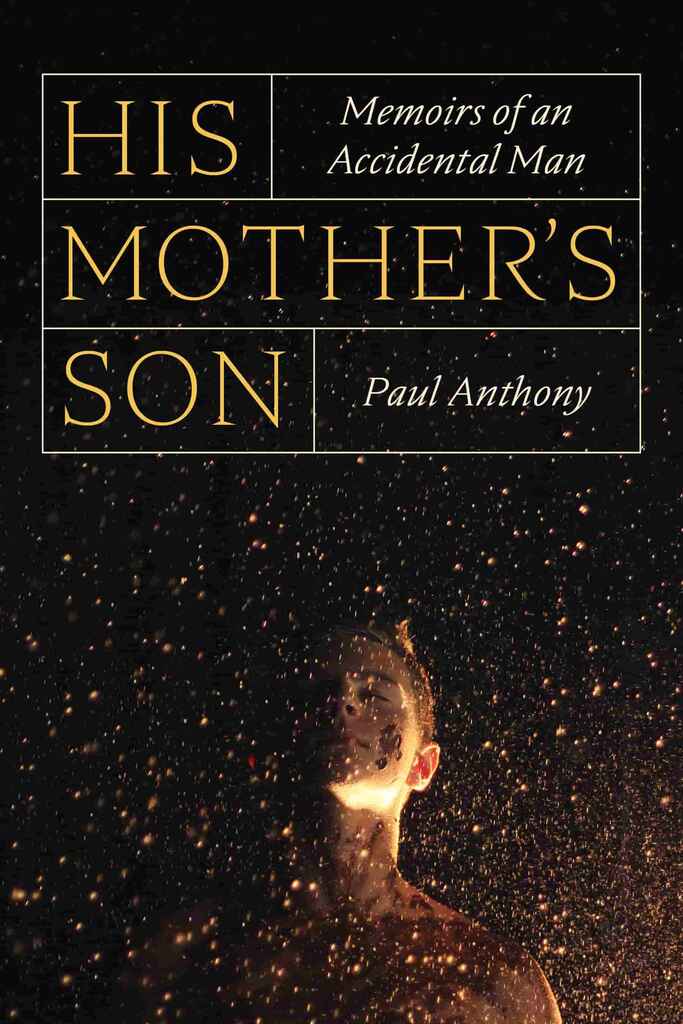
Photographic/portrait: a personal or documentary photograph, either archival or authored, with restrained typography — the image is the authenticity
-
Silhouette/figure-against-place: a figure set against a landscape or cityscape that carries the memoir's geography — travel, immigration, and place-rooted memoirs
-
Hand-lettered/scribble text: handwriting as a design element, signaling intimacy and voice — particularly strong in personal, confessional, and humor memoirs
How much does a memoir book cover cost?
Memoir covers have a median cost of $680 on Reedsy — among the most accessible in the market. The emotional resonance comes from restraint and concept, not technical complexity. Costs rise for premium hand-lettering, complex photo restoration, custom illustration, or a commissioned author portrait.
How do I find the right memoir cover designer?
Filter by genre on Reedsy Marketplace and look for portfolios that match your specific register. Share one or two comp titles and a sense of the palette and energy you're drawn toward — the designer will take it from there.
Browse Reedsy's hand-picked community of memoir cover designers and request free quotes today.
Further readings: