
































































Nonfiction covers span more territory than almost any other category. From business and memoir to health, spirituality, and self-help, the challenge is always the same: distill the book’s core idea into a single striking image while signaling that the author has the authority to guide the reader.
What makes a great nonfiction cover?
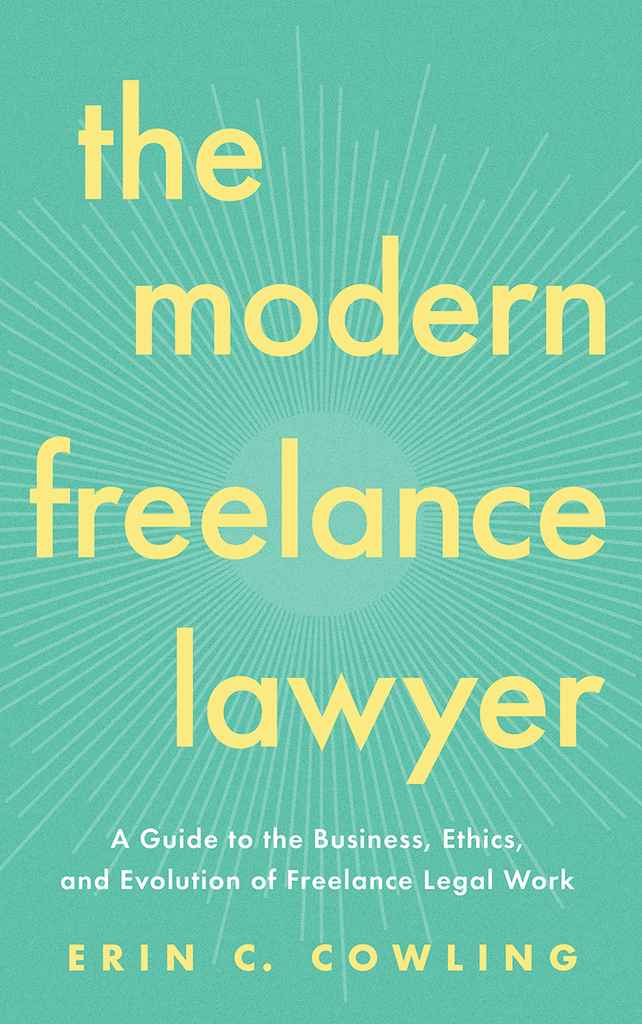
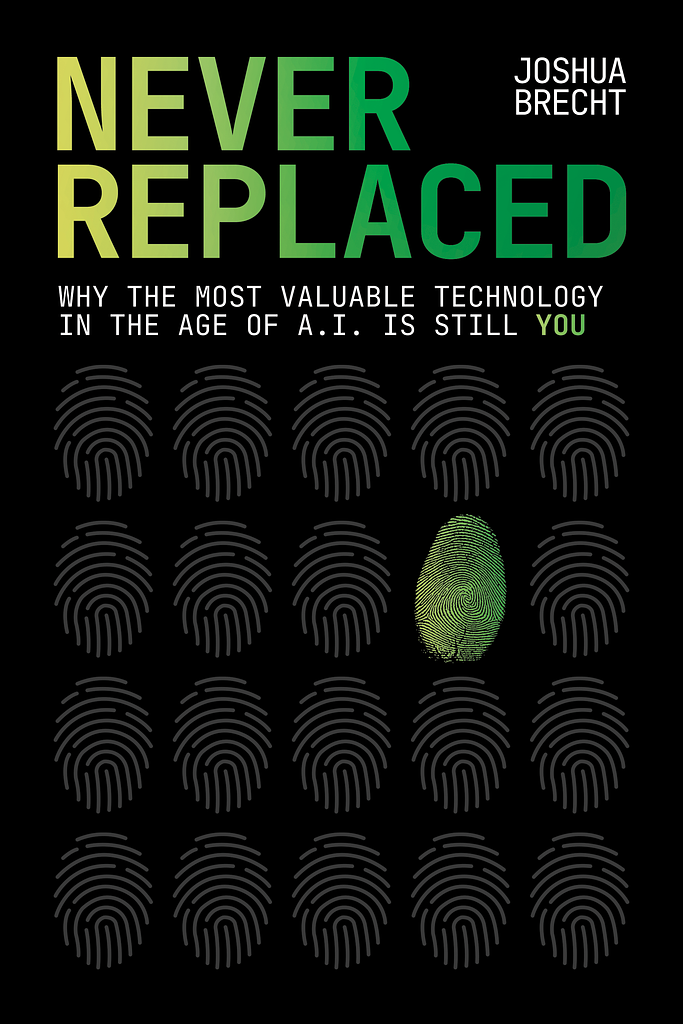
Nonfiction is a category of registers, not a single visual language, and the strongest covers know exactly which one they're in. Business, leadership, and strategy titles tend toward bold, confident typography on a strong single color — the cover reads like a billboard, authority communicated at a glance. Popular science and big-ideas books often work through a single graphic metaphor: one symbolic object or visual concept that distills the book's central idea before the subtitle does.
But nonfiction also has a warm, personal register — memoir-adjacent, health, relationships, spirituality — where intimacy matters more than authority. These covers use illustrated scenes, painterly textures, symbolic objects, or author portraits to signal voice and approachability rather than expertise. The typography is often softer: script, hand-lettered, or an elegant serif rather than a commanding sans.
Across both ends, the subtitle carries enormous structural weight. In nonfiction the cover is architecturally built around the promise the subtitle makes — and the clearer that promise, the stronger the design can be.
What are the most common nonfiction cover tropes?
-
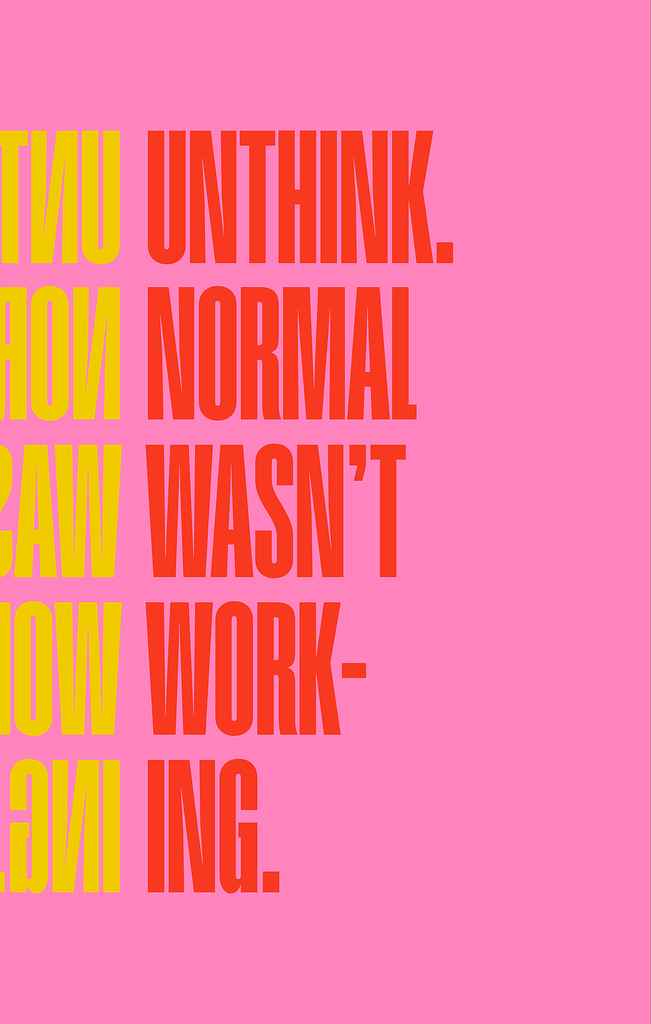
Bold typographic/concept-driven: one dominant color, oversized title, minimal or no imagery — the type is the design; common in business, strategy, and big-ideas books
-
Icon/symbol-led: a single central graphic — a mandala, a bull, a knot, a peach — on a plain or near-plain background; the image is the concept, not decoration
-
Author-as-brand: the author's portrait dominates, often with an energetic accent color and a name sized as large as the title — works when the author's face and platform are already the selling point
-
Illustrated/warm: a drawn scene, figure, or symbolic image in a warm or playful style — common in memoir, relationships, humor, and wellness nonfiction
-
Silhouette/graphic figure: bold graphic treatment of a human form or profile, often with high-contrast color — common in identity, relationships, and narrative nonfiction
-
Photographic/documentary: a personal or editorial photograph with restrained typography — signals authenticity
How much does a nonfiction cover cost?
Nonfiction covers have a median cost of $700 on Reedsy, with averages around $800. The work is primarily typographic and conceptual rather than illustrated, which keeps costs accessible. Budgets rise for custom illustration, commissioned author portraits, or brand identity work built to span a series.
How do I find the right nonfiction cover designer?
Filter by genre on Reedsy Marketplace and look for portfolios that match your specific register — a designer who excels at bold typographic business covers is solving a very different brief from one who works in warm illustrated wellness titles. Write your subtitle before you brief: nonfiction covers are architecturally built around the promise it makes. Share your target reader, your specific category, and any credibility signals — endorsements, credentials, institutional affiliation — that belong on the front.
Browse Reedsy's hand-picked community of nonfiction cover designers and request free quotes today.