
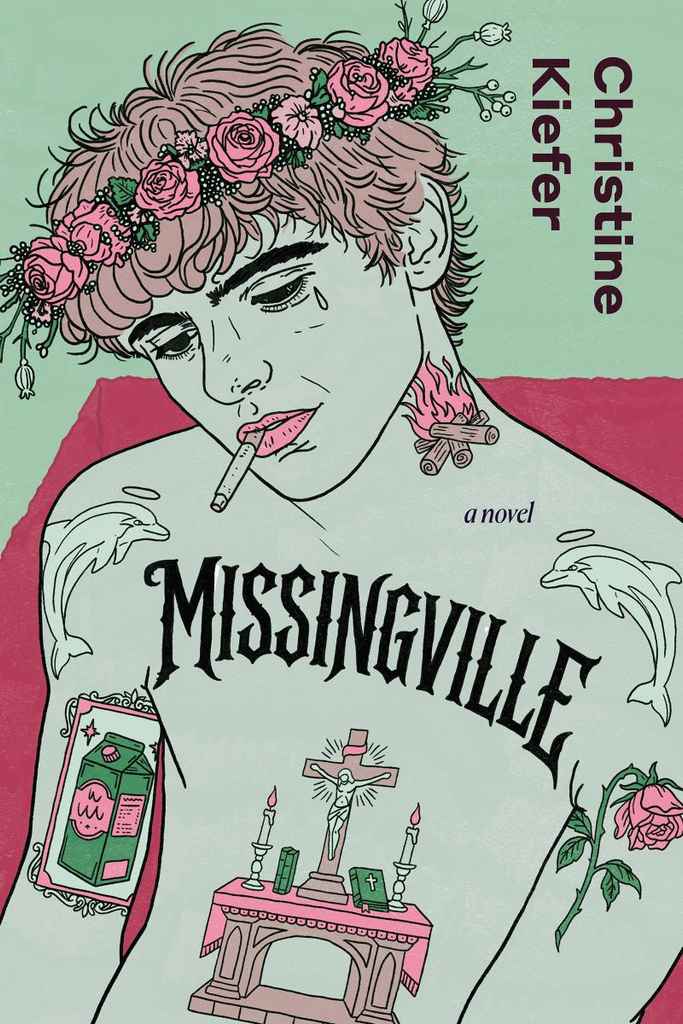

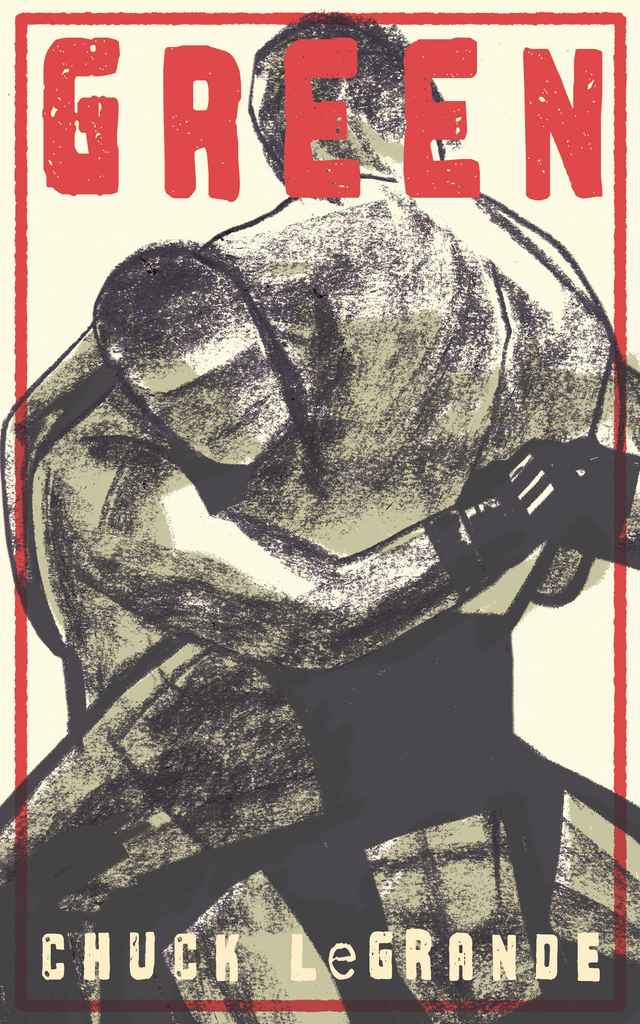

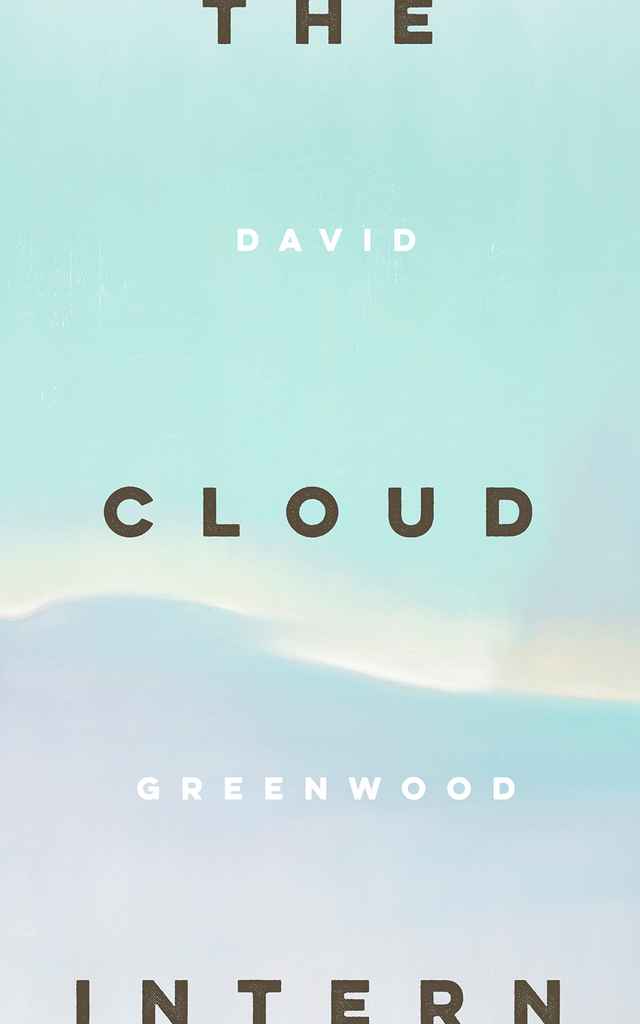



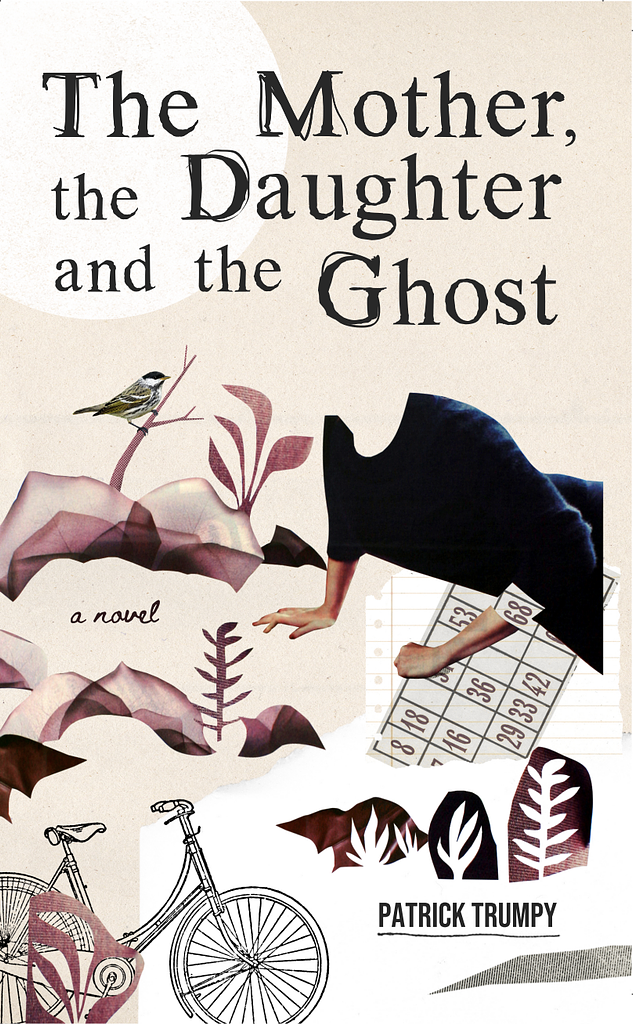







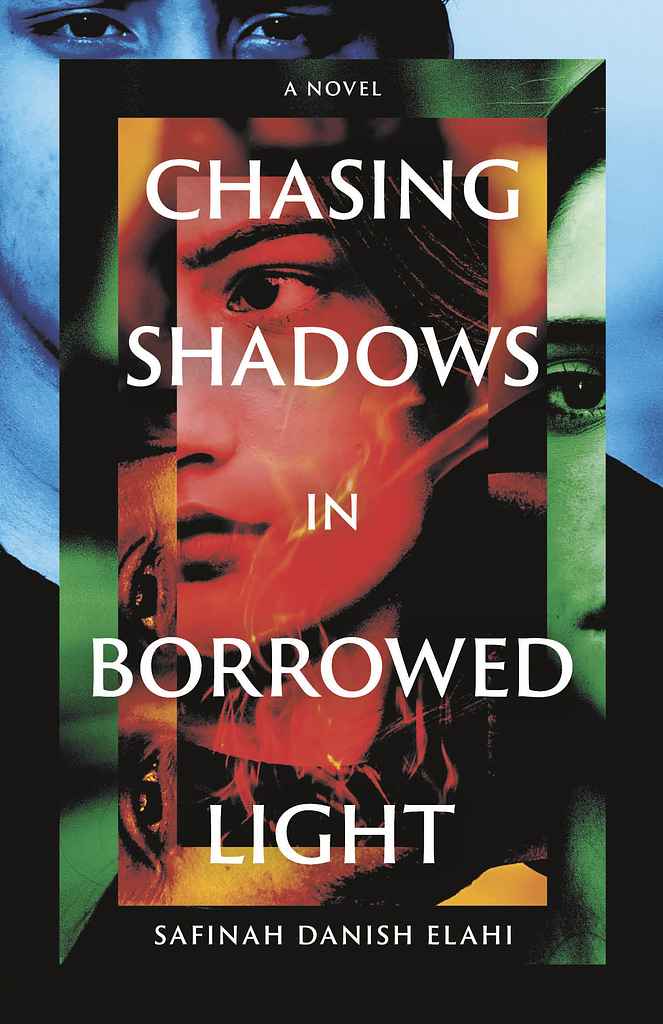

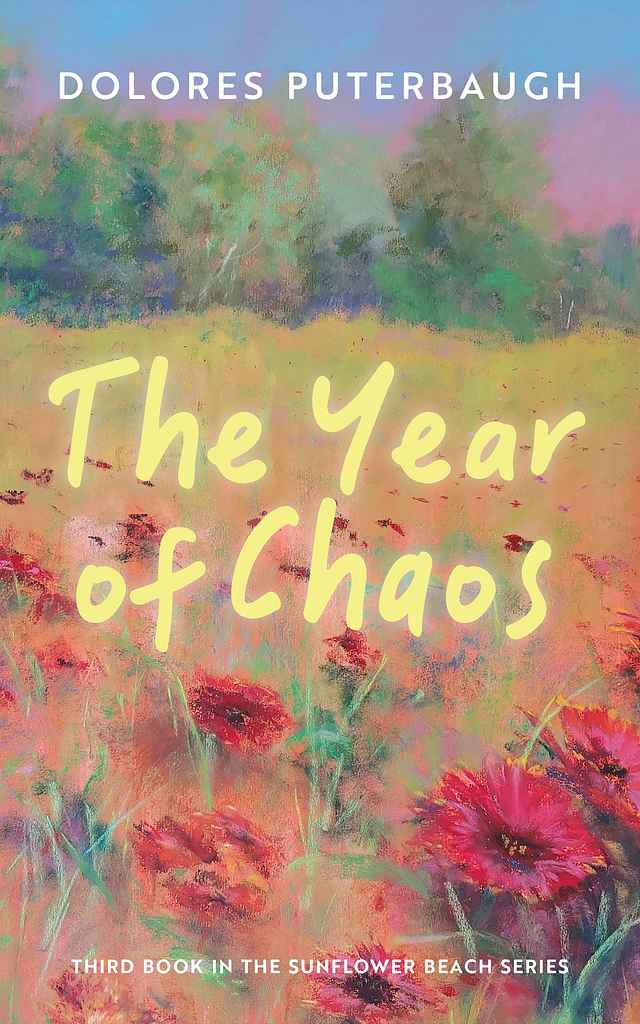

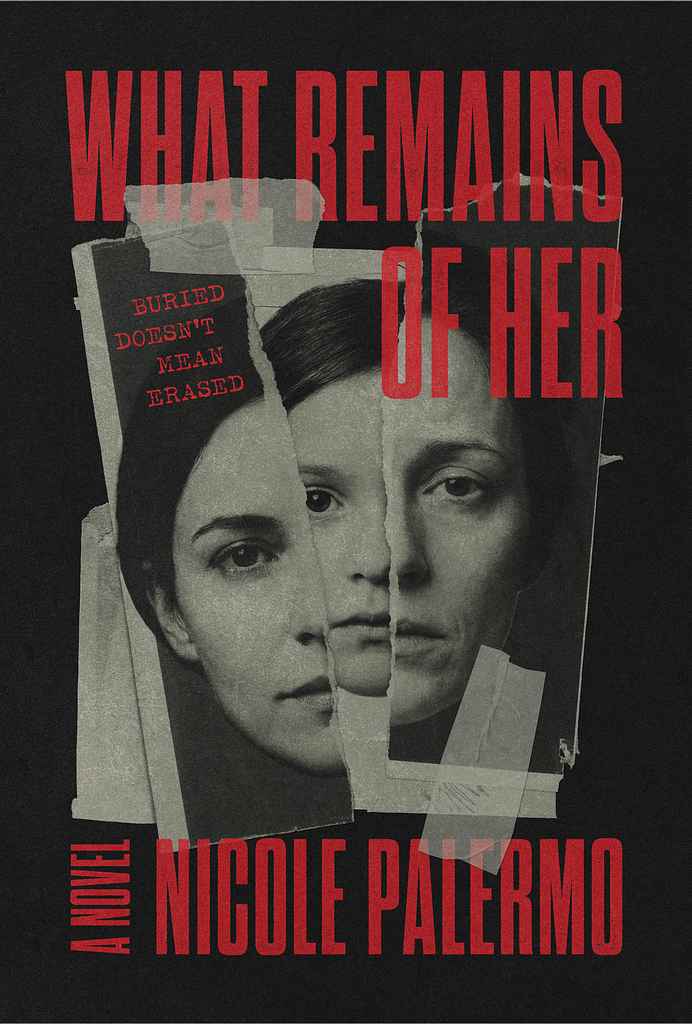




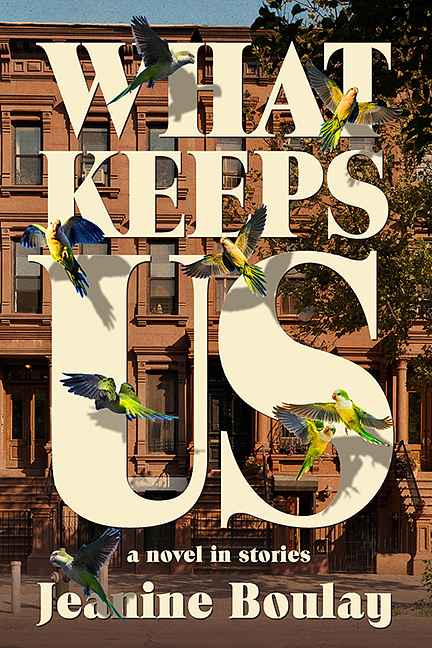























Literary fiction covers work by suggesting more than they show. Whether they feature a geisha's face framed by a red rising sun, a parrot half-hidden among tropical leaves, or two figures crossing a zebra crossing in a city that feels slightly wrong — the goal is always the same: give the reader the feeling of the book before they've read a word.
What makes a great literary fiction cover?
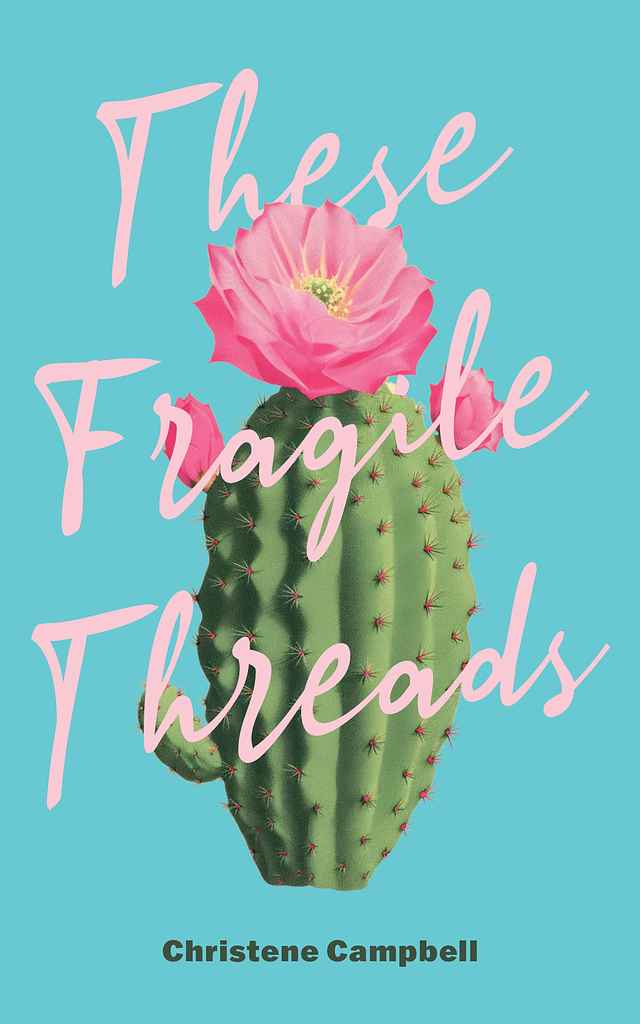
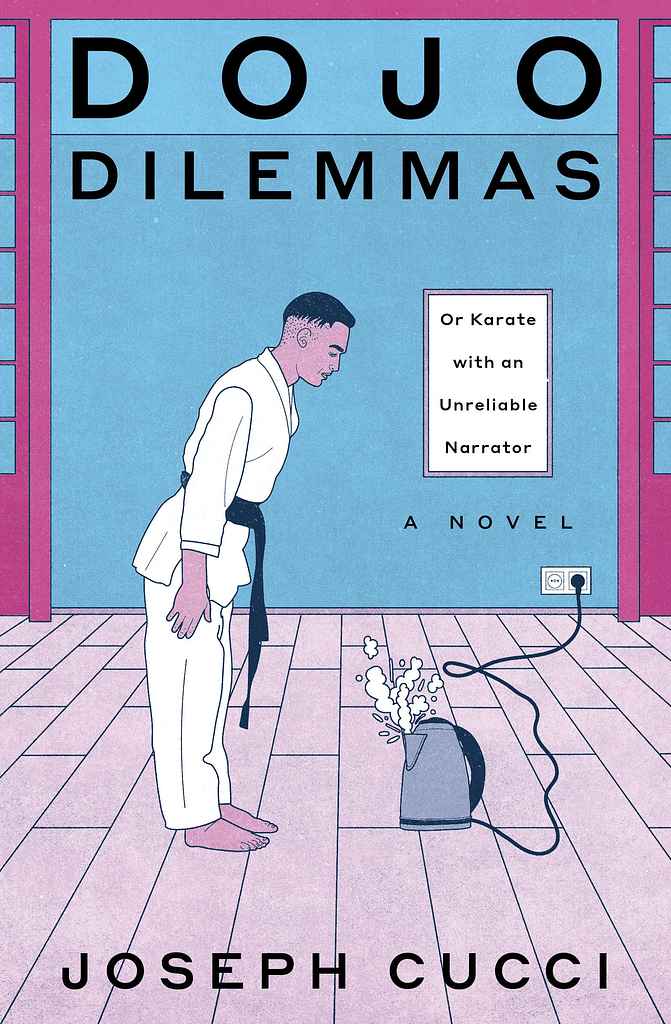
The strongest literary fiction covers are built around a single strong idea, stripped to its essence. Imagery is rarely literal — no scenes from the plot, no characters rendered in full narrative context. Instead: a symbolic object, an abstract gesture, a visual metaphor that captures the emotional register of the book rather than illustrating it.
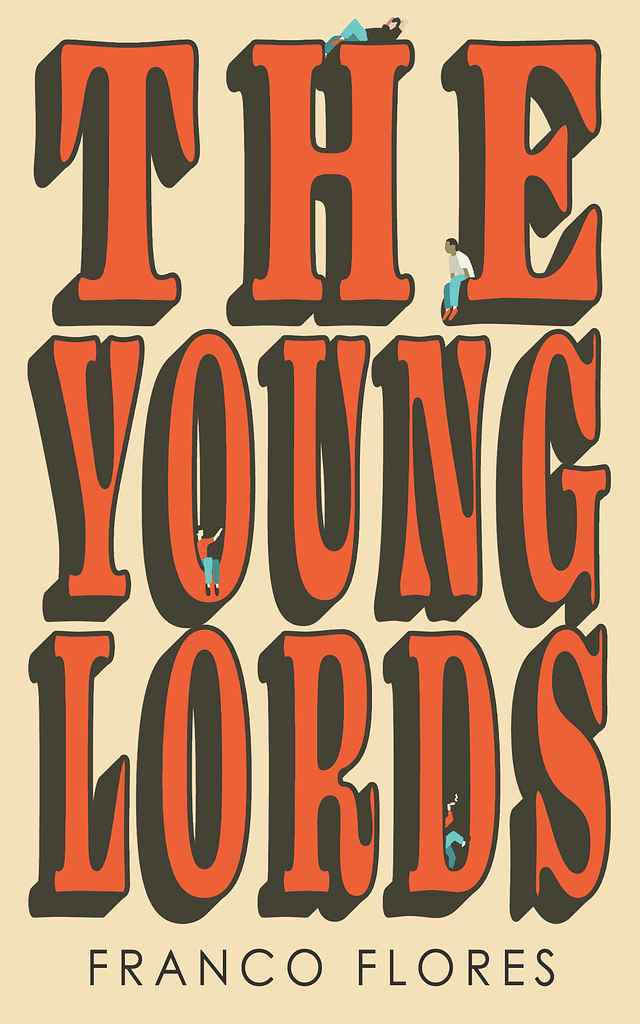
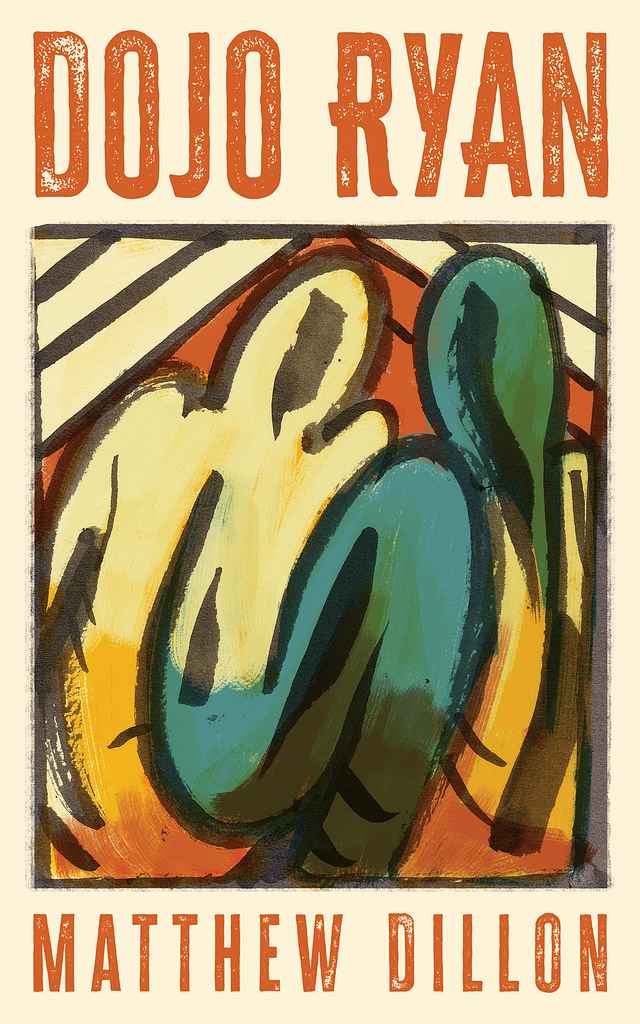
That idea can take very different forms. Some covers are almost entirely typographic — bold stacked type that becomes the image itself, with color and composition doing the conceptual work. Others lead with a face or figure cropped tightly enough to feel symbolic rather than representational. Others still reduce everything to one object: a single leaf, a set of brushstrokes, a bird on a branch.
What almost all literary fiction covers share is intentionality. Every element is chosen; nothing is filler. Palettes can run from bleached and minimal to vivid and graphic — what matters is that the color choice feels considered, not borrowed from genre convention. Typography tends toward the confident and restrained: a clean serif, a bold condensed sans, or display type used architecturally.
What are the most common literary fiction cover tropes?
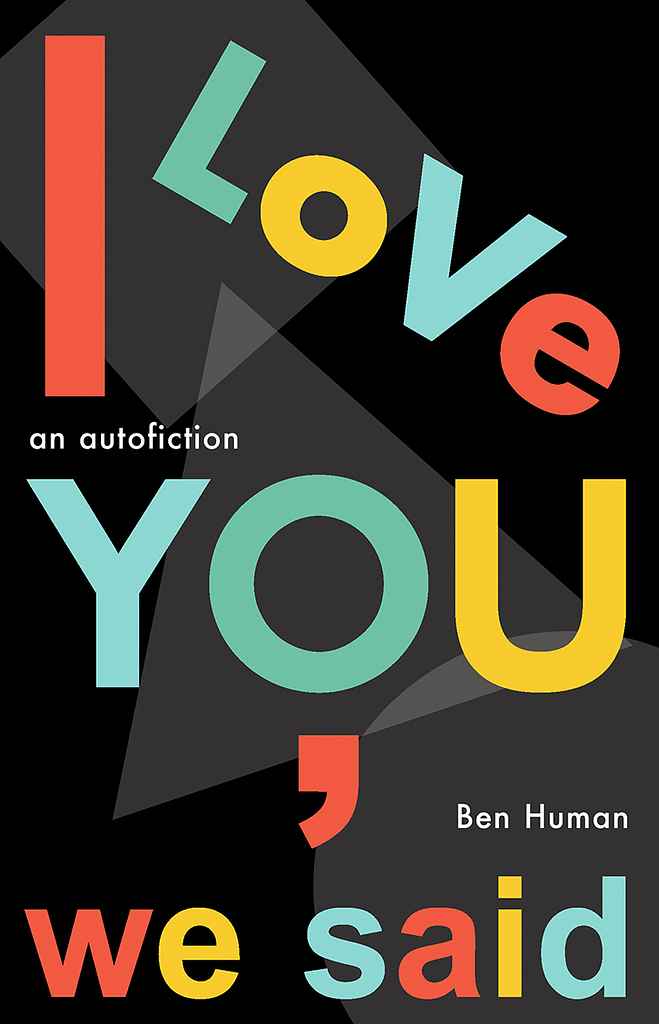
- Typographic/concept-driven: bold stacked or fragmented type as the primary visual element, strong color, minimal imagery — the design carries the entire concept
-
Single-object/symbolic: one image on a plain or near-plain background — a leaf, a brushstroke, a bird — restrained palette, confident serif title
-
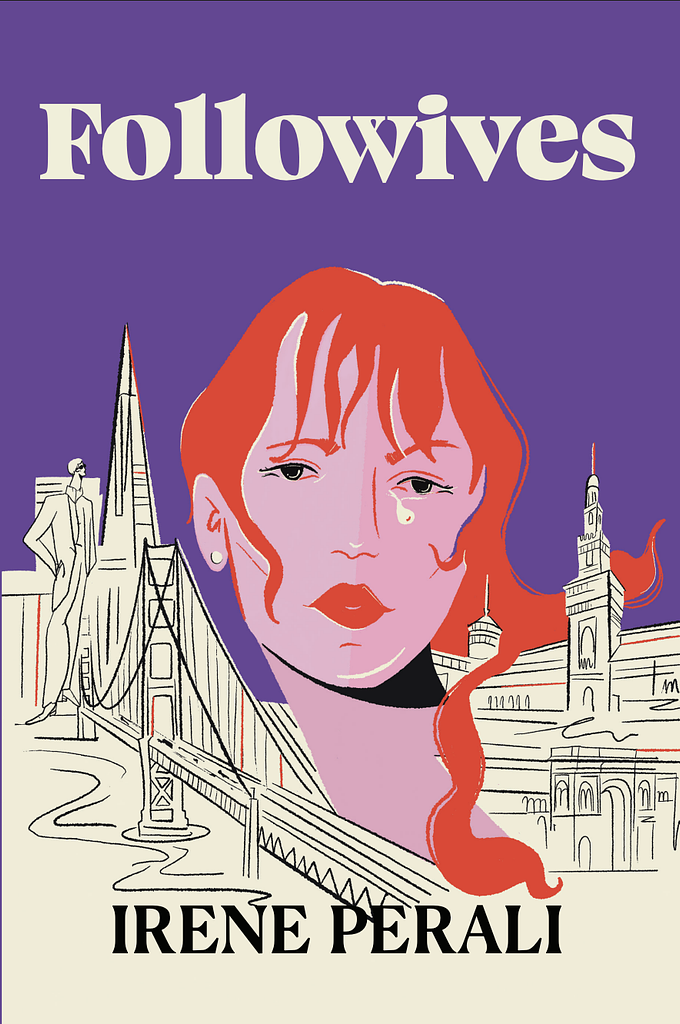
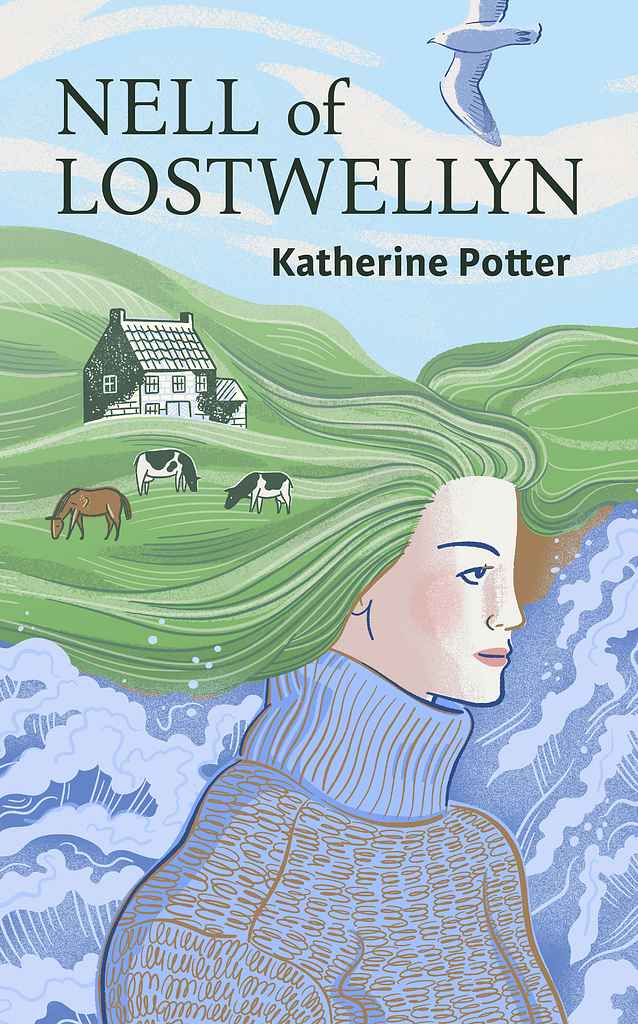
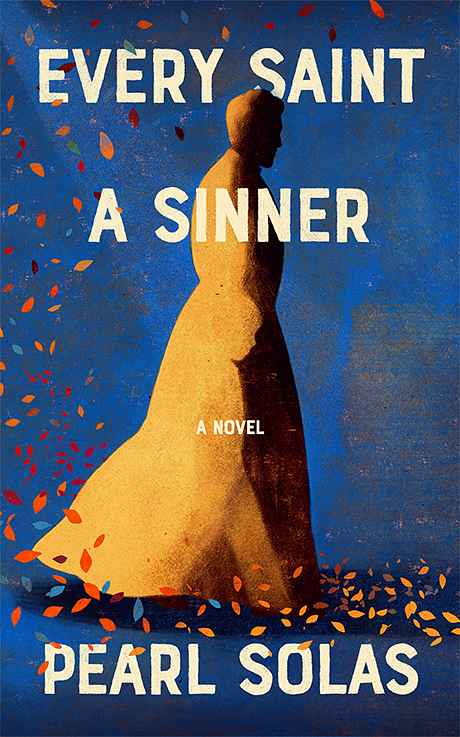
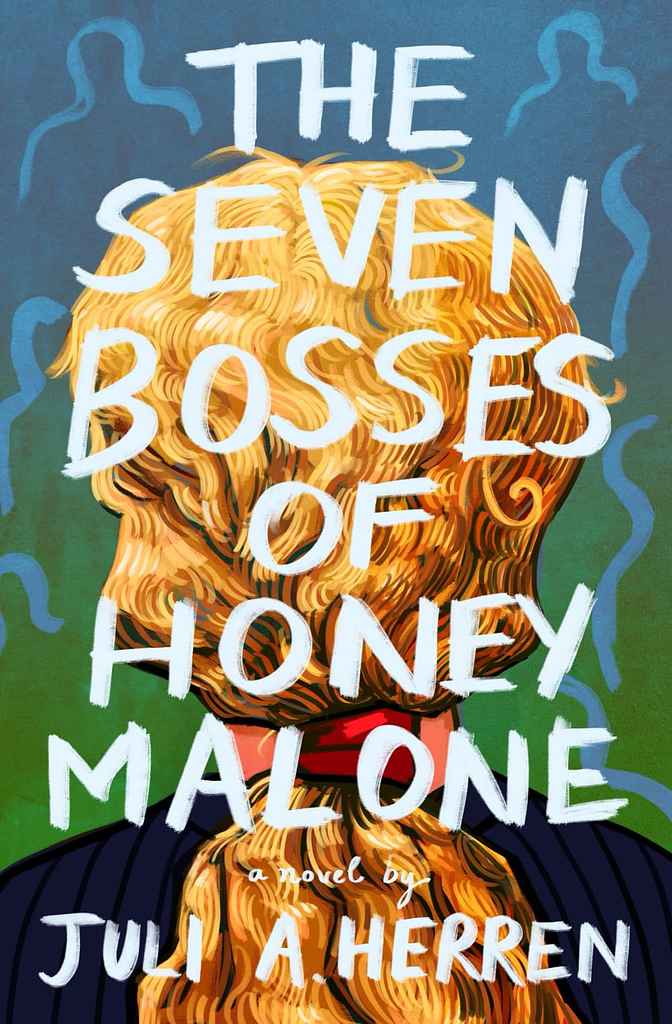
Face or figure, tightly cropped: a face or partial figure used as symbol rather than portrait, often with a striking color accent or graphic element
-
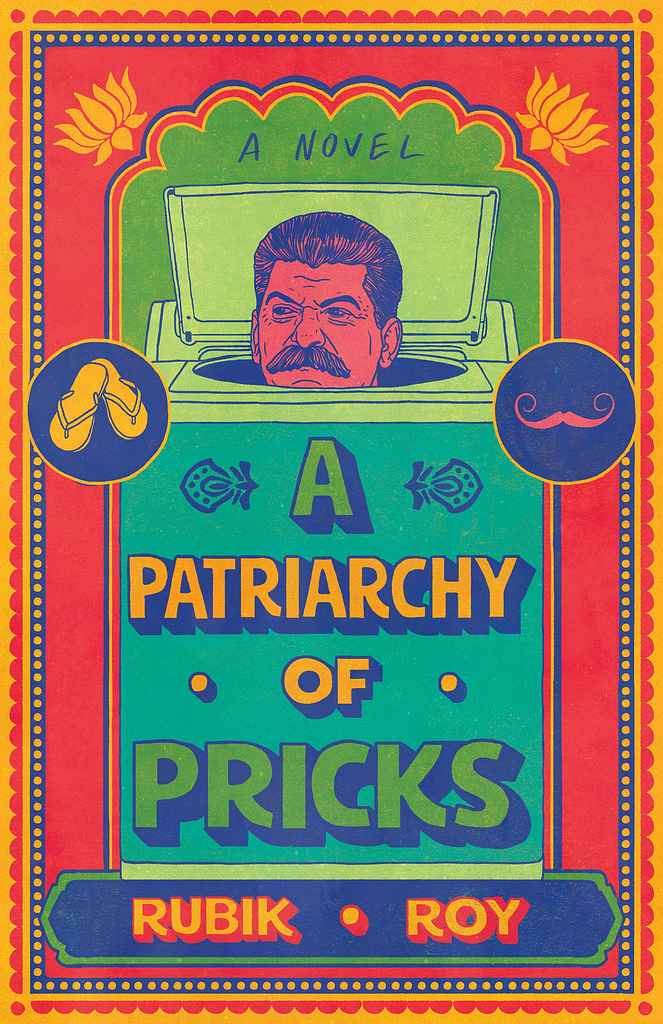
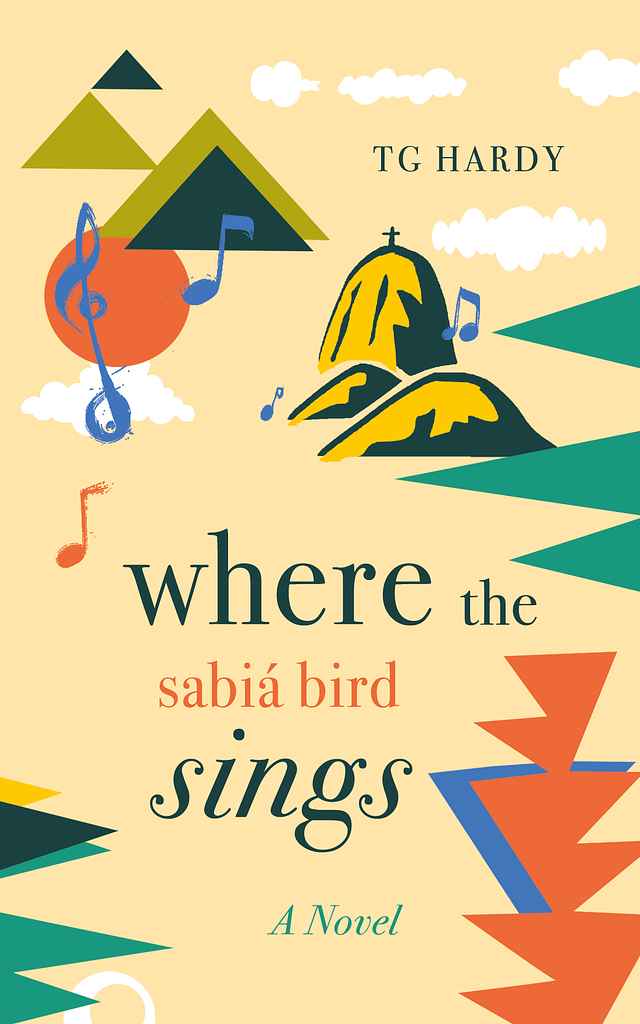
Illustrated/painterly scene: a setting or moment rendered with enough stylization to feel literary rather than commercial, often with a bold or contrasting title treatment
-
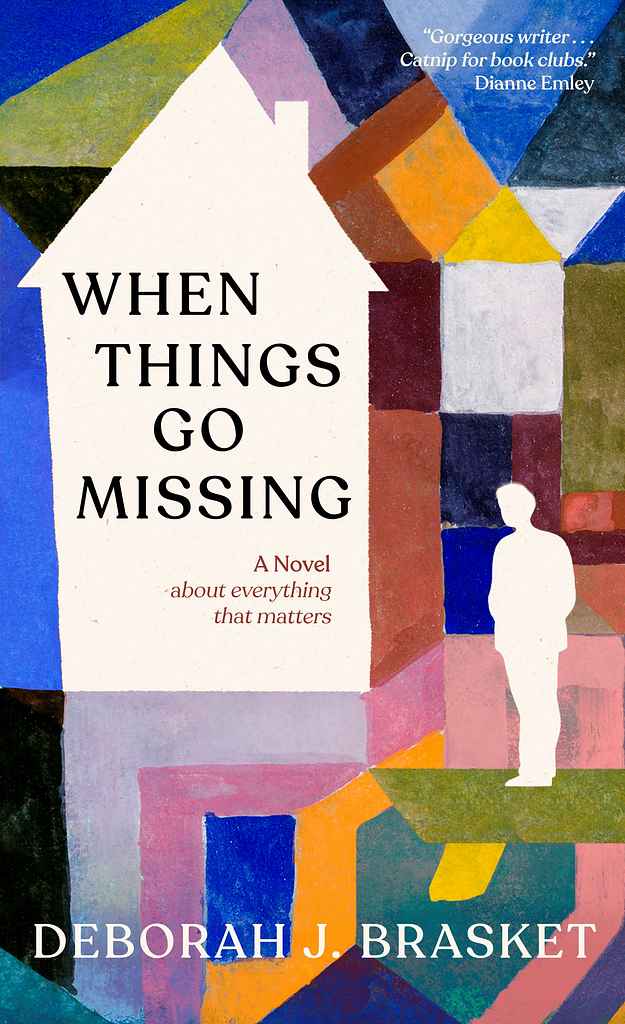
Graphic/abstract: geometric or collage-influenced compositions, experimental layout, high visual contrast — more common in upmarket and translated literary fiction
How much does a literary fiction book cover cost?
Literary fiction covers have a median cost of $750 on Reedsy, with averages around $830. The work is primarily conceptual and typographic rather than illustrated. What you're paying for is a designer's ability to translate a manuscript's essence into one restrained image — that judgment and taste, more than technical complexity, is the real investment.
How do I find the right literary fiction cover designer?
Filter by genre on Reedsy Marketplace and browse literary fiction portfolios before sending a brief. This is the category where designer taste matters most — you're looking for restraint and conceptual thinking, not just technical skill. Strip your brief to one metaphor and one mood before you write it: a designer who understands the emotional register of your book will make better decisions than one working from a plot summary. Share two or three comp titles and let the portfolio do the qualifying.
Browse Reedsy's hand-picked community of literary fiction cover designers and request free quotes today.
Further readings: