












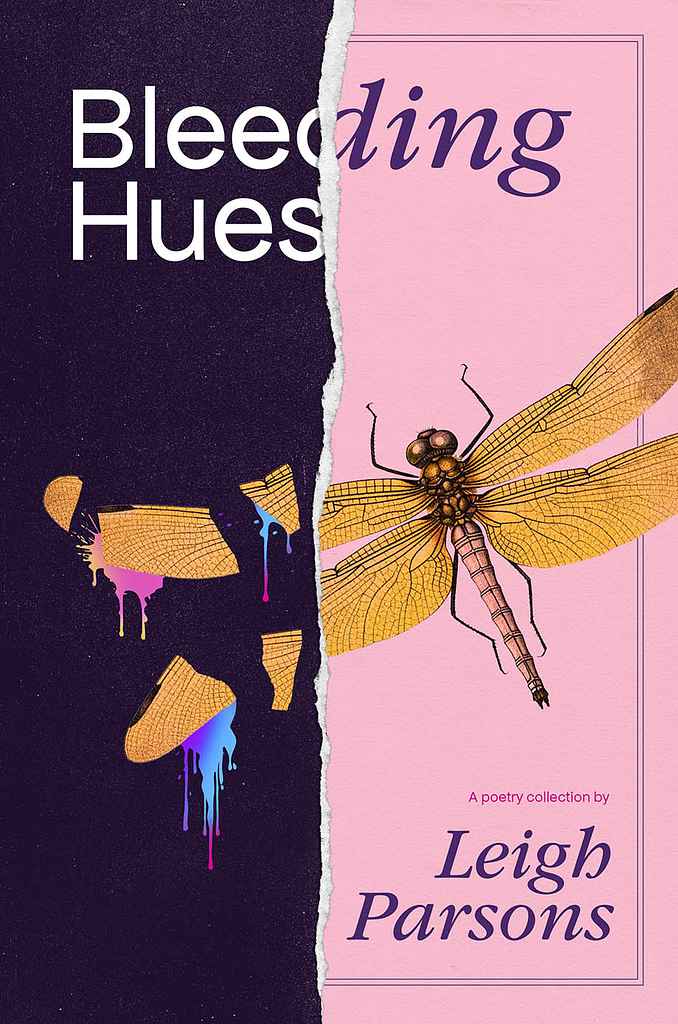
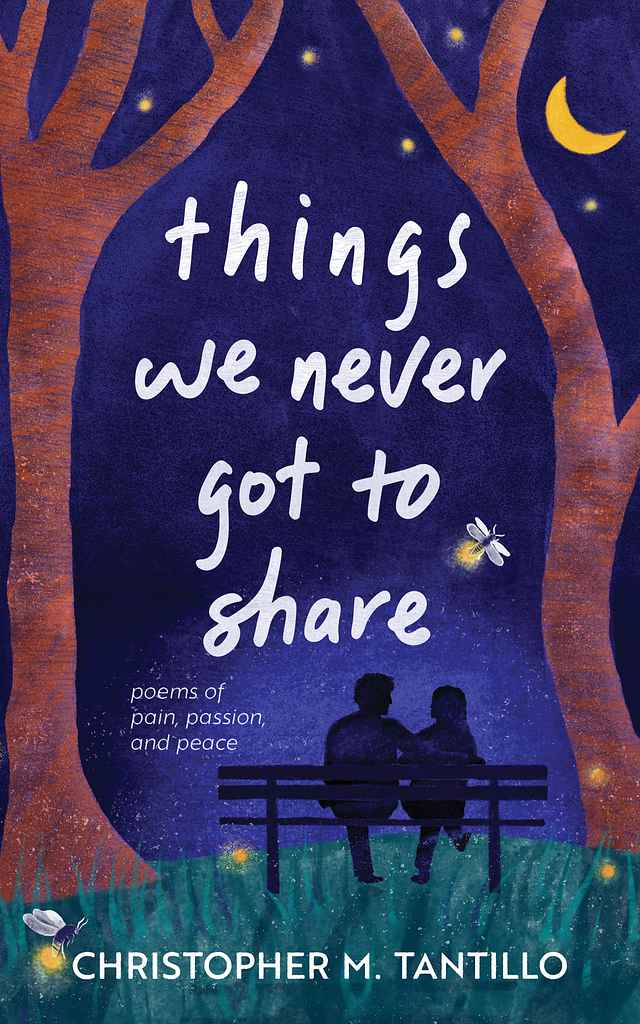
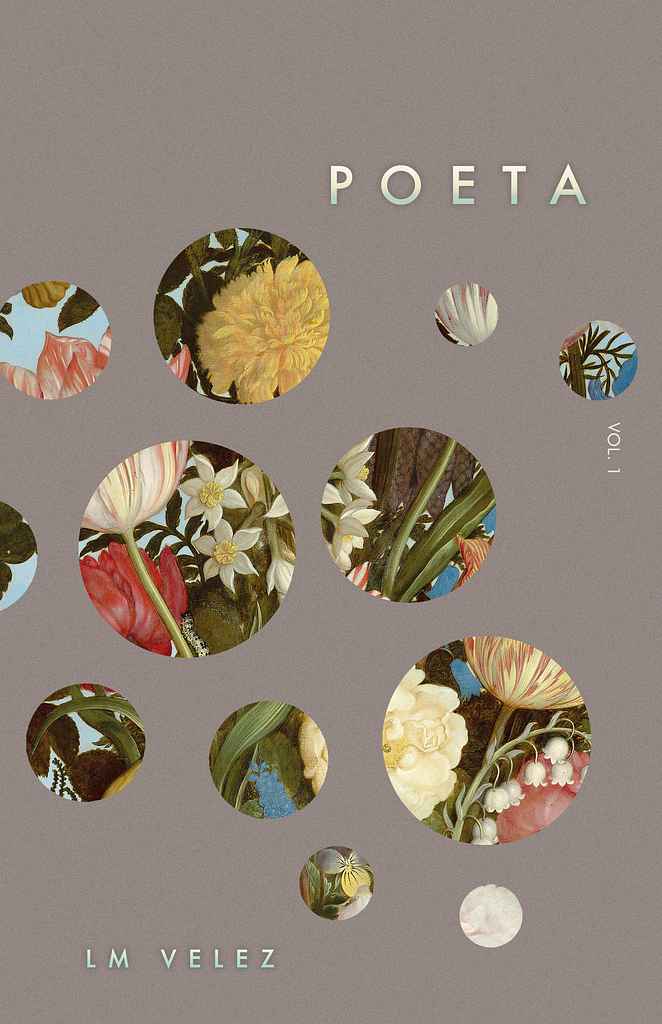
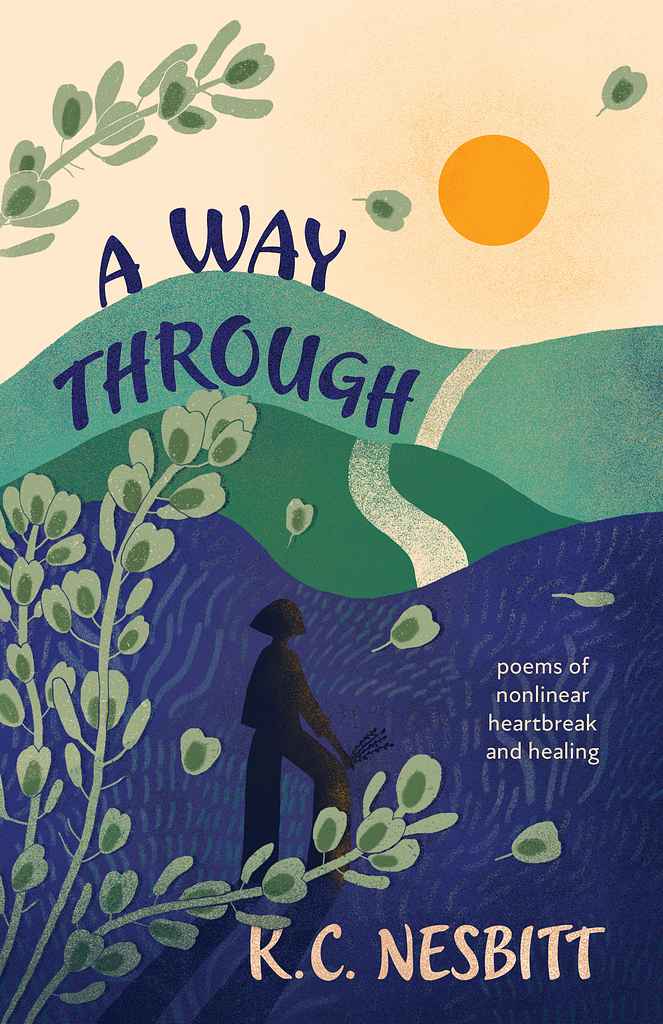
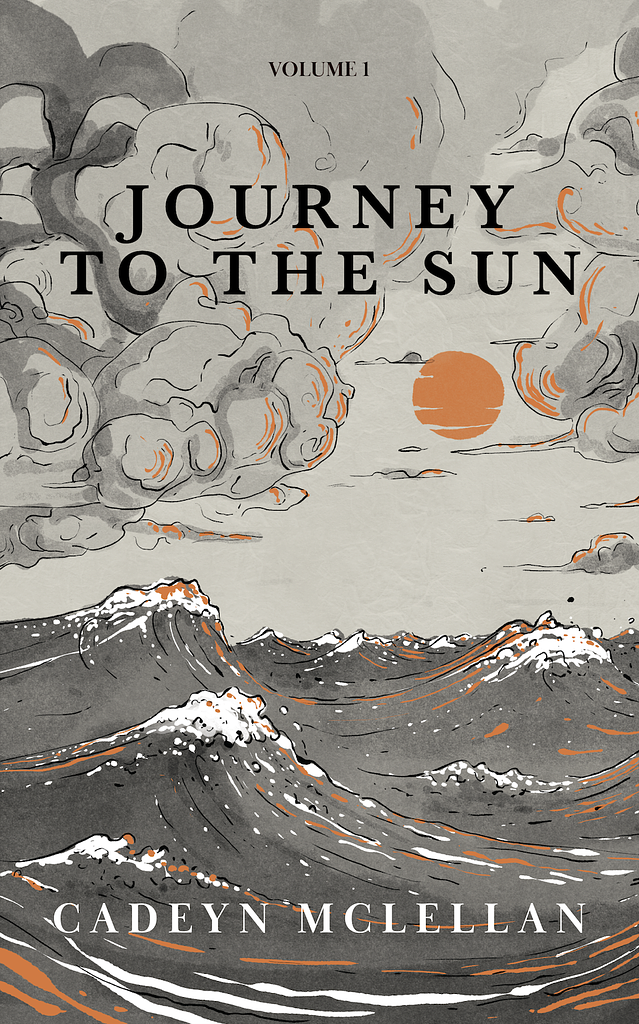

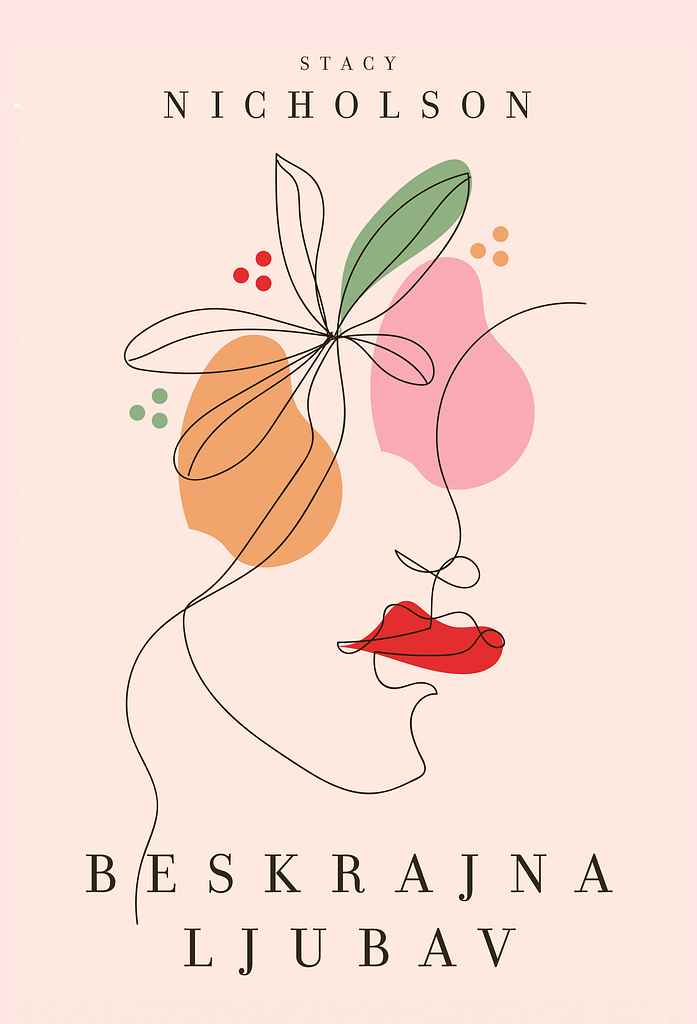


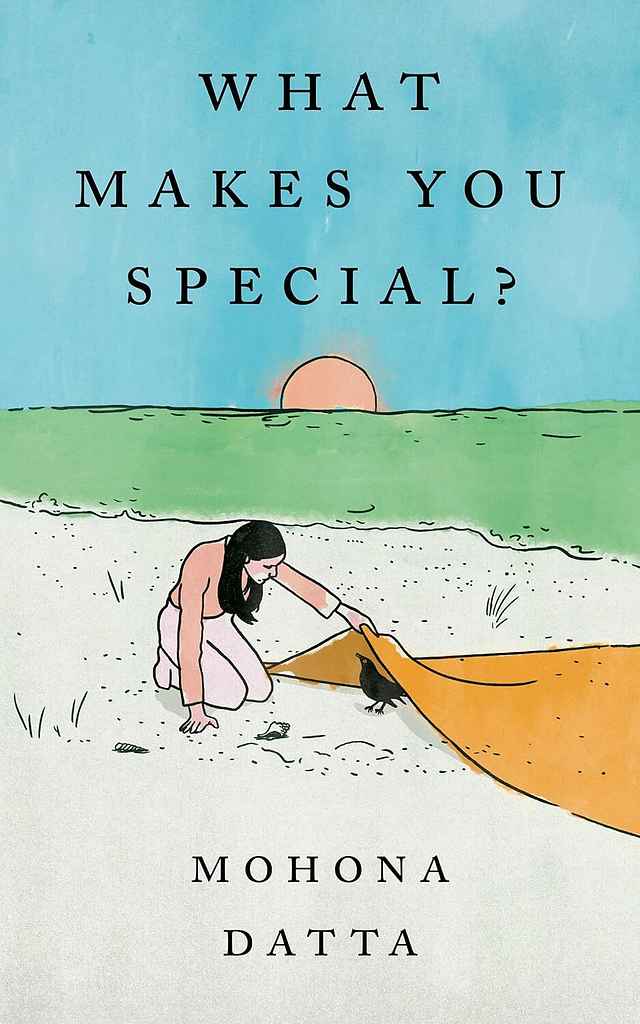
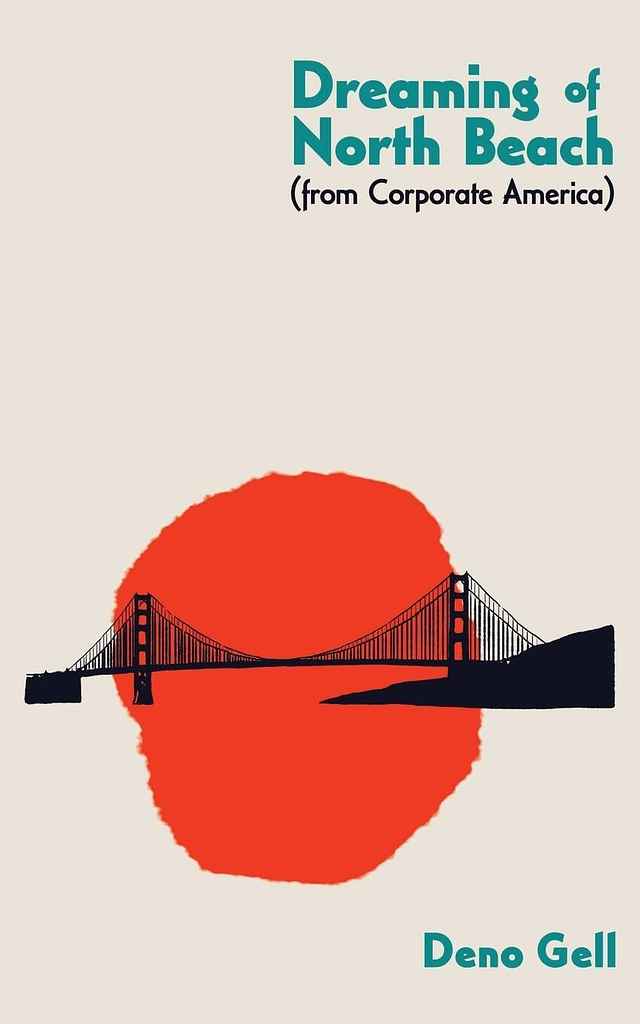


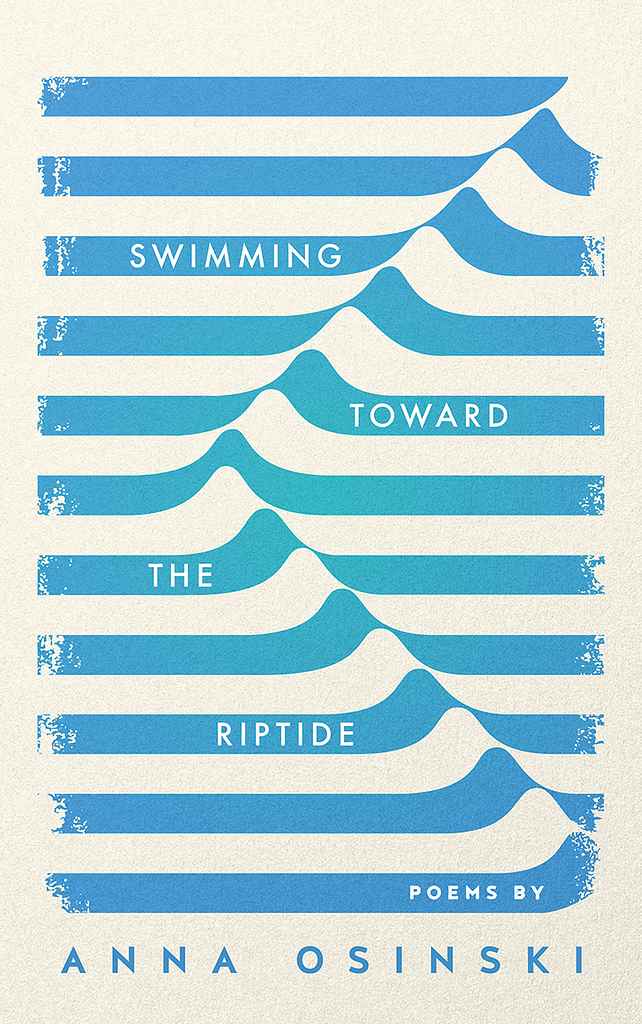

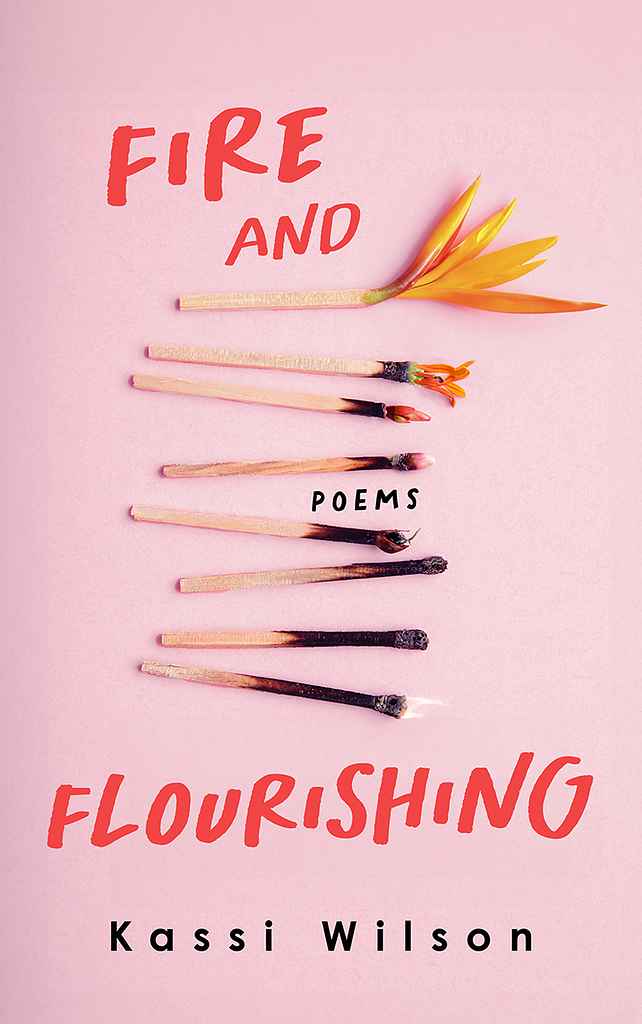


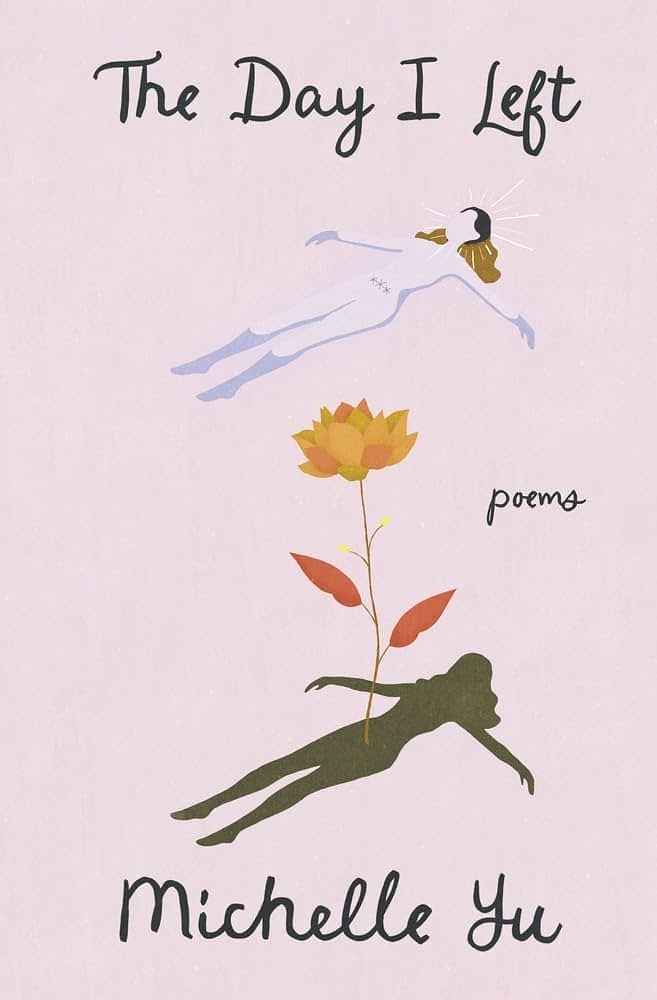
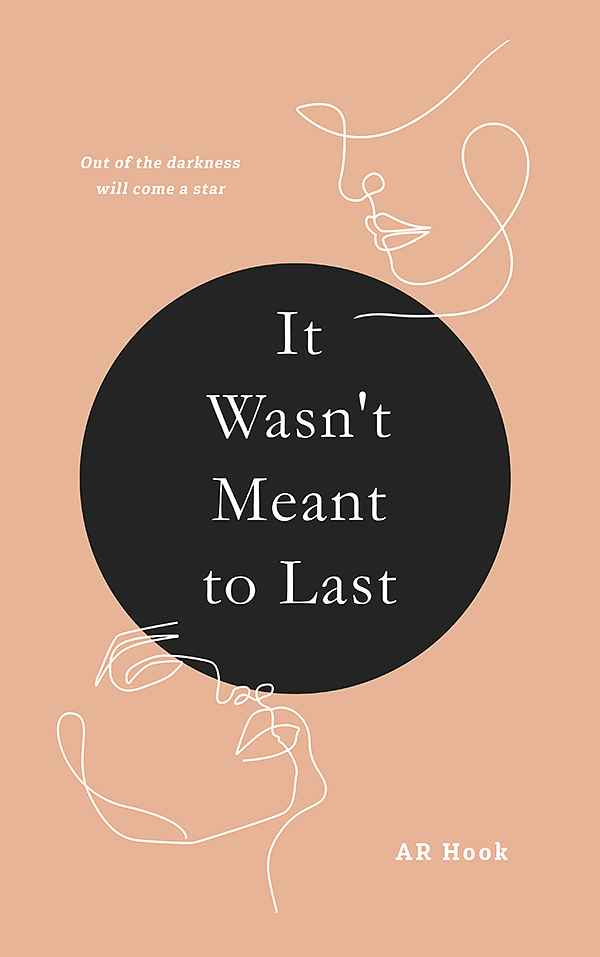
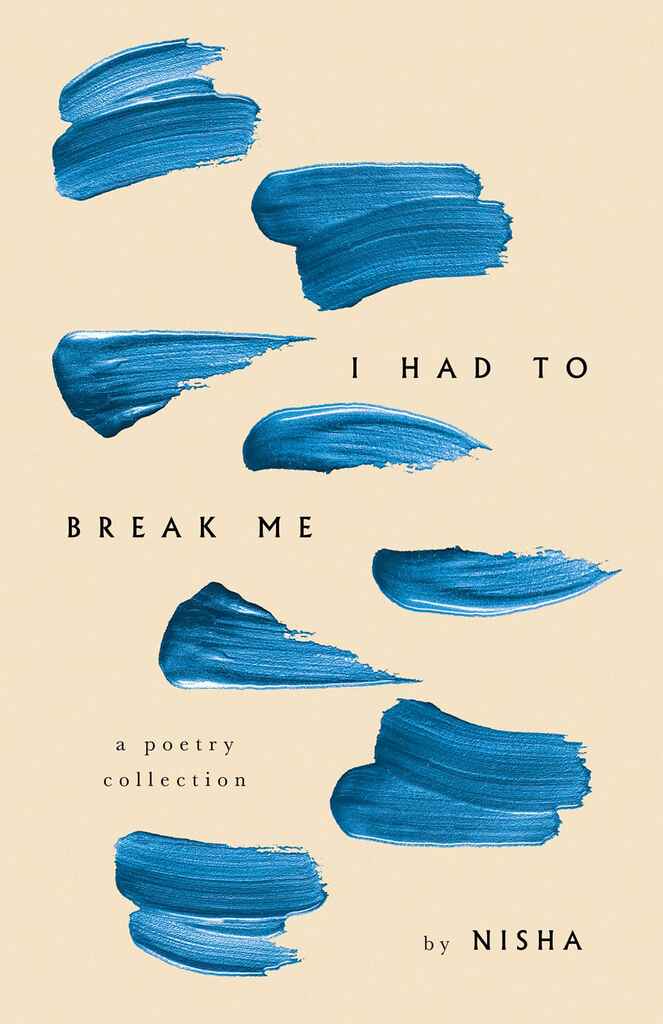
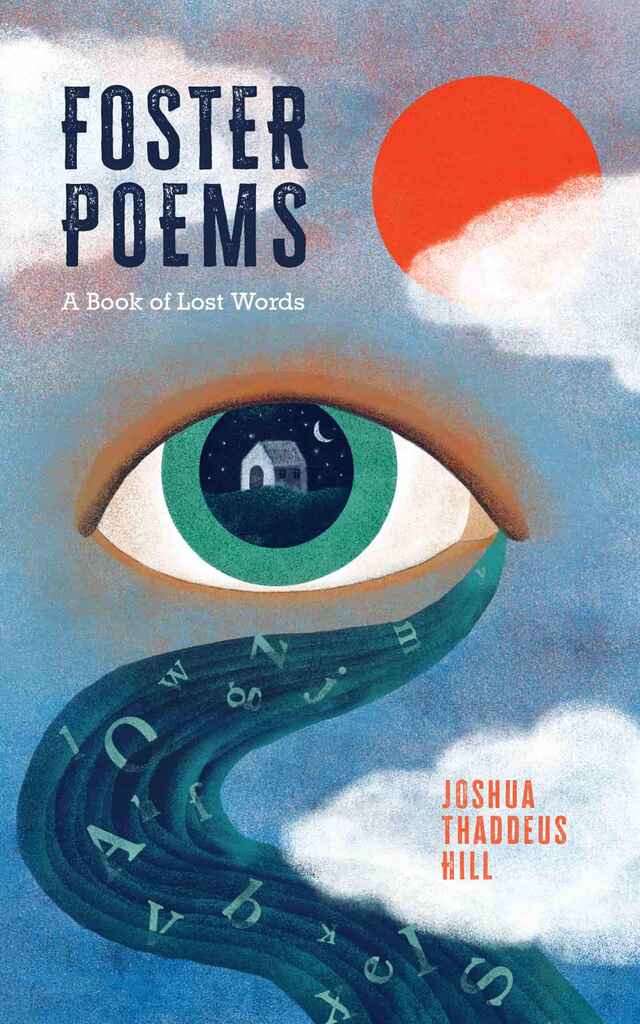
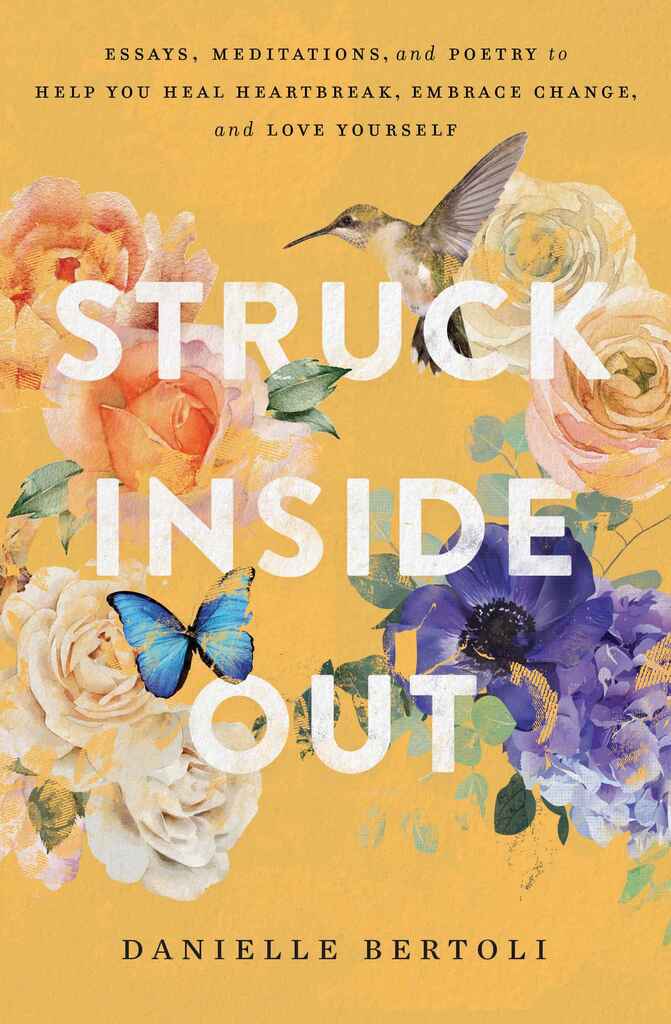




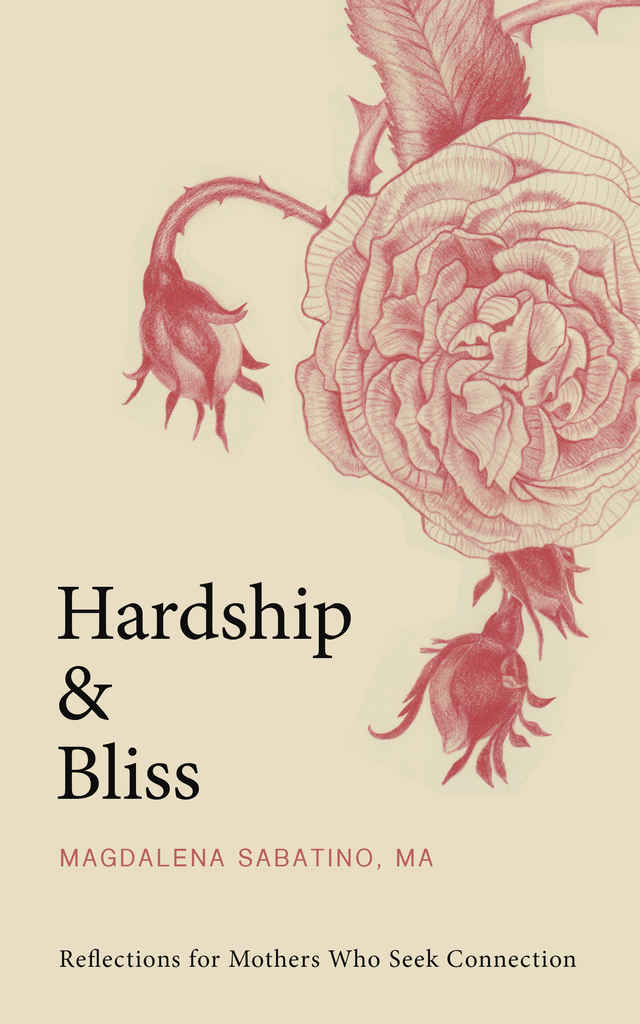



Poetry covers have more creative freedom than almost any other publishing category, which is exactly why they need such a clear emotional center. Whether the design uses a woman in nature surrounded by butterflies, a sumi-e snake on cream, or blue brushstrokes breaking through the title, the cover has to make the collection's voice visible before a single poem is read.
What makes a great poetry cover?
A great poetry cover works through atmosphere more than summary. There is rarely a plot to illustrate, so the design has to translate mood, rhythm, and sensibility into a single visual gesture: a delicate line drawing, a loose painted landscape, a collage of botanical fragments, or one strong abstract mark.
The best examples feel intentional rather than decorative. In this gallery, soft green and gold suggest warmth, rough blue wave bands build emotional pressure, a black circle and white line faces create intensity, and a glowing figure against a saturated gradient signals interior transformation. Typography matters just as much: titles can be tiny and spacious, hand-drawn and vulnerable, or large enough to become part of the artwork.
What are the most common poetry cover tropes?
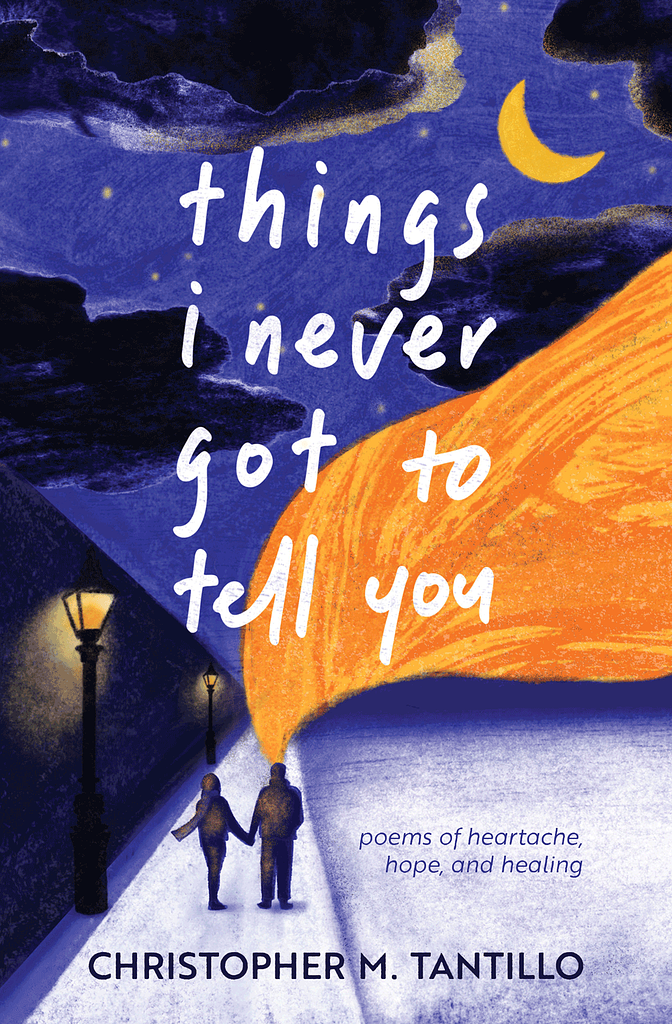
- Illustrated/figurative: A drawn or painted figure, landscape, or small narrative scene — a woman looking upward, a seated figure on a beach, or two people under a moonlit sky. These covers feel personal and intimate.
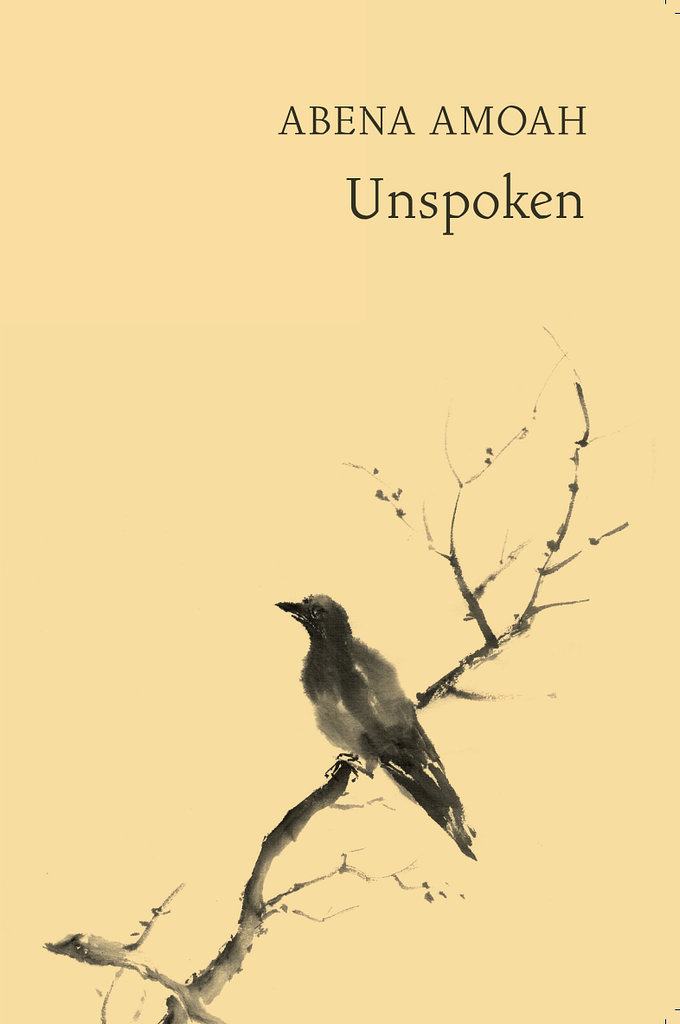
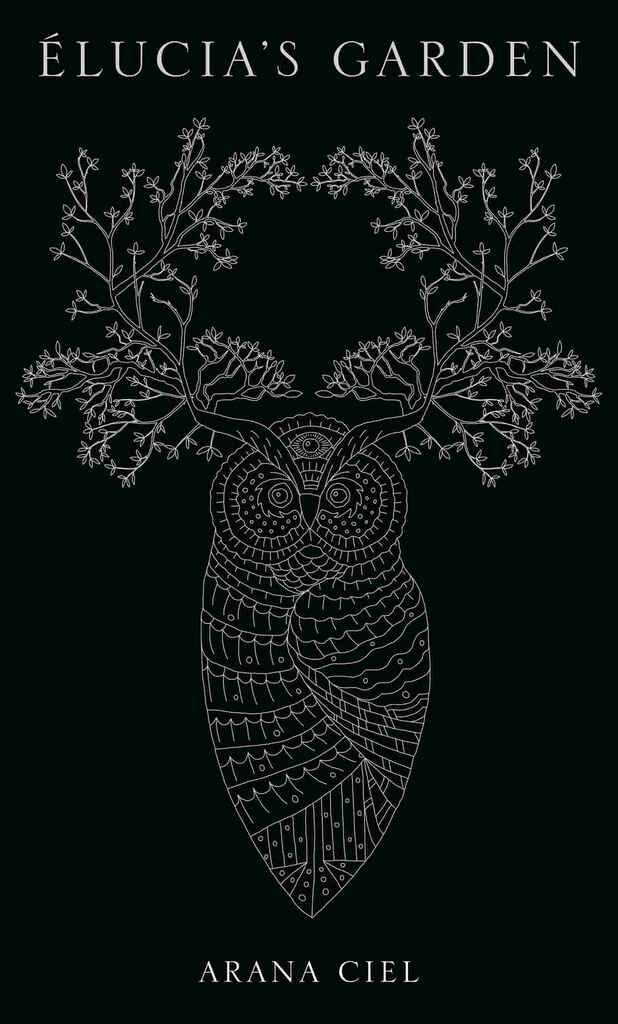
- Line art and ink: A face, animal, flower, or abstract form rendered in a few controlled strokes, from an ink snake on a plain background to a face made from fine botanical outlines.
- Abstract mark-making: Brushstrokes, washes, textures, torn paper, or repeated shapes that suggest feeling without depicting it literally.
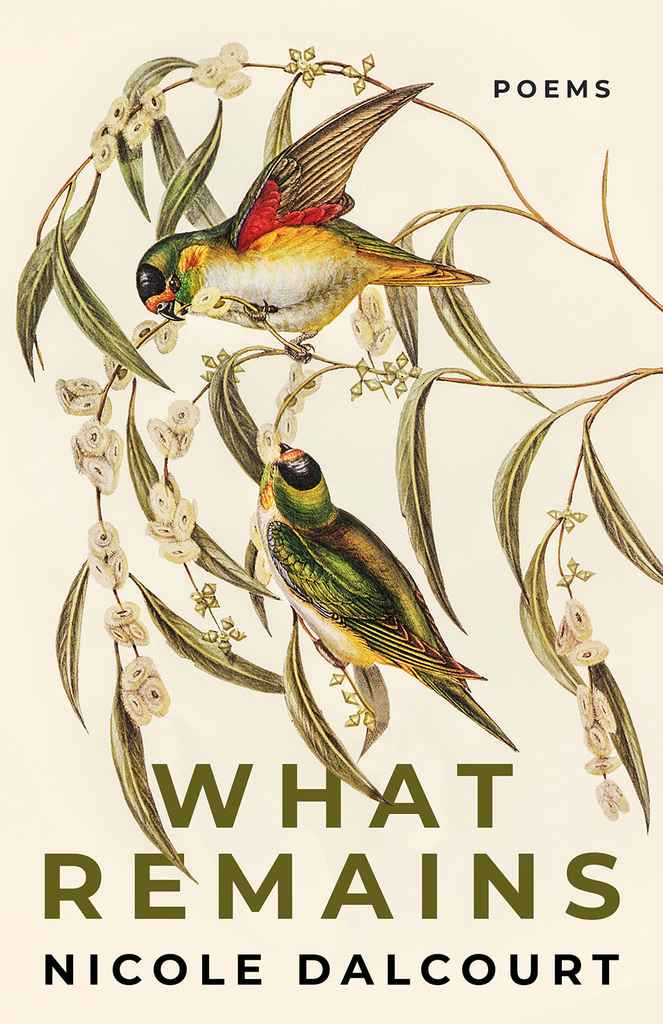
- Nature and celestial imagery: Suns, moons, flowers, mountains, butterflies, birds, and waves give emotional states a recognizable visual language.
- Bold graphic/typographic: Strong color, geometric composition, or type integrated directly into the image gives the collection a sharper conceptual edge.
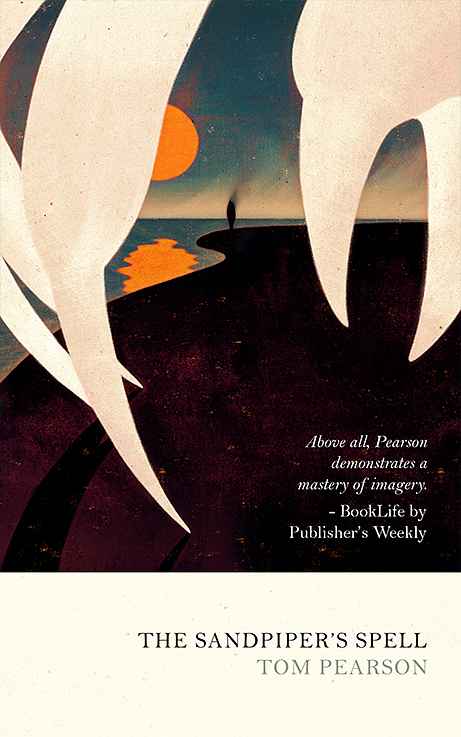
- Dark or confessional: Muted palettes, collage, shadowed figures, and one fragile detail signal grief, memory, rupture, or interior struggle.
How much does a poetry cover cost?
A poetry book cover has a median cost of $700 on Reedsy. Simpler typographic or abstract covers can stay efficient, but custom illustration, collage, hand-lettering, or a print wraparound will raise the quote. The main cost driver is conceptual fit: poetry covers look simple when they work, but getting the tone right is the hard part.
How do I find the right poetry cover designer?
Filter by genre on Reedsy Marketplace and look closely at how each designer handles mood, restraint, and typography. Lead with the feeling of the collection, and be clear about your visual register, e.g. warm figurative illustration vs. minimal abstract design.
Browse Reedsy's hand-picked community of poetry cover designers and request free quotes today.
More FAQs
Q: How do you translate an abstract emotional theme into a concrete cover image?
Suggested answer
Symbolism is at the core of my process, and it’s especially useful when working with abstract emotional themes. I work with authors to identify objects, images, or motifs that reflect the emotions or ideas in their book.
Alongside that, I do a lot of research and draw inspiration from different sources like poems, films, photography, and anything that can spark the right visual language for the specific project.
From a strong briefing, good research, and a focus on the power of symbolism, a clear creative direction gradually emerges, and the cover starts to take shape quite naturally.
Barış is available to hire on Reedsy