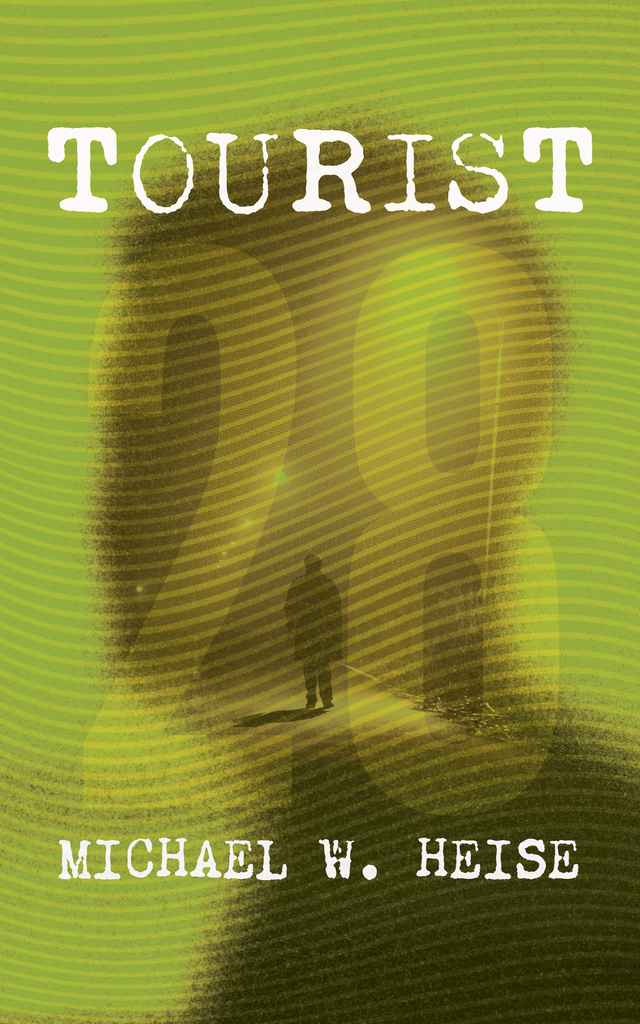

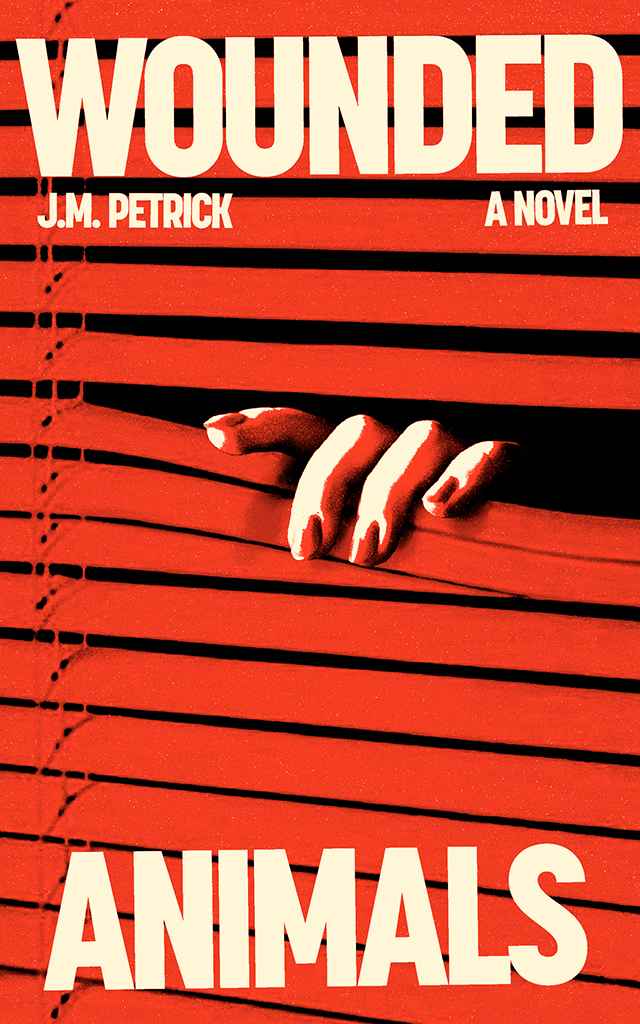

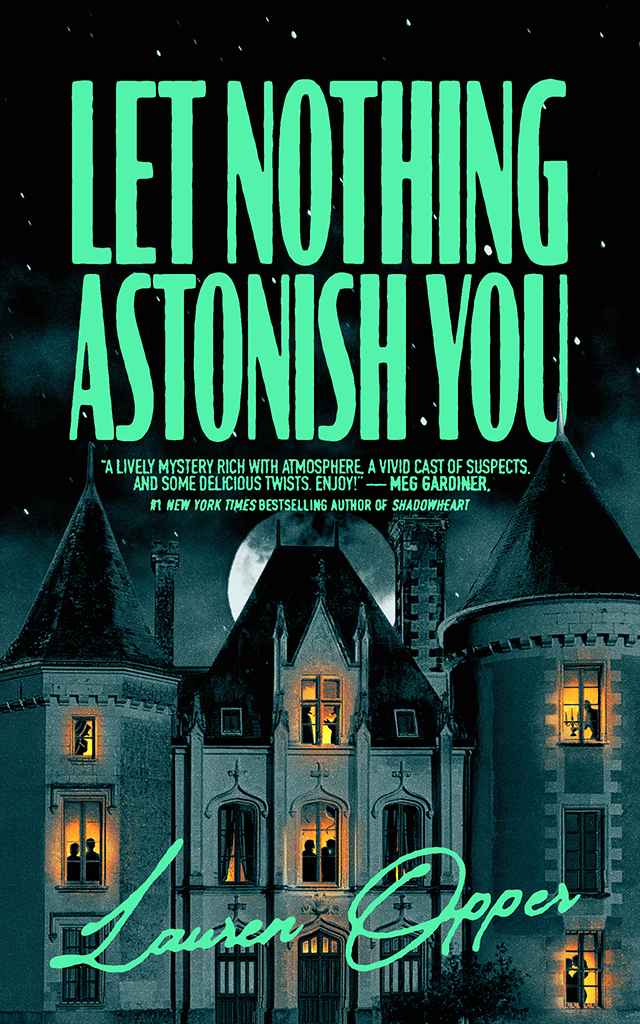
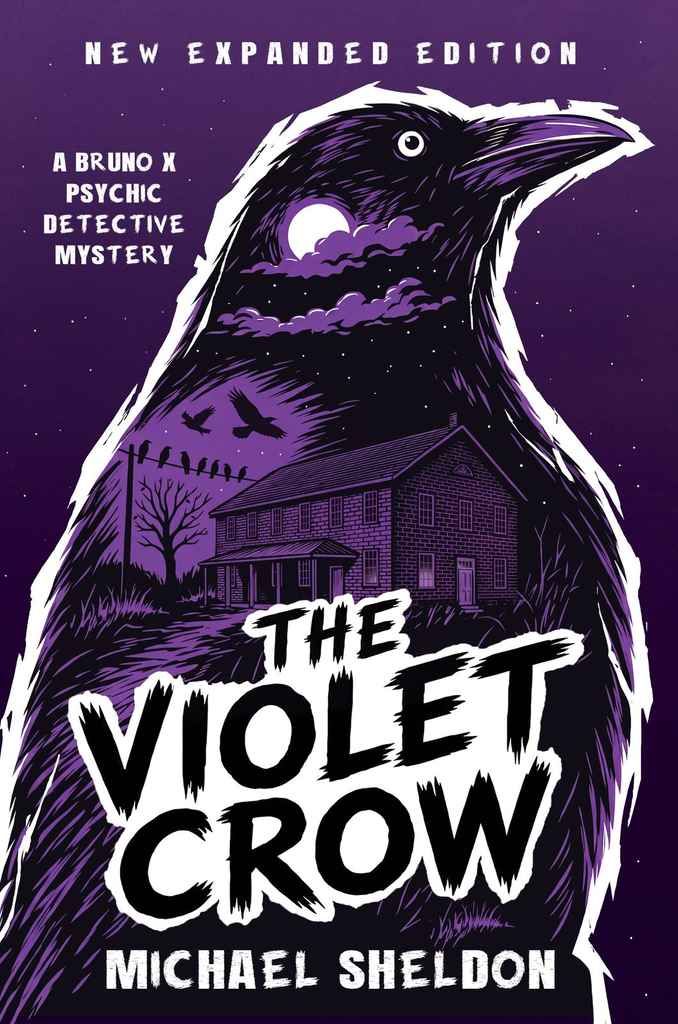

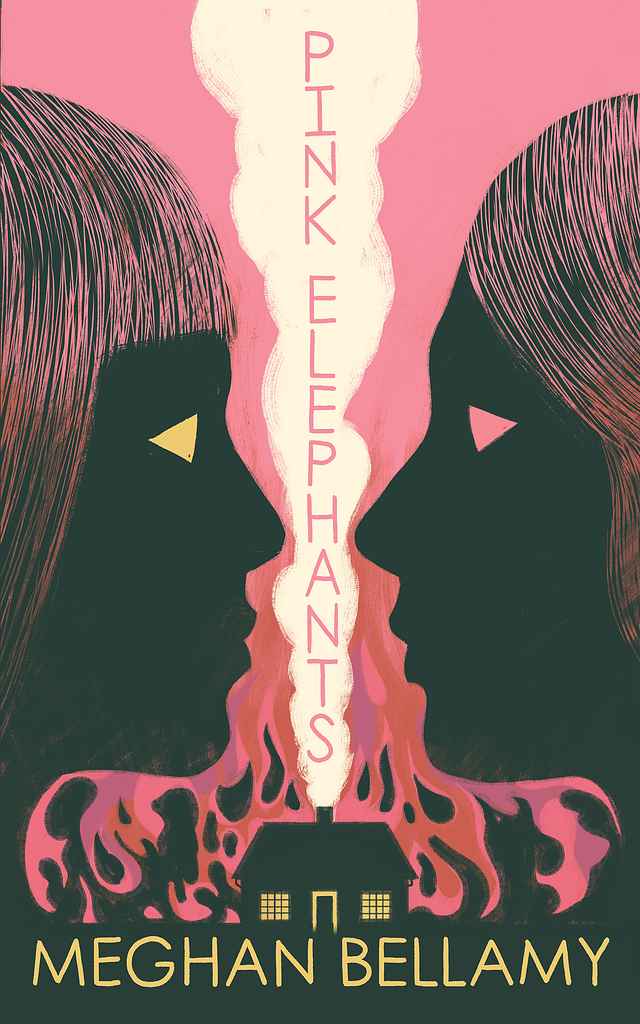

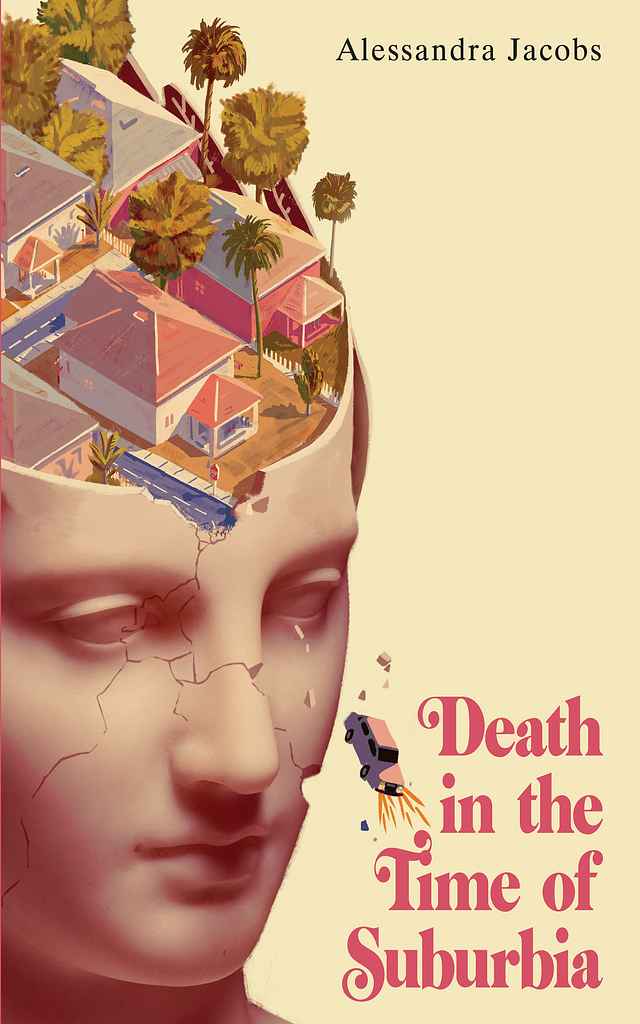
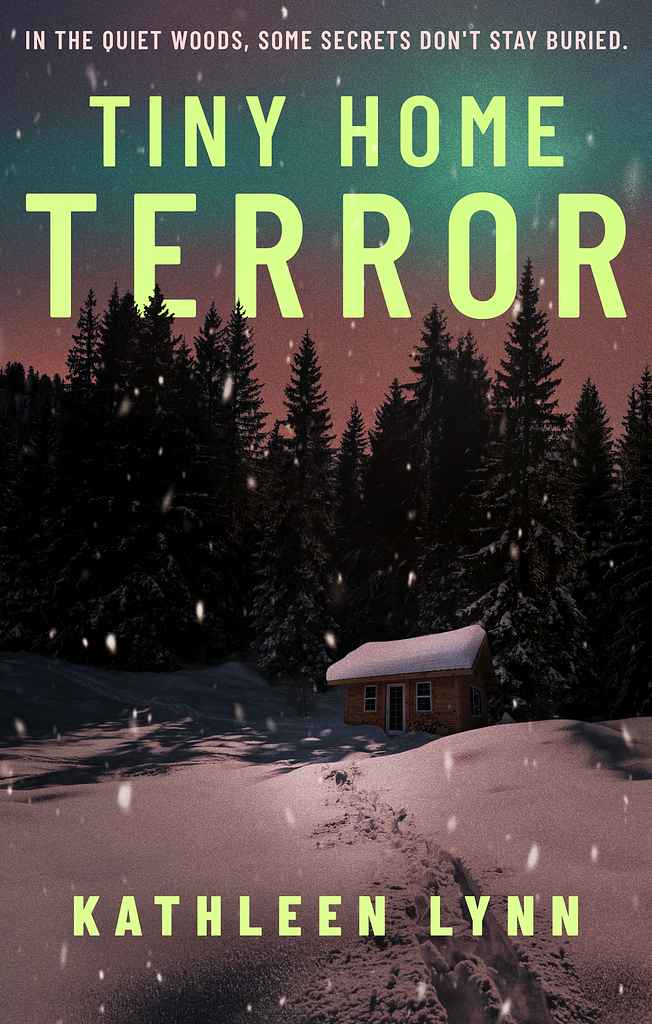



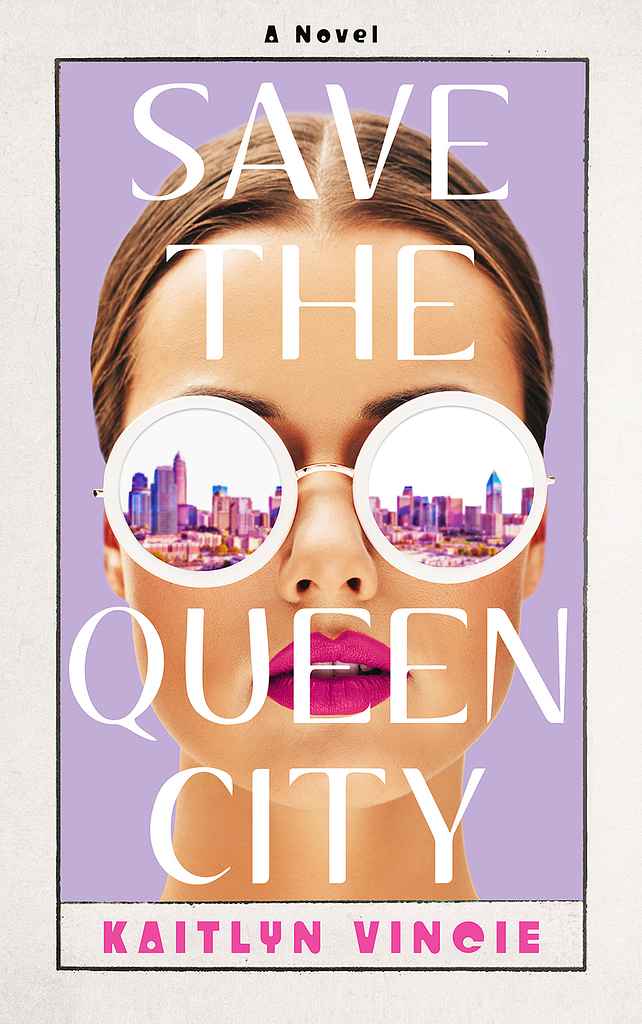
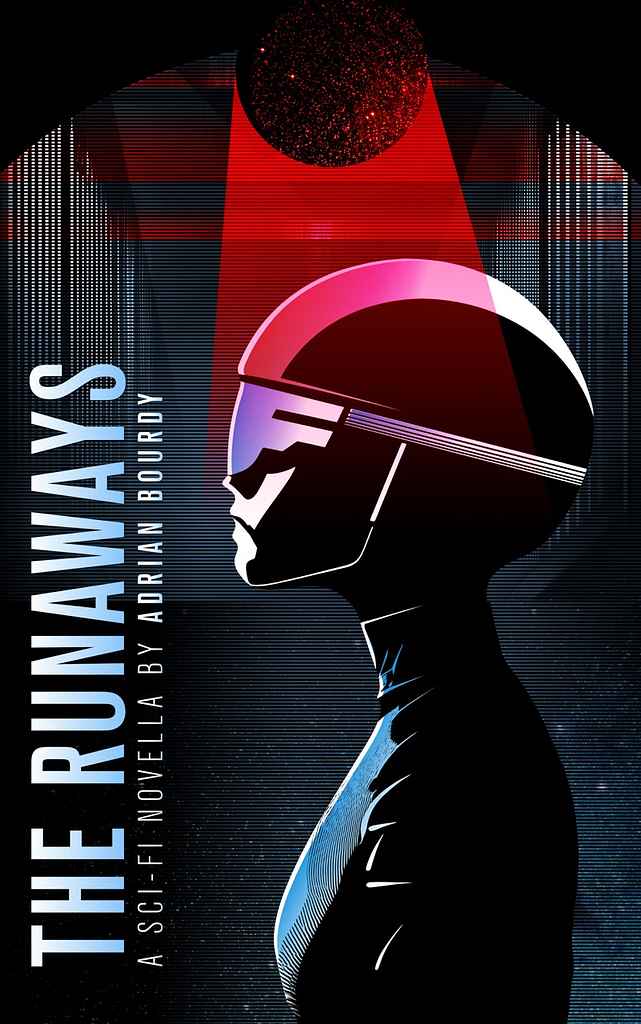

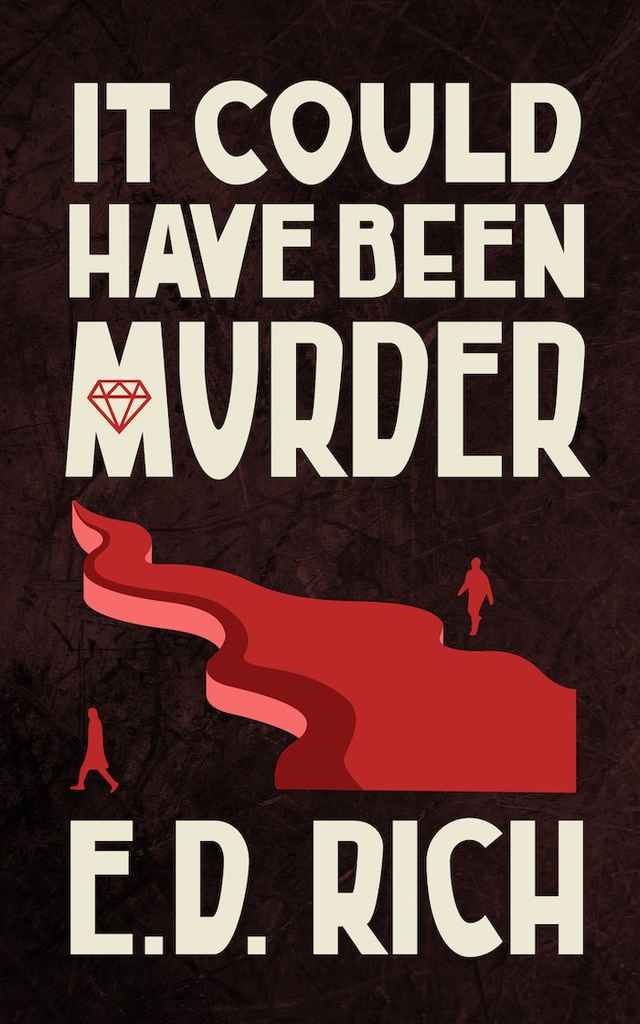

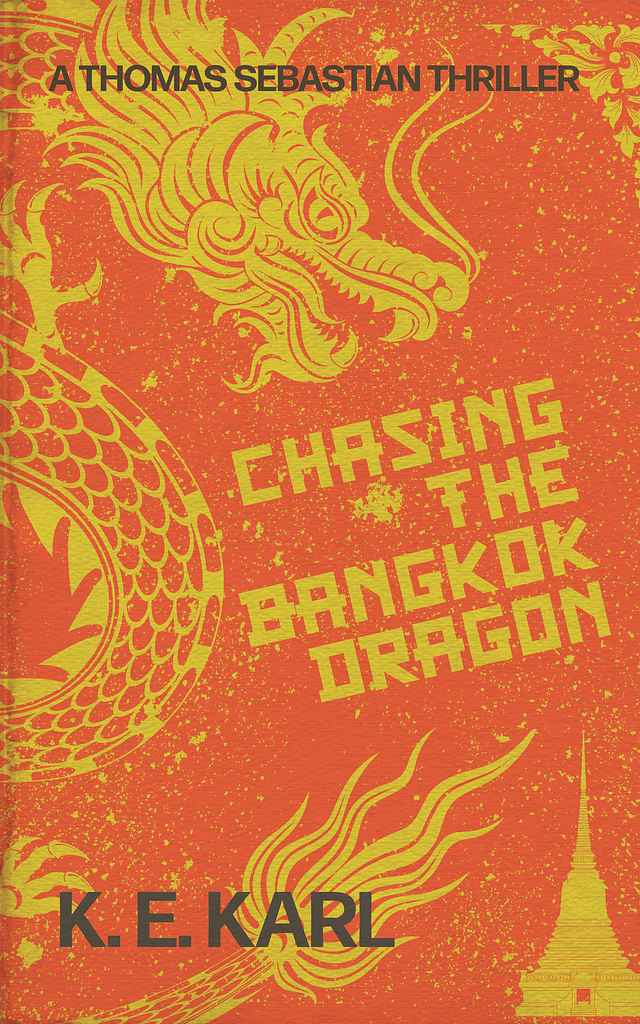









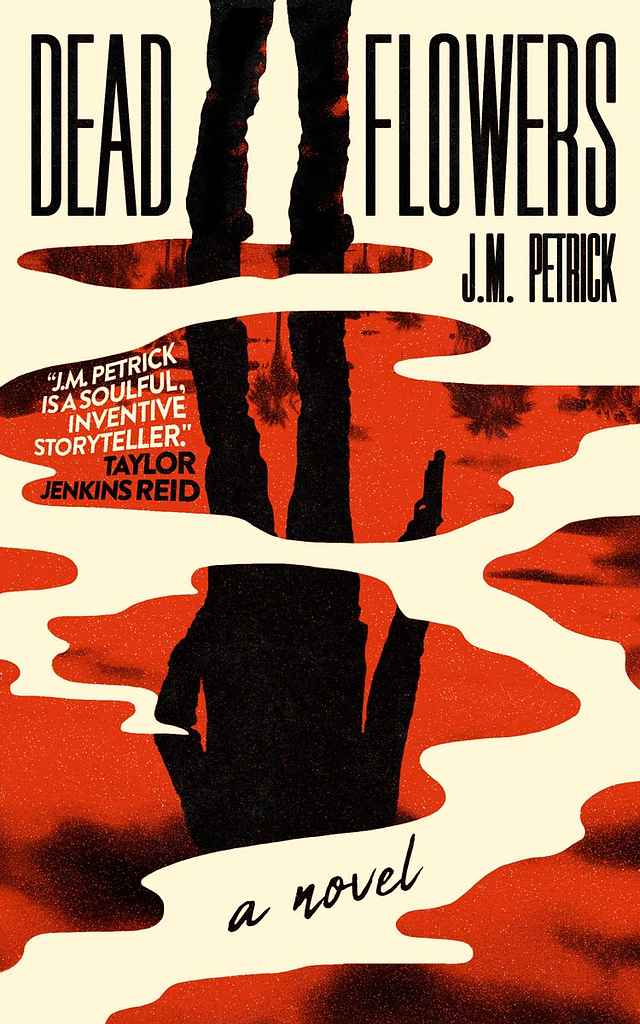
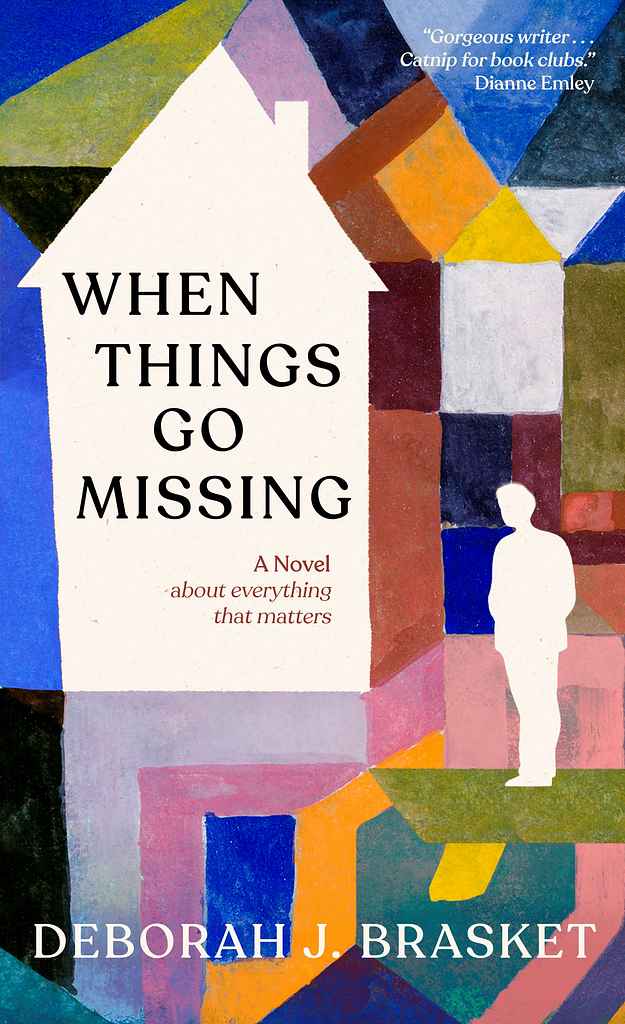

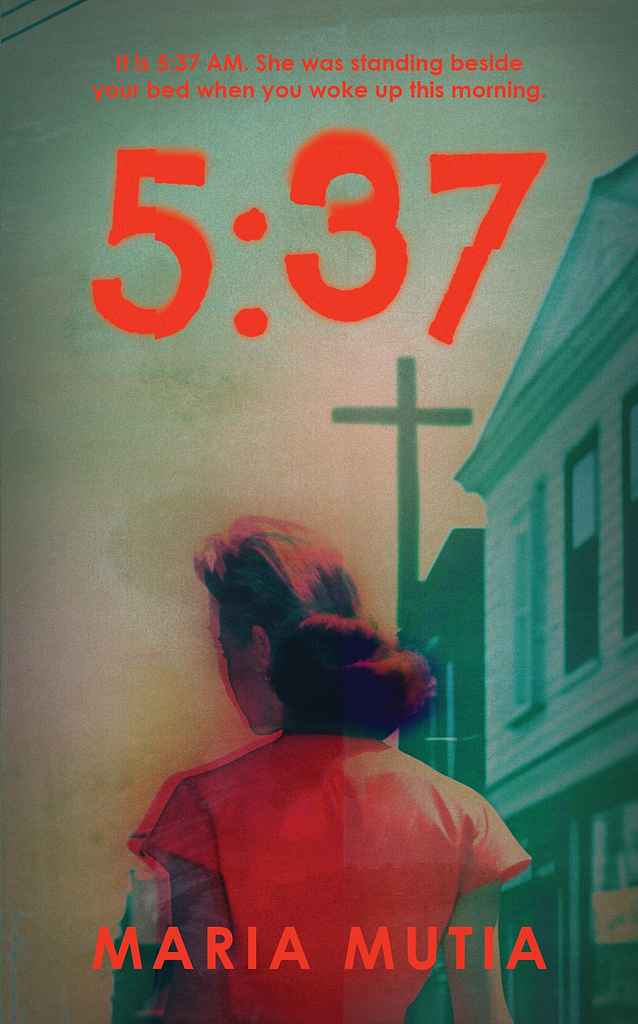

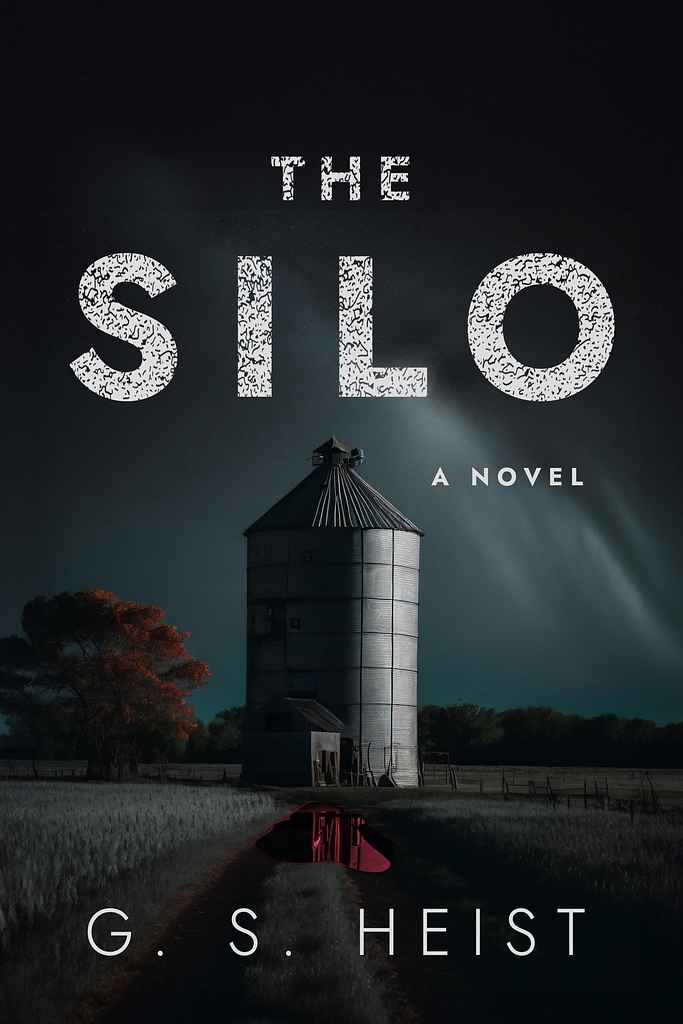







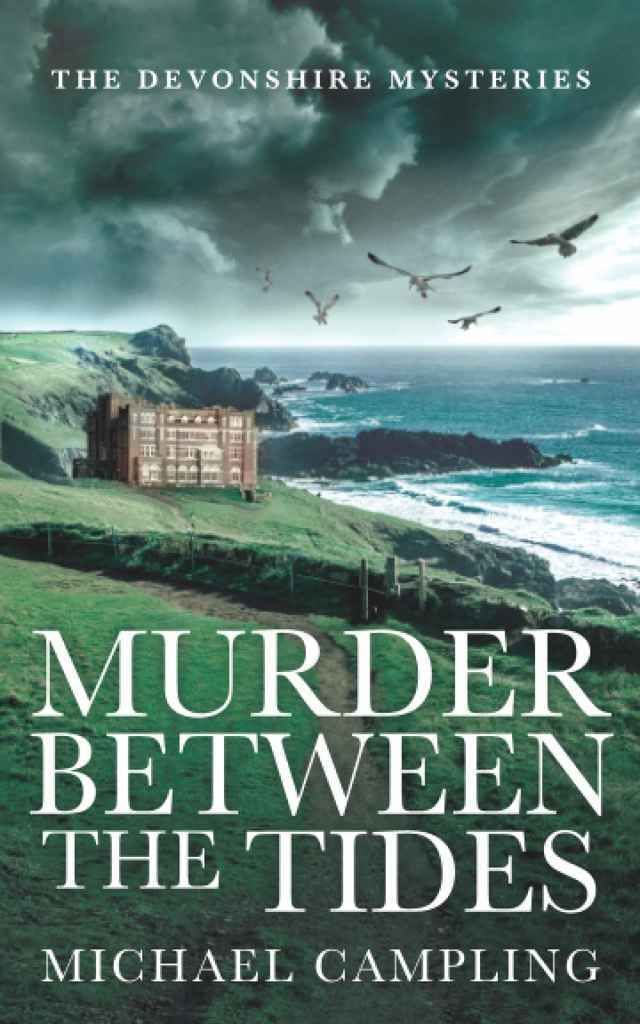

Mystery covers work the same way the genre does — through what they withhold. Whether you're writing a hard-boiled detective story or a charming cozy whodunit, your cover needs to promise readers a puzzle worth solving before they've read a word.
What makes a great mystery cover?
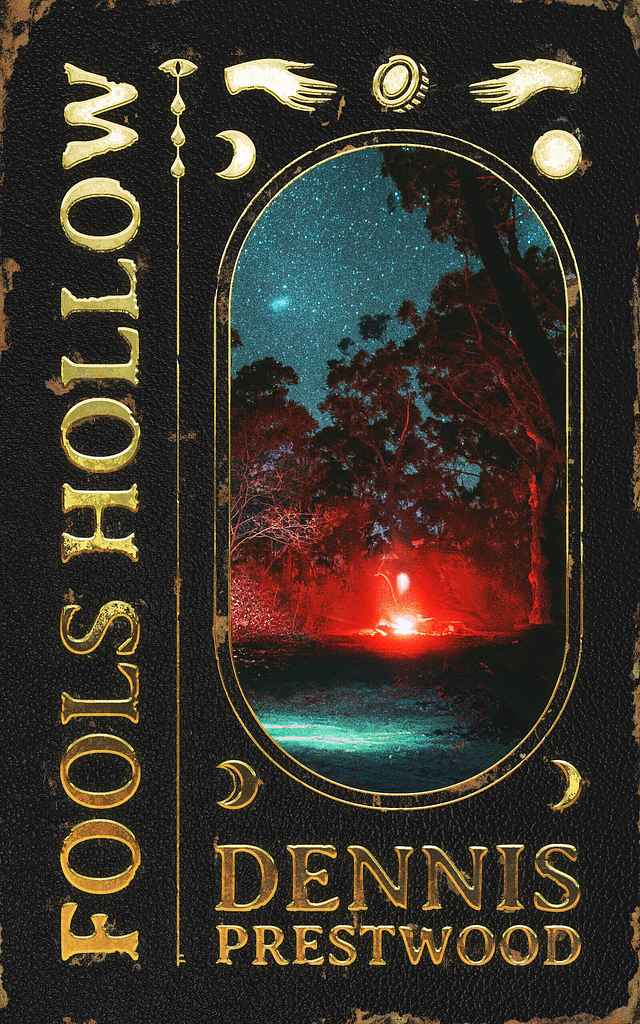
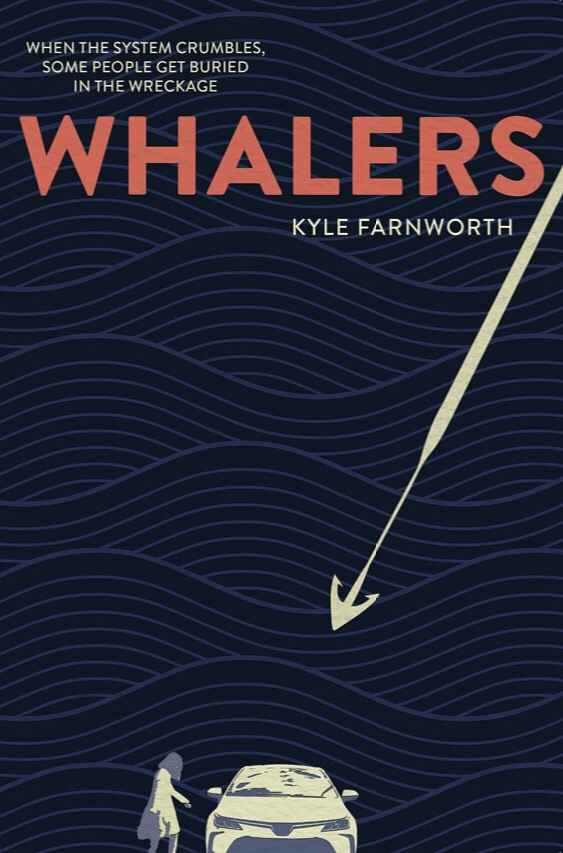
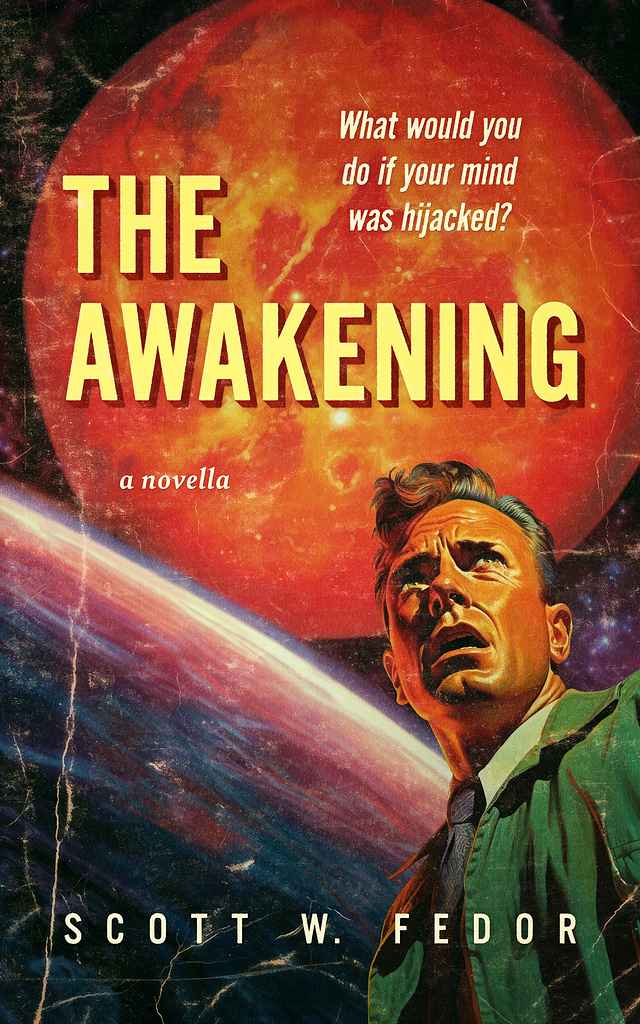
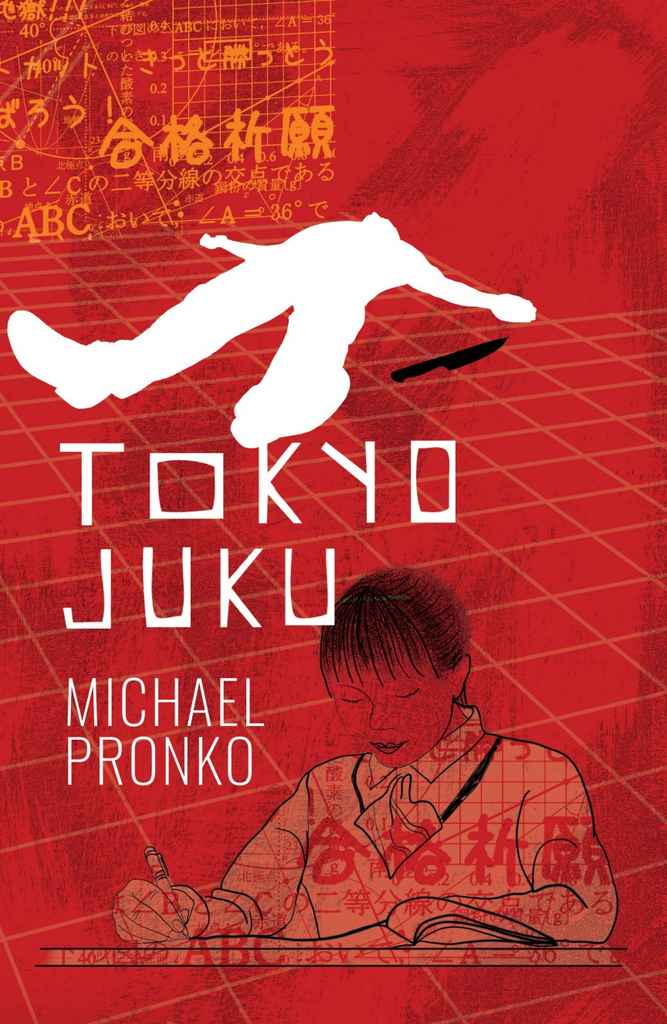
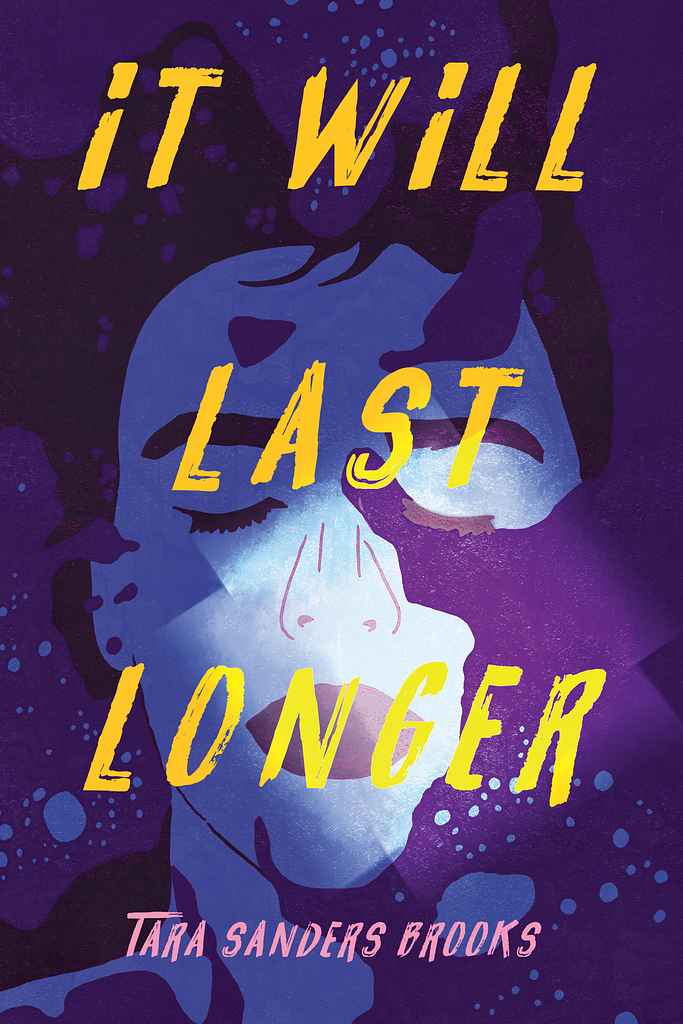
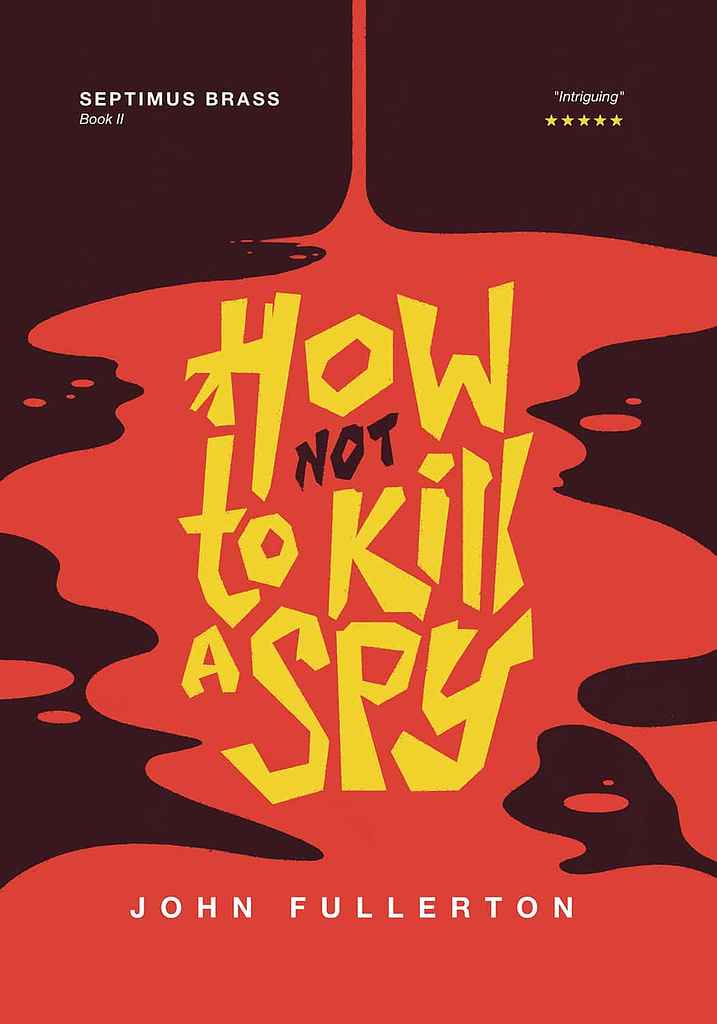
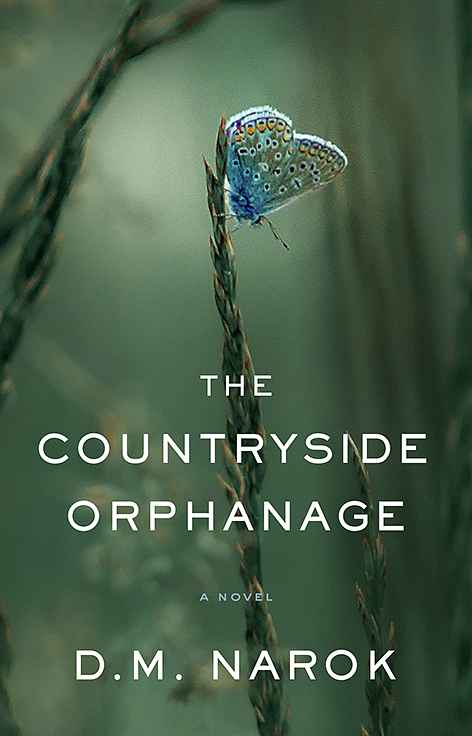
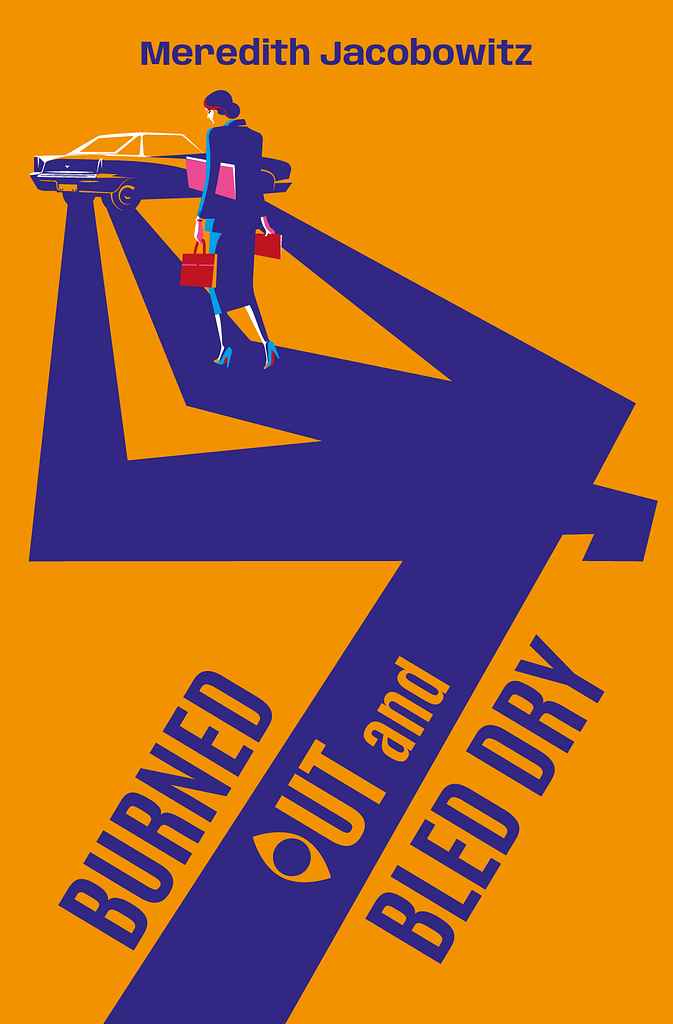
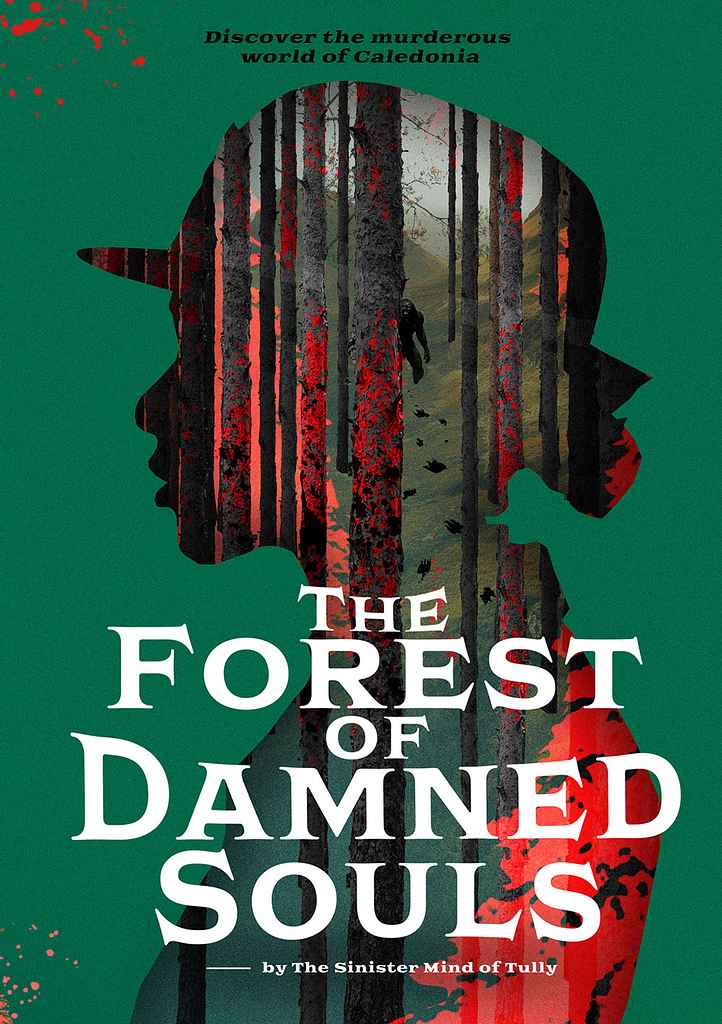
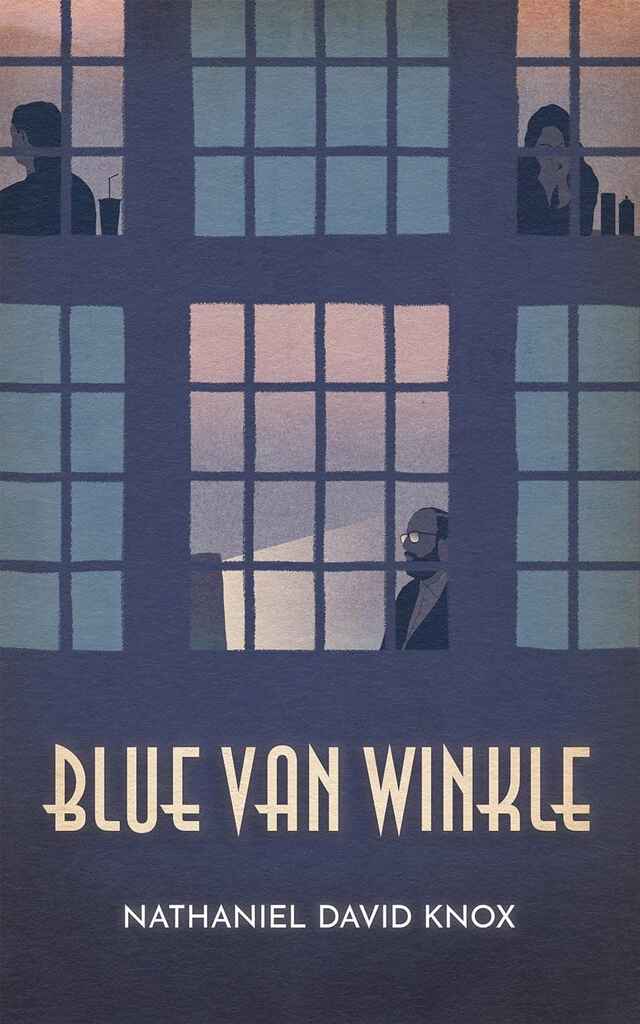
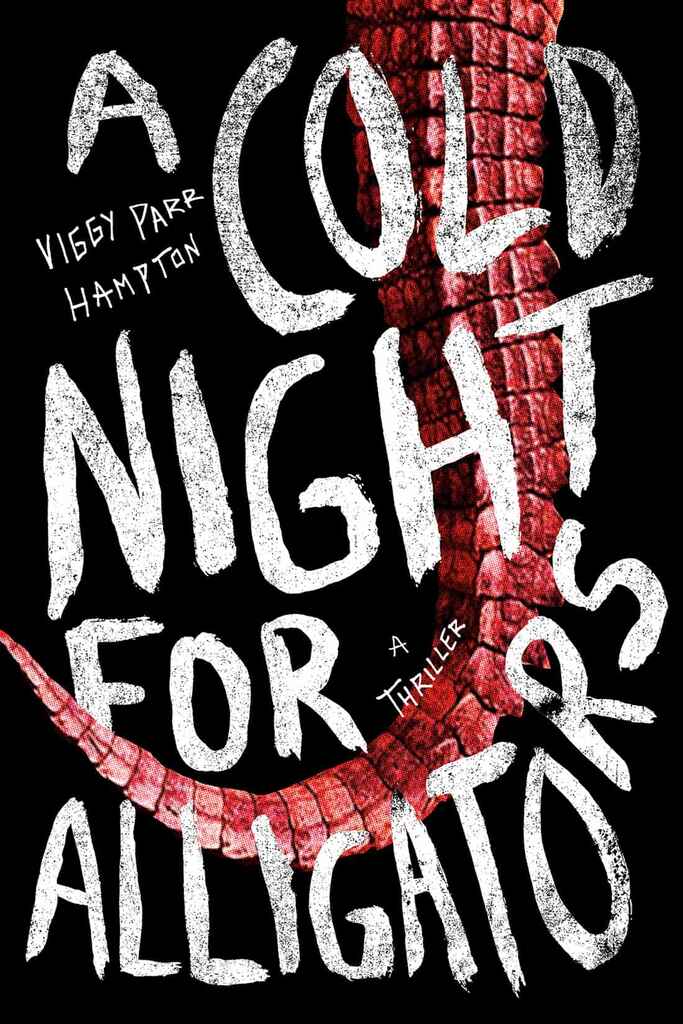
Great mystery covers occupy a space between thriller (loud, cinematic, urgent) and cozy (warm, illustrated, charming). The palette typically starts dark: navy, charcoal, or forest green, anchored by one contrasting accent — yellow, red, or teal.
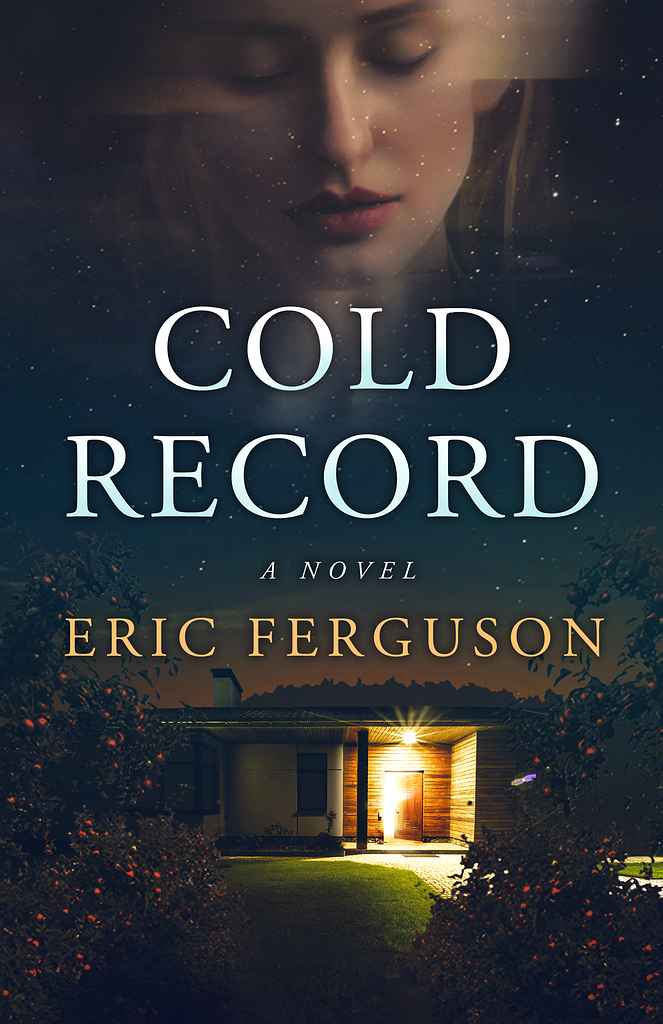
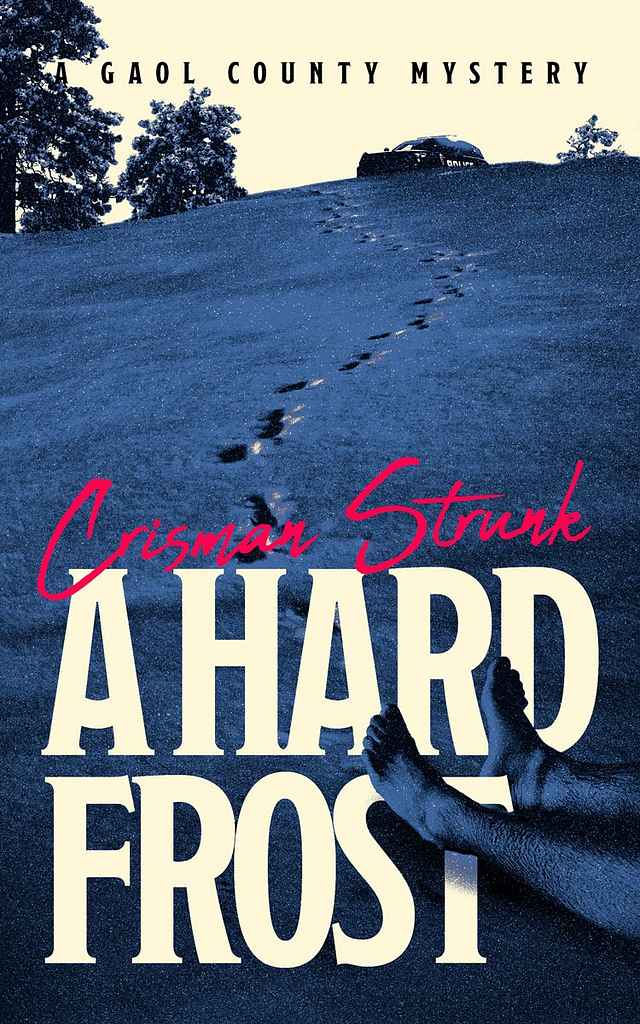
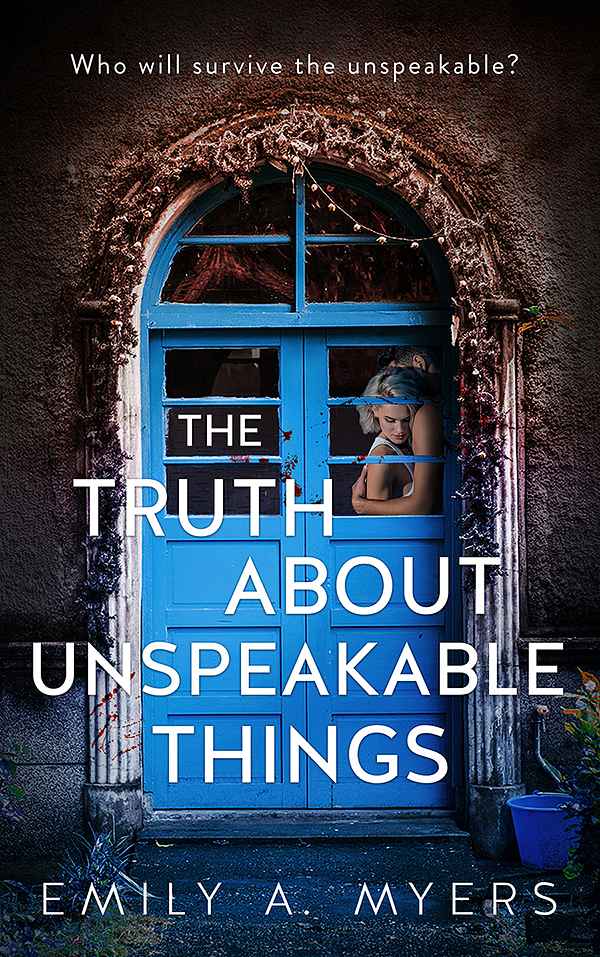
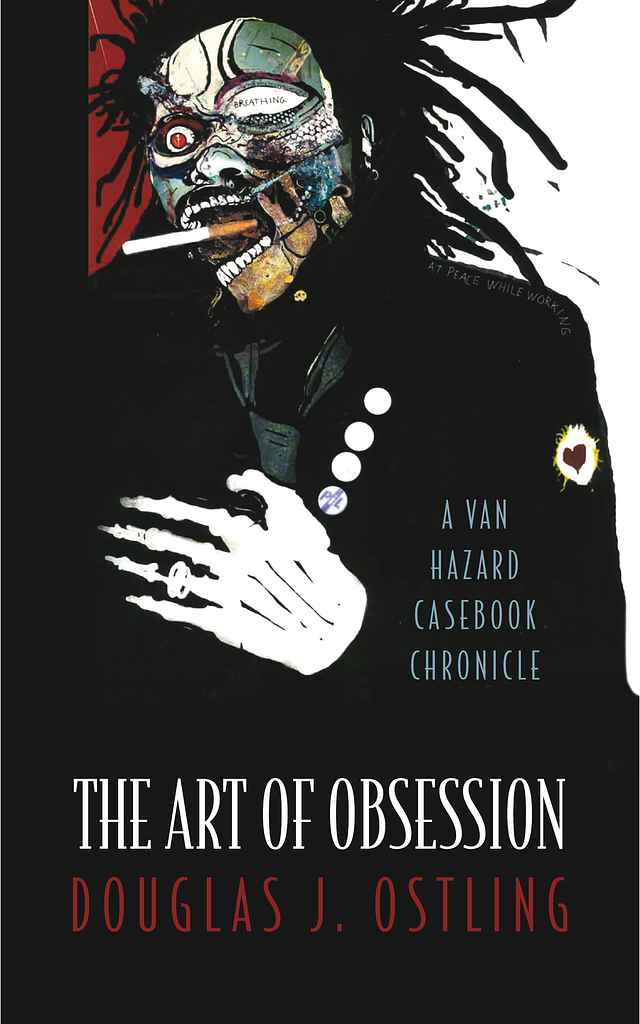
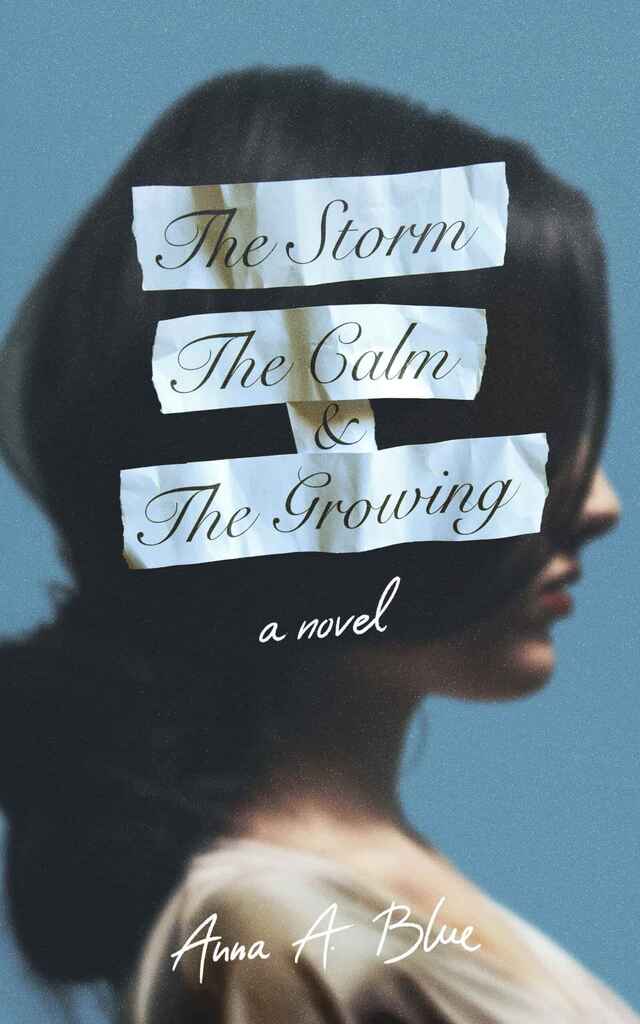
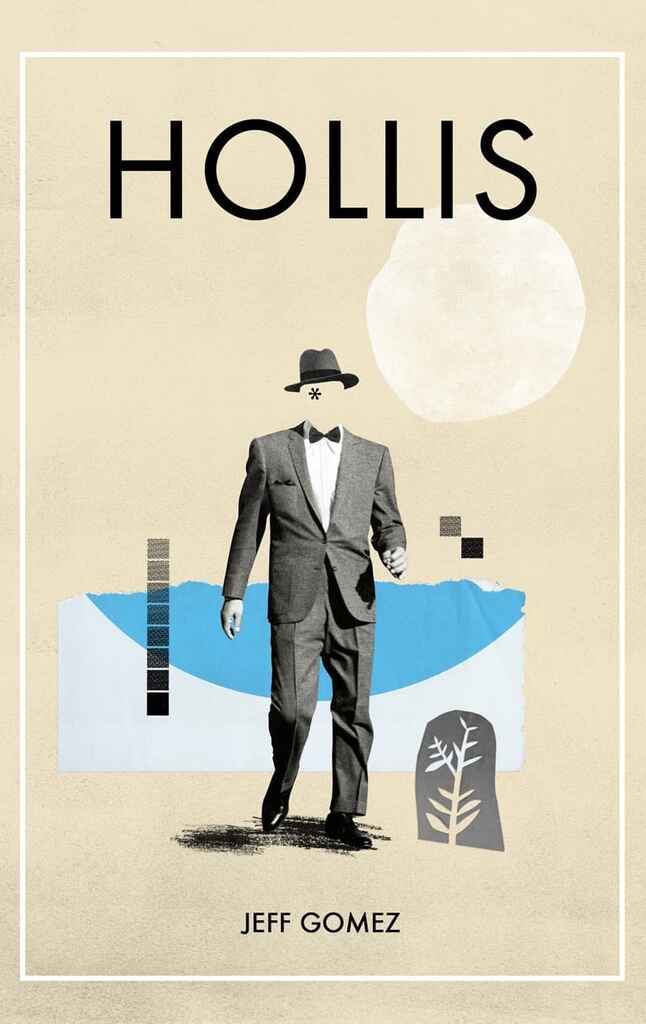
Typography leans on the title: bold sans-serif or clean serif, sized large. Where mystery covers really earn their keep is in implication: an obscured face, a doorway rather than what lies behind it, a single incriminating object pulled out of context.
What are the most common mystery cover tropes?
-
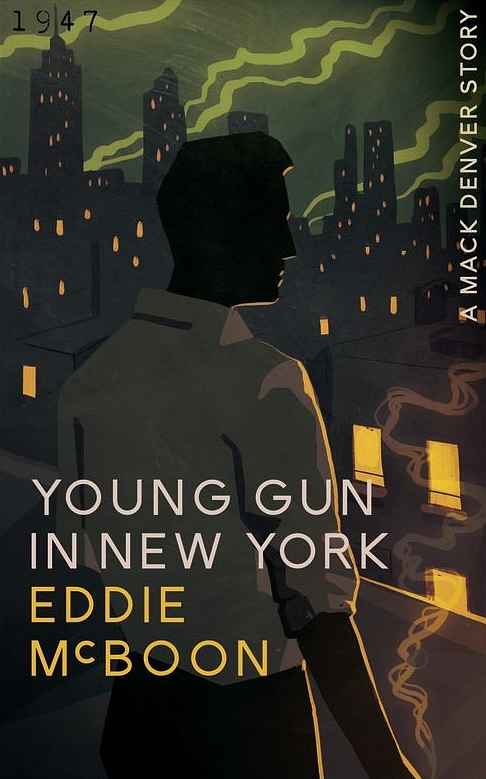
Traditional/detective mystery: a lone figure from behind, mood-lit palette, restrained serif title
-
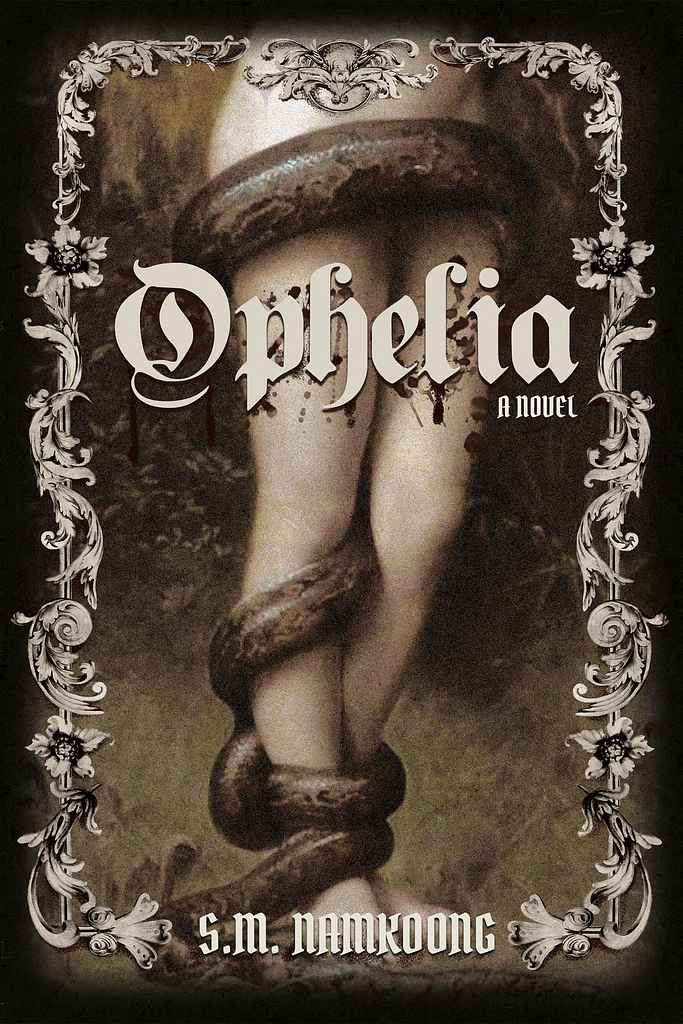
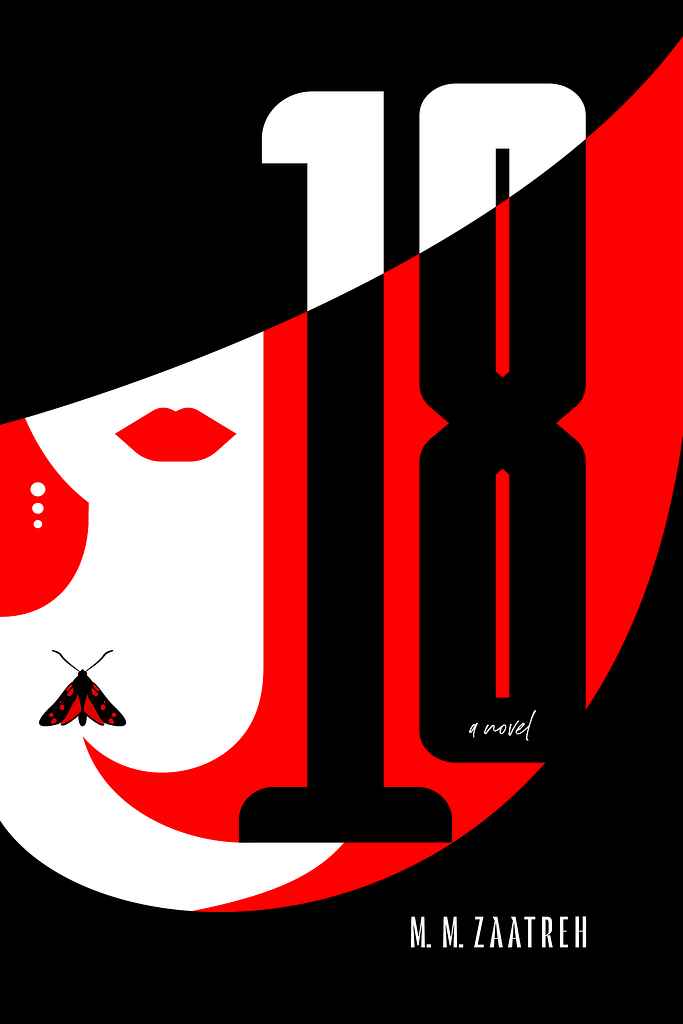
Psychological thriller: high-contrast black, white, and red; isolated setting (cabin, lighthouse, manor); often a woman with her face hidden
-
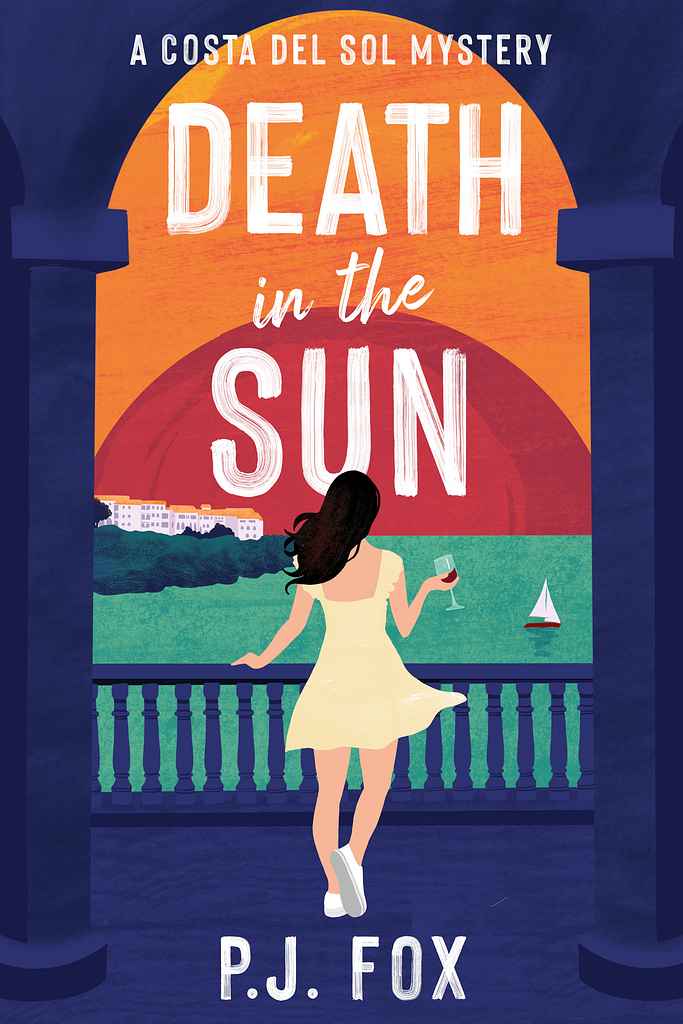
Cozy mystery: illustrated village or cottage, pastel-to-saturated palette, at least one charming animal, whimsical title
-
Historical mystery: period costume from behind, sepia or aged palette, serif italic title
-
Amateur sleuth: a hobby object (rolling pin, knitting needle) integrated with a darker motif
How much does a mystery book cover cost?
Mystery and thriller share similar pricing on Reedsy, with a median around $700. Stock-based composites sit at the accessible end; budgets climb for fully illustrated cozy covers. If you're exploring stock, it's worth reviewing what's available across the major royalty-free libraries first — some mystery imagery is dramatically overused.
How do I find the right mystery cover designer?
Filter by genre on Reedsy Marketplace, but settle the cozy-vs-traditional question first — these visual languages are far enough apart that a designer who nails one rarely has much in their portfolio resembling the other. Share one or two comp titles, name your subgenre, and let the cover promise the experience — the puzzle, the warmth, the atmosphere — rather than the plot.
Browse Reedsy's hand-picked community of mystery cover designers and request free quotes today.
More FAQs
Q: How do designers create tension without overusing blood, weapons, or silhouettes?
Suggested answer

Blood, weapons, and shadowy figures are certainly one way to signal danger, but they're far from the only tools available to a designer. In fact, some of the most effective covers create tension by suggesting unease rather than showing its source directly.
Colour is one of the strongest tools we have. Unexpected colour combinations, limited palettes, or colours that feel slightly "off" can create a sense of discomfort before the reader has consciously registered why. Composition is equally powerful. An image that feels unbalanced, isolated, or slightly disorientating can generate tension without depicting anything overtly threatening. The iconic poster for Vertigo is a masterclass in this approach. Through scale, movement, colour, and a spiralling composition, it evokes unease and psychological tension without relying on violence or explicit danger.
I also like to play with scale. A tiny figure overwhelmed by a vast landscape, an oversized object looming where it shouldn't be, or a detail shown much larger than expected can all make a reader feel that something isn't quite right. Our brains are very good at noticing when visual relationships are out of balance, and that instinctive reaction can be more unsettling than any amount of gore.
Often, what is omitted is just as important as what is shown. A partially opened door, an empty chair, a trail that disappears into darkness, or a space where the reader feels something should be present can invite questions and create anticipation. The imagination is often more effective than explicit imagery.
Ultimately, tension comes from uncertainty. A cover doesn't need to reveal the threat; it only needs to persuade the reader that there is one. The most memorable designs leave just enough unanswered for the reader to want to open the book and discover the truth for themselves.
Patricia is available to hire on Reedsy
Further readings: