 88 stories
Creative writing prompts
Looking for creative writing prompts to spark your imagination? Whether you’re writing short stories, novels, or simply want to conquer writer’s block, you’re in the right place.
Our Prompts Directory is home to over 2,400 story ideas across genres like fantasy, romance, thriller, mystery, dystopian, and more. Plus, through our writing contests, thousands of writers have built lasting habits, published their work, and joined a vibrant community of 800,000+ authors.
Join our writing contests
We host two competitions: our weekly Reedsy Prompts contest and the Reedsy Literary Prize.
Reedsy Prompts
Every Friday, we send out a newsletter with five fresh creative writing prompts centered around a theme. Writers have one week to submit a short story based on a prompt. A winner is picked each week to win $250 USD and is highlighted on our website.
Sign up here to enter and start your writing journey today.
Reedsy Literary Prize
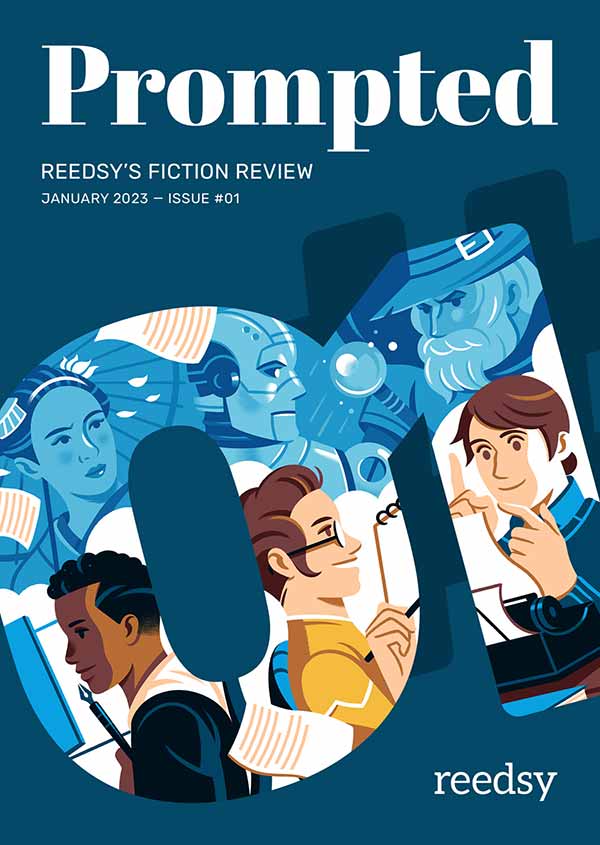
Our longer short story contest invites writers to submit stories between 2,000 and 5,000 words. Stories must be written in response to a single prompt, and participants have three months to enter. The winner gets $1,500 USD, feedback from a literary agent, and guaranteed publication in our literary magazine, Prompted.
Submit your work here and see how your storytelling stacks up against a global community of writers.
Why we love creative writing prompts
If you’ve ever sat in front of a blank page with plenty of time but no words, you know the struggle of writer’s block. Prompts give you a jumpstart by offering ready-made ideas to expand into full stories.
Our directory of 2,400+ writing prompts is designed to help you develop a regular writing routine, encourage exploration across genres, and build confidence in your storytelling.
Feel free to filter through our prompts’ different genres, which include...
Dramatic — Stir laughter, tears, and everything in between.
Funny — Perfect for satire, slapstick, or lighthearted storytelling.
Romance — Explore the many shades of love, heartbreak, and connection.
Fantasy — Create magical worlds limited only by your imagination.
Dystopian – Dive into speculative fiction with dark, thought-provoking themes.
Mystery — From whodunnits to cozy mysteries, challenge your inner detective.
Thriller and Suspense — Build tension and deliver gasp-worthy twists.
After you find the perfect story idea
Finding inspiration is just one piece of the puzzle. Next, you need to refine your skills — and then share them with the world. We've worked hard to create resources that help you do just that! Check them out:
How to Write a Short Story That Gets Published — a free, 10-day course by Laura Mae Isaacman, a full-time editor who runs a book editing company in Brooklyn.
Best Literary Magazines of 2026 — a directory of 100+ reputable magazines looking for submissions.
Writing Contests in 2026 — the finest contests of 2026 for fiction and non-fiction authors of short stories, poetry, essays, and more.
Beyond creative writing prompts: how to build a writing routine
While writing prompts are a great tactic to spark your creative sessions, you’ll need more than that to develop a solid writing routine. Here are some additional tips for incorporating your craft into your everyday life.
Set realistic word count goals. Don’t start out with lofty goals you’re unlikely to achieve! Give some thought to how many words you think you can write a week, and start there. If you find you’re hitting your weekly or daily goals easily, keep upping the stakes as your craft time becomes more ingrained in your routine.
Stay accountable. Talk about your project with family, friends, or writing groups. Doing so means that those close to you are likely to check in about the status of your work.
NNWT. Or, as book coach Kevin Johns calls it, “Non-Negotiable Writing Time.” This time should be scheduled into your routine, whether that’s once a day or once a week. Treat it as a serious commitment, and don’t schedule anything else during your NNWT unless it’s absolutely necessary.
Arm yourself against writer’s block. Writer’s block will inevitably come, no matter how much story ideas initially inspire you. So, it’s best to prepare yourself with tips and tricks you can use to keep yourself on track before the block hits. You can find 20 solid tips here — including how to establish a relationship with your inner critic and apps that can help you defeat procrastination or lack of motivation.
Start writing today
Whether you want to enter contests, improve your craft, or simply overcome writer’s block, our creative writing prompts directory is here to guide you.
Explore our 2,400+ prompts and start building your writing routine today!