Last updated on Jul 03, 2026
How to Write a Children's Picture Book in 2026

Savannah Cordova
Savannah is Editor-in-Chief of the Reedsy Blog. She has 8+ years of experience crafting content about how to write, edit, design, and publish your book as an independent author.
View profile →
You might think writing a children’s picture book is easier than writing a novel. While it may take less time, a picture book normally requires all the same key storytelling elements as a novel — like well-drawn characters and an intriguing plot — just in a much more compact space.
The good news is that if you can achieve these things (with engaging illustrations to boot!), you’ll be poised to capture the imaginations of young readers. To help all aspiring picture book authors out there, we’ve put together this step-by-step guide on how to write a children's picture book — along with tips for editing, illustrating, and publishing it.
Hire a children’s book illustrator

Joana P.
A whimsical and emotional illustrator who loves to create and help authors and publishers bring their stories to life and make a difference!
Request a quote



Ashlyn I.
An adventurer and mountain obsessed illustrator helping authors bring their stories/adventures to life! Excited to start this expedition!
Request a quote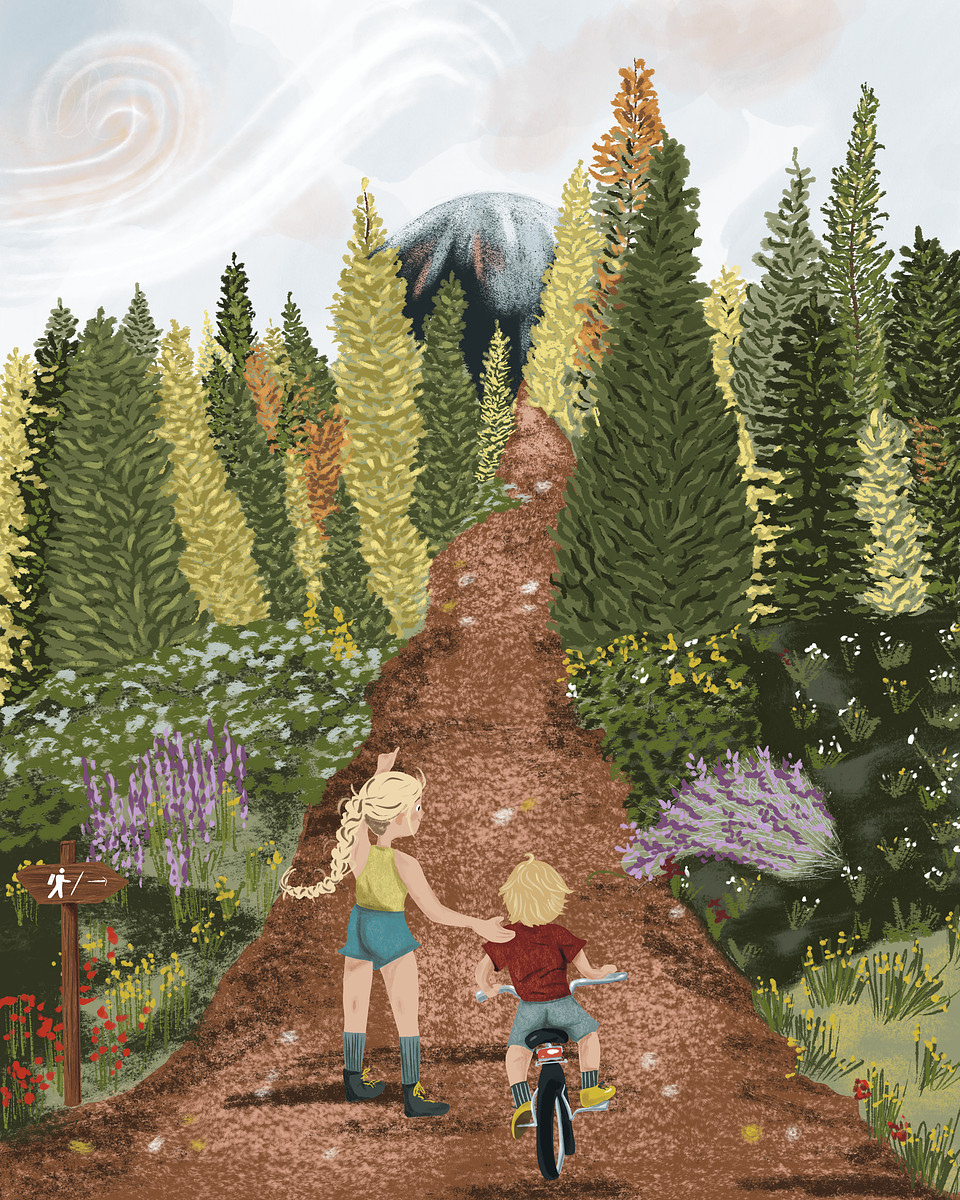

Amanda L.
I'm a children’s book illustrator and book designer with over 50+ published books and love to use texture and bold colour.
Request a quote
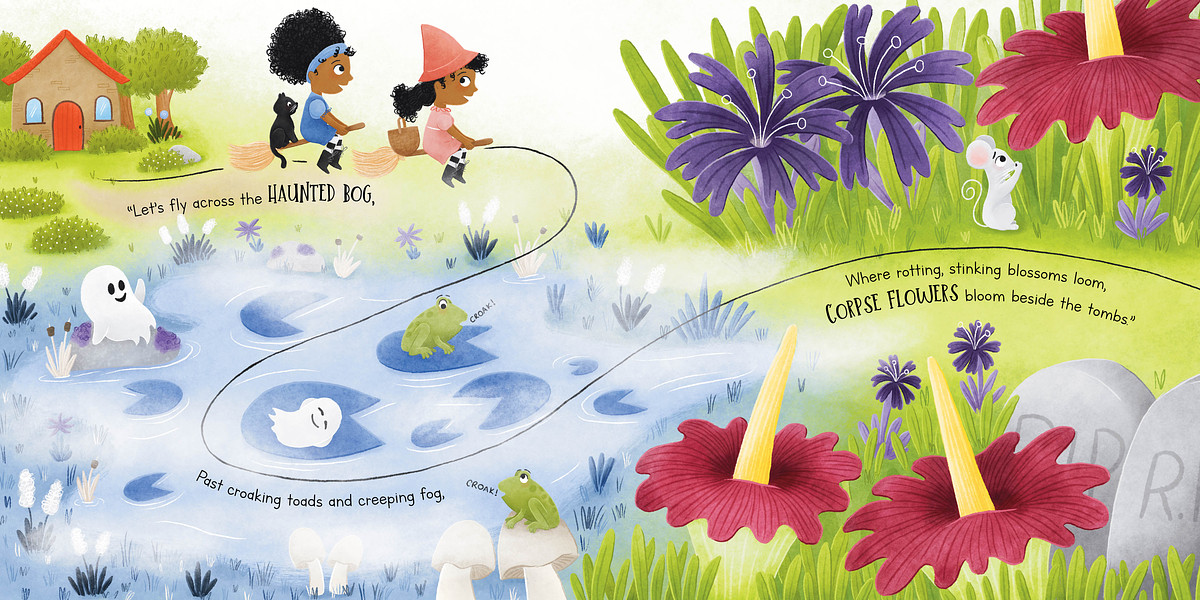
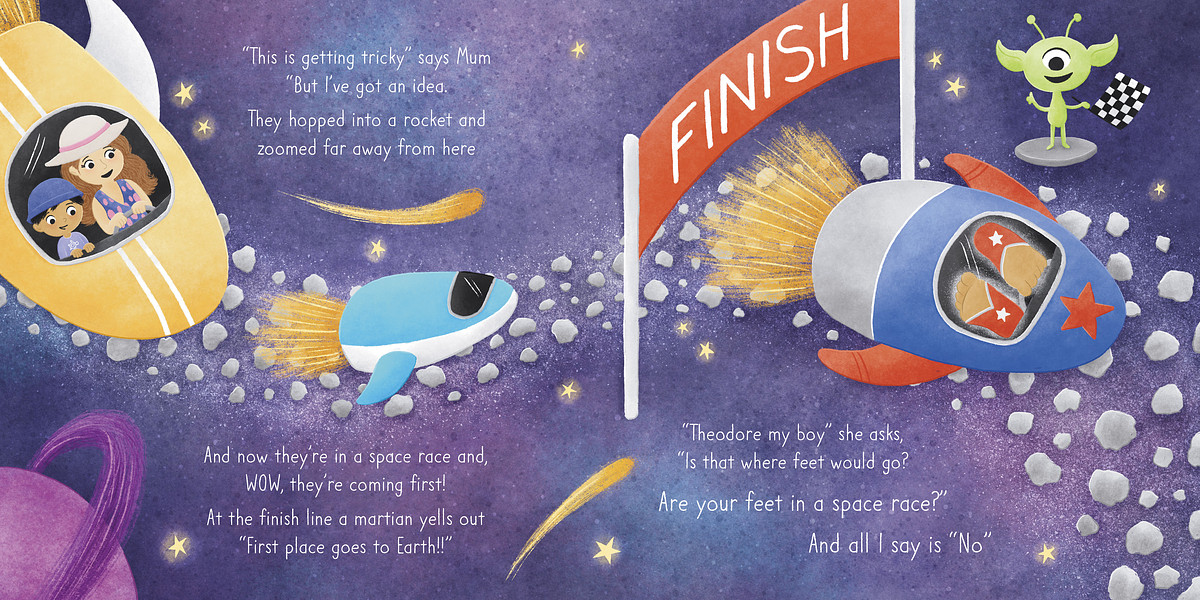
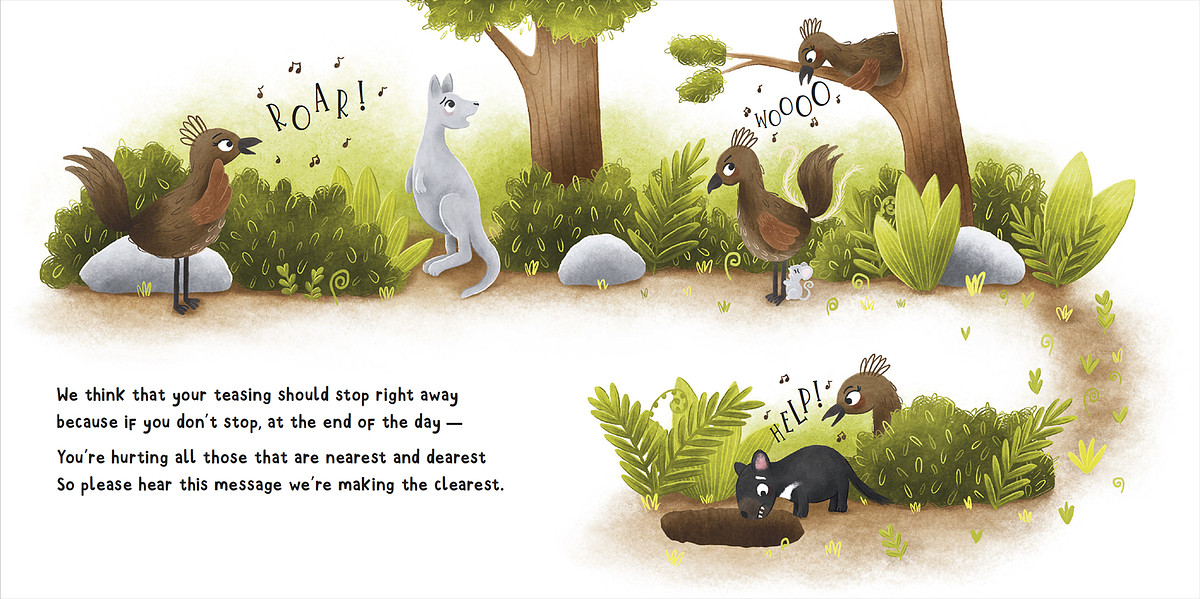
Let’s start with the basics…
1. Come up with your idea
Unlike most books, successful picture books must appeal to two different audiences: adults and children. Because while a picture book is obviously intended for children, it’s the parents, teachers, and other caretakers who decide whether to pick it up — or read it aloud.
Luckily, coming up with an idea for your picture book is a similar process to coming up with an idea for any book, in any age category. The key difference is in the length and presentation.
For instance, your book might center around a specific childhood experience, such as:
- Losing a favorite toy;
- Struggling in school;
- Having imaginary friends; or
- Being afraid of the dark.
But when you strip those ideas down to their core, you’ll find that they relate to universal concepts like:
- Attachment
- Overcoming challenges
- Friendship
- Fear
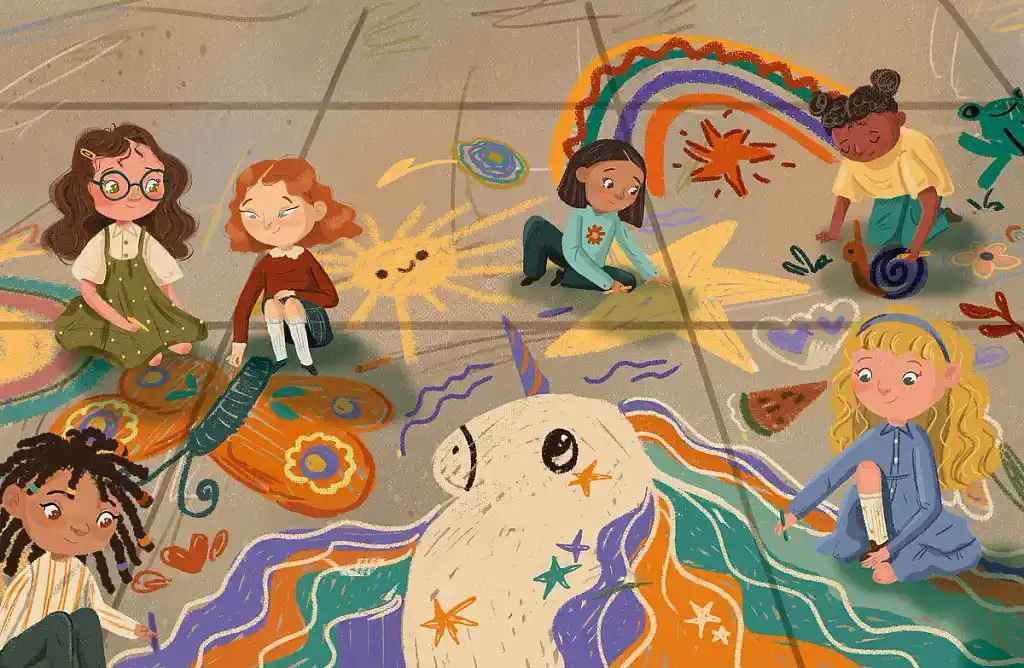
Remember, great books don’t connect with readers because the topics themselves are completely new; they succeed because they tackle familiar topics in interesting ways. Sure, Goodnight Moon has been helping parents put their children to bed for over 70 years. But picture books about bedtime will continue to be popular as long as they still feel relatively fresh and serve families effectively.
Questions to stress-test your picture book idea
To ensure your concept is solid, ask yourself the following questions:
- Am I presenting this topic in a way that’s relevant/comprehensible to children?
- Do I explore its themes in a way that feels unique, even if they’ve been covered before?
- Will my book appeal to parents, teachers, and other adults in a child’s life?
💡Pro tip: Think about the picture books that have stuck with you through the years. Which were your favorites as a child, and what elements do they have in common? Try to fold these into your own picture book concept.
2. Pinpoint your target age group
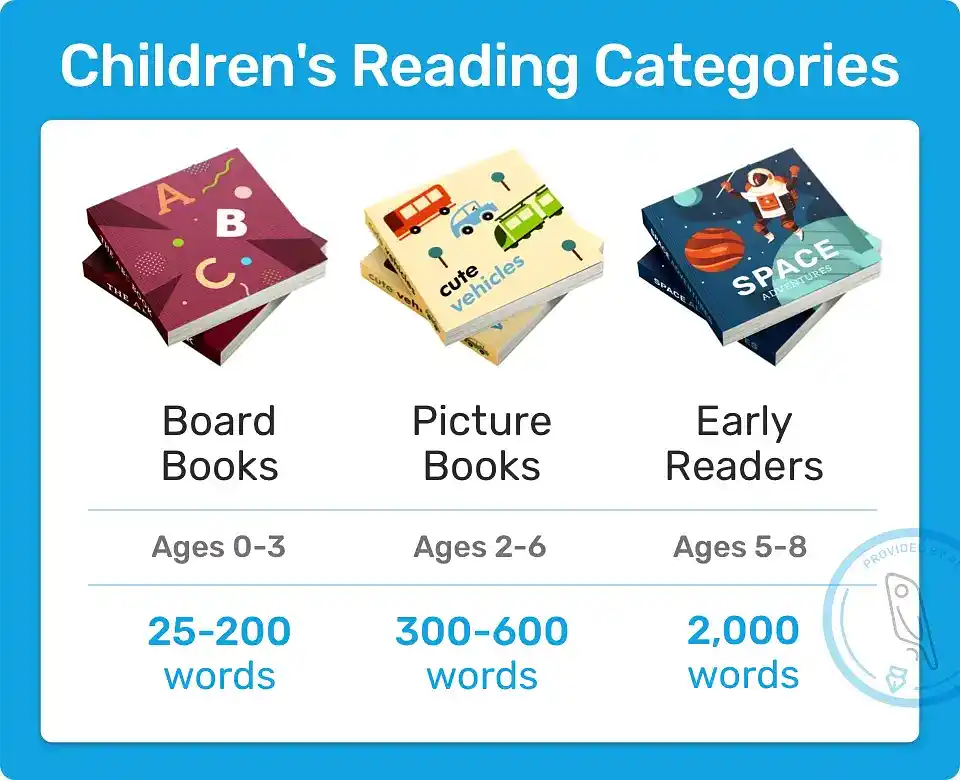 As mentioned, how you tell your story will depend on the target demographic of your children’s picture book. To that end, let’s look at the different types of books that rely on illustrations, as well as some popular examples of each.
Board Books
-
Reading age: 0-3 years
-
Length: 25-200 words
-
Examples: Goodnight Moon by Margaret Wise Brown, Dear Zoo by Rod Campbell, Where’s Spot? by Eric Hill
Picture Books
-
Reading age: 2-6 years
-
Length: 300-600 words
-
Examples: Green Eggs and Ham by Dr. Seuss, Where the Wild Things Are by Maurice Sendak, The Polar Express by Chris Van Allsburg
Early Readers
-
Reading age: 5-8 years
-
Length: around 2,000 words
-
Examples: Amelia Bedelia by Peggy Parish, Frog and Toad by Arnold Lobel, Nate the Great by Marjorie W. Sharmat
Chapter books (for readers around 7-10 years old) also typically contain illustrations. In traditionally published, “classic” chapter books — like the Junie B. Jones and Magic Tree House series — these are often black-and-white sketches as opposed to full-color illustrations.
That said, recent books for this age group tend to contain more illustrations, and certainly more in color — especially in the form of comic books and graphic novels. While you still wouldn’t call these “picture books”, it may be useful context to keep in mind! Essentially, illustrations are more important than ever across ALL types of children’s books in the 2020s, particularly for visual learners who might struggle to stay focused.
So when it comes time to illustrate your own picture book (or hire an illustrator, as we’ll cover below), don’t skimp on color and quality!
Q: How do illustrators maintain character and scene consistency across a children’s book?
Suggested answer

To create a consistent look for a children's book, you'll need a strong foundation!
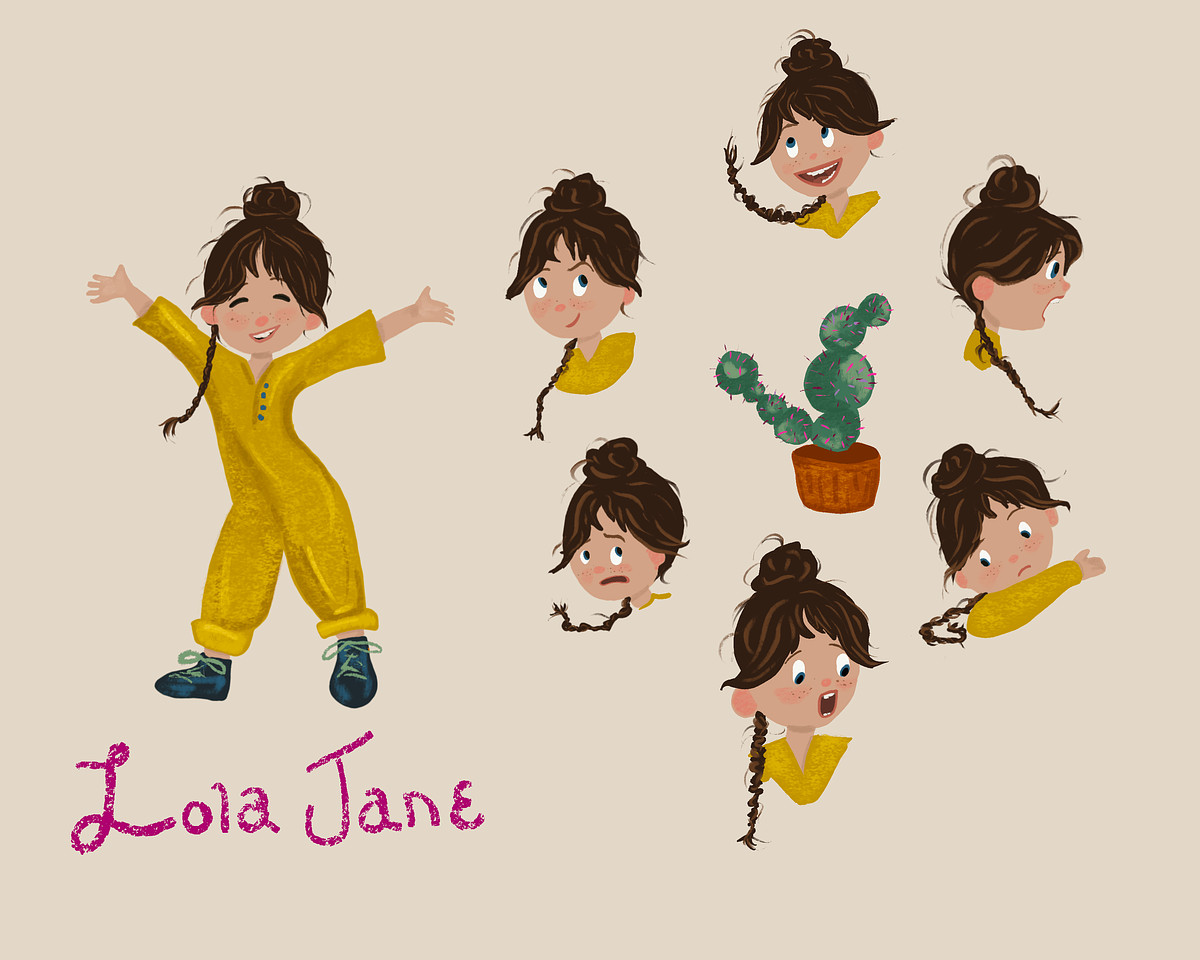
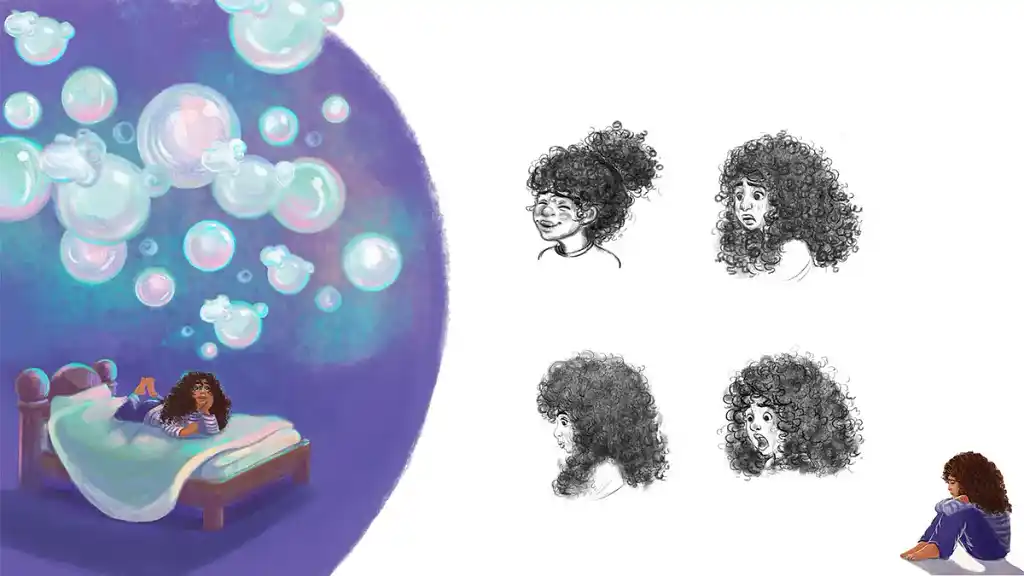
First, the author and the artist should work together to establish each character and then create detailed character sheet illustrations for each of your main characters, capturing their personality and unique features in full-body illustrations, front and back. These will be used as references for the illustrations, making sure that all the character's details are portrayed in each of the scenes in the book.
At the same time, they'll choose a color palette that matches the book's theme and give each character their own special colors. This will help them stand out and feel unique!
The artist and the author should explore different illustration styles and use lots of visual references to find the perfect look for their book and work closely throughout the process, checking in regularly to make sure everything feels cohesive and true to the author's vision.
They should also establish a step-by-step approach to each illustration, starting with sketches, then adding flat colors, and finally finishing with the details. The author will be involved in every step of the process, approving each stage and ensuring the illustrations perfectly capture their vision for the book.
Natalia is available to hire on Reedsy

Sketch, sketch & more sketching! I find it useful to create character turn arounds from multiple angles so I can use these as references moving forward. By getting to know the characters it becomes second nature to create dynamic scenes with consistent characters.
Tommy is available to hire on Reedsy

The single biggest tool for me is a model sheet I build before touching the manuscript: front, side, and 3/4 views, a few key expressions, and the character's proportions measured out (head-to-body ratio, arm length relative to torso, etc.). I keep it pinned next to my canvas the entire project and check every new drawing against it.
Color is just as easy to drift on as proportion, so I lock a palette early — exact hex or paint-mix values for skin tone, hair, clothing — and reuse those swatches rather than eyeballing colors fresh each time. Lighting is where a lot of consistency actually breaks down: if one spread is warm afternoon light and the next is cool morning light with no story reason for the shift, the character can look 'off' even if the drawing itself is accurate. I try to establish a lighting logic for the book (time of day, indoor vs outdoor) before illustrating.
For backgrounds and recurring locations, I do the same thing — a quick reference sheet for any setting that appears more than once, so a bedroom or a treehouse keeps its same layout and key details throughout.
Lastly, I do a full flip-through pass at the end, viewing every spread in sequence rather than one at a time, which is when small inconsistencies (a missing freckle, a shirt that changed color) actually jump out.
María francia is available to hire on Reedsy
3. Work out your voice and POV
Even though many kids can read to themselves by age 6 or 7, all picture books should still be written with the “read-aloud experience” in mind — that is, the shared experience between the child and their parent, grandparent, babysitter, etc.
Nailing each of the elements below not only helps young children with memory and language acquisition, but also creates a fun, engaging storytelling experience for everyone involved.
Vocabulary
There’s a balance to be struck here. The text should be accessible enough for children to clearly grasp the story, but you can also give young readers the chance to expand their understanding of language — aided by the illustrations. As children’s editor Jenny Bowman says: “Children are smarter than you think, and context can be a beautiful teacher.”
Other picture books for your age range can give you a good sense of whether your vocabulary is suitable, as well as feedback from parents and children themselves (more on that later).
Repetition
On the note of helping young ones expand their reading skills, repetition plays a key role in many picture books. It allows children to predict what the next word or sentence of a story might be, encouraging them to follow along and participate.
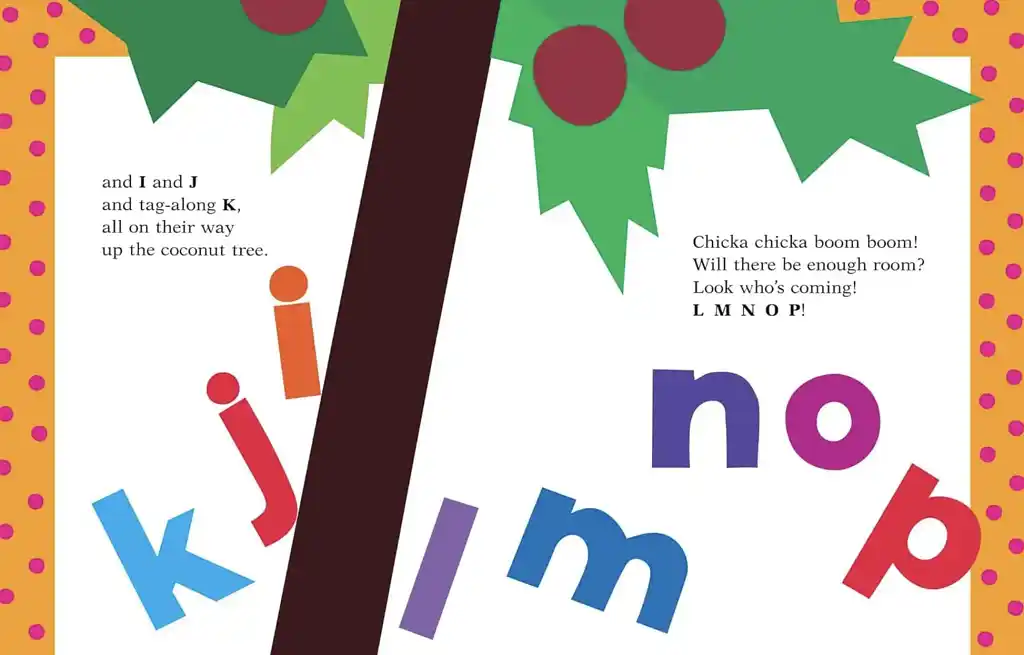
For classic examples, think about books like Brown Bear, Brown Bear, What Do You See?, or Chicka Chicka Boom Boom. These picture books (both with text by Bill Martin Jr.) make excellent use of repetition to engage children.
Rhyming
As with repetition, rhyming can help children anticipate upcoming elements in a story. It also contributes to a more memorable reading experience.
However, it’s tough to get rhyming really right. The “read-aloud experience” can easily be brought down by sloppy or unoriginal rhyming. This is why it’s so important to nail your concept first; you can’t rely on rhymes alone to carry your picture book.
There’s also a second, economic reason to potentially avoid rhyming, which is that it makes your book harder to translate for international markets. This might not sound like a big deal — but if you’re an author in, say, the UK, the home market doesn’t actually offer that much sales volume. Consequently, you may want to print co-editions or sell rights to other territories, and rhyming text complictates this process.
All that said: if you decide that rhyming’s for you and anything else simply won’t do (see what we did there?), then go for it! Just remember that the story should always come first.
Point of view
POV refers to the perspective of the narrator. If a picture book is in…
-
First person, the narrator is typically the main character and will use words like “I” and “me” to tell their story. Example: I Want My Hat Back by Jon Klassen.
-
Second person, the narrator places the reader within the story and will use words like “you” and “your”. Example: Don’t Let the Pigeon Drive the Bus! by Mo Willems.
-
Third person, the narrator is telling the story from outside the action. This POV uses words like “he” or “she” to refer to the main character(s). Example: Corduroy by Don Freeman.
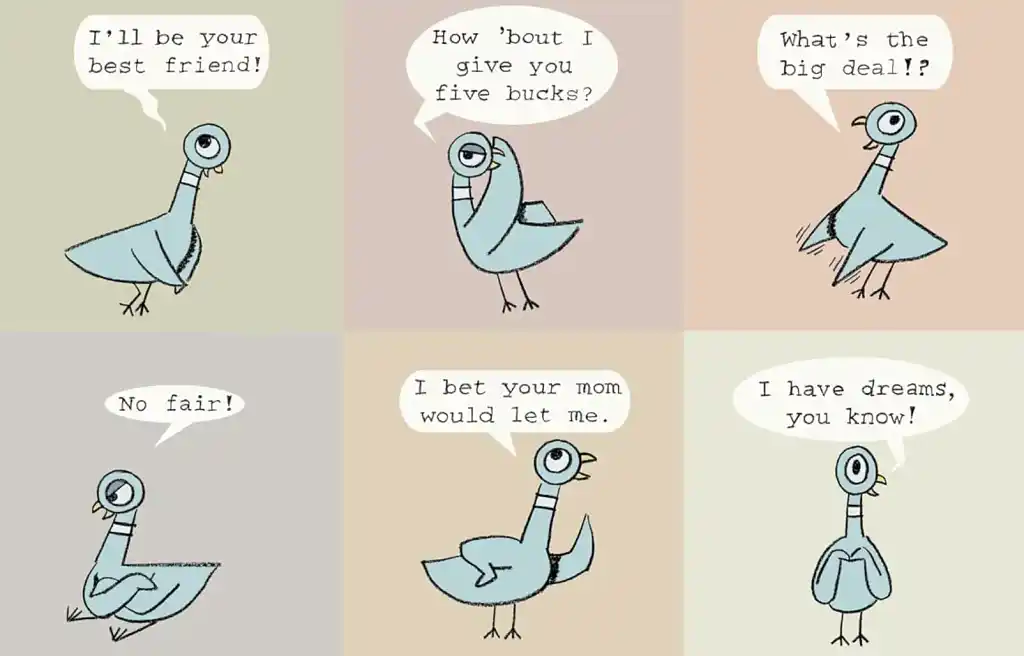
Picking your POV is a big decision when it comes to writing a children’s picture book — so even if you’ve had a certain POV in mind all along, give it some extra thought at this stage. Once again, feel free to look at other, similar-to-yours picture books for inspiration.
💡 Pro tip: Consider the tone of your book. Is it meant to be funny, introspective, emotionally resonant? Try to choose a POV that serves that tone. For example, a conspiratorial second-person POV can work well for comedy — like the Mo Willems book above, Dragons Love Tacos by Adam Rubin, and B.J. Novak’s The Book With No Pictures (technically not a picture book, but undoubtedly a hit with the same target audience).
4. Develop engaging characters
Like we said, just because you’re writing a picture book, doesn’t mean you can compromise on characters. Yes, you’re using far fewer words than a novel, and you have the benefit of illustrations. But your characters should still feel authentic and three-dimensional even in the text.
Note that there are some exceptions to this rule, such as “conceptual” children’s books — like the aforementioned The Book With No Pictures — and children’s nonfiction designed to teach kids about a specific subject (e.g., a book about how planes work). But for the most part, even educational picture books should have some sort of anchor character to keep kids interested!
Once again: think back to the books you enjoyed as a kid. Many of them probably stood out because you loved or related to their characters. Also, if you were a fan of a specific character, your parent or caretaker might have kept buying picture books about that character.
Q: Should a picture book have an unlikeable protagonist?
Suggested answer

It certainly is not true that a book should have an unlikeable protagonist, but there are strong arguments why it can do so. On the basis that unlikeable characters may be unlikeable for a reason, we can explore the behaviour of someone who is troubled. This might have particular resonance for a child who has experienced hostility, abuse or rejection at home or for children who encounter such individuals among their peers at nursery. The topic, however, needs to be handled very carefully. Young children need to learn to regulate their negative emotions, and they also need to feel safe and learn how to integrate socially. So, for this young age group (perhaps for every age group), there always needs to be an intelliengent moral compass underpinning the story. A character can be edgy or disruptive, but we need to be able to take a lens to the situation and clock that what they are doing is not desirable. The Tale of the Two Bad Mice by Beatrix Potter has two very destructive protagonists, but she engenders pathos and regret in the reader, as we see pretty things being misused, stolen or smashed. We come to the realisation that the behaviour comes from ignorance, not intrinsic evil. It's not that a protagonist who behaves badly - perhaps being bad-tempered or a bully - must have a 'come-uppance', as such, but, rather, there should be some climax or crisis where the pattern is broken and the character is redeemed. An unlikeable protagonist might be one who is always grumpy and unkind - but a mishap reveals their vulnerability, turns the tables, and enables them to accept a kindness from someone they had previously looked down on. Or they might always be angry, until in one art class they crumple up their own drawing and put it in the bin. The next day, they come into school and see that the teacher has found it and pinned it up on the wall - and they then feel validated, happy and start to make friends. A book that bravely tackles disruptive behaviour sets itself a difficult challenge, though. The author has to tread a tightrope between failing to redeem the unlikeable protagonist (which is a no-no, especially for small children) and, at the other end of the spectrum, becoming mawkish or preachy (this is rather pointless, as children quickly wise up to being manipulated). However, if this tightrope is successfully navigated, with a believable protagonist and an honest, heart-warming denouement, the author can strike gold.
Rachel ann horatia is available to hire on Reedsy

This is a tricky question to answer! It's not that a picture book should have an unlikeable protagonist – what's important here is to understand the difference between ‘likeable’ and ‘nice’. A flawed character may be a lot more relatable, and therefore likeable, than someone who is always kind, calm and perfectly well-behaved!
The core picture book age range is 3-6 years. This is a time when kids are dealing with big feelings – jealousy, selfishness, rage, frustration, impatience – so a character who is also experiencing these emotions will feel very relatable to the reader, and therefore more likeable, and more reassuring too! Seeing these feelings reflected back helps kids to understand that it’s ok to feel them, and can also help them to understand the impact of the behaviours that follow.
What’s really important is to avoid being didactic. No child wants to read a picture book that dictates to them how they should behave. The best picture books make space to explore big feelings and ‘bad’ behaviours with understanding and without judgement.
Nicola is available to hire on Reedsy
In other words, strong characters not only make for a better story, but can help you gain a (profitable) fanbase too.
👧 To help you on this front, here are a few handy resources:
-
Our blog post on character development for “big picture” (no pun intended) tips on creating fan-favorite characters;
-
This fillable character profile template to map out every little detail; and
-
A list of character development exercises to think through other key traits and potential actions your character might take — for example, what would they do in a morally grey situation?
Some of these exercises might seem like overkill for a picture book, but it’s good to keep them in mind anyway. We’re not saying you must use every resource available, but if you’re stuck on how to make your own characters well-rounded and unique, they can be an enormous help.
5. Seek feedback and edit
By this point, you’ve (hopefully) nailed your concept, characters, and tone of voice. Once you have a working draft, it’s time for the slightly scary part: asking other people for feedback!
You can start with friends and family — though be aware that they may soften their criticism to spare your feelings. They may also be confused, or find the final version of your book hard to imagine, if you don’t yet have illustrations for it.
In that vein, a developmental editor who specializes in picture books may be a better choice at this stage. They’ll be able to work skillfully with your text even if you don’t have illustrations yet, and they’ll know which story choices will work best in the current market.
Work with a picture book editor

Ellie W.
A children’s author, editor and publisher with over 17 years' experience who can help shape your idea into a beautiful children's book.
Request a quote
Saranne T.
Children's editor. Non-fiction & fiction for 0-14 years. 100s published books: fun & educational. STEM/STEAM series UK. Ex-teacher. Kirkus⭐️
Request a quote
Michael J.
Dynamic children's book agent, editor, and best-selling author with 15 years of experience at Scholastic & Random House Children's Books.
Request a quoteEditing your picture book for length
The next thing to consider is word count. In a picture book, every word must earn its place — so once your story is 100% there, turn your attention to your sentences. For every line, ask yourself:
- Is this essential to the story?
- Does it either advance the plot or give color to the characters?
- Would this detail be better portrayed as an illustration (i.e., it shouldn’t be in the text at all)?
💡 Pro tip: Remember the “standard” children’s picture book range of 300-600 words. For every word over 600, scrutinize the text and make sure you really need it. Unless your story is unusually elaborate, you probably don’t!
Lastly, there are also a number of communities for picture book authors out there that you can join for critiques and feedback. If you’ve followed our advice above, but still feel uncertain about your picture book’s text, seek them out in your local area or online.
6. Illustrate your picture book
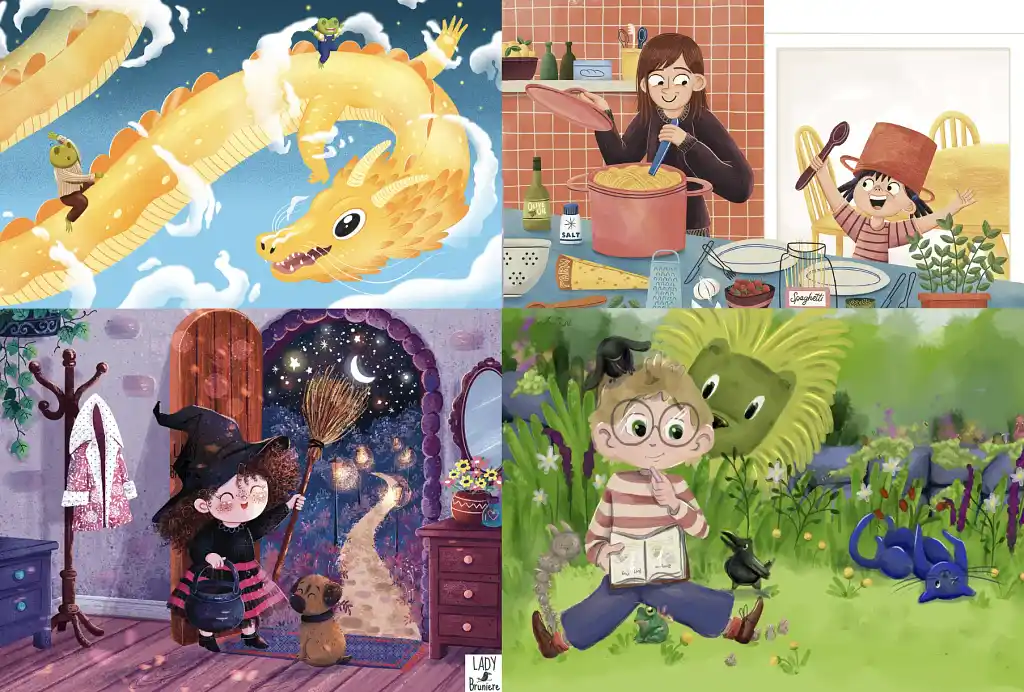
And if that last step felt intimidating, now it’s time to have a little more fun — by bringing your story to life through illustrations!
🚨 Note: If you hope to have your book traditionally published, skip this step and go straight to the next. When a publisher acquires a picture book, they prefer to illustrate the book in-house — so if that’s what you want, you don’t need to provide artwork in advance (in fact, it can hurt your chances!).
However, if you’re planning to self-publish, you will want a professional artist to do the illustrations — unless you’re Jon Klassen and happen to have powerful writing and illustrating chops yourself.
But if you’re not quite so multitalented, here’s how to find the right illustrator for you…
Q: What qualities should a picture book author look for when selecting an illustrator to complement their story?
Suggested answer

Aside from the obvious aspects such as whether the author likes the illustrator's style/artwork, I think communication is key. If an incredibly talented skilled illustrator isn't great at explaining their process or doesn't fully respond to your questions, the project is just going to be a lot more difficult for both parties. I also think personal experience with self-publishing is so useful and the authors I've worked with have been delighted with the 'insider' tips and advice I've been able to share as we go through the process – from formatting and design, to marketing and creating a buzz on social media. Those aren't part of an illustrator's remit, but it helps because I know what an author is likely to need for marketing, for example, and can provide those elements within the project package, saving the author time and money.
Siski is available to hire on Reedsy

Most importantly, you want to work with an illustrator that understands the correct formatting, page breakdown, and processes for picture book work. There is a lot more to creating a picture book than just the art itself. Pacing, page layout, etc are all crucial, and you don't want to be stuck with an artist that is providing beautiful art that is also incorrectly dimensioned. This often is reflected in their pricing structure. You know an illustrator understands the entirety of the job and is professional when they are quoting you an appropriate amount for the work. Picture books are expensive for a reason and if someone is quoting you a great deal... it's probably too good to be true.
Caitlin b. is available to hire on Reedsy

When looking for a picture book illustrator, I first look for someone who can capture the overall feeling of your book. Look at their portfolio and see if they have work with similars themes, color palettes and expressions. Do they have sequential work? Is there work consistent? What will they bring to the table?
Marci is available to hire on Reedsy

Well said dear colleagues! I'd just add: think of your illustrator as your project manager. In traditional publishing, there's a whole team behind the scenes, in a direct collaboration, it's just the two of us. When one is a client, the other one must take a lead as professional. Your illustrator must be able to give you a clear idea of the workflow, set milestones, explain the process. A smooth, transparent process makes all the difference, especially when you've poured your heart into a story and are trusting someone to bring it to life visually.
Evgenia is available to hire on Reedsy
Figure out what kind of illustrations you want
Just as we spoke about choosing a POV that works for your story’s tone, you want the illustrations to align too! Is your story traditional, modern, funny, poignant? The illustrations should convey that just as much as the text.
Once you’ve thought about how the pictures will serve your book’s tone, collect a few samples/references. We’d highly recommend starting at your local bookstore, so you can see what’s selling and stay “market aware”. Pick up a few copies or just save the titles to search later.
🎨 You can also check out these gloriously imaginative picture book covers for inspiration!
Establish your budget, scope, and deadline
Before you look for an illustrator, you should also figure out:
- How much can you spend on illustrations?
-
How much work needs to be done — e.g., do you just need a few minimal “spot” illustrations for your book, or multiple full-page spreads?
-
When do you want the work completed by?
The clearer these answers are to you, the more focused and effective your search process will be.
Comb through illustrators’ portfolios
Now you’re ready to look through some hireable illustrators’ portfolios. Naturally, we’d suggest starting on Reedsy. Our illustrators have worked with iconic children’s authors ranging from R.L. Stine to Daisy Meadows — and with over 250 professional children’s illustrators to choose from, you’re sure to find the perfect fit for your book.
As for what you want from these portfolios: firstly, try and match up your reference illustrations to illustrators with a similar style. On Reedsy, it may help to use additional keywords — such as “watercolor” or “cute” — to narrow down your search.
And of course, look at each illustrator’s credentials and experience. You may like their overall style, but have they illustrated for your target age group before? Does the emotional “tone” of their illustrative work seem right for your book? These elements are just as important as aesthetics alone.
Reach out to illustrators
Once you have your shortlist, reach out to illustrators and tell them about your book. Check their availability and rates to make sure they align with your expectations.
If you can, consider being a little more flexible on these elements than on style and experience; after all, the most talented illustrators are often in high demand. If you really love a particular illustrator, let them know — on occasion (not always!), they may be willing to give a small discount or speed up their usual timeline to accommodate you.
Q: How do you collaborate with authors to ensure your illustrations align with their vision?
Suggested answer

It's important to remember that every author is different. Even if an author has worked on their book for months, if not years, and has a deep understanding of places, characters and content, it doesn't always mean they know how it should look. Other times the author knows exactly what they want.
Often an author has prepared visual references and described their project in detail in their proposal. But others can be less sure. Either way, I will want to pick their brains and try and get as much information and hopefully relevant picture references from them as possible. This could be other illustrations, art or books they like, but also experiences and situations that have inspired the book that they think are relevant. I may also suggest some references here if I think it can help. If the author is unsure at the start, then this process will help them find a visual idea that we can build upon.
Then the next stage is to find a coherent look and style from this material that can work for the project. To do this I will narrow down the references to find a core idea by making a number of sketches and mockups of characters or scenes with references for colours, lines, light or textures that we can discuss. It's good to give this phase a little extra time to ensure we both understand what I am aiming for in the visuals. It may take a couple of variations but hopefully we can agree on a look that we are both happy with. I want to make illustrations that match their vision but also need to be sure it's a look that I am comfortable making that's not too far from my personal style.
After this, and if its a bigger project with many illustrations, then it can be a good idea to choose a 'typical' scene from the book and make a single, finished illustration for approval that can be a style reference for all the rest.
Even if we both agree on the visuals, it's still important to me that the author can follow the progress throughout the rest of the project to avoid any problems or disappointment at the end. This doesn't mean the author has to give a critique of everything I make, but it's good to confirm my work feels right for them and see if there are details that they want to change.
In short its a process of respect, understanding and guidance from both parties that leads to a successful visual interpretation.
Ben is available to hire on Reedsy

I like to keep the process really collaborative. Early on, I share concept art and encourage plenty of back-and-forth so we can make sure the illustrations match the author’s vision. For picture books especially, I ask for lots of detail about the scenes and characters — the more I know, the closer I can get to what the writer imagined.
Of course, I add my own artistic touch, but the best results always come from that open communication throughout the project.
Paul is available to hire on Reedsy

When an Author sends me their text, my first step is to produce a written visual layout on their text. So for each page I will write in red my idea for the page or spread. This is solely for me to begin researching any reference I need and collect this into a folder to refer to later.
I will then produce a rough layout of each page, very loose, quick sketches to convey the action and composition of the scene, I will do this for the whole book. Then all the text and rough sketches go into a PDF which is sent to the author for notes. This way, we can agree overall composition, make sure it flows well etc, but also, we can make changes easily. So when I move into producing the final artwork, we are both as prepared as can be. There will inevitably be further changes for the final art but this way, they tend to be minimal. It's about setting the ground work early on so the client knows what to expect.
Rich is available to hire on Reedsy
Working with authors means making sure the illustrations match their vision while staying true to my style. Here’s how I make that happen:
They come for my style – My portfolio does the talking. I keep it fresh and up to date, so when an author reaches out, they already know what to expect. This keeps our creative visions aligned from the start.
Visual brainstorming – We dive into the project, discuss ideas, and swap references. Mood boards, sketches, inspirations—whatever helps us get on the same page.
Open process on Miro – I share my progress on a Miro board, where the author can follow along, give input, and be part of the journey. This keeps everything transparent and collaborative without disrupting my workflow.
In the end, I want the final illustrations to feel natural and exciting for both of us.
Evgenia is available to hire on Reedsy
With any luck, following these tips will help you find an amazing illustrator for your picture book! Every artist’s process is different, so we won’t be too prescriptive about how to work together once you’ve hired them.
However, once you have your illustrations in hand (and formatted alongside your text), you’re ready for the all-important final step…
7. Publish your picture book
Here are some things to keep in mind about actually publishing your picture book — whichever path you decide to take.
Self-publishing a picture book
Want the final say on all creative decisions and to keep a high percentage of royalties on your book? Then self-publishing is likely the path for you. It’s also far more accessible than traditional publishing — ideal for authors who don’t want to wait around for months or years to get a book deal.
That said, there are drawbacks as well. Being in charge of everything from formatting to marketing to distributing your picture book can be intense… and the associated costs will, of course, come out of your own pocket.
Q: What marketing strategies are most effective for promoting a self-published children's book to the right audience?
Suggested answer
Making sure you build in enough time into your publishing timeline for an ideal marketing launch is important. This would be at least two to four months in advance of the book's publication date. Creating buzz before the book lands in stores (or online), such as submitting for advance trade reviews from review journals, will help optimize your book for great sales numbers that first week. And hopefully, those initial sales will then prompt consumer reviews early on.
Another important--and easy--marketing tactic for self-published authors is to never underestimate the power of local marketing. An author's community is generally looking to champion someone who has done well or achieved something exciting within their own backyard. A local story or coverage about an indie author's book can go a long way to generating a larger story outside of their community. And sometimes that can even organically lead to amazing coverage in a major newspaper or television segment.
For children's books, it can be challenging for a self-published author to get into schools and libraries unless you are distributed through a wholesaler. Pounding the pavement has its rewards, going to local schools and libraries, offering a storytime or autographing, leaving behind sell sheets for your book. Educators and librarians are huge influencers and their word of mouth is gold for many families and caregivers of young children.
Tara is available to hire on Reedsy

Know exactly who you are marketing to, and your book will sell so much easier than if you try to market to "every parent." Instead of targeting parents of children aged 5-8, be specific and craft your copy and ads to appeal to a niche of parents, such as "Parents of girls ages 5-8 who love to play in the mud and sing silly songs about frogs." The more specific you can be, the better.
Lisa is available to hire on Reedsy
Still, for authors who are passionate about doing everything on their own terms, self-publishing is the only way to go. Here are a few more key resources around the topic:
-
Your Guide to Book Printing Services (since the vast majority of self-published children’s authors will want to print their own copies)
Traditional publishing
As you’d imagine, the pros and cons to traditionally publishing your picture book are the reverse of the self-publishing route.
So with trad pub, you get less control over creative decisions and timeline, and a lower percentage of royalties. But in return, you get a whole in-house team working on your behalf — and potentially more marketing power when you do (eventually) release your book.
If you’re interested in trad pub, don’t forget to consider smaller independent publishers in addition to the Big 5 Publishers, as the former may be more willing to take a chance on an as-yet-undiscovered author.
Here are some final trad pub resources that might help you on your way:
There you have it: how to write a children’s picture book in seven steps. Wherever you are in your journey, try not to lose sight of why you’re doing all this — to touch the hearts and minds of young readers with a beautiful story. If you can keep that in mind throughout this process, we have every confidence you’ll succeed.