Menu
Board Template
Build a horror novel that keeps readers up at night.
Created by Reedsy
Template preview
New opening...
Write a description here...
Beat
Ex. 1
Opening
Ex. "The story opens when [protagonist] ___.."
Setting(s)
@Location
Character(s)
@Character
This Opening template is your entry point to the Fichtean Curve, which throws your reader straight into conflict with minimal stage-setting. Sketch this beat here, or walk through the workshop below for a guided path.
E.g., Nick Carraway arrives in West Egg, accepts an invitation to dinner at the Buchanans', and finds himself in a room full of beautiful people saying careless things.
What is the beginning conflict or situation?
Consider what your protagonist is doing, where they are, and what is already wrong.
What conflicts does the Opening further establish?
Think about conflict at every level: plot, character, theme, world, etc.
What are the starting stakes?
And does the reader feel them quickly?
Who is your protagonist?
Describe your protagonist as a stranger would see them. What does their presence in this situation tell us about who they are?
What does the Opening withhold?
What will make readers curious to turn the page past it?
Does your Opening drop the reader directly into a conflict that can't be set aside?
If not, return to the workshop.
Does your Opening make the reader care what happens to your protagonist?
If not, return to the workshop.
Does your Opening set the plot in motion, rather than just establishing a situation?
If not, return to the workshop.
Your Opening has established conflict, character, and tension simultaneously.
What does the first Crisis now demand of your protagonist?
New crisis...
Write a description here...
Beat
Ex. N
Crisis
Ex. "In this Crisis, [protagonist] faces [conflict] and discovers [revelation]."
Setting(s)
@Location
Character(s)
@Character
Duplicate this card for every Crisis, a unit of conflict that carries a revelation, in your story — numbering as you go until you reach the point where the Climax becomes inevitable. Sketch this Crisis here, or walk through the workshop below for a guided path.
E.g., Gatsby forces a showdown and demands Daisy choose him over Tom, who systematically dismantles Gatsby's credibility by exposing his criminal ties and 'new money' origins. Daisy is unable to commit to either man.
What is the Crisis?
Describe it in one sentence.
What is the central emotional or moral dilemma your protagonist faces?
Write the question your protagonist is asking themselves in the middle of this Crisis.
What does your protagonist learn?
How might this moment challenge their previous assumptions, beliefs, or desires?
What choice must your protagonist make, and why is it significant?
What is at stake, what does it reveal about who they are, and what will the consequences be for the protagonist’s journey?
How does this Crisis set up the next one?
What must the next Crisis deliver because of this one?
Does this Crisis raise the tension beyond the previous one in a way that can't be undone?
If not, return to the workshop.
Does this Crisis change or reveal something important about your protagonist?
If not, return to the workshop.
Does this Crisis push the story forward rather than simply interrupting it?
If not, return to the workshop.
Does the story demand another Crisis, or is this the moment the Climax becomes inevitable?
If you're not sure yet, duplicate this template and keep going. The answer will become clear.
New climax...
Write a description here...
Beat
Ex. 8
Climax
Ex. "Everything comes to a head when [protagonist] ___."
Setting(s)
@Location
Character(s)
@Character
This Climax template marks the peak of your arc of Crises: everything your protagonist has learned, decided, and had revealed across the curve converges here. Sketch this beat here, or walk through the workshop below for a guided path.
E.g., Daisy strikes and kills Myrtle Wilson with Gatsby's car and flees the scene without stopping, sealing the story's fate.
What is the Climax?
Describe it in one sentence.
How do the Crises lead to this moment?
Hint: trace the line backwards from the Climax through each Crisis. Does the pressure rise?
How is the central conflict resolved?
And does it answer the question the Opening raised?
How real are the stakes involved?
Write the worst possible outcome of the Climax.
Who does the protagonist become as a result?
Write about who your protagonist was at the Opening, and who they are now.
Does your Climax resolve the conflict that every prior Crisis has raised?
If not, return to the workshop.
Does your Climax complete your protagonist's journey, not just settle their situation?
If not, return to the workshop.
Does your Climax feel like the destination for everything the story has built towards?
If not, return to the workshop.
The central conflict has been resolved, and your protagonist has been transformed.
What remains?
New resolution...
Write a description here...
Beat
Ex. 9
Resolution
Ex. "In the end, [protagonist] ___."
Setting(s)
@Location
Character(s)
@Character
This Resolution template is your exit from this arc of Crises. If your Crises delivered their revelations and your Climax resolved the conflict, all that remains is the landing. Sketch this beat here, or walk through the workshop below for a guided path.
E.g., Gatsby's funeral draws almost no one. Nick encounters Tom on the street and understands what Tom and Daisy are, before leaving for good.
What is the immediate aftermath of the Climax?
What secondary characters, plot points, or questions still need closure?
What has permanently changed?
Is it external, internal, or both?
What does an ordinary day look like for your protagonist now?
Compare it to the Opening.
What does the Resolution leave the reader with?
How does the story come full circle, if at all?
Has your Resolution landed the story in a way that feels both surprising and inevitable?
If not, return to the workshop.
Has your protagonist earned the Resolution through their own choices and actions, rather than having it handed to them by circumstance?
If not, return to the workshop.
Has your Resolution closed all the loops that matter?
If not, return to the workshop.
The story is complete!
Go back to the beginning. Does your Resolution honour the Opening?
Template preview
New character...
Write a description here...
Nickname
Ex. Pat
Gender
Ex. Woman
Age
Ex. 28
Height
Ex. 5'10"
Place of birth
Ex. @City
Nationality
Ex. Greenland
Occupation
Ex. Librarian
What stands out most about their overall appearance?
Describe them as if you caught sight of them across an open field.
How would you describe their natural build and frame?
Describe their build as though you were tailoring a suit or dress for them.
What qualities of their face make them memorable?
Focus on what people recall: eyes, mouth, smile, etc.
How do they move?
Think gait, gestures, etc. Does it change when they're unguarded and when they're observed?
What is their default facial expression?
Fill in the blank: They have a resting _____ face.
What is notable about their posture and the way they carry themselves?
E.g., is it slouchy, relaxed, military-stiff, etc.? How does it differ when they walk, sit, etc.?
How do age and experience show in their body?
Compare and contrast a photograph of them at age 5, 10, 20, 30, and 40.
How would you sum up their overall style?
Show someone forming a first impression based on their outfit.
What is their signature or preferred outfit?
How does it reflect their personality? Think colors, cuts, fabrics, etc.?
What are their signature accesories?
Think glasses, canes, pipes, necklaces, etc.? How do their accessories reveal taste, personality, or status?
How does their style change with the seasons?
Consider a staple item for each season.
How do other characters react to their style?
Consider contrasting views from friends versus strangers.
What are their distinguishing mannerisms?
Think expressions, movements, speech "tics," etc.? Look for small actions that repeat no matter the setting.
How would you describe the sound of their voice?
Think accent, pitch, tone, rhythm, etc.? How does it complement or contrast with their build?
What is their style of speech?
E.g., elevated, educated, peppered with slang, etc.? How does vocabulary reveal education, background, personality, etc.?
What is their sense of humor like?
Write out a joke they would tell or a situation they'd find funny.
What is their favorite...
Curse word? Catchphrase? Quote?
Where were they born and raised?
How do they talk about their hometown when asked?
What kind of family were they born into?
Think culture, values, internal dynamics, etc.?
What education did they receive?
How did it affect them? Write a report card for them at the ages of 5, 10, and 15.
What is their earliest memory?
Why do they remember it?
How did their childhood shape them?
E.g., did it set them on their current path in any certain ways?
Who are their immediate family members?
What is their relationship with them?
Who counts as chosen family?
Think friends, mentors, etc.?
Who is their significant other?
How does this affect the decisions they currently make?
Who is their rival or enemy?
What caused the tension?
Who do they think about nowadays in the past tense?
Why aren't they in this character's vicinity anymore?
What kind of a person are they?
E.g., consider the qualities that others name first when describing them.
How might their personality be categorized?
Think Myers-Briggs, Enneagram, extrovert vs. introvert, etc.?
What are their greatest strengths?
Think of skills or virtues others rely on?
What are their deepest weaknesses and blind spots?
Including what they may even refuse to admit to themselves. How do these flaws create tension in their life?
What are their...
Pet peeves? Hobbies? Routines?
How do they approach...
Love? Power? Risk? Conflict? Change?
What compliment do they get the most?
And what insult or criticism stings the most? Why?
What is their idea of perfect happiness?
List their bucket list at the age of 10, 20, 30, 40, and 50.
What are their emotional triggers?
And why are they triggered by it? Draft a therapist’s case note cataloging the triggers they'd observe.
What is their worldview?
E.g., “People are basically good,” “Survival comes first,” “Everything comes with a price,” etc. Are these beliefs ever challenged?
What do they value above all else?
Name the first thing they would rescue from their burning home. What if they could save three things? Five?
What do they most want to change about themselves?
Have they tried to change it before?
What secrets do they keep?
What are they most afraid of people finding out? And what would change if the secret were exposed?
What inner conflict defines them?
For instance, duty vs. freedom, loyalty vs. ambition, etc. How does this conflict surface in their daily choices?
How do they want to be remembered?
What would they want their tombstone to say?
What is their greatest goal?
And how might it change throughout the course of your story?
What is their greatest fear?
How does this fear guide their choices and relationships?
What is their biggest regret?
How does this regret shape how they live now?
What drives them?
Is it unconditional?
What is their greatest desire?
And what lessons do they need to learn before they can succeed in achieving it?
Put it all together now.
Given everything you've developed about their life, goals, relationships, and beliefs, write a summary of your character's arc from beginning to end of your novel that depicts their growth and change.
New supporting character...
Write a description here...
Nickname
Ex. ‘Headless’ Bill
Gender
Ex. Male
Age
Ex. 24
Height
Ex. 6’5”
Place of birth
Ex. @City
Occupation
Ex. Unemployed
Role
Ex. The protagonist’s drug dealer
What do they look like?
Describe them as seen by a stranger in one quick glance.
What do they sound like?
Describe them as heard by a stranger in one quick glance.
What first impression does their appearance give?
Is it correct or not?
What is their signature or preferred outfit?
How does it reflect their personality? Think colors, cuts, fabrics, etc.?
What are their signature accesories?
Think glasses, canes, pipes, necklaces, etc.? How do their accessories reveal taste, personality, or status?
What is their typical speaking style?
E.g., crisp and formal, fast and excitable, slow with deliberate pauses, etc.?
What gestures or habits reveal who they are?
What mannerisms might signal their role as a mentor, rival, comic relief, etc. to the reader?
What is their favorite...
Curse word? Catchphrase? Quote?
What is their sense of humor like?
Write out a joke they would tell or a situation they'd find funny.
What are their defining personality traits?
How does it compare and contrast with the protagonist?
What is their biggest goal or ambition?
How does it relate to the protagonist's journey or growth?
What drives them?
And what belief guides their choices? What personal stake keeps them connected to the plot?
What are their strengths?
And what does it bring to the story or the protagonist? How might it affect the course of the story?
What are their weaknesses?
How does it complicate the storyline, if at all? Think friction, plot twists, etc.?
What skills, talents, or powers do they possess?
How does it impact the protagonist or the story?
How would the story change significantly if they were removed?
Would it create any plotholes?
What early experience most defines who they are now?
Why is that?
Who are the people who matter most to them?
And does that impact their relationship to the protagonist at all?
What is their relationship to the protagonist?
How do they support or challenge the protagonist, particularly when it comes to their growth?
What do they value most in a friendship?
And what do they bring to a friendship?
What role do they play within their family or closest circle?
And is it the same role they play within the story itself?
Put it all together now.
Given everything that you've developed about their life, relationships, and goals, write a summary of the supporting character's journey: their impact on the protagonist's arc and their own before-and-after in the story.
Template preview
New location...
Write a description here...
Location
Ex. @City
Type
Ex. Building, bridge, ruins, etc.
Size
Ex. 500 km²
What is the location’s primary function or role?
Think residence, business, sanctuary, crime hub, military stronghold, etc.? In what ways might this purpose shift if the world around it changes?
What makes this location distinct from all others?
Think scale, symbolic meaning, etc.?
What do locals say about the place?
How might their opinion differ from outsiders’ impressions?
What unspoken rules govern behavior here?
Consider customs, taboos, laws, etc. How do those rules shift depending on who is present?
What role does it play in the larger world?
How might losing this place change the balance of power?
What does the location look like?
What is the first thing visitors notice when entering the location?
What is the general layout?
Is it linear, circular, sprawling, vertical, etc.?
What are the key areas or zones within the location?
In terms of districts, rooms, sectors, etc.?
What sensory details define it?
What do people hear, smell, touch, or taste here?
How do travelers typically navigate the area?
Think maps, guides, landmarks, etc.?
Where is the landmark located?
How do people reach it, and how difficult is the journey?
How does the location interact with or rely on its natural surroundings?
What are its boundaries?
What is the climate of the location?
Consider temperature, rainfall, seasonal changes, etc.
What secrets are hidden within it?
E.g., underground caverns, rare or valuable resources, etc.?
Who inhabits this place, either temporarily or permanently?
How do their lives reflect the location’s function?
Who holds official power here?
How stable or contested is their authority?
Who holds unofficial power here?
How might their influence rival or undermine official rule?
Who benefits most from this place’s existence?
And who suffers because of it?
What unifies people here?
Conversely, what divides them?
When and why did this location come into being?
How might its origin affect how it is used now?
What famous historical figures are associated with it?
Why? And what happened to them?
What major historical events are tied to it?
How do different groups or eras tell the story differently?
How has its reputation changed over time?
And how might different eras use it for different purposes?
How is its story preserved?
Consider legends, rumors, mysteries, folklore, etc. How might conflicting versions of its past shape its identity?
Template preview
New theme...
Write a description here...
Theme
Ex. Identity
Subtheme(s)
Ex. Gender identity, belonging, etc.
Related symbols
Ex. @Symbol
People of interest
Ex. @Character
Statement of purpose
A brief, concise statement that captures the theme's essence. Ex. The consequences of revenge on the soul.
What does this theme mean?
Talk about the theme in your own words.
Where might this theme appear in the story?
List potential key moments critical to a reader's understanding of the theme.
If your theme were a question rather than a statement, what would it be?
Write it out here.
How is the plot structured around the central theme?
Write an outline for the key plot points where the theme is most directly explored.
What key scenes best illustrate your theme in action?
For each, note how the theme might be shaped by the plot or characters' decisions.
How does your climax resolve the thematic question?
What is the statement or realization about the theme at this point?
How does the resolution reflect your final stance on the theme?
Does the conclusion offer a resolution to the thematic questions posed, or is it open-ended?
How do the internal conflicts relate to the theme?
How do these internal struggles shape their choices and growth?
How do the external conflicts relate to the theme?
How do these external forces push or pull against the central theme?
How do conflicts reveal differing perspectives on the theme?
Write a dialogue between two characters who disagree on the central theme.
How do characters’ actions during conflict express the theme?
Do characters make sacrifices, take risks, or challenge norms in line with the theme? How do these actions drive the plot forward while revealing the theme?
How does the protagonist's arc reflect the theme?
What turning points in the protagonist’s journey highlight the theme?
How does the antagonist relate to the theme?
Write a scene between the protagonist and antagonist where the theme is explicitly discussed.
How do secondary characters embody aspects of the theme?
Do they represent alternative views, subthemes, or obstacles?
How do character relationships explore the theme?
How do interactions between characters reinforce or complicate the central theme?
What symbols will you use to reiterate the theme?
In which key scenes will they reappear?
What motifs will you use to reiterate the theme?
In which key scenes will they reappear?
New conflict...
Write a description here...
Type
Ex. Character vs. Character, Character vs. Self, Character vs. Nature, etc.
Opponent X
Ex. @Protagonist
Opponent Y
Ex. @Antagonist
Stakes
Ex. @Stakes & Consequences
Theme
Ex. @Theme
What is the central conflict of the story?
Write it in 1-2 sentences, as if pitching it to a producer or editor.
What would happen to the character(s) if the conflict isn't resolved?
And what does the protagonist stand to gain or lose?
What is the origin or trigger of the central conflict?
Describe the event or catalyst that starts the conflict.
Who are the central players in this conflict?
How might their motivations also conflict?
What incites the conflict in the story?
Think of the conflict’s root cause. How do the protagonist and other characters initially respond?
What is the first obstacle the protagonist faces related to the conflict?
How does this obstacle push the protagonist to take action?
How do the characters’ relationships evolve due to the conflict in Act 1?
E.g. are alliances formed, broken, tested, etc.by the rising tension?
Are there any early consequences for engaging (or avoiding) the conflict?
Write out the scenario as it would've played out in an alternate universe.
What is the protagonist's mindset at this stage?
How do they perceive the conflict?
How does the conflict escalate in Act 2?
How does the protagonist adapt, struggle, or resist during this phase?
Which key scenes drive the conflict forward in this stage?
What new obstacles, twists, or revelations must the character overcome because of the conflict?
How does the protagonist’s approach to the conflict change?
E.g. do they adapt, struggle, or resist during this stage?
What are the stakes now compared to Act 1?
How did they change?
What is the protagonist’s “All Is Lost” moment?
How does it relate back to this conflict?
How does the conflict reach its peak in Act 3?
What's the sequence of events that builds up to the final confrontation or climax of the conflict?
How is the conflict resolved?
What is the key moment when everything is at stake?
What personal growth or change occurs as a result?
What lessons has the protagonist learned?
What lasting consequences does the conflict have on the world and characters?
How does the conflict’s resolution shape the future?
How does the resolution reinforce or challenge the story’s theme?
And what message about the theme does it convey to the audience?
New stakes & consequences...
Write a description here...
Conflict
Ex. @Conflict
People of interest
Ex. @Character
Related theme
Ex. @Theme
What are the central stakes of the story?
How does this tie into the main conflict or central goal of the protagonist?
What does the protagonist stand to lose if they fail to overcome the conflict?
Write a short passage about it from the protagonist's POV.
What do they stand to gain if they succeed?
Write a short passage about it from the protagonist's POV.
How might other characters or the wider world be altered by the outcome of the conflict?
How does this increase or complicate the stakes for the protagonist?
How are the stakes introduced in Act 1?
What is at risk at this point if the protagonist fails?
What early consequences of engaging (or avoiding) the conflict emerge?
And how do the consequences of failure first become apparent in Act 1?
How do the stakes influence the protagonist’s motivations and choices?
Write a moment where the protagonist's internal conflict (fear, doubt, etc.) might complicate their approach to the stakes.
How do the protagonist and other characters respond?
E.g., do they realize yet what’s at risk if they fail to act?
How do the stakes escalate in Act 2?
What is at risk at this point if the protagonist fails?
How do the consequences of failure become clearer or more imminent in Act 2?
What potential revelations might make them worse?
What personal decisions does the protagonist make that increase the stakes in Act 2?
How does this choice push the protagonist closer to the potential consequences?
What else might also increase the stakes in Act 2?
Consider the antagonist, the supporting cast, external events, etc. that increase the personal, emotional, or societal stakes for the protagonist.
How do the stakes reach their highest point in Act 3?
What is at risk at this point if the protagonist fails?
How are the stakes resolved by the end of the story?
What happens to the protagonist’s goal and the threat they faced?
What are the consequences of resolving the conflict?
Is there a cost or sacrifice involved?
How does the resolution of the stakes impact the characters?
How does the resolution of the stakes reflect the characters’ growth?
New foreshadowing...
Write a description here...
Target
Ex. The twist, a betrayal, a death, a culprit's identity, etc.
Plant → Payoff
Ex. Act 1 → 2.5
Concerns
Ex. @Protagonist
What do you want to foreshadow?
Write the reveal in one sentence, as if spoiling it to a friend.
What is the seed you'll plant to foreshadow it?
What's the smallest thing you could plant and still pay off?
Where will you plant it?
How early can you plant it?
Beginning
What scenes carry the clue in the beginning?
How does each appearance differ?
What red herrings do you plant in the beginning?
Name the wrong conclusion you want the reader to reach.
How strong is the trail in the beginning?
Reread the clues planted up to here. Is it subtle enough?
Middle
What scenes carry the clue in the middle?
How does each appearance differ?
What red herrings do you plant in the middle?
Name the wrong conclusion you want the reader to reach.
How strong is the trail in the middle?
Reread the clues planted up to here. Is it accumulating?
End
What scenes carry the clue by the end?
How does each appearance differ?
What red herrings do you plant by the end?
Name the wrong conclusion you want the reader to reach.
How strong is the trail by the end?
Reread the clues planted up to here. Could a sharp reader solve it fairly?
What's the payoff?
Does the payoff deliver what the seed promised?
How can readers connect the dots?
Trace the line from the seed in "Plant" through each act to here. Does it hold?
What changes once the reader knows?
Reread your clues and red herrings. What flips on a second read?
Similar templates
More templates to expand your workflow on Studio.
Access Studio by creating a free Reedsy account.
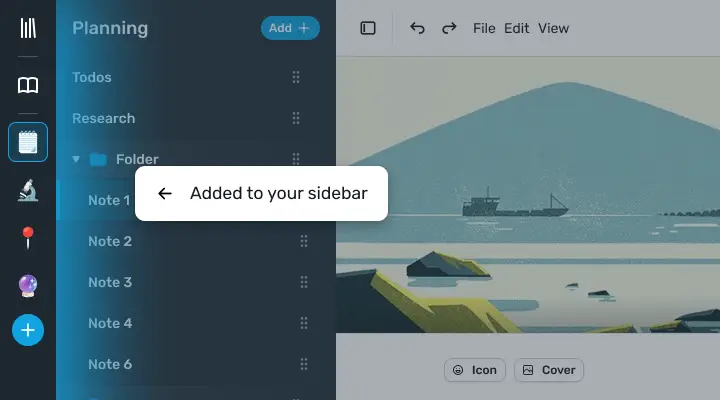
Access the The Horror Starter Kit Template directly from Studio.
Create a project on Studio to access the template gallery.
We made a writing app for you
Yes, you! Write. Format. Export for ebook and print. All for free.