Blog •
Last updated on Jul 30, 2026
19 Writing Portfolio Examples From Working Writers in 2026
About the author
Reedsy's editorial team is a diverse group of industry experts devoted to helping authors write and publish beautiful books.
More about the Reedsy Editorial Team →
Linnea Gradin
Linnea is Editor-in-Chief of Reedsy’s Freelancer Blog, with 6+ years of experience collaborating with experts to create resources on writing, self-publishing, and publishing careers.
View profile →A writing portfolio is a curated selection of your published work. It shows potential clients what type of content you write, who you write it for, and how well you do it.
If you're hoping to make writing a career, the fastest way to build a good writing portfolio is to look closely at ones that already work. Below are 19 real portfolios from working writers — journalists, ghostwriters, authors, and content writers — that you can look to for inspiration to increase your chances of landing your next writing gig.
Ghostwriter portfolios
Ghostwriting presents a very specific conundrum when it comes to putting together a writing portfolio. Much of your best work has someone else's name on it and often you’re under an NDA, meaning you can’t legally take any credit for it. These ghostwriting portfolios present three ways to bypass this problem without breaking contract.
1. Alice Sullivan
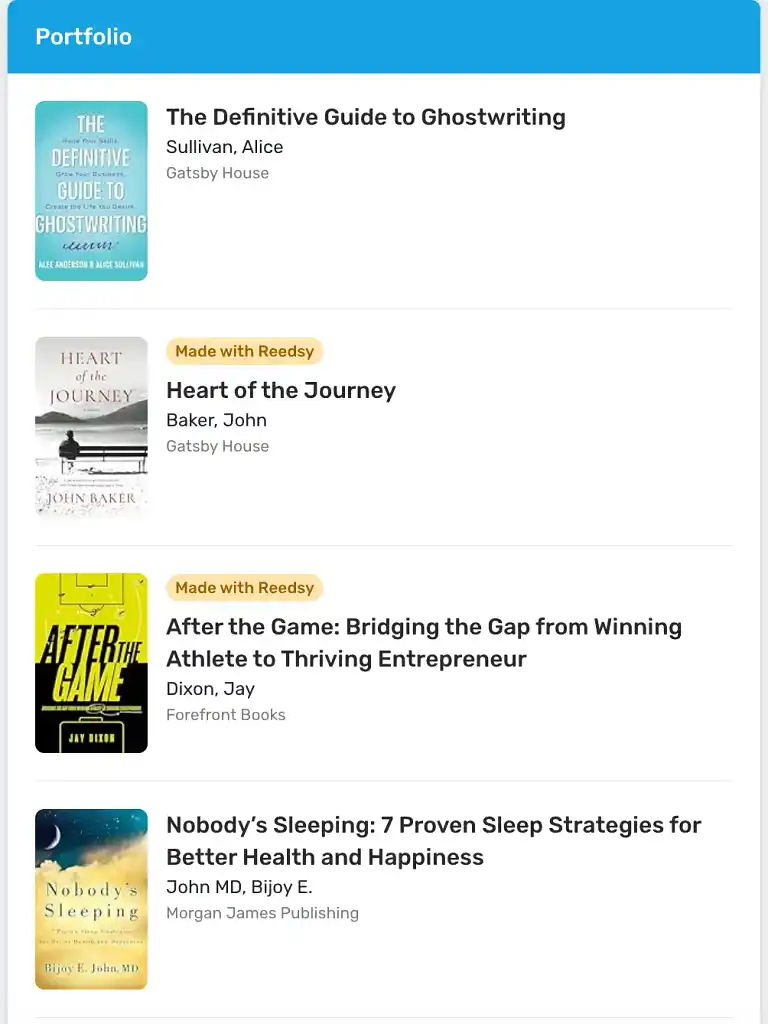
What stands out about Sullivan’s portfolio is how she indicates her expertise and authority as a ghostwriter. Not only does she highlight awards she has received and well-known people she has worked with, but she can even showcase a guide she wrote on the subject! It’s a clear example of how to lead with your credentials.
Her profile — like all Reedsy profiles — also carries client reviews which gives important social proof that she’s the real deal as well as some insight into what it’s like working with her. For a client deciding between two writers whose samples both look good, that's often the deciding factor.
View Alice Sullivan's profile →
If you are a ghostwriter and meet our selection criteria, you can also apply to freelance via Reedsy, and set up a portfolio on your personalized profile, which clients can browse on our marketplace. Check out the criteria here.
2. Michelle Schusterman
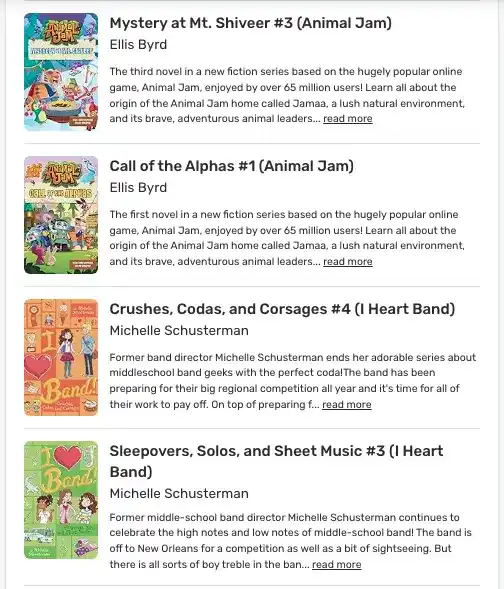
A masterclass in narrowing, Schusterman’s portfolio quickly tells you she is a ghostwriter specializing in middle grade fiction. That precision makes sure any client browsing her profile knows exactly what kind of writer she is (and isn't).
View Michelle Schusterman's profile →
3. Kendall Davis
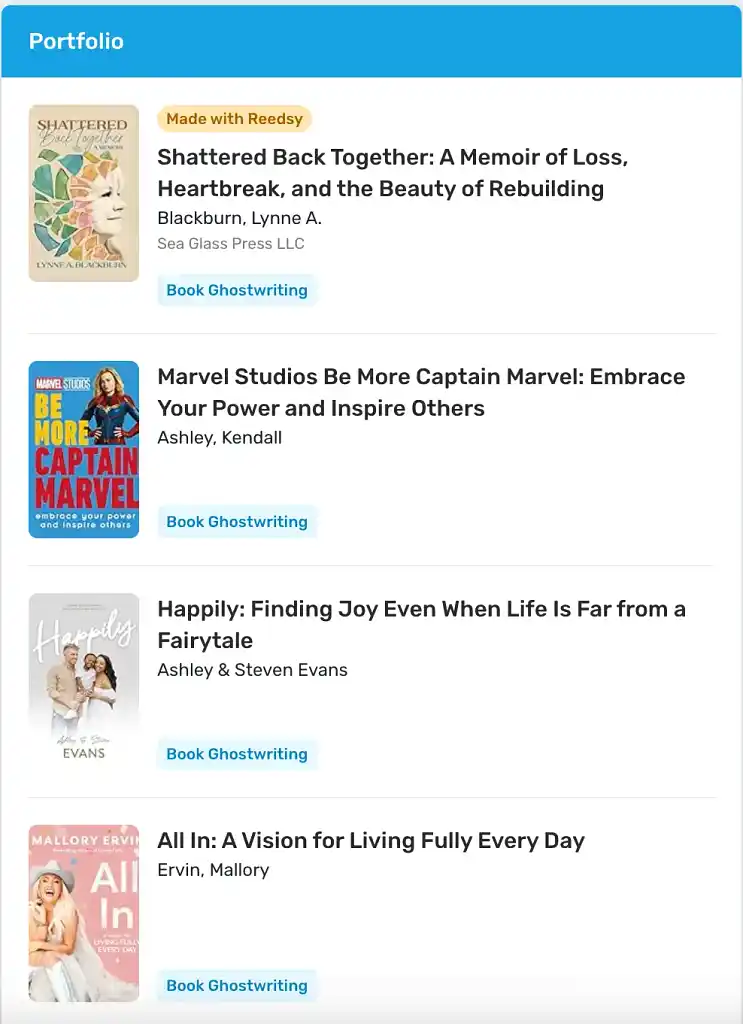
Davis' well-curated portfolio centres around empowering memoirs. She also has an extended overview explaining who she is and her ethos — a nice touch for ghostwriters of all kinds, but particularly if you’re planning to ghostwrite stories of such personal nature. Ghostwriting clients want to know if you’re someone they can trust before they let you see inside their heads.
View Kendall Davis's profile →

JOIN REEDSY
Find exciting new projects
We connect publishing professionals with our community of 1,500,000 authors.
Journalist and reporter portfolios
Journalists tend to have a lot of published work across many different outlets. This means there's a need to show range, without looking scattered. Below are eight portfolios that all strike a good balance.
4. Simon Denyer

Denyer's portfolio is a great example of how to balance breadth and depth. His work covers most of Asia and runs from climate reporting to wildlife pieces to the Olympics. It’s genuinely varied yet has a clear editorial identity that holds it together and sections that are easy to navigate.
Note: on top of his Authory portfolio, Denyer also has his own wordpress portfolio so don’t feel like you have to limit yourself to one or the other.
View Simon Denyer's portfolio →
5. Nida Khan
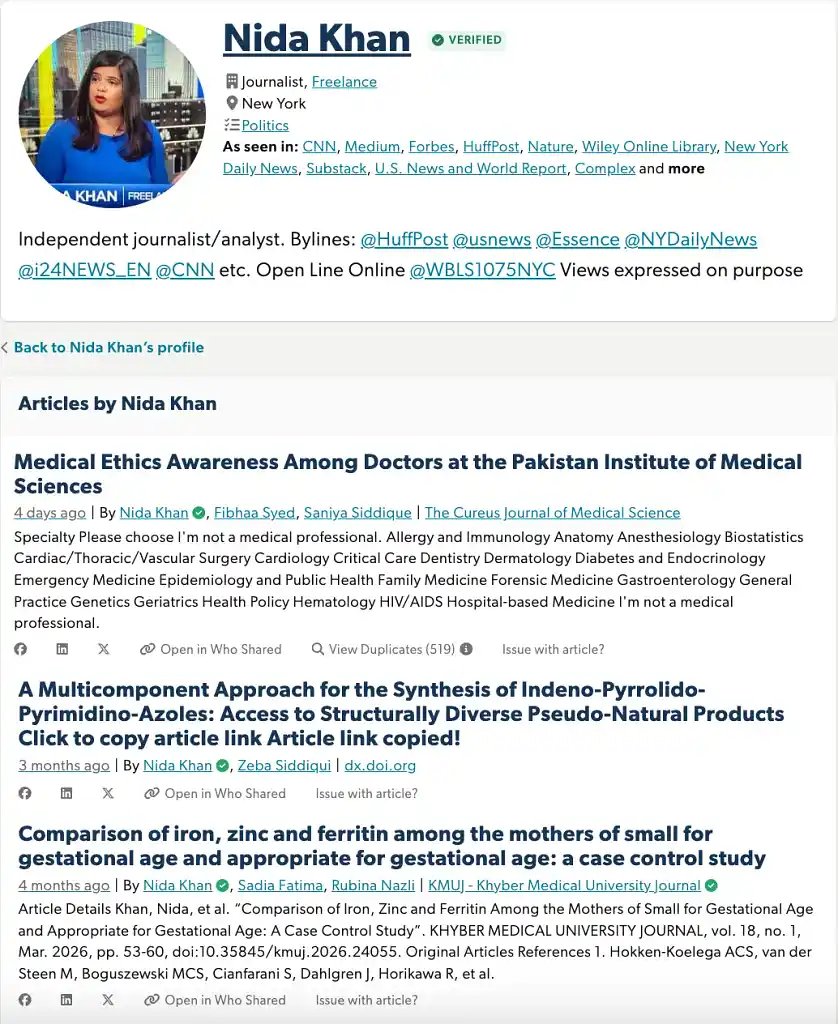
Through this portfolio, Khan shows the range of subjects she's covered as an independent journalist as well as the platforms that have published her. The portfolio is understated and lets the writing and the list of mastheads do the talking.
Also, and perhaps most importantly, it’s up to date!
6. Jonathan O'Callaghan

Slick and direct. Clients who land on O’Callaghan’s portfolio site know exactly what they're getting: a space journalist. This is a good example of a portfolio that doesn't try to do anything clever. One clear niche, presented cleanly often goes further than being a Jack or Jill of all trades.
View Jonathan O'Callaghan's portfolio →
7. Ben Ikenson
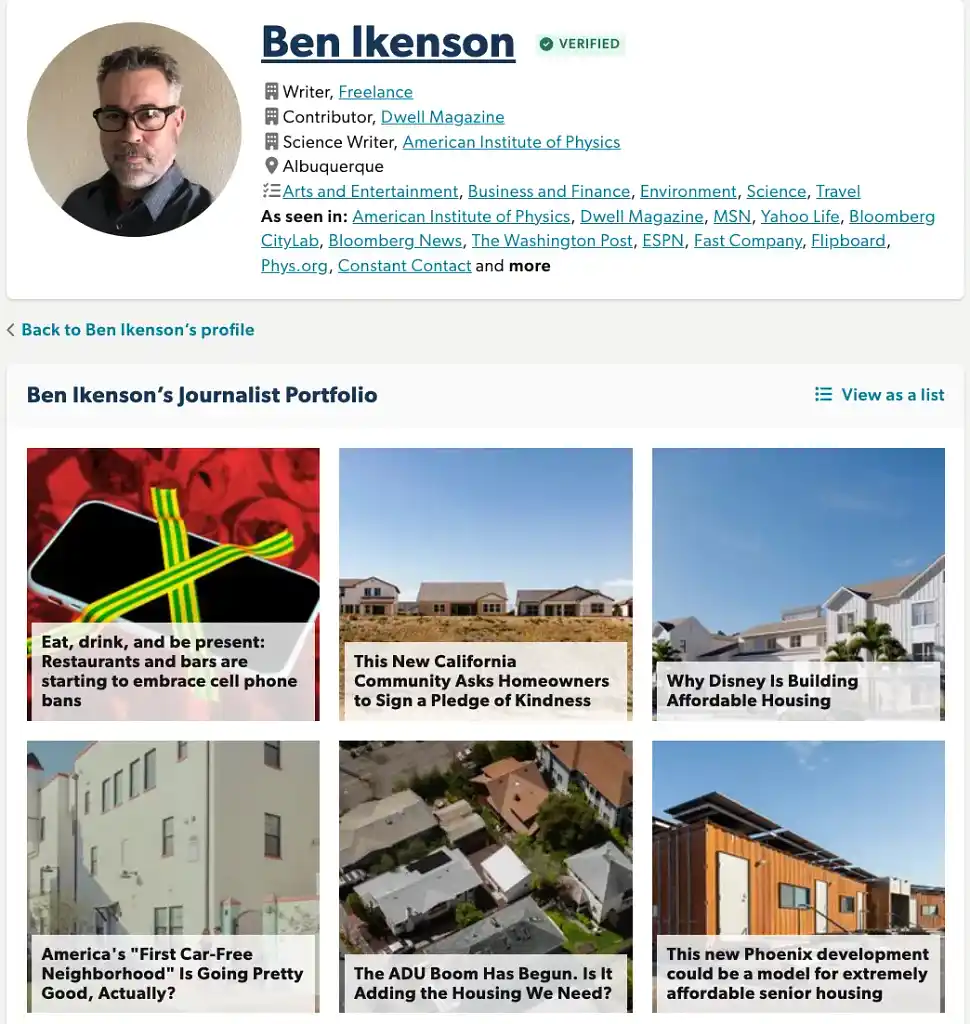
Muckrack — a popular portfolio website — allows you to display your portfolio either as a list or in gallery format. Ikenson makes good use of the latter, showing he has a penchant for real estate-related journalism in the blink of an eye. If a client is looking for someone with the latest insights into housing developments, they’ll know who to call.
View Ben Ikenson's portfolio →
8. Robin van Gammeren
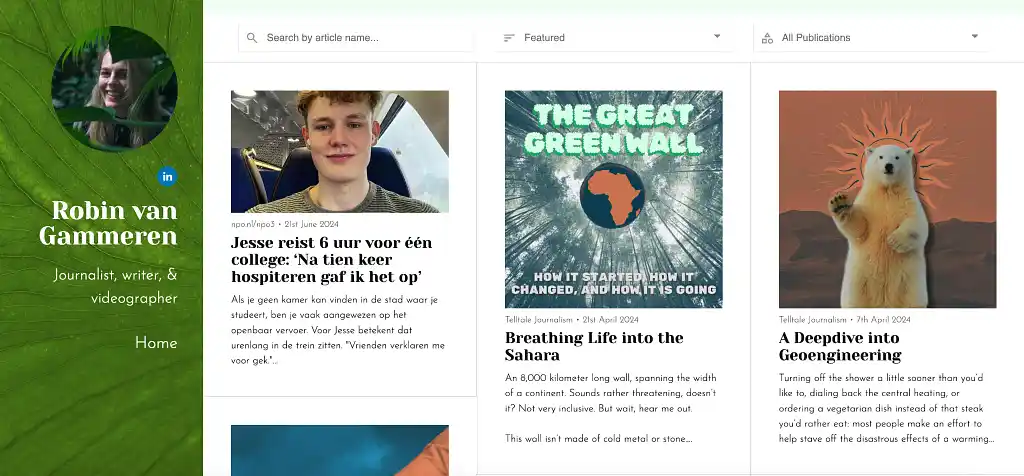
While this portfolio is not up to date (a big minus!), the standout feature here is filtering. Visitors can browse Robin’s work by publication, category, and keyword. Client looking for one specific kind of sample can find it in a click or two rather than a scroll. Plus, it is immediately obvious that Robin writes in two languages!
If your work spans several beats and you don't want to force clients to guess which pieces are relevant to them, this is a good format.
View Robin van Gammeren's portfolio →
9. Jonathan Weinberg
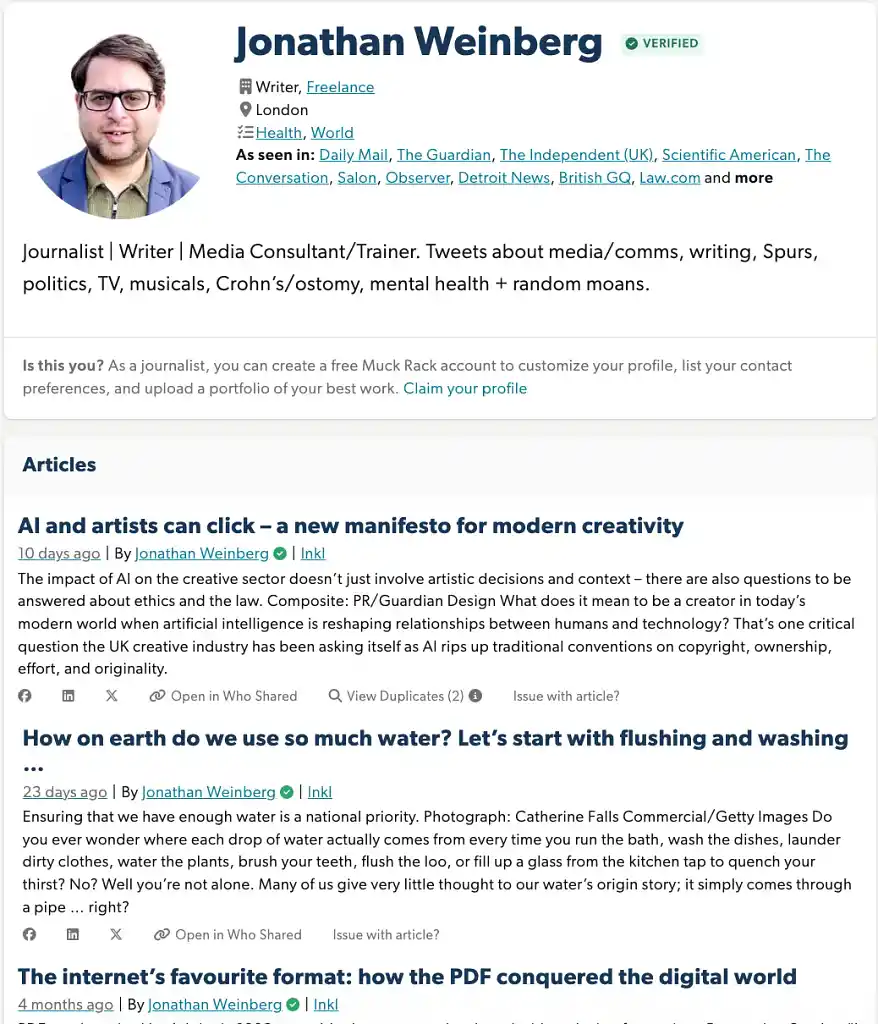
Unfussy and easy to read, Weinberg's portfolio is a reminder that "does the job well" is a legitimate target. Not every portfolio needs to be a design statement, especially when it comes to journalism.
View Jonathan Weinberg's portfolio →
Content, travel, and lifestyle writer portfolios
Whether you’re a travel and lifestyle blogger who doubles as a freelance writer or an SEO-based content writer who excels at marketing copy, you need a place to display your skills. Check out how these writers do it:
10. Dilbar Fayz

Uzbek author and culinary researcher Fayz decided to go down the custom website route for her portfolio. With a stunning website designed by Reedsy web designer Jovan Nikolovski, she combines food and travel writing with a landing page dedicated to her cook book. It’s beautiful and inviting, indicating that this is someone who knows how to tell a compelling story.
View Dilbar Fayz's portfolio →
11. Mayson Taylor
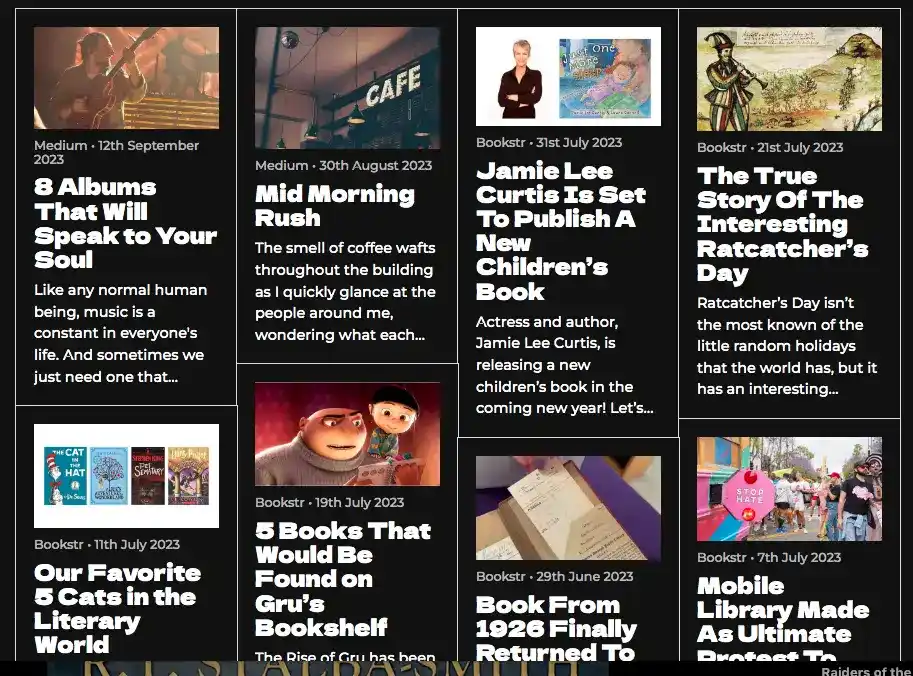
Taylor's profile is stylized to resemble an old-school zine, which suits her pop-culture and entertainment focus without tipping into gimmick. The design is simple and elegant, and it serves to tell a story about the writing, rather than overwhelm it.
View Mayson Taylor's portfolio →
12. Megan Simpson Teeter
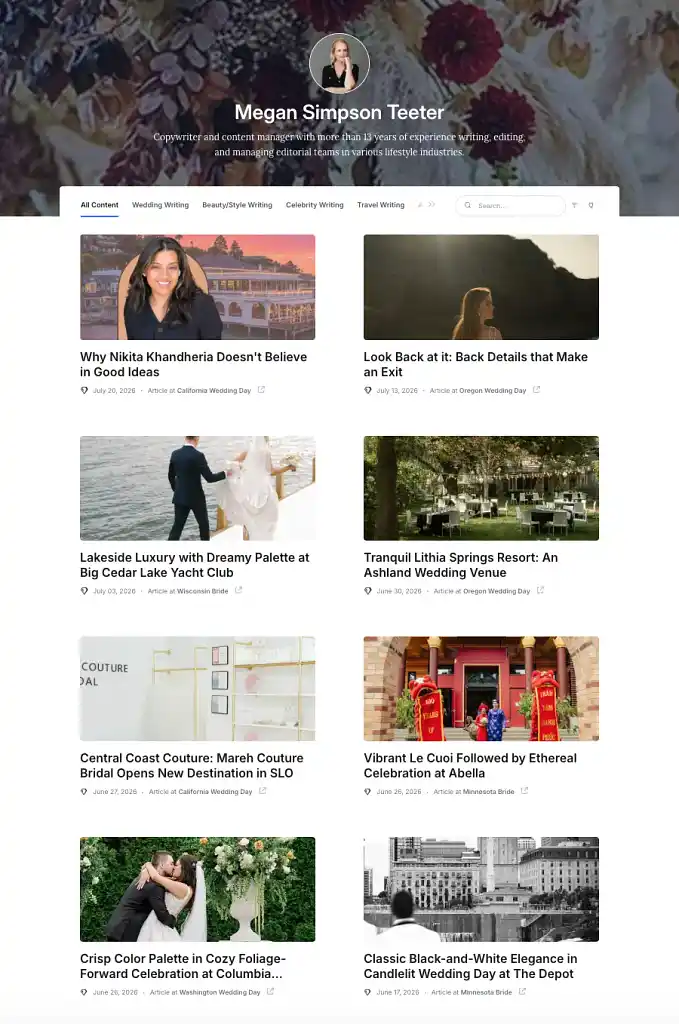
Simpson Teeter makes good use of Authory’s (another portfolio website) filtering functions to divide her lifestyle blogging into different sub-categories. There’s also a clear throughline in her cover page, with wedding and travel content at the heart of it.
View Megan Simpson Teeter’s portfolio →
13. Phoebe Amoroso
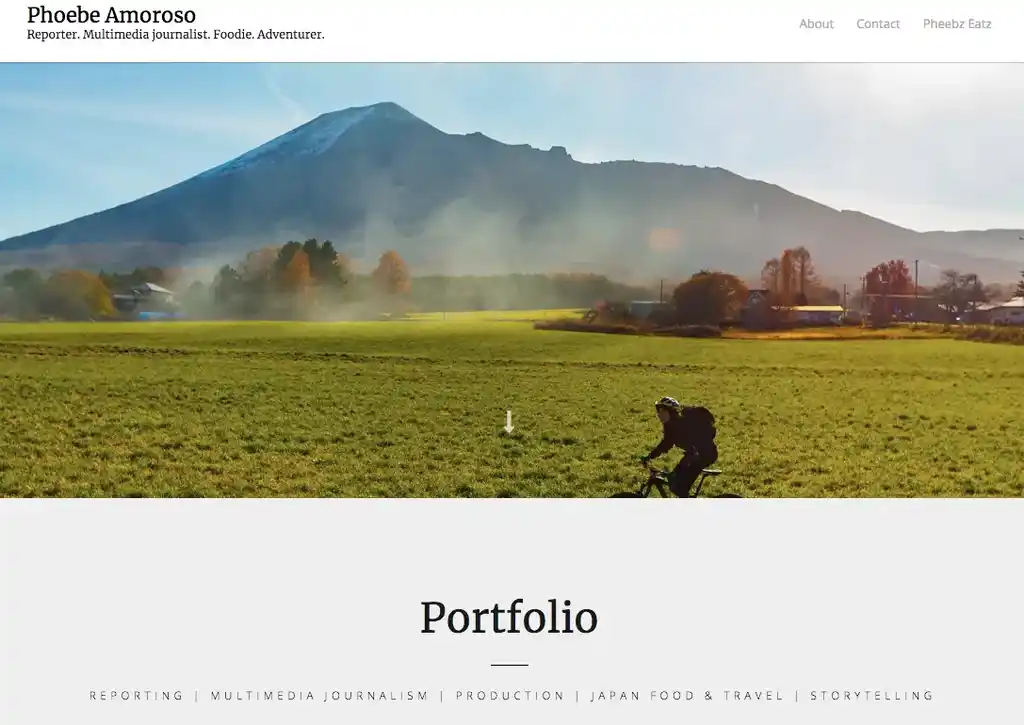
Amoroso's WordPress-powered site is proof that you can build a really sophisticated writing portfolio on website hosting platforms. It’s well structured, tells a clear story about who she is as a writer, and uses visuals only to strengthen the written word.
View Phoebe Amoroso's portfolio →
14. Nozlee Samadzadeh
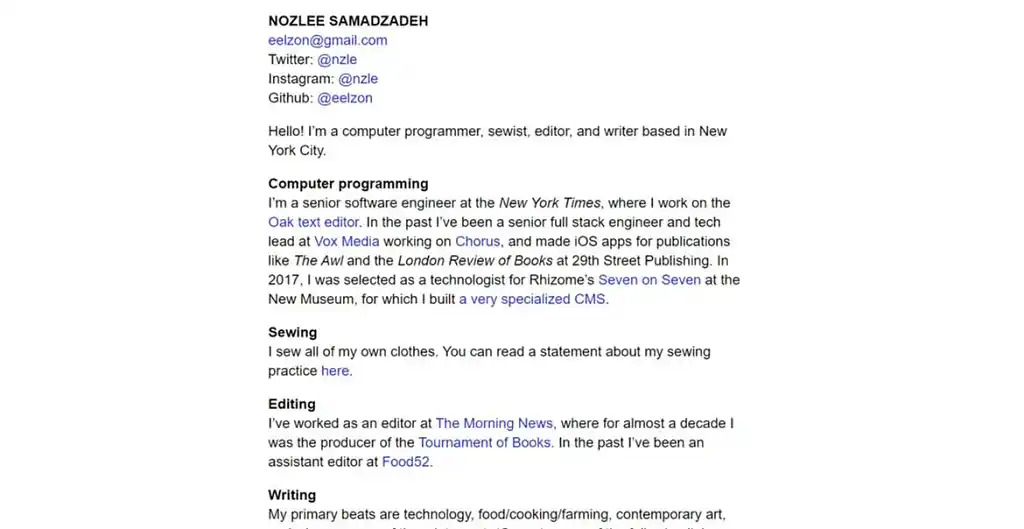
Samadzadeh is a software engineer at the New York Times who writes part-time, and her portfolio is a pure demonstration of how to utilize white space. Minimal design, nothing competing for attention, work front and center. This is particularly useful if you write alongside another career and want a portfolio that reads as deliberate rather than sparse.
View Nozlee Samadzadeh's portfolio →
15. James Bruce
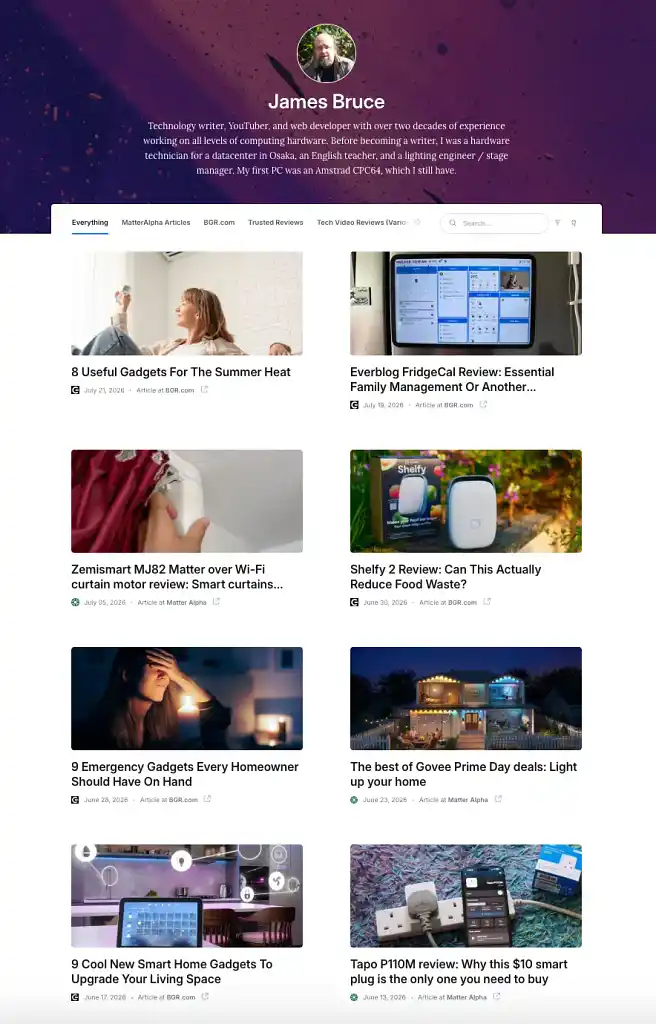
James Bruce is an SEO-based content writer who knows how to highlight his expertise. Not only does his portfolio demonstrate what type of content he excels in (tech), but also how his work experience outside of writing makes him especially qualified to write about it.
Author and novelist portfolios
Lastly, if you’re an author your portfolio is most likely to come in the form of an author website. Not only is this a place to display your work, but also a base from where you can manage things like author brand, newsletters, and perhaps even a storefront where readers can to buy your books. Below are some of our favorite examples of this.
16. A.G. Lamar
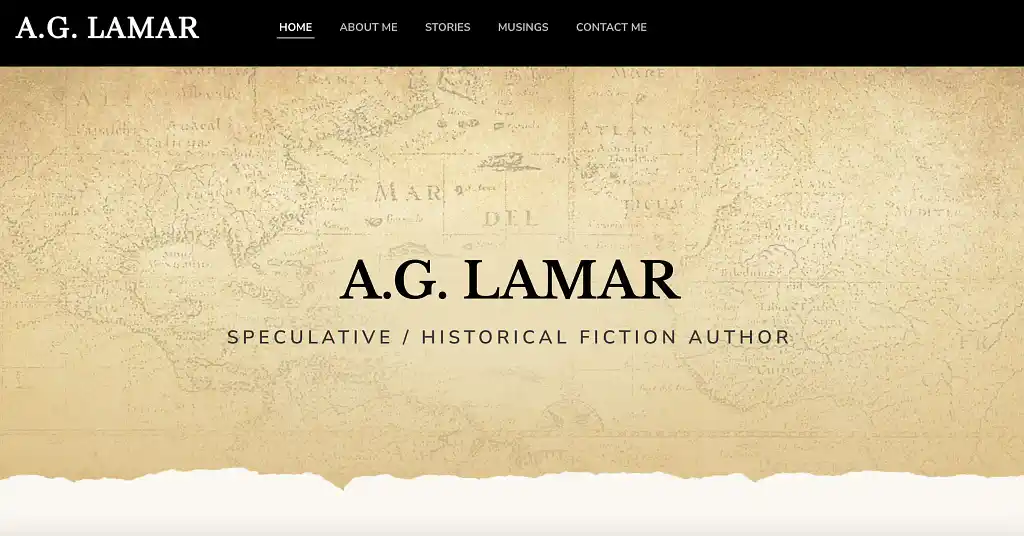
There’s no doubting what you’re getting when you land on A.G. Lamar’s author website, designed by Reedsy website designer Matthew Prodger: a speculative historical fiction author. And even if it weren’t for the tagline, the simple design with the map would lead you in the right direction all on its own.
17. Sharon Janet Hague

Hague's author site was built by Reedsy website designer Matthew Prodger and as an excellent example of what customization can get you. It's clear, professional, and — importantly — works as well on a phone as it does on desktop. Worth remembering that a prospective client may well be looking at your portfolio on the move.

View Sharon Janet Hague’s website →
18. Akwaeke Emezi

Bold and personal, Emezi's site shows what a paid plan on a visual platform can produce: building an author brand. The aesthetics also nicely tie together with their substack, which is linked at the top, reinforcing the effect through consistent branding.
View Akwaeke Emezi's portfolio →
19. Kristin Hannah
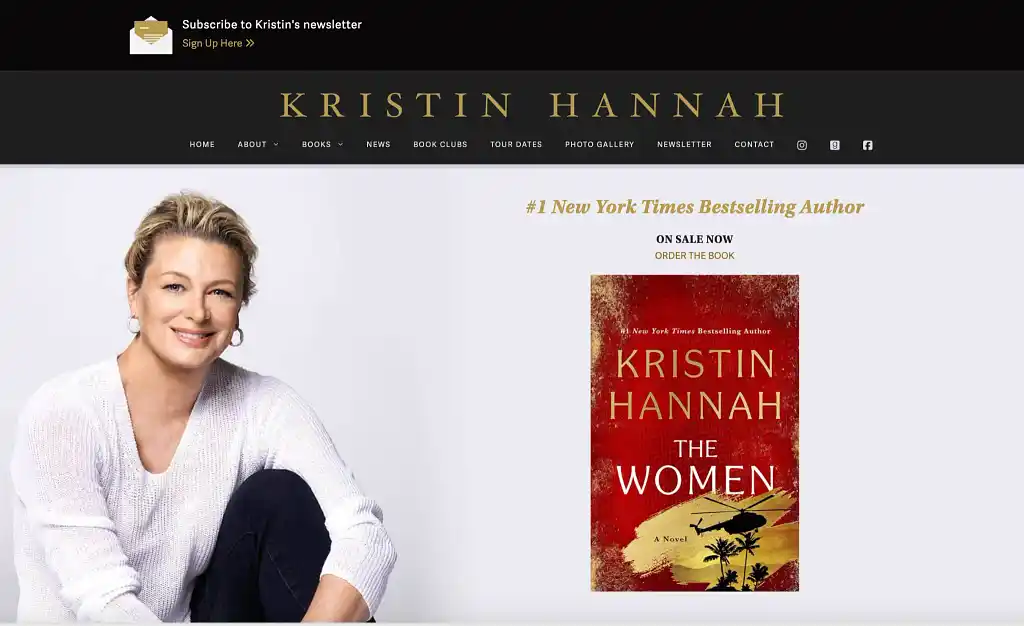
We’d expect nothing less than excellence from an author of Kristin Hannah’s caliber. True to form, her custom website strikes a the perfect balance between functional yet deliberate design. And one thing worth pointing out in particular is the prominence of her newsletter sign-up. Wherever you go on her website, it’s hard to miss the banner at the top of the page. In addition, you can find the sign-up at the bottom of every page, making it as friction-less as possible to stay in the loop.
What makes a writing portfolio work
So what can we learn from all of these examples? Though they all take different approaches, they all hit on the same five fundamentals:
- It's immediately obvious what kind of writer this is. The strongest portfolios tell you within seconds whether you're looking at a science journalist, a middle-grade ghostwriter, or a travel and lifestyle writer.
- The work is curated. Ten to thirty pieces is plenty for an established writer; three to five strong ones is enough when you're starting out. A full chronological archive makes a client wade through irrelevant work to find what they need.
- They’re easy to navigate. The best examples are divided by topic, publication, or by type of writing so a client can find the relevant samples without scrolling too far.
- There's evidence somebody has paid for their writing before. Recognizable client names, publication logos, links to outlets, and reviews serve as powerful social proof.
- The contact information is easy to find. While you should focus on the work itself, don’t forget the end-game: to get that client email!
Design matters too, but less than you might think. Use simple color schemes, generous white space, and sans serif fonts — and get out of the way of the writing.
Each of the portfolios in this article instantly makes it obvious what the writer does, curates rather than archives, and gives a client an easy way to make contact. Importantly, it lets the work do most of the talking. But, if you're starting from nothing, our guide to how to create a writing portfolio walks through the process step by step, including what to do when you’re not yet a published writer.