Posted on Aug 14, 2026
10 Children’s Book Illustration Styles (With Examples)

Dario Villirilli
Dario Villirilli is a senior content marketer, editor, and SEO strategist with many years of experience in publishing. He is Managing Editor of the Reedsy Blog and has also written for IngramSpark, ProWritingAid, Written Word Media, and PublishDrive.
View profile →
Savannah Cordova
Savannah is Editor-in-Chief of the Reedsy Blog. She has 8+ years of experience crafting content about how to write, edit, design, and publish your book as an independent author.
View profile →As a children’s author, how can you choose the best illustration style for your book? The illustrations must set the story’s tone and appeal to your target readers, so it’s crucial to get them right.
This post explores 10 of the most popular children’s book illustration styles, with examples and style-related suggestions for different age groups. Check out the aesthetics below to find the perfect style for you.
Hire a children's book illustrator

David S.
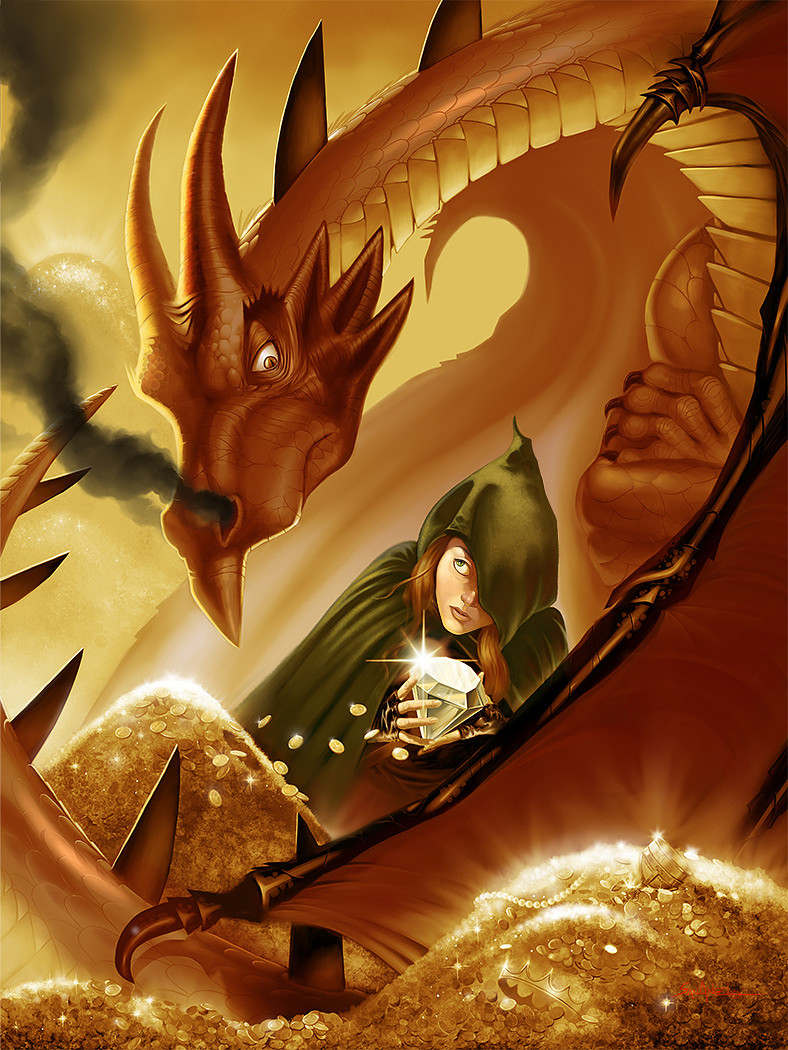
Award-winning illustrator, specializing in MIDDLE GRADE, PICTURE BOOKS and HORROR. I help writers realize their dreams. How can I help you?
Request a quote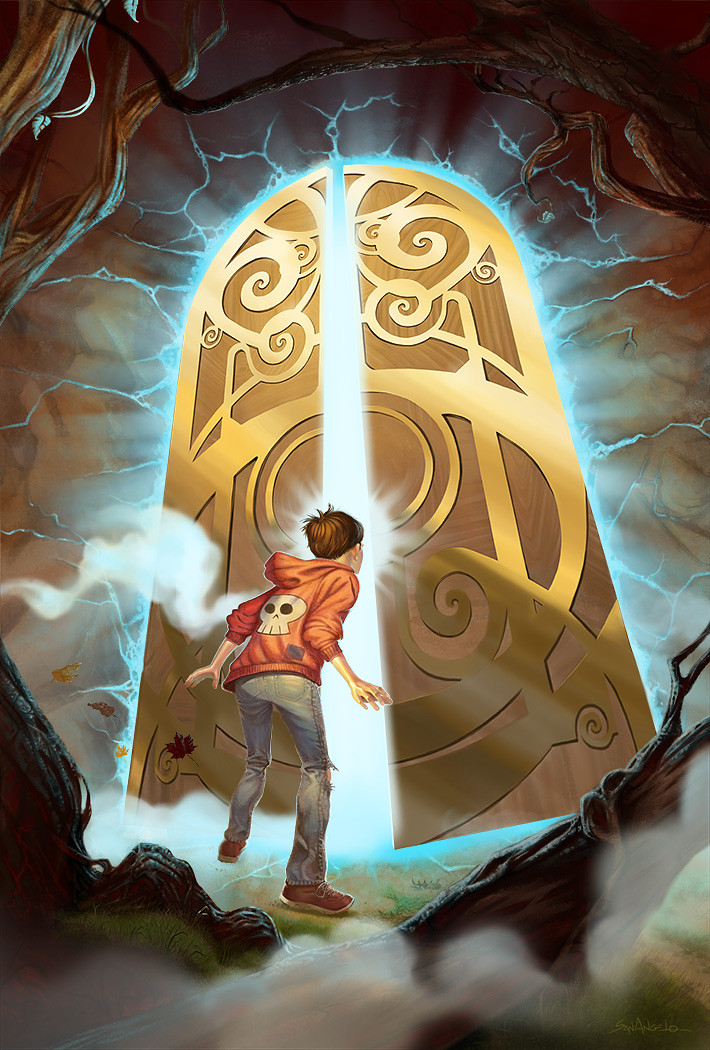


Ashlyn I.
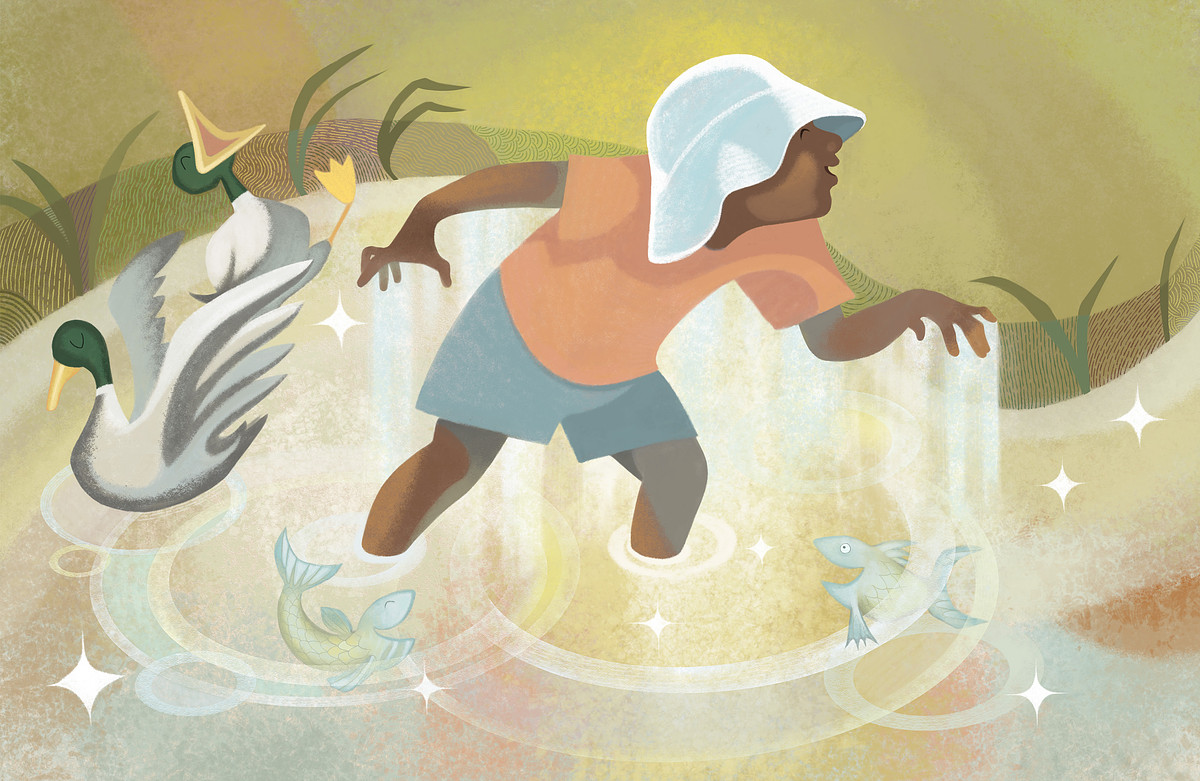
An adventurer and mountain obsessed illustrator helping authors bring their stories/adventures to life! Excited to start this expedition!
Request a quote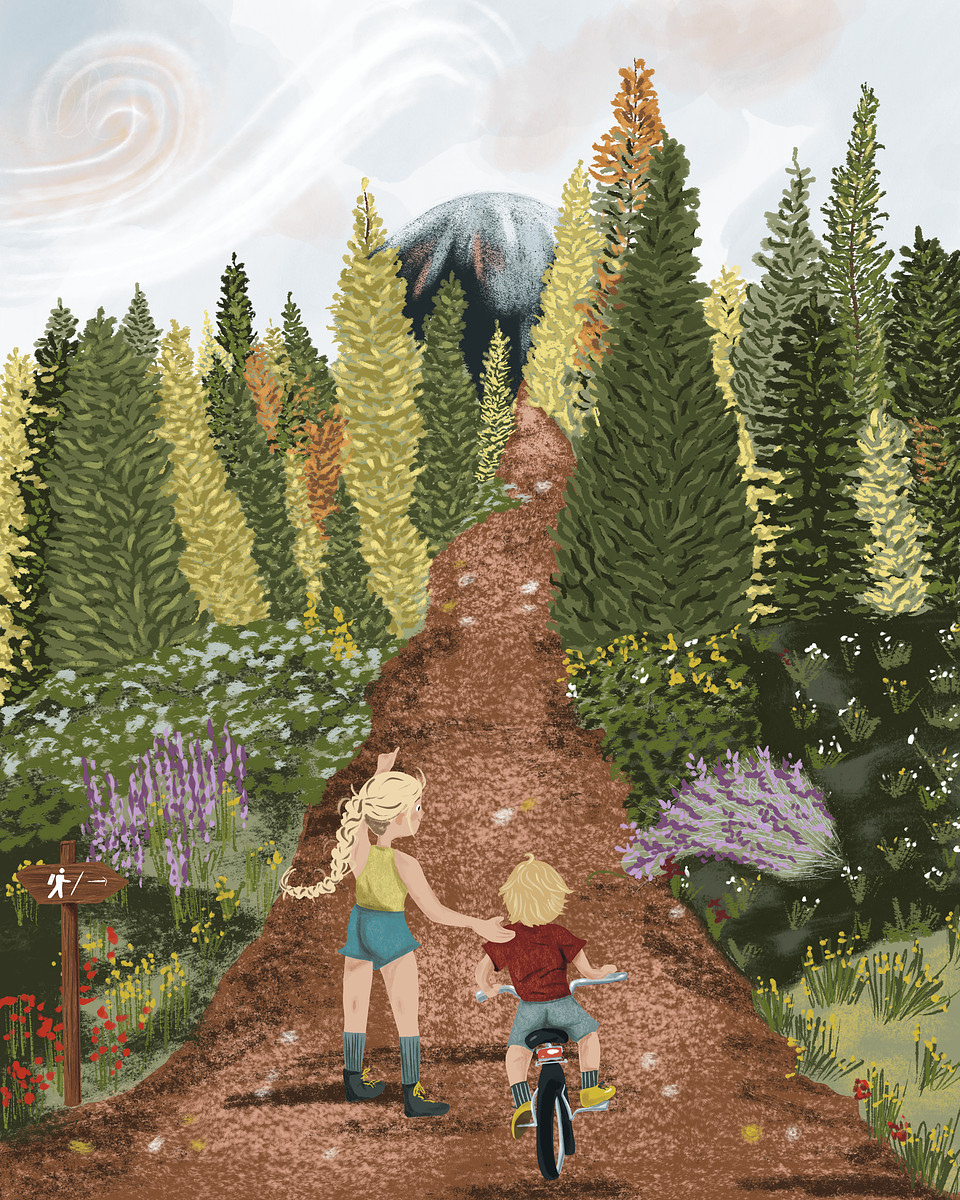

Irene S.
I am an illustrator and art director based in London. I love illustrating children's and young adults books!
Request a quote
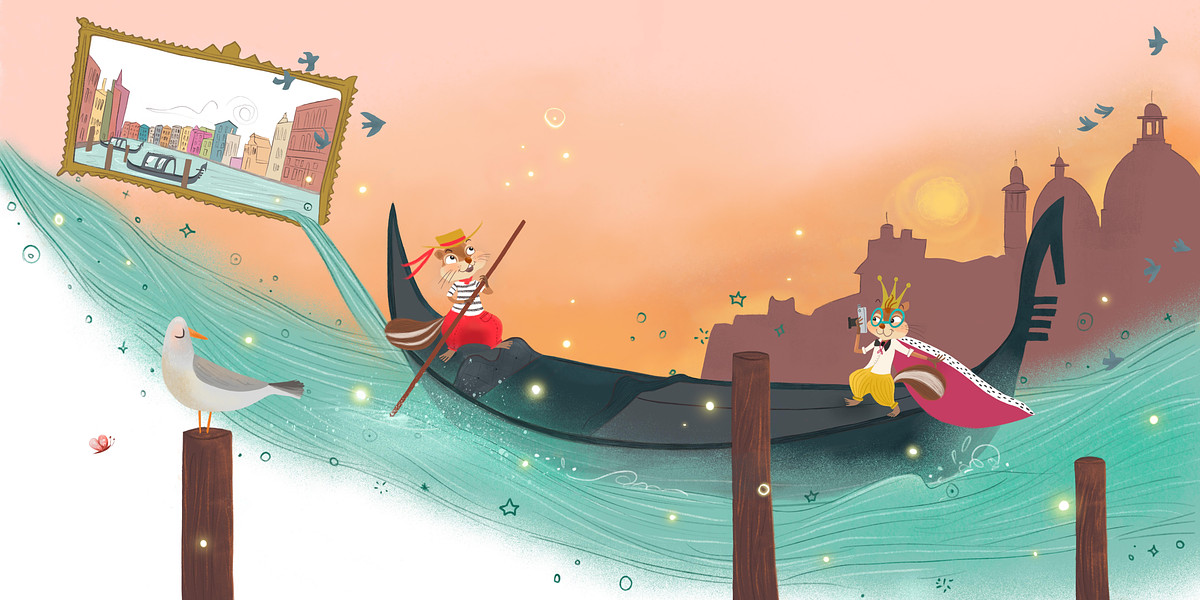
1. Cartoon
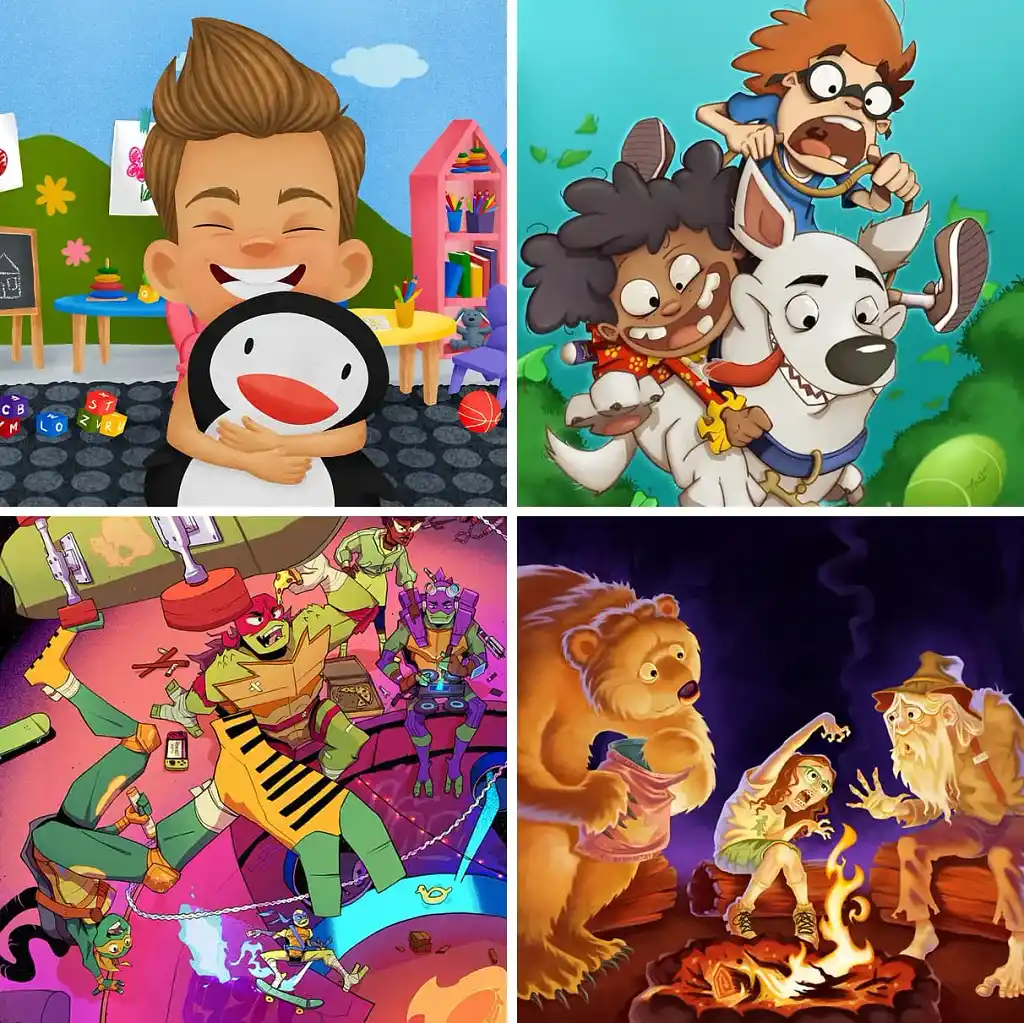
Illustrations by Nataliia K., Paul T., Alice W., and David S.
These cartoon illustrations strike just the right balance of Saturday-morning nostalgia and modern fun. There’s something irresistible about over-the-top characters and big, bright colors, especially when telling an adventurous or silly story! This means the cartoon style can appeal to kids of all ages — whether in a kindergarten picture book or a middle-grade graphic novel.
You see this style take a few different forms here. Nataliia K. creates a heartwarming scene of a boy and his penguin, making great use of smooth digital shading. Paul T., meanwhile, goes for pure chaotic joy — crazed facial expressions and slapstick energy that instantly makes you smile. Alice W. brings a sharper, comic-book edge with neon tones and angular flair, while David S. saturates his campfire scene with warm, golden light — made all the cozier by its contrast against the dark night sky.
Q: What's your process for creating a storyboard and refining character designs in children’s books?
Suggested answer

I usually begin by reading the manuscript several times: first to understand the story and its emotional arc, then to identify the key visual moments, page turns and opportunities for the illustrations to add something beyond the text. I create small thumbnail sketches for the entire book, focusing on pacing, composition and variety—balancing full scenes, close-ups, quieter moments and more dynamic spreads so the book feels visually engaging from beginning to end.
Character development happens alongside the storyboard rather than as a completely separate stage. I begin with exploratory sketches to find the character’s personality, proportions, expressions and body language. Then I test the design within actual scenes, because a character needs to work not only as an appealing standalone image, but also from different angles, at different scales and across a wide range of emotions and actions.
Laura is available to hire on Reedsy

When working on a new book, I read the story over and over until I picture the main parts in my mind.
From there, I divide the story into a number of pages that is acceptable (often 24 but not always), depending on the amount of text and the writer’s requirement sometimes. For each part of the text, I write a short sentence that will remind me of the main elements I want to place on that illustration and if I think this should be a spread, single page or spot illustration.
Then, I start drawing thumbnails of each scene, this should not take more than a couple of minutes per illustration. I am looking at placing the right elements in the right spots on the page.
I keep in mind that every decision I want to make will have to be approved by the author so there is quite a bit of messaging back and forth going on at this stage of the project.
When it comes to character design, I have found that children’s book author often have a very vague idea of what they see in their mind and that’s also why they hire me. So, there’s room to play but the author will often ask for different version of the same character or will want to add details as you go. The main thing is to keep communication happening until they are satisfied.
Charlotte is available to hire on Reedsy

I begin with character design as this is the foundation for any book. Without strong character design the storyboarding will not be as impactful. Storyboarding then follows which brings the scenes to life!
Tommy is available to hire on Reedsy
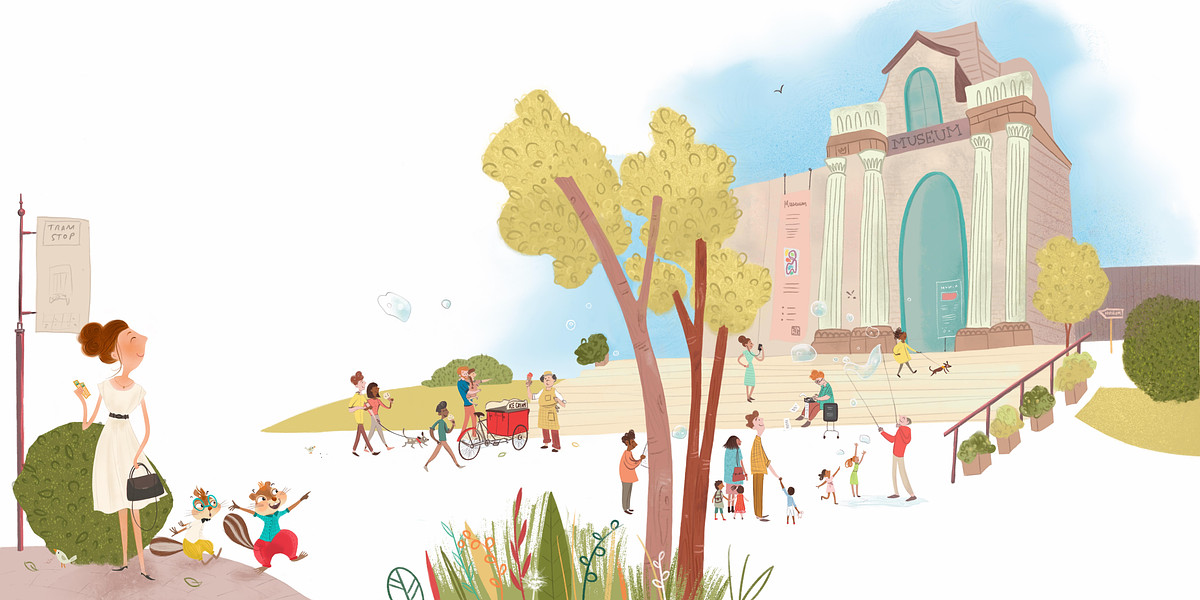
2. Watercolor
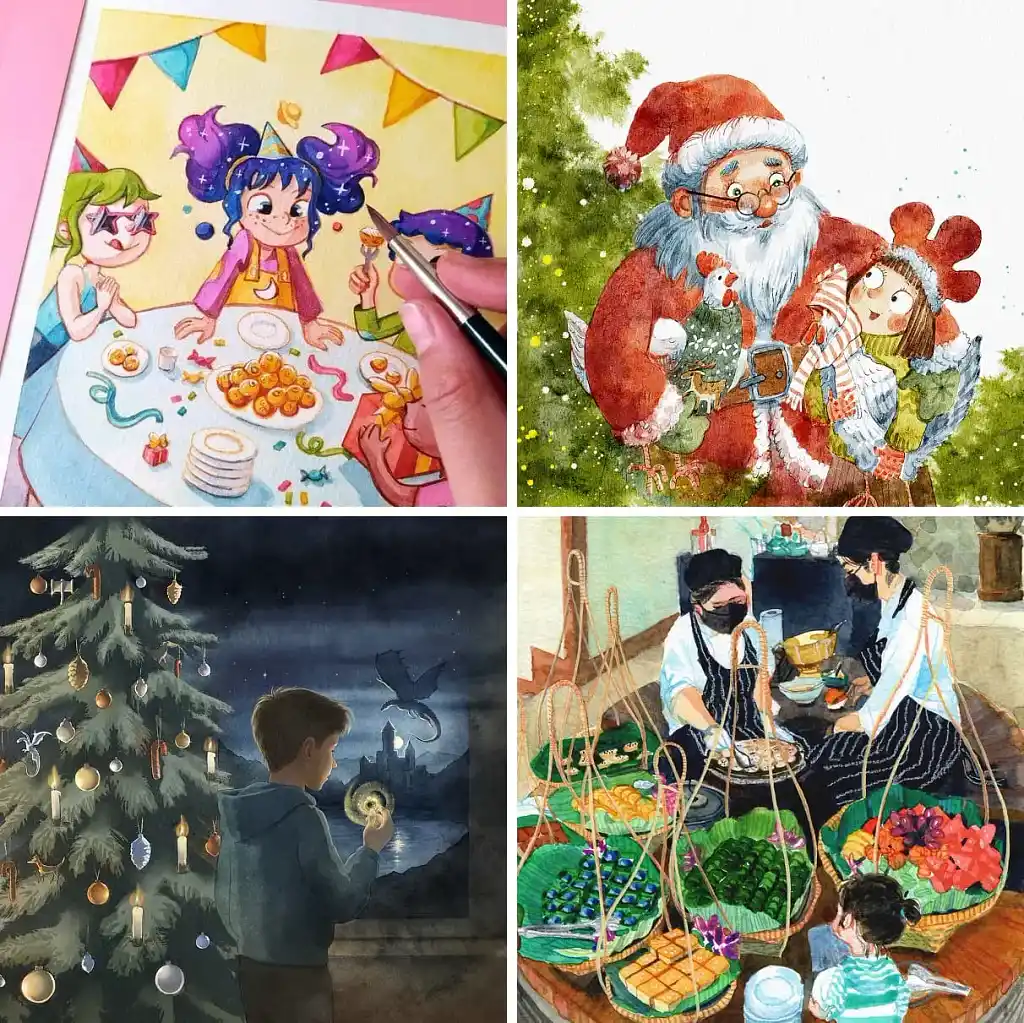
Illustrations by Christelle P., Iryna P., Nicole H., Maki Y.
Watercolors are cartoons’ thoughtful, more softly spoken cousin: they may not be as bold and bright, but they can still make a powerful impression. These gentle colors and gradients are ideal for tales of friends, family, and emotional reflection. Watercolors tend to work better for readers on the younger side (ages 4-7 or so), but they can also be effective for older readers in some contexts.
As for the artists on display here, they coax the best out of the medium. Christelle P. paints a sweet (in every sense of the word!) scene with candy-colored pigments, adding depth with sparkles and shadows. Iryna P.’s Santa portrait will tug on your heartstrings — but she lends levity with a pair of sweater-clad chickens. Nicole H., meanwhile, reaches for deep blue and sage green washes to conjure something more atmospheric, while Maki Y. layers intricate details to bring a food vendor’s stall humming to life.
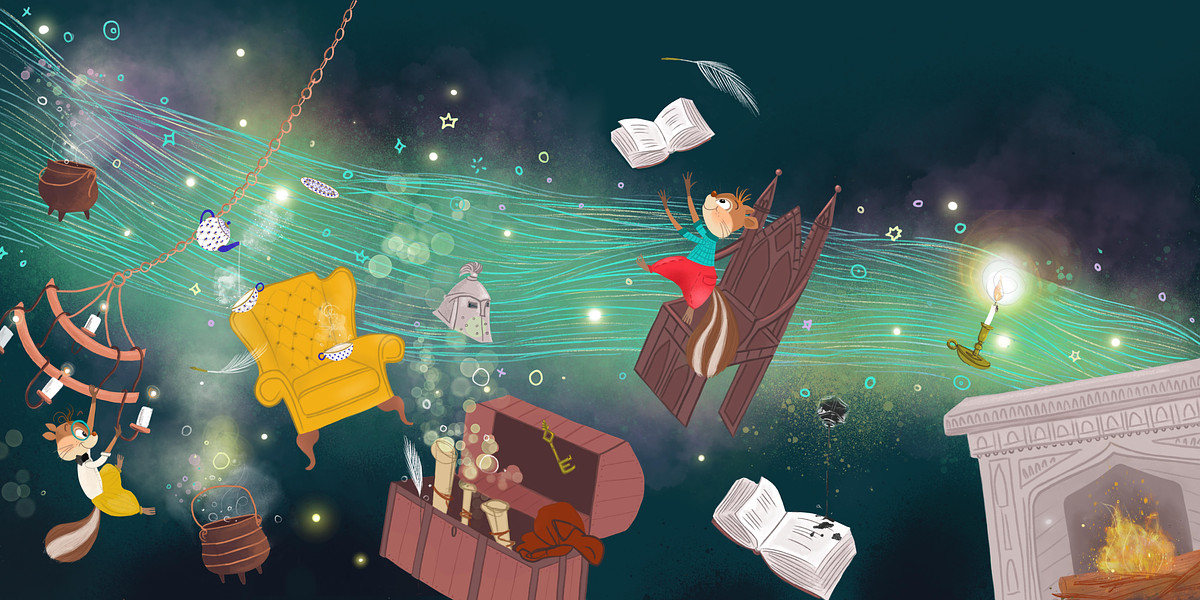
3. Whimsical and otherworldly
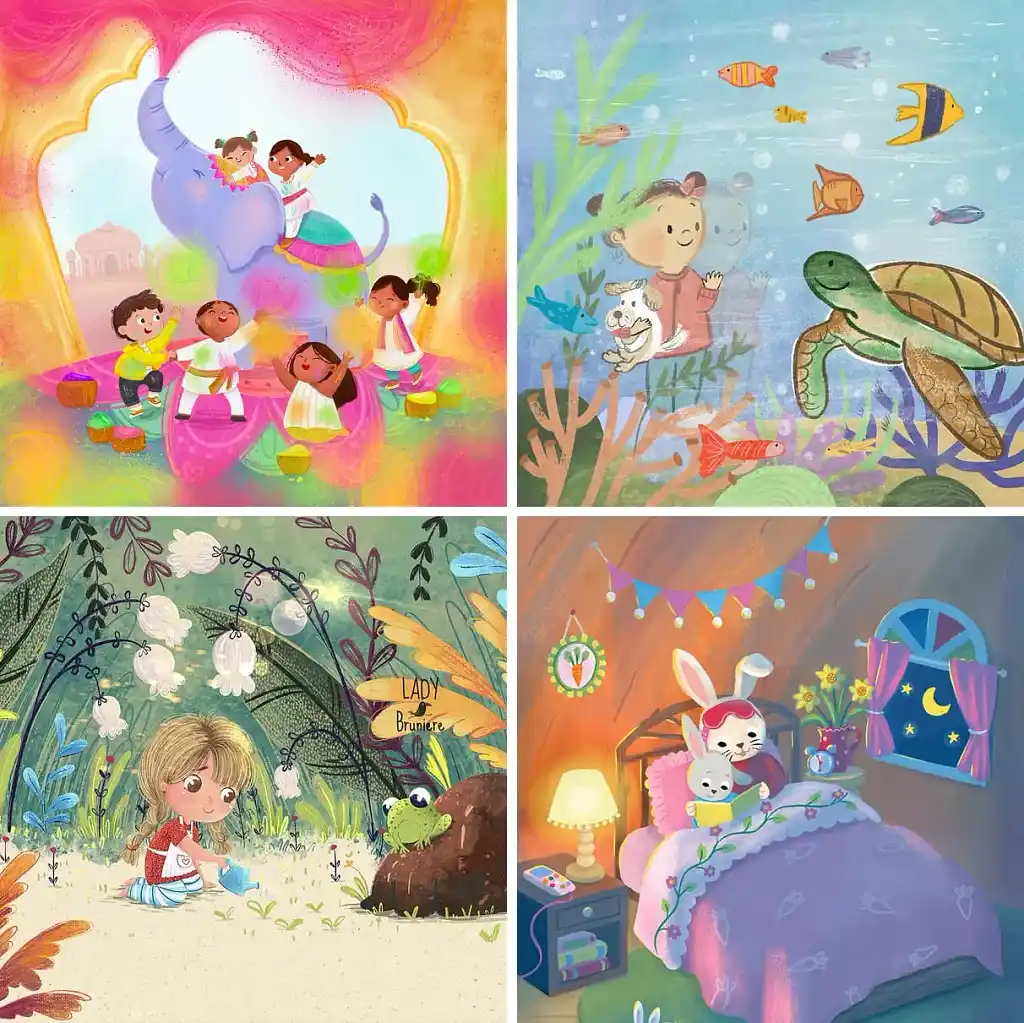
Illustrations by Rania T., Sakshi M., Aline B., and Noopur T.
This whimsical illustration style is for readers who still believe in magic — or at least want to lose themselves in other worlds for a bit. While the artists’ methods may vary, the illustrations share certain qualities: lots of pastels, vibrant colors used less frequently, and starry-eyed settings that beckon the imagination. As with watercolors, this style is best for younger readers… especially if you want your book to become a classic bedtime story!
Fittingly, each artist above builds a whole world in a single scene. Rania T. paints an elephant ride with glowing colors and powders, evoking the Hindu festival of Holi. Sakshi M. uses crayon-like textures and soft colors to craft an underwater world of wonder. Aline B. surrounds a tiny gardener with oversized flowers, and Noopur T. creates a touching tableau of a bunny being tucked into bed — making even simple domesticity feel magical.
4. Realistic/semi-realistic
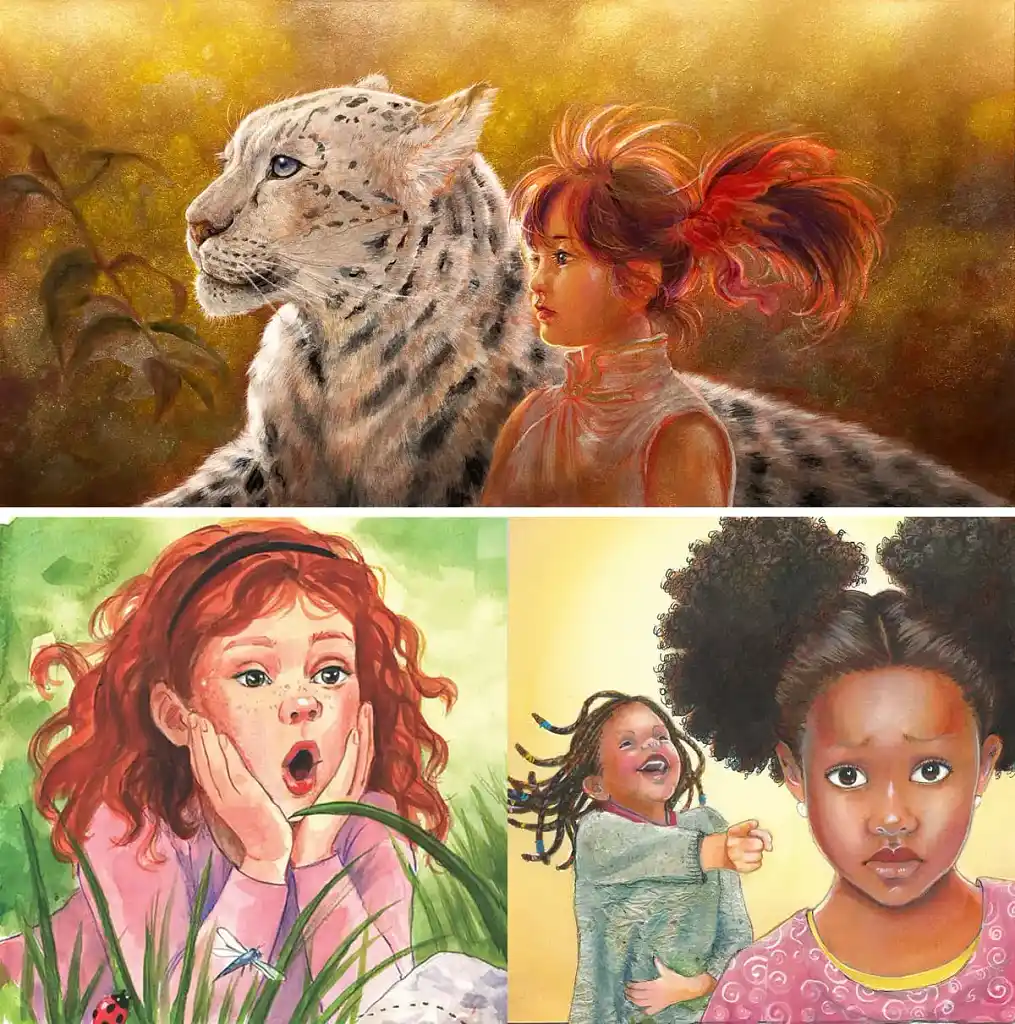
Illustrations by Dali W., Claudia G., and Penny W.
Then again, sometimes a story needs to feel grounded and real. That’s where realistic (and semi-realistic) illustrations come in. True-to-life proportions and lighting are the hallmarks of this style — which can work well for youthful picture books and books for older readers. Particularly if you’re writing nonfiction, historical fiction, or MG/YA about a serious topic, consider a realistic illustration style for your book.
In the top image, Dali W. elegantly captures the solemn faces of a girl and a snow leopard — making you curious what they could be looking at. Claudia G. and Penny W. aim for more expressive portraiture, with carefully shaded skin tones and lighting. But while the girl on the left displays wondrous curiosity, the girl on right is more reserved — clearly upset by her classmate’s teasing. This shows the impressive emotional range of realistic (and semi-realistic) illustration.
Q: What, in your opinion, is most important to remember when illustrating for children's books?
Suggested answer

Always see the world through the child’s eyes.
When I’m illustrating a children’s book, I try to align myself with that sense of exaggeration that kids feel so naturally. Is the main character feeling happy? Then everything around him is colourful and alive! Is he feeling anxious? Then maybe the people surrounding him are grey and looming. The tree you used to climb when you were little surely felt like it touched the sky… so why not draw it like that?
I also think it’s important to create artwork that invites kids to explore. I love when an illustration has little surprises, like a hidden animal peeking from behind a tree, or a character wearing mismatched socks. Plot-irrelevant details give children a reason to linger on the page and discover something new each time they read the book.
Christina is available to hire on Reedsy

Have fun.
These books are for kids and if you think about it the world of children's books doesn't need to have rules. So push the boundaries of your drawings. Maybe the trees are pink, blue, and red instead of green. Or the house is full of wonky windows, you don't need to stick to reality. Colors, textures, and shapes push them and see what they can do, it's way more fun as an artist to draw something that pushes your creativity. You'll of course need to keep the client involved, sometimes they ask for more realistic illustrations. Don't be afraid to ask I've found that most of the time authors want their book to be fun and whimsical too.
Danika is available to hire on Reedsy

A children’s book should above all spark the imagination: it’s not a mere visual translation of the words, but a parallel world that lives in harmony with the text. Illustrations should spark curiosity, invite questions, and go beyond rules and conventions. They should open windows onto unexplored, fantastic worlds where children can wander and discover.
Sasha is available to hire on Reedsy
Fun, expressive & relatable characters. Bringing their personalities to life!
Tommy is available to hire on Reedsy
5. Pen and ink drawings
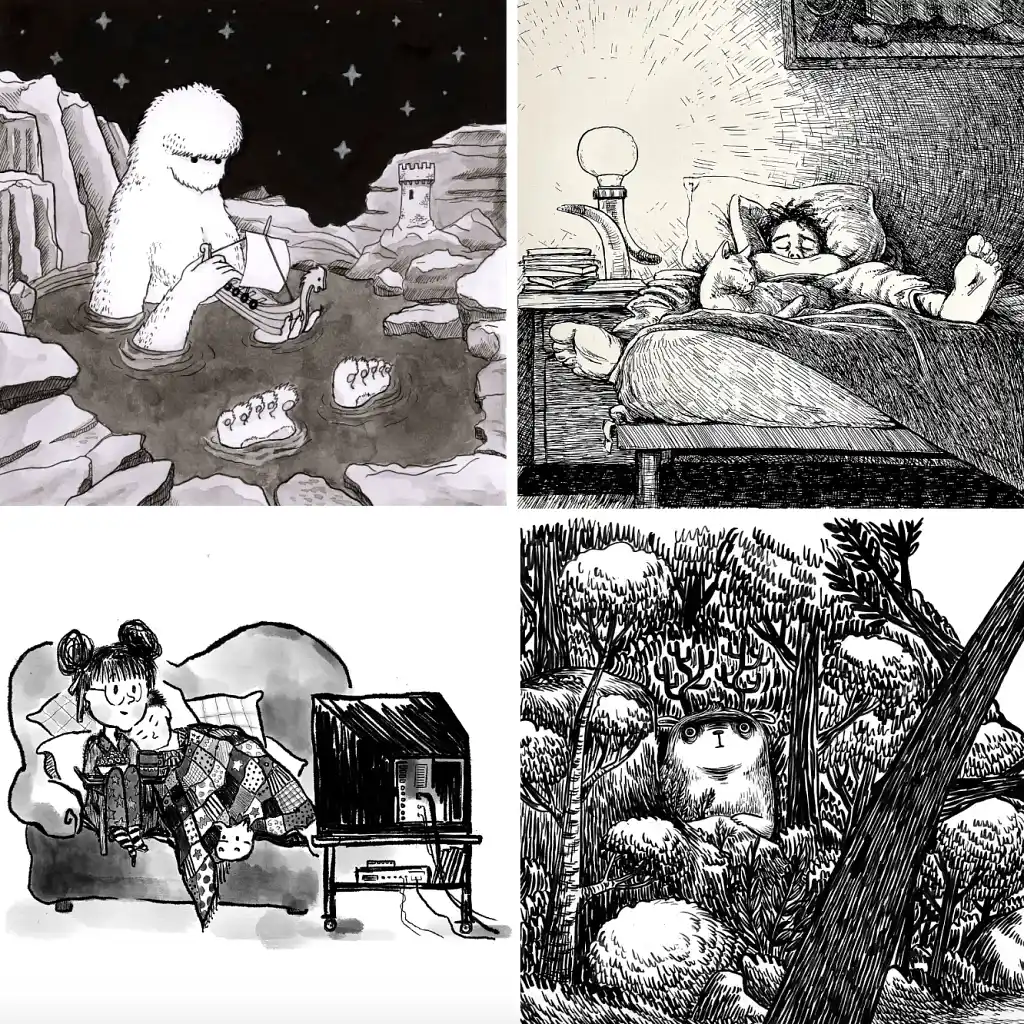
Illustrations by Dora D., Rebecca S., Katerina S., and Laura M.
Often rendered in black-and-white, these illustrations do a marvelous job with form, texture, and shadow. (They have to, without any color for distraction!) From cross-hatching to bold, dark lines, the images above combine the poignancy of hand-drawn art with each artist’s unique take on the subject. The result: a striking, memorable style that can work well for chapter books and classic-feeling picture books alike.
Dora D., for example, uses grayscale shades to craft a Greek-inspired scene that’s fantastical yet familiar. Rebecca S. builds a shadowy bedroom out of meticulous cross-hatching and an expert understanding of light. Katerina S. brings a sweet, scribbly style to this cozy living room scene, and Laura M. wields inky linework to conjure a wide-eyed forest creature.
6. “Flat” and graphic
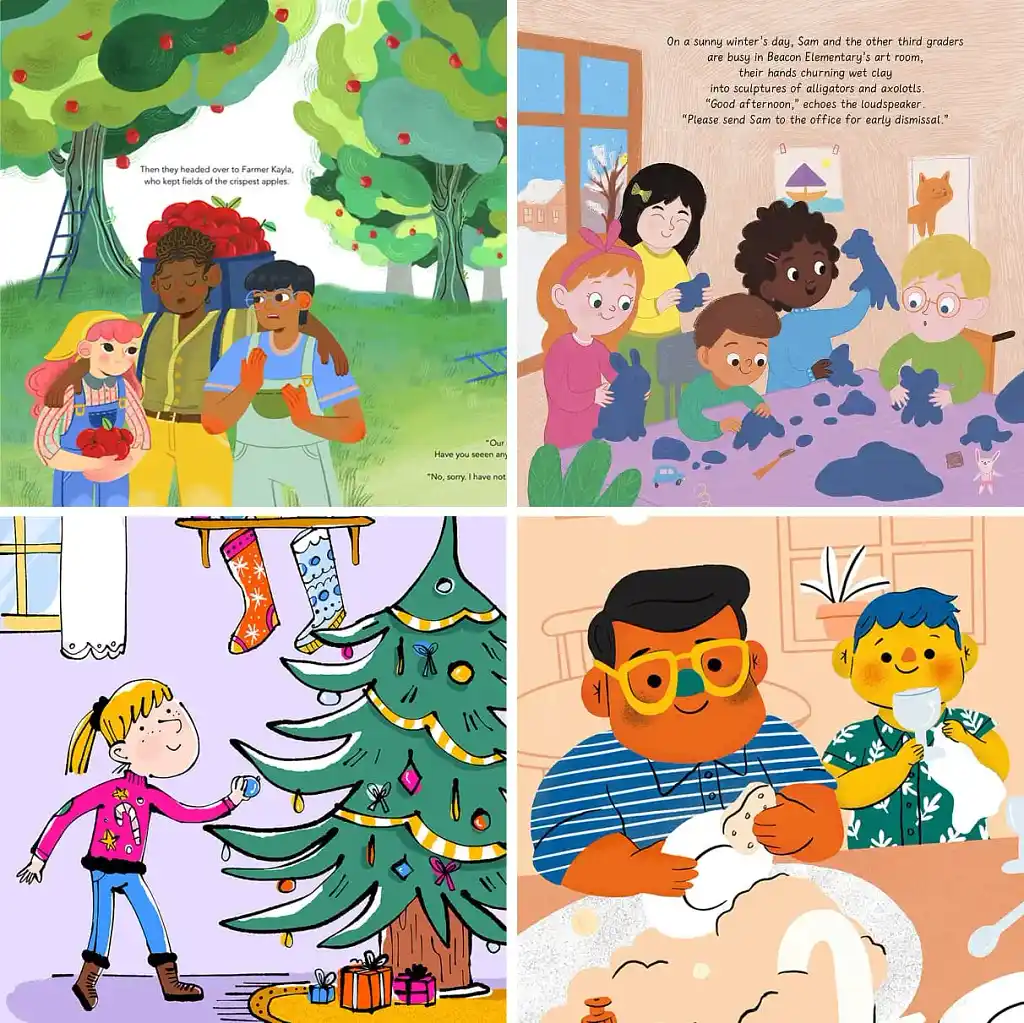
Illustrations by Pauline P., Kseniia K., Laura W., and Margarida E.
Clean shapes, rainbow colors, nary a shadow in sight — for this style, the motto is, “Keep it simple, silly!” Blending mid-century design principles with modern vector art, these illustrations are meant to grab (and hold) young children’s attention throughout a picture book or animated program.
Pauline P. and Kseniia K. both lean into solid colors and minimal depth, keeping their scenes easy to absorb at a glance. Laura W. adds thick, hand-drawn outlines around bold fills for a charming finish, reminiscent of old Peanuts cartoons. Lastly, Margarida E. plays with vibrant contrast and a touch of grain (on the characters’ faces and in the sink) to create a cheery moment for our dish-washing duo.
7. Stylized and decorative
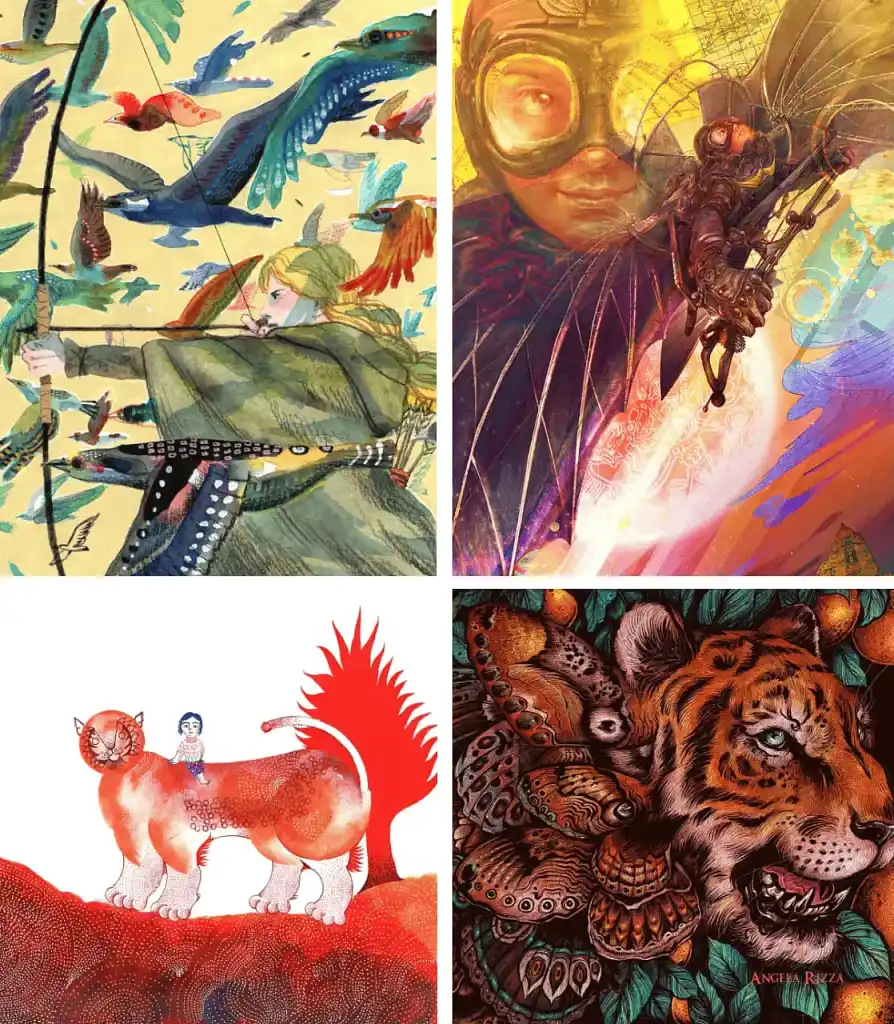
Illustrations by Maki Y., Dali W., Amin S., and Angela R.
If your children’s book is more conceptual or even mythical, this decorative style can work beautifully. From intricate patterns to textured touches, each element helps build a world totally unlike our own. With so many layers, this style really rewards a sharp eye — so while it is great for picture books, the target audience may skew a little older (we’d suggest ages 6-9) than for, say, simpler watercolor art.
Indeed, these stylized illustrations burst with imagination. Maki Y. weaves overlapping colors into a scene of juxtaposition: the archer’s focused tension vs. the birds’ freedom. Dali W. does something luminous and steampunk-tinged with her image of a young pilot. Amin S. uses dotted patterns and eye-popping reds to create an almost folkloric piece of art. And Angela R. decorates her tiger portrait with lush butterflies, leaves, and fruits — for an image that feels like stepping straight into the heart of the jungle.
Q: How did you develop your personal illustration style as a children's book illustrator, and how has it evolved over time?
Suggested answer

The question of style in Illustration is always a tricky one. Is it best to have a range of styles, or just one? Do I adjust my style to reflect trends in Illustration? Personally, my style today developed from years of experimentation. I started with fine art in sixth form, hand drawn realistic style work, then moved to print making in college and then a mix of both in early university years before combining hand drawn, painted and printed elements with digital techniques.
I would scan in scraps from the print room floor and mix this with scanned drawings to create a kind of digital collage. From there this process has evolved to be all digital. My work still maintains a painterly feel and is still all drawn and painted by hand, just using a digital paintbrush. With so much AI art around, it's important to maintain a personal style, one that's distinct to you. This really helps sell books for authors on Amazon, there are so many AI generated books for sale and they all look the same.
Rich is available to hire on Reedsy

For me, I think my style was heavily influenced by a lot of my favorite media as a child. The cartoons I watched, the pictures book I read over and over, and my favorite comics all seemed to mesh together in my mind and informed the art I create today.
I think it's evolved partially because, as I age, I gain new experiences and influences. But the greater evolution has just been years of drawing everyday and honing my skills. Learning what works and doesn't work for the art I want to create!
Courtney is available to hire on Reedsy
My style has developed after lots of consistent drawing. Experimenting is so important and it’s really useful to know what doesn’t fit as well as what does. My style is still evolving and will continue to do so as I push to improve and become more refined.
Tommy is available to hire on Reedsy

I think my style developed slowly through lots of drawing, experimenting and learning from each project. I’ve always loved playful characters, bold colours and loose, hand-drawn lines, and over time I’ve become more confident in keeping things simple but full of feeling. My work has become more refined, but I still try to keep that childlike warmth and playfulness in everything I make.
Sakshi is available to hire on Reedsy
8. Moody and muted
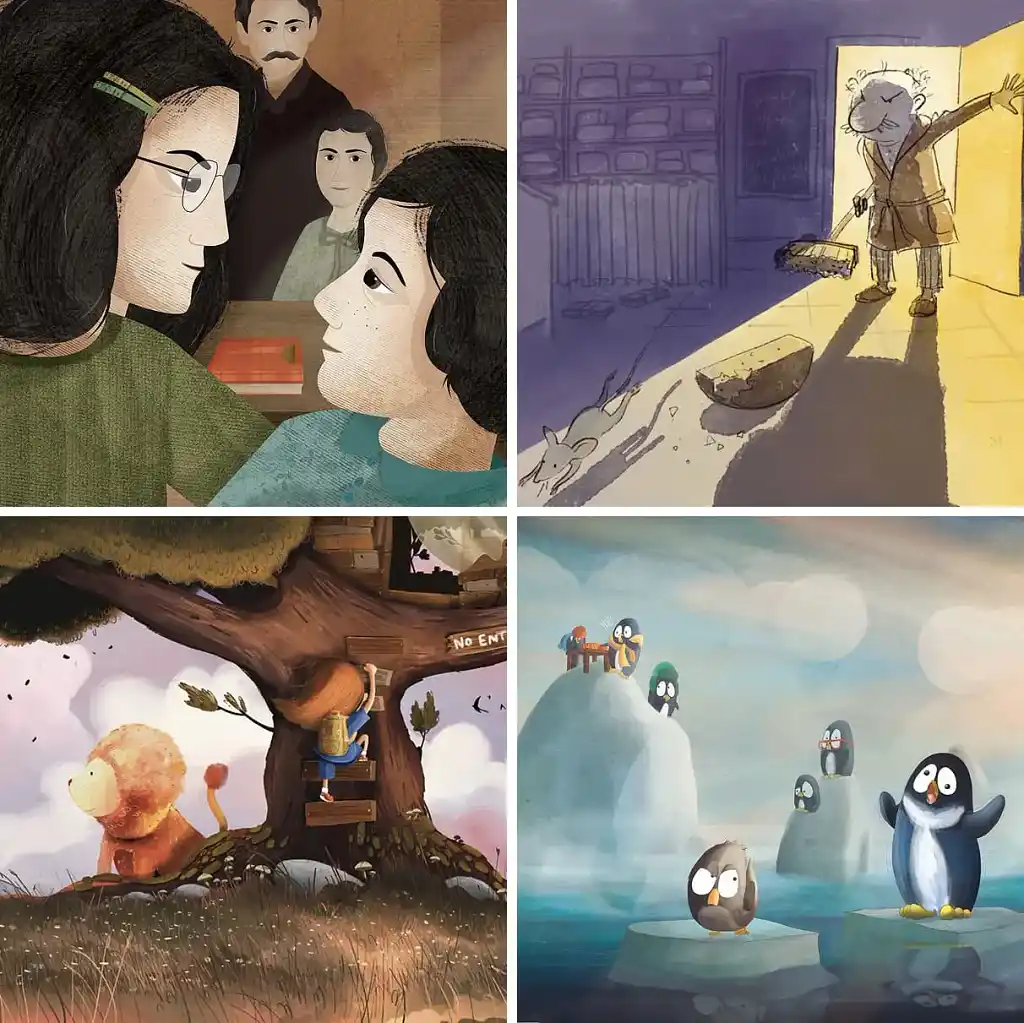
Illustrations by Heike Jane Z., Evgenia P., Rich G., and Tadgh B.
Not every story needs bright lights or vivid colors. Moody and muted illustrations use desaturated palettes, soft shadows, and foggy gradients to convey mystery, uncertainty, or even a hint of danger. As a result, they’re a natural fit for atmospheric adventures and emotional stories — and better for older readers who can grapple with a bit of nuance.
In the upper left image, Heike Jane Z. uses subdued tones to draw us into a conversation. Evgenia P. takes a more lighthearted approach with yellow-and-purple contrast and slightly scratchy linework. Rich G.’s dreamy brushstrokes and soft, organic colors bring a sense of peace to this treehouse scene. Then, with a different sort of energy, Tadgh B. paints a cluster of penguins atop cool gray-blue icebergs — but while the setting may be serene, the subjects are clearly not!
9. Collage/mixed-media
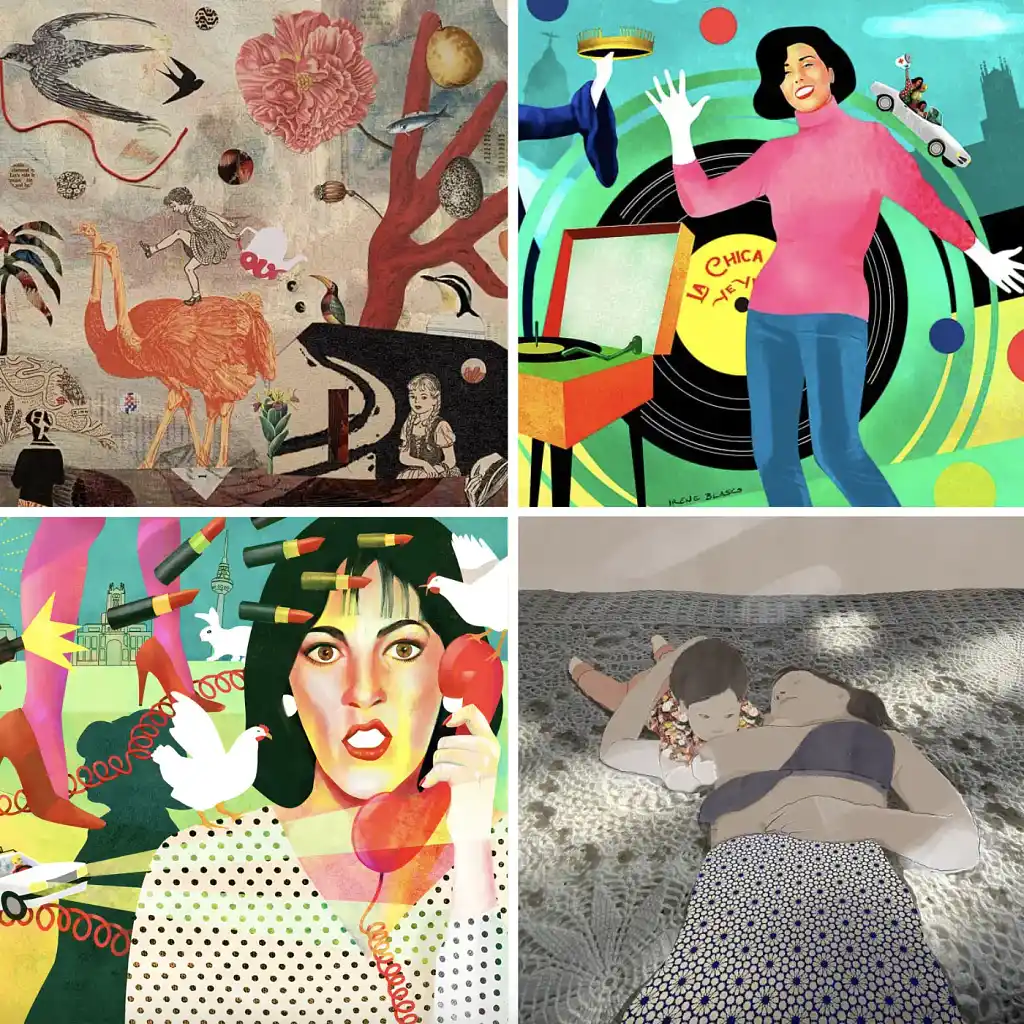
Illustrations by Lee-Anne S., Irene B., and Marie-Laure C.
For children’s authors who want a truly bespoke effect, there’s no better method than mixed media. With paper, fabric, photo scraps, and more — plus traditional drawing and painting techniques — mixed-media artists create works that are dynamic, tactile, and surprising. While this style’s experimental nature may appeal to older children, the textures are great for little ones too. So, similar to the universal cartoon style, mixed media and collage art is suitable for all ages.
Each artist brings their own delightful “mix”, as it were. Lee-Anne S. layers vintage botanical prints with surreal photo cutouts and etched drawings. Irene B. pairs retro pop-art graphics with photographic overlays for a playful jolt. And for a contemplative moment between mother and child, Marie-Laure C. combines the texture of a crocheted blanket with clean cutouts in the center.
10. Vintage
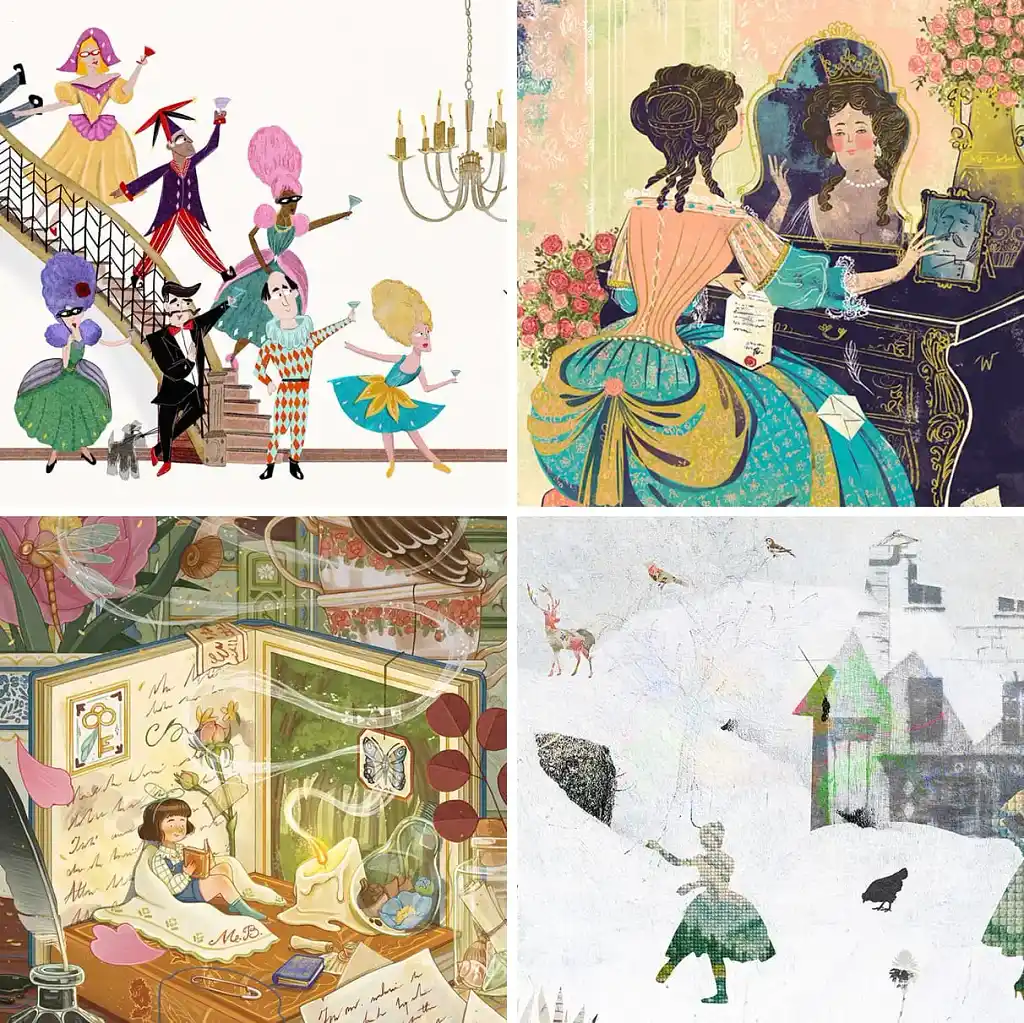
Illustrations by Nicholas C., Zuza W., Martina B., and Lee-Anne S.
Vintage illustration borrows the visual language of other eras for a deliberately nostalgic or ornamental effect. Often used for fairytales and historical fiction, it’s the perfect choice if you love retro aesthetics. This style plays especially well with “core” picture book readers aged 4-8 — so if the subject matter works and your target age group matches up, go for it!
Needless to say, these illustrations leverage the charm of history. Nicholas C. captures a masquerade ball with paper-doll-like figures, while Zuza W. channels 19th-century oil portraiture. Martina B. fills her meta storybook scene with candlelight and props — the lightbulb, the safety pin, etc. — for scale. Finally, Lee-Anne S. uses familiar textures and silhouettes to pull the reader in without revealing too much. Four very different approaches to this style, but all incredibly effective.
Finding an illustrator with your desired style
Understanding which illustration style you want is most of the battle. The rest is finding someone whose portfolio encapsulates it. After all, an illustrator working in a style they know and love will always outperform one stretching to accommodate a brief.
On Reedsy, you can browse 270+ vetted children’s book illustrators, filter by keyword (e.g. “watercolor”, “whimsical”, etc.), review their portfolios, and request quotes from up to five professionals at once.
Q: What qualities should a picture book author look for when selecting an illustrator to complement their story?
Suggested answer

Aside from the obvious aspects such as whether the author likes the illustrator's style/artwork, I think communication is key. If an incredibly talented skilled illustrator isn't great at explaining their process or doesn't fully respond to your questions, the project is just going to be a lot more difficult for both parties. I also think personal experience with self-publishing is so useful and the authors I've worked with have been delighted with the 'insider' tips and advice I've been able to share as we go through the process – from formatting and design, to marketing and creating a buzz on social media. Those aren't part of an illustrator's remit, but it helps because I know what an author is likely to need for marketing, for example, and can provide those elements within the project package, saving the author time and money.
Siski is available to hire on Reedsy

Most importantly, you want to work with an illustrator that understands the correct formatting, page breakdown, and processes for picture book work. There is a lot more to creating a picture book than just the art itself. Pacing, page layout, etc are all crucial, and you don't want to be stuck with an artist that is providing beautiful art that is also incorrectly dimensioned. This often is reflected in their pricing structure. You know an illustrator understands the entirety of the job and is professional when they are quoting you an appropriate amount for the work. Picture books are expensive for a reason and if someone is quoting you a great deal... it's probably too good to be true.
Caitlin b. is available to hire on Reedsy

When looking for a picture book illustrator, I first look for someone who can capture the overall feeling of your book. Look at their portfolio and see if they have work with similars themes, color palettes and expressions. Do they have sequential work? Is there work consistent? What will they bring to the table?
Marci is available to hire on Reedsy

Well said dear colleagues! I'd just add: think of your illustrator as your project manager. In traditional publishing, there's a whole team behind the scenes, in a direct collaboration, it's just the two of us. When one is a client, the other one must take a lead as professional. Your illustrator must be able to give you a clear idea of the workflow, set milestones, explain the process. A smooth, transparent process makes all the difference, especially when you've poured your heart into a story and are trusting someone to bring it to life visually.
Evgenia is available to hire on Reedsy
Or if you’d like to see even more illustrations before you decide, check out our roundup of 30 children’s book illustrators for hire and our collection of beautiful book illustration examples. Best of luck and happy storytelling.