Last updated on Oct 15, 2025
Worldbuilding: Create Brave New Worlds [+Template]

Martin Cavannagh
Martin Cavannagh is a publishing professional with 10+ years of experience in content strategy, editorial development, and author education within the indie publishing space.
View profile →Worldbuilding is the process of creating a fictional world's history, geography, politics, culture, and social structures. Because it's fundamental stage in the writing process, particularly for genres like fantasy and science fiction, authors are recommended to approach it as if the world itself as a character. They can do so a few different ways: inductively, or building a world around a story, or deductively, building a story within a world.
Since creating a fictional universe is a daunting task, you might want a bit of help. We’ve created a template to help you in your process, which you can download for free.
FREE RESOURCE
The Ultimate Worldbuilding Template
130 questions to help create a world readers want to visit again and again.
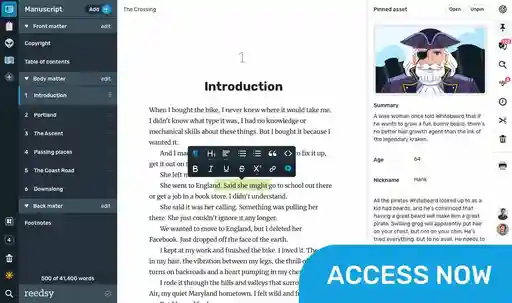
To build and organize your story’s world in one place, we also recommend Reedsy Studio’s Worldbuilding templates.
Here's where to find the Worldbuilding template:
- Open your project in Reedsy Studio
- Tap the "Planning" (📋) icon on the left-hand bar
- Select "Add → Browse templates" at the top
- Pick any worldbuilding template and start planning your world!
In the meantime, here's how to create a world in 7 steps.
1. Define your world’s name and setting
Broadly speaking, the setting of your story will either be our own world, or an entirely fictional world — what’s known as “second world” fantasy. Before you start work on your backstory, it’s essential to know which of these categories your story will fall under.
Create second worlds from scratch
George R.R. Martin’s A Song of Ice and Fire and Raymond E. Feist’s Riftwar cycle are classic examples of “second world” fantasy: they were able to create worlds untethered by historical paths or laws, which gave them a lot of freedom of choice.
Q: What are some of the biggest misconceptions first-time authors have about writing fantasy?
Suggested answer

Fantasy, and in particular romantasy, is SO HOT right now. Everyone is writing it, but many new authors fall into the trap of exposition. Just because you're writing in a unique setting doesn't mean you have to explain this world to readers. At least, not all at once, and certainly not all in the first few chapters.
Fantasy especially can span multiple books and because you're already telling a unique story about unique characters, it's overwhelming and exhausting for readers to also swallow a unique world.
The best solution is show, don't tell. Let it happen organically, and at natural moments in the story. For example, a wizard walking into a cauldron shop may merit a few sentences as to why he's buying a new cauldron, but probably doesn't need the extra two pages of exposition regarding the cauldron's connection to his late mother, who was also a half-fae princess and died at the hands of his tyrannical father, but only after having a torrid affair with a werewolf whose daughter now owns the very same cauldron shop.
Alexandra is available to hire on Reedsy

You still need strong characters that propel the story forward. The fantastical elements don't replace a strong personal journey or transformation of your protagonist.
The fantastical elements you include should also have purpose and be used with intention. If there's a magic system, it has to make sense in the world. Magic can affect economics, culture, politics, and it should be reflected on the page.
With kidlit, take a look at fantasy published within the last few years. Western-based fantasies with gnomes, trolls, etc. are generally not unique enough to attract an agent or publisher's attention. Readers want to read about completely different worlds with unique magical/fantastical elements.
The best way to get a handle on today's fantasy and what agents and publishers might be interested in is to read titles published in the past couple years.
Kim is available to hire on Reedsy
For me, the main misconception is that the story world is the story. No. The characters are the story, no matter the genre. Fantasy authors can get too wrapped up in the world they have created - and why wouldn't they? It's an exciting thing to create - to the detriment of their story. So it's really important to, at some point, turn away a little from your story world and turn to your characters. Do they have motives? Goals? Fears? Desires? Secrets? Regrets? Flaws?
All the things that make us human (even if your character isn't human!) need to be on the page. It's very easy to lose sight of character and plot when writing fantasy, but no matter how outlandish, or unique, or captivating, your story world is, it's the characters who inhabit your world that truly count. It's the characters readers recall more than anything else. So my advice to fantasy writers is character first, always.
Louise is available to hire on Reedsy

Whenever a story leaps from the present day into a new world in another time, there has to be much more time, and therefore words, spent on world-building. The reader must be able to get a strong sense of this new world right away with sentences depicting the scenery and setting, what the characters look like, and how modern or primitive this new world is.
So, a misconception could be that coming up with a strong and unique plot line or characters is enough. While these are all necessary, everything in the "new world" must all make sense and be clear, and easy to understand. It must all be logical, and that takes time to plan. So, spending time planning and building up this new world with all of its new rules and exciting twists is something authors will also need to spend a fair amount of time on. And this goes beyond a basic outline or plot points.
Melody is available to hire on Reedsy
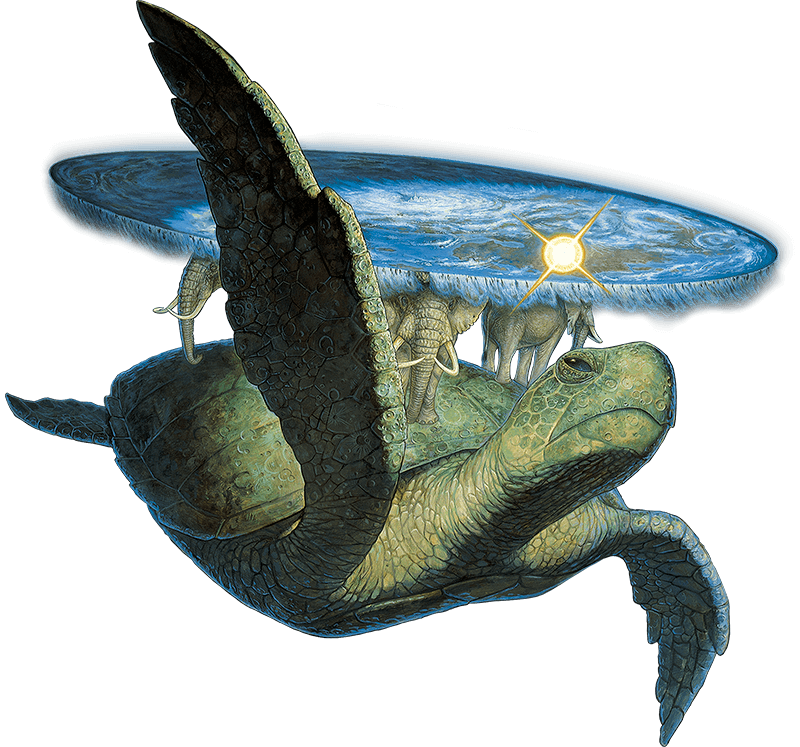
This creative freedom is exciting, but it also requires a lot of world building work to invent a fleshed out and textured fantasy world. A strong starting point in order to define your world as “other” to our own is selecting your world’s name. You can make it as cool as you like; think Discworld, Middle Earth, Zamonia, etc.
Set your story in an Earth-like place
Not all fantasy writers, however, wish to create an entirely new world. You can always set your story right here on Earth. For example, the vast majority of literary fiction, mystery, and romance novels are set on a place called Earth that bears a striking resemblance to our own world. This kind of world creation may require less invention on behalf of the author, but may require just as much preparation as they are constrained by historical specifics, technology, and politics.
Within “real world” fantasy, however, you will see two broad subgenres: alternate history fantasy, and historical fantasy.
For historical fantasies, while some amount of historical license is accepted (and encouraged), your readers will notice something’s wrong if your book has Atilla the Hun kidnapping Florence Nightingale without the help of a time machine.
Q: How can I ensure my magic system has consistent internal logic and limitations?
Suggested answer
The first thing to do is, simply, keep track of everything you write down in relation to your magic system. Especially if you're a 'pantser', you may not have thought a great deal about your magic system in advance (and that's fine), but set up a spot where you can note down everything you establish as you draft. This can be as informal as a notebook at your desk or as formal as an excel sheet, but keeping track of what your characters are doing and what the magic system is guided by/how your magic system works can save you a lot of time in advance, especially if you make sure to note down where rules are established so that you can refer back to them.
As you keep notes, don't limit yourself to the 'rules'--write down those rules, certainly, but also right down the effects of spells/magic, the ingredients/steps to making something happen or change within your magic system, how characters react or sense magic, how the world governs (or fails to govern) magic use, and anything else that comes up in relation to the magic system. Writing all of this down will help you keep in mind the history of what you've written as you're compiling this informal style sheet for your magic system, and you may even manage to head off contradictions before they get drafted into your novel.
Then, hire a developmental editor. Writers are close to their novels, and especially when a magic system is being established, there's a good chance you'll be too close to the worldbuilding and magic to see small slips in logic and any limitations which will prove to be issues. That's where a developmental editor comes in. Especially if you're moving into a series or writing a stand-alone, hiring a good developmental editor with experience in SFF can be incredibly helpful. And if you're writing a series, you may not need them to chime in on the second/third/fourth book in your series, but having had their input on the first book, prior to publication, will save you a world of headaches as you keep developing the system forward.
Jennifer is available to hire on Reedsy
Alternate history fantasy gives you a little more freedom; as the name suggests, you’re inventing an alternate version of history. Still, you’ll want to think carefully about the changes you’re making, and the way they might impact the day-to-day life of your characters.
Once you’ve selected between first and second world settings, you can begin building it in earnest. This is where the fun really begins.
Watch: How to create your worldbuilding bible
2. Create a map of the territory
Once you’ve named your world, it’s time to fill it. That means having at least a broad sense of its geography and ecology, so that you know what the landscape looks like, and what beasts your characters are likely to encounter.
You can consult our worldbuilding guide for a full list of prompts, but some questions to consider include:
- What sort of environment can be found in different areas of your world? (Deserts, oceans, mountains, forests, etc)
- What wildlife can be found there?
- What is the climate like?
- Where are the cities? How large are they? What are they called?
Take inspiration from real countries
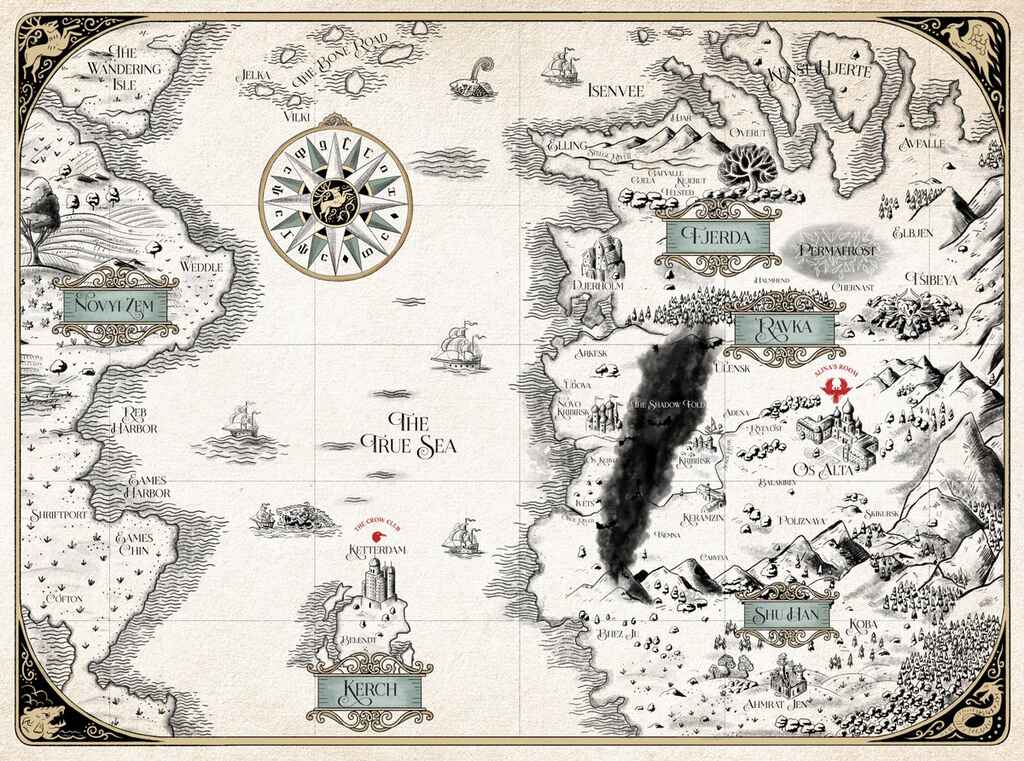
You can draw from the real world when imagining these aspects of your fantasy world. For example, Leigh Bardugo’s Grishaverse takes inspiration from the geography of a number of real-world countries, often at another point in their national history. You can find analogs for Tsarist Russia, the Dutch Republic, China, and Scandinavia in Bardugo’s books.
As well as drawing from the past, another approach could be to imagine a future iteration of our world. NK Jemisin’s Broken Earth trilogy is a masterful example of speculative worldbuilding. The trilogy takes place on a supercontinent called the Stillness, which is wracked by massive climate events every few centuries which reshape the entire world’s geography. Colson Whitehead’s Zone One is set in the familiar but decimated remains of a future New York, a cityscape that has been devastated by a zombie apocalypse.
Maybe set your story in two different places
Another possibility is to create a dual setting, locating your narrative in part in our own physical world, and in part in another. Erin Morgensen’s The Starless Sea tackles this expertly, using the classic “magical door” trope to connect her real-world locations (Vermont and New York) with her fantastical world, the honey-filled Starless Sea and the magical harbors that sit upon it.
Q: How does worldbuilding differ between science fiction and fantasy?
Suggested answer

Worldbuilding in science fiction starts with scientific plausibility. Technologies, future cultures, or altered realities must seem rationally based, although speculative. The rules are extrapolated out of science and consistency is extremely important to maintain credibility.
Worldbuilding in fantasy is founded on magic, myth, and invented cultures, relying less on realism and more on internal logic. Though fantasy draws from mythologies or entirely new mythologies, there must still be parameters for the functioning of magic and societal structure.
Both genres craft rich worlds, but science fiction asks, "What may be possible?" while fantasy asks, "What can be imagined? undefined?" The difference lies in where the wonder comes from: science in one, magic in the other.
John is available to hire on Reedsy
Imagine an entirely new environment
You may, of course, wish to create a landscape entirely alien from our own. Frank Herbert’s Dune is set on the desert planet of Arrakis, a world entirely devoid of natural water and inhospitable to most forms of life. Noteworthy exceptions to this are sandworms, giant and dangerous worm-like creatures that Fremen, the planet’s inhabitants, have learned to ride.
Lots of fantasy readers like referring to a physical map when imagining a world that is unlike our own. Maps are not always necessary, but they’re a useful foundation to define a sense of distance and space — and they can help you visualize your world as you’re building it.
Draw a map to help the reader
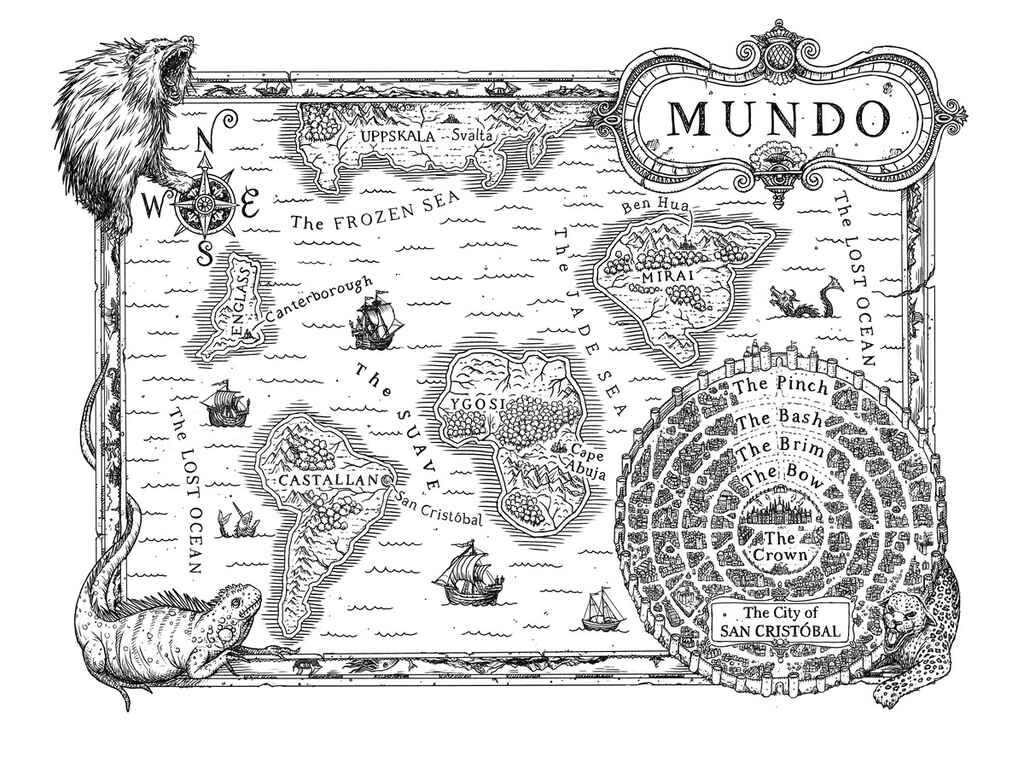
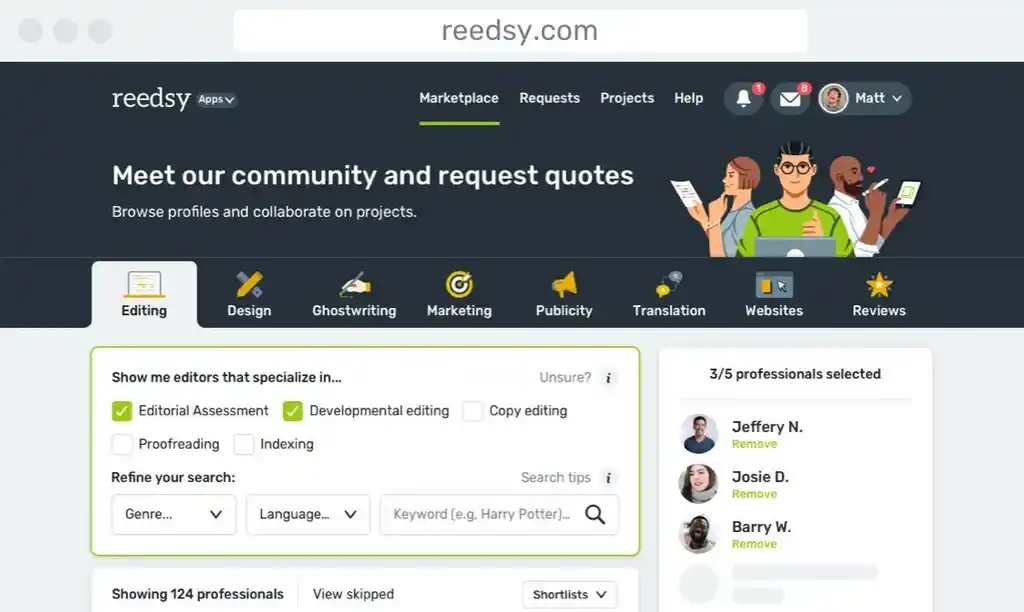
For a personal and expert approach, it's definitely worth hiring a professional illustrator to develop your fantasy map. Here at Reedsy, we have rigorously curated the best freelance illustrators in the publishing business — and they're just a click away from helping your work stand out.
🐲 Get your world right by hiring a pro fantasy editor

P. J. H.
Professional editor w/ 17 years experience. Love sci-fi/fantasy! Best-selling/award-winning author of 50+ books. Let's make your book shine!
Request a quote
Zena S.
20yrs+ coaxing brilliant ideas into publishable SFF, thrillers, YA, women's, memoir, and inspirational books. I'm an author who *knows*.
Request a quote
Miriam K.
Literary agent with 20+ years of experience in NY helping authors hone their work, resulting in numerous NYT bestsellers for debut writers.
Request a quote3. Populate the world with people
Now that your physical landscape exists, let’s drop some people into it. To create a textured and believable setting, you’ll want to populate your planet with a variety of races and cultures — which can be either created, or based on real-world cultures.
You may wish to pull species from the rich traditions of high fantasy (elves, dwarves, trolls, etc), but you can also invent entirely new races. Our worldbuilding template will help you nail down the details of your inhabitants.
Be careful with tropes and stereotypes
Make sure to research thoroughly before settling on any attributes or characteristics for your characters. Even in the imagined worlds of fantasy and science fiction, harmful stereotypes can be perpetuated, especially when drawing on real-world cultures.
Some research is therefore required to ensure you are handling your source material in a respectful way, and to avoid retrograde stereotypes when portraying the characteristics of imagined races (including “classic” fantasy characters like dwarves, which have long been influenced by antisemitic tropes).
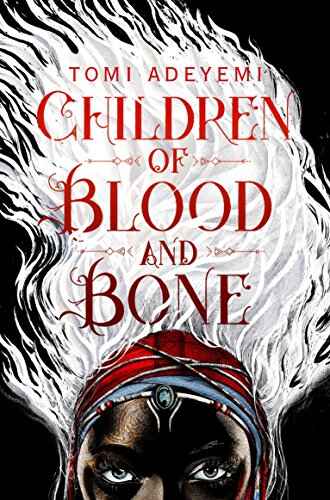
An example of real-world cultures informing fantasy cultures is the setting and characters of Children of Blood and Bone. Author Tomi Adeyemi draws on African mythology and her own Yoruba heritage, setting the story in a fictional version of pre-colonial Nigeria. Her imagined country, Orïsha, is inhabited by two peoples; the magical divîners with distinctive white hair, and their non-magical oppressors, the kosidán.
Q: How can writers use stereotypes and tropes to their benefit when creating a character?
Suggested answer

Well, stereotypes and tropes exist because they are the comfort food of readers, and should be the comfort food of writers too. Not to the extent that you write cliche stories by overusing the same old thing. But by the fact that their presence in certain story types is expected and even desired by fans of that story type, so to try and write without them can leave readers unsatisfied and the story feeling incomplete.
There are great books out there on this, John Truby in particular has a great one out. Knowing the stereotypes of a heroes journey, for example, gives you lots of options for side characters and supporting characters to help a hero on certain types of quests. The tropes are the expected encounters and obstacles that hero will encounter along the way.
If you start by mapping these out and identifying which are required (tropes most of all) and which work best for your story but are optional (stereotype characters) then you can take them and twist them in unique and interesting ways, even flip them around in timeline or approach in ways that make it clear they are there (and meet reader expectations and preferences) while still avoiding cliche expectation and creating interesting and unique characters, world, and stories that captivate readers.
Bryan thomas is available to hire on Reedsy

There is a common misconception within writing circles that "trope" = bad or cliche. While yes, certain tropes and character traits can become overused and cliche, tropes are more like reader expectations when they pick up a book from a certain genre. For instance:
- In romance, tropes are things like friends to lovers, enemies-to-lovers, he falls first, grumpy neighbor
- In YA fantasy, tropes can be things like the Chosen One, Love Triangles, or Hidden Magic
- In middle grade, tropes can be the power of friendship, magical animals, magical academies
While not all books in these genres include all of these things, and while these things can certainly be cliche if you don't put your unique take on it, they are what readers enjoy about a genre. After all, isn't that why you read a certain genre, because there are tropes and elements within that you enjoy?
The way to use these stereotypes and tropes to your benefit is to use them as a framework, understanding how they operate and why readers enjoy them. Then, sprinkle your unique author magic on them. How you describe characters, the dynamic between two characters, how certain elements show up or are utilized, all these can be unique to you and your book. You're not looking to reinvent the wheel, but rather give it a new coat of paint, your coat of paint, so that you write the story you want while delivering a satisfying reader experience.
Sean is available to hire on Reedsy

Trope = yes
Stereotype = no
A stereotype is an oversimplified view of a type of person, based on one aspect of their identity, like race or gender or hair color or where they're from. It's important to know stereotypes so you can avoid them in your writing, both so you won't be generic and so
Tropes, on the other hand, are like adding sugar to cake, rather than salt: You want to know what your audience came for, so you can give it to them!
Tropes are things with universal appeal that audiences come back for time and time again. (Not to be confused with a cliche, which is just something that has been overused until it's cringey. For instance, the villain in a YA novel being a mean blonde cheerleader is both a cliche and a stereotype. But a trope might be that the main character is an underdog who manages to win the heart of the most high-status boy in school!) Examples: enemies to lovers, amateur detective, chosen one, only one bed...
Intelligent use of proven tropes, combined in a new and unique way, are the fastest way to genre writing success!
Michelle is available to hire on Reedsy

A trope is something that is instantly familiar to readers: a character type, setting, plot point, or style of writing that is recognizable and tied to a specific genre.
For example, one familiar romance story structure is the “enemies to lovers” plot. This pattern is immediately recognizable to readers, and although it is used often, writers are still finding new and unique ways to spin it, and readers still love engaging with it.
Another popular trope is that of “The Chosen One.” Think about it: Both Luke Skywalker and King Arthur find a magical sword, receive the guidance of an older, wiser mentor, and go on a journey to storm a stronghold to save a princess. Even though the building blocks are the same, the stories are vastly and entirely different…and centuries apart!
There are hundreds of ways to apply this trope and come out with a unique and fresh story.
Tropes are the conventions, ideas, or motifs that make up these basic building blocks of all storytelling. In order to tell a fantastic story, tropes are necessary (and not to be confused with clichés, which are devices, expressions, or phrases that have been used so often and in so many places that readers have become tired of them, and desensitized to them). But why are they necessary?
Well, tropes are baked into every genre that we know and love. If you’re writing a western novel, odds are you might have a lone cowboy or a bumbling sheriff in there. If you’re writing a thriller or mystery novel, you might find yourself creating a gritty, lone-wolf detective, who acts first and asks questions later. Just because these tropes have been used before, doesn’t mean they’re tired!
If you’re writing in a specific genre, in order to use tropes effectively, you should be intimately familiar with the tropes of that genre. Knowing them inside and out means you’ll have your best shot at subverting them and spinning them in new ways that readers will enjoy (and avoid veering into cliché territory).
Think of books in the genre that you’ve read before. Was there one that you didn’t like? Ask yourself: What specifically made you dislike it? It might be that a trope wasn't used effectively, and if you can identify exactly what disappointed you about the way that trope was used, it can help you discover what you wished that writer might have done differently. And then: poof! Suddenly you have a thread of inspiration you can pull on to get some ideas for your own story.
Remember: tropes are patterns. And patterns can be twisted, bent, and manipulated. Just be careful not to break the pattern, or you risk readers finding it difficult to relate to a trope they cannot recognize and therefore relate to.
Writers just like you are still finding fresh ways to put a spin on tropes of all kinds, and using those building blocks to build entirely new and unexpected things for us to read!
Lesley-anne is available to hire on Reedsy
While it's worth noting the use of tropes and stereotypes can be comforting -- I love an enemies-to-lovers, "Who did this to you?" trope in romance, and the Chosen One in young adult makes me nostalgic for the golden age of dystopian; however, you can also use stereotypes and tropes by subverting them.
A great example is Victoria Aveyard's RED QUEEN. I won't reveal the twist, but it took a certain romantic stereotype, crushed it to pieces, and surprised readers in a way that still gives me (delightful) trauma! Another more general example is the Game of Thrones series and the way that George RR Martin kills characters off left and right. Those you thought were heroes or "chosen" are not guaranteed to be around long enough to fulfill any destiny.
So by all means, embrace tropes and stereotypes to give readers what they want; however, think about surprising them a little bit. See how you can tell a different story.
Grace is available to hire on Reedsy
Invent an alien species
Of course, your characters don't need to be human. Octavia Butler’s Xenogensis series is an example of an invented non-human race. In the series’ first installment, Dawn, a human woman Lilith awakens alone in a prison cell, only to learn that she is one of the last survivors of the human race. She has been abducted by the Oankali, a humanoid but thoroughly alien three-gendered species covered in sensory tentacles. The differences between the humans and the Oankali, and the Oankali’s unusual biology and reproduction, form the driving force behind the novel’s plot.
Come up with a new slang or language
When we talk about invented languages in fiction, most of us might imagine devotees of Tolkien whispering Elvish love poems — or Star Trek fans barking threats in Klingon. But language is something that applies to books across the board. Your decisions here will affect how the story develops and can make the difference in whether your book is believable.
Languages can be an interesting and exciting avenue of worldbuilding. The spoken word is a reflection of the cultures that spawned them, and the evolution of the language will often indicate some societal change.
For example, the youths in Anthony Burgess’ 1962 novel A Clockwork Orange speak a dialect called “Nadsat” which mixes Russian and English words. That choice alone implies a lot about the dystopian world of the book, suggesting a future where Soviet culture had spread further West.
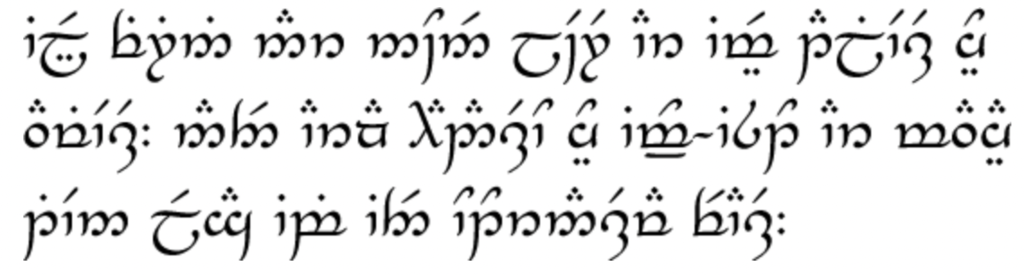
Our worldbuilding guide will help you develop your ideas about language, but as a start, it's worth considering how many languages are spoken in your world, which language is most prevalent, and any common phrases or greetings which might come up a lot.
If your story is set on Earth, you can play with idioms and slang to create a unique dialect for your characters, that sets your fictional world apart from our own. Writers of historical fiction will also want to pay close attention to dialect, to ensure that any vocabulary being used is authentic.
So while language building isn’t essential, any little details like these that you can add to your worldbuilding will help create a richer and more immersive setting for your story.
4. Elaborate your civilization’s history
Civilizations are defined by their history. That might be a very broad statement — but it contains a kernel of truth. Writers should have a solid grasp on the history of their world, regardless of genre, and should be familiar with the key events that matter to the story they’re telling or the culture they’re exploring. So, how can you go about this?
Once again, a popular way to flesh out the history of your world is to borrow from our own. The line between historical fiction and fantasy is somewhat blurred, and with good reason. A good fantasy world will have a history that’s every bit as interesting as the one we have here on Earth Prime, so why not draw inspiration from it?
Q: Should I follow current trends or write the story I’m most passionate about?
Suggested answer
The issue with following current trends is that the trend may be over before you get your book completed and out to the world. If you write what you are passionate about, the story will usually end up being stronger because you are writing a story that means a lot to you, as opposed to writing something just because you think it might sell.
However, you want to be sure the story you are passionate about still has a strong possibility of selling by avoiding cliches and plots that have been overworked and overdone.
Strong stories that readers can relate to will have a good chance of finding an audience no matter the genre.
Melody is available to hire on Reedsy

If you write a book inspired by 2025 trends you might find that by the time it's ready for submission and even publication the trend has moved on to something new. It takes a long time to write a book: you have a better chance of sustaining momentum and enthusiasm if you stick to your passion project. I rather believe that readers pick up on that passion too.
Susanna is available to hire on Reedsy
If you're planning on publishing traditionally, you need to write the story you're passionate about. The publishing industry is slow slow slow. If you're planning on submitting a query to agents and try for a deal with a big-publisher, it's likely that years will pass between when you start writing and when that book hits shelves. That's the simple truth. Even if you write your book in six months, chances are that it will take at least that, if not a few years, to get an agent, and then the agent will still need to sell that book, the publisher will need to see it edited, etc. etc. Even if you're planning on submitting your book to small publishers who work more quickly, it's likely that a few years will pass because they get so many manuscripts to review that you'll be one of many. Once they accept your work, it may well be a year or two before it's published.
The balancing act comes if you're a self-publisher writing to market in order to make a living. This happens for a rare few writers, but it does happen. Some of my clients make their livings off of books they self-publish, and they often publish 3-5 books per year. They write fast enough that they are able to write to market and follow trends, and it helps them make a living, but it really is a balancing act. You don't want to get so caught up in writing to trends that you lose your passion for writing and get bored or start putting out sub-par work, so it's important that you know who you are and what you want to write, and then you can focus on the trends/markets that relate to your own writing interests without getting needlessly sidetracked. (Note that making a living off of writing in this fashion also depends on you being not only fast and good, but planning ahead--editors, cover artists, etc. all book ahead, so you need to plan in advance in order for everyone to be on the same page and able to accommodate your timeline and catch that trend before it disappears.)
Jennifer is available to hire on Reedsy
Going back to A Song of Ice and Fire, Martin famously patterned his book's central conflict after The War of the Roses. Using a veiled version of English history as his starting point, Martin then fills in the rest of his rich history with dragons, mad kings, and ice zombies. Similarly, RF Kuang’s The Poppy War is a fantastical reinterpretation of 20th-century China, and contains a fantasy drug-driven conflict inspired by the real-world Opium wars.
Speculate on history-altering moments
Let’s say you’re dealing with a futuristic version of our reality: there’s still plenty of work to be done. You need to have some idea of what’s happened between now and the time when you set your book. Start by speculating on developments in technology and society. Then, crucially, figure out how these changes have affected the characters and cultures in your book.

FREE COURSE
How to Develop Characters
In 10 days, learn to develop complex characters readers will love.
If your book is an “alternate history,” it may stem from a single “what if” question. Think of a single point of divergence: a moment in history that shifted ever-so-slightly, leading to changes that ripple forward through time.
In Philip K. Dick’s The Man in the High Castle, the point of divergence comes with the assassination of President Franklin Roosevelt in the early 1930s. It results in a continuation of the Great Depression and American isolationism, allowing Germany and Japan to win World War II. The book then answers the question: “What would 1960s America be like if the Allies lost the war?”
5. Create systems of technology and magic
Perhaps the defining feature of any SFF book is its systems, whether they be magical or technological. It’s important to consider the details of how these things work carefully; just waving your hand and saying “and there’s magic” won’t cut it. You’ll have to define the magical or supernatural elements of your world.
With both science fiction and fantasy worldbuilding, you’re likely to come across the phrases “hard” and “soft” frequently. These labels are a (somewhat arbitrary, but still helpful) way of distinguishing between different types of SFF. Let’s take a look further, so you can decide where your world falls on the spectrum.
Spell out the rules of hard magic
A hard magic system is one defined by its rules, and which has clear and explicit boundaries on when said magic does and doesn’t work, and what the consequences of using magic are.
Q: What's your number one tip for authors dealing with burnout or writer’s block?
Suggested answer

Take a break from the project and do something relaxing that gives you pleasure, especially something physical like a long walk. Sometimes, if you stop thinking about a book, you'll find ideas pop into your head anyway. I'd also advise doing a rough plan of how you see the next part of your book progressing -- this will make the actual writing part easier and less stressful.
John is available to hire on Reedsy

Refill your creative well! Go watch TV, listen to your favorite songs, play a video game—do whatever you need to do to separate yourself from the book, even if only for a little bit. I've found that a small bit of distance can go a long way towards combating burnout/writer's block.
However, if the block is extremely pervasive (and you're not on deadline), it can also be helpful to briefly shelve a book and work on something that doesn't make you want to slam your head against the wall!
Chelsea is available to hire on Reedsy
My number-one tip to combat writer's block is to experiment.
Whatever routine you've built for yourself as a writer, try getting out of that routine and see how it affects your ability to write.
If you normally write on your desktop computer, try using a tablet or even writing longhand. Maybe the blank page is affecting you, and dictation will be something worth trying. If you normally write at night after everyone else in your family has gone to bed, try getting up early and writing then, or even snatching breaks during the day for writing time. If you write in longer chunks of time at home, try a coffee shop or restaurant, or if you like to write in coffee shops, try writing at home or in a local park. If you normally write in silence, try putting on music in the background.
Generally speaking, routine is a good thing for most writers, but some books/ideas demand a change of pace, and since we as writers change by virtue of changing as people and growing in our craft, that sometimes mean a routine will change.
Jennifer is available to hire on Reedsy
A great example of this type of magic system is Brandon Sanderson’s Mistborn series, set in a world where the primary form of magic is allomancy: a system whereby users swallow different metals, and metabolize them to different effects. Dedicated fans have been able to catalog all the possible variations of allomancy, and have discovered a clear cause-and-effect relationship between the actions of allomancers and their consequences, making for a true hard magic system.
As you can imagine, designing a hard magical system is a pretty significant undertaking that may involve a lot of variables. For that reason, it’s often worth dedicating a good chunk of your worldbuilding time to making sure your system is watertight.
Play with mystery and soft magic
You can choose not to explain how magic works and allow it to retain some of its mystery. After all, as soon as you explain all of magic’s secrets, it almost ceases to be magic.

One example of a “soft” magic system, one which doesn’t have hard and fast rules, is the one in Belgariad. The sorcerers in David Eddings’ Belgariad manifest their willpower through a system he calls ‘The Will and the Word’. It doesn’t require any potions or scrolls, and the so-called “rules” are able to be broken. As such, the limits to magical powers in this world are more conceptual than they are practical, and you’d be hard pressed to describe exactly what can and can’t be done.
While the flexibility of a soft magic system may be appealing — after all, you can’t break a rule if you haven’t established it — it certainly isn’t a get-out-of-jail free card. If you have an ‘anything goes’ approach to magic, your characters’ actions may cease to have consequences: you can bring anyone back from the dead, time can be reversed, your hero can escape from danger just by ‘magic.’ Be sparing with your use of soft magic, and don’t use it as a deus ex machina that miraculously solves your plot issues.
Explain how magic impacts the world
As well as defining the rules of your magic system, consider what it means to have magic. What are the consequences on both your world and the people using it? Maybe it takes a physical toll on the user, or perhaps there are emotional, mental, or social implications to exercising magic.
Who can use magic? If your protagonist is the only person with their gift, how does the world around them react to it? Are they revered or reviled for their abilities?
Q: How important is it for first-time authors to adhere to standard word counts, and what flexibility do they have based on genre or target audience?
Suggested answer

It's incredibly important, not because authors shouldn't be able to bend or break the rules, but because these "standard word counts" are systemic. It isn't agents insisting on word counts for no reason; it filters from book buyers to internal publishing salespeople, then to editors and agents.
Having too few words can be worse than having too many. Think about the end goal: you want readers to buy your book. If they feel like they're getting less than they paid for then they won't buy the book. For example, if you wrote 30,000 words when most books in your genre are more like 60,000-70,000 words, then readers looking at your book compared to a competitor might be inclined to think the book that has more words has more heft and therefore is more worth their money.
When it comes to too-high word counts, then you run into a different issue and that's with publishing costs. it costs money to print pages, and if you've written 500,000 words, then that book is going to cost even more to produce (not only the paper in such an extreme case, but also in the binding of that book to make sure it holds up). If it costs more to create, then that can negatively impact publishers' profits. If a publisher is evaluating your work that's 500,000 words versus a similar work that's only 125,000 words, why wouldn't they choose the shorter book? It also takes up less physical space on a bookshelf, so bookstores might be able to keep more copies on the shelf.
Genre and target age range here are the great determining factors. Epic Fantasy, for example, which takes place in a world not our own, usually requires a higher word count for the simple fact that the world has to be built. Nonfiction business books, on the other hand, are usually around 60,000 words, as those readers don't need to be transported to another world, but instead need to have points clearly articulated.
Matt is available to hire on Reedsy
In a very loose way, it's important to adhere to genre standards in word count simply because they've developed over time in response to what works best in the market. There are always exceptions, but those are usually backed up by an established author or sweeping support from retailers, librarians, or the media backing the book.
BUT FIRST: write the book you want! This is your book, and you can always edit it down or beef it up. It's important to write for yourself first, because the best story will come out of that. And if you change it later, so be it. Don't let market expectations stop your drafting or creative process!
Grace is available to hire on Reedsy
If you're planning on querying agents and going the traditional route, then adhering to standard word count expectations is essential. Are there exceptions to the rules? Sure, but you never want to plan on being the exception to the rule when you're already going up against long odds.
Querying is incredibly competitive, and an agent seeing that your manuscript is already in the target word count range for your genre tells them that you're probably aware of market expectations and have given real thought to your project's development. On the other hand, if they see a word count that's 20k outside the realm of expectations, that tells them they're either going to have to work with you to get the word count down/up, or potentially have a more difficult time selling your project to publishers.
On the other hand, if you're planning on self-publishing, word count isn't all that important. You don't want to write something the length of a short story and call it a novel, but the important thing in the self-publishing world is to tell a good story. Whether your mystery novel is 30k words, 60k words, 90k words, or even 130k words, your readers won't care as long as the story is great, whereas an agent would likely say no immediately if they saw a query for a 30k or 130k mystery novel, without even getting past that first sentence of your query where they'd see the word count.
If you don't know whether or not you plan to publish traditionally, the best way to set yourself up for success is to research the target word count range for your genre/audience, and then adhere to that expectation as closely as possible. Do be aware that word count expectations can change over time, so you want to make sure that your source for target word count is fairly recent.
That said, if you don't want to put extra pressure on yourself to meet industry standards before you're even done drafting, then there's no reason to focus on anything other than writing the best story you can; then, once you're done, you can take a look at word count expectations, hire a developmental editor to get expert eyes on your novel, and decide from there what makes the most sense for a publication plan.
Jennifer is available to hire on Reedsy
Conversely, what happens if someone who should have powers, doesn’t? For example, in Codex Alera by Jim Butcher, the people of Alera bond in childhood with one or more "furies" — elementals of air, water, fire, earth, wood, or metal. Everyone, save the protagonist Tavi who happens to be the crown prince of Alera. This lack of bond comes to have major consequences as noblemen around him begin to eye his ultra-powerful father’s throne.
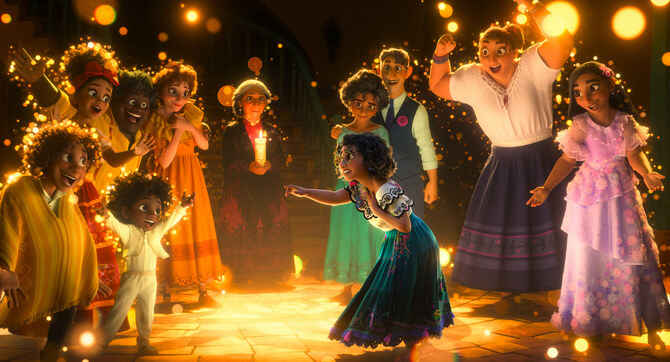
If, as in Codex Alera, magic is widespread, how do people learn how to use it? Trudi Canavan’s Black Magician trilogy has a Magician’s Guild, where people work their way up through a structured hierarchy. Wizards in Harry Potter attend boarding school and end up with soul-crushing jobs in magical middle management. By imagining how magic would function practically in your world, your book will become all the more believable and relatable.
Now that we’ve discussed magical systems, it’s time to turn our attention to science…
Be precise if you use hard science
This is a brand of writing with a particular basis in technological fact. Best known for his work on 2001: A Space Odyssey, Arthur C. Clarke is one of the greatest pioneers in this field, whose fictional inventions bear close resemblance to everyday items in the 21st century.
One great contemporary example of the hard science is Liu Cixin’s The Three-Body Problem, a novel which explores a real-life phenomenon in orbital mechanics, and imagines a three-star system containing a single Earth-like planet which experiences extreme destruction as it passes between the three.
The important point is this: if you choose to write about technical science and technology, you should get your facts right. Many fans of the genre will likely know more about science than you do. If you get the details wrong, they will call you out on it; take, for example, Larry Niven, who was mercilessly teased by readers for having a character in Ringworld teleport eastward around the Earth to extend his birthday, when doing so would have actually shortened it.
You can always seek advice: the internet is a wellspring of information. If you’re shy about contacting people, Wikipedia is not a terrible place to start your research.
..or give yourself some slack with soft science
We know what you may be thinking — “Dammit, Reedsy, I’m a writer not a physicist!” If you’re not exactly science-minded but still want to write in the genre, you can always take the lead from writers like the late Iain M. Banks. His beloved science fiction novels are about The Culture, a post-scarcity society where all work is automated, and the citizens leave all the big decisions to a benevolent A.I.
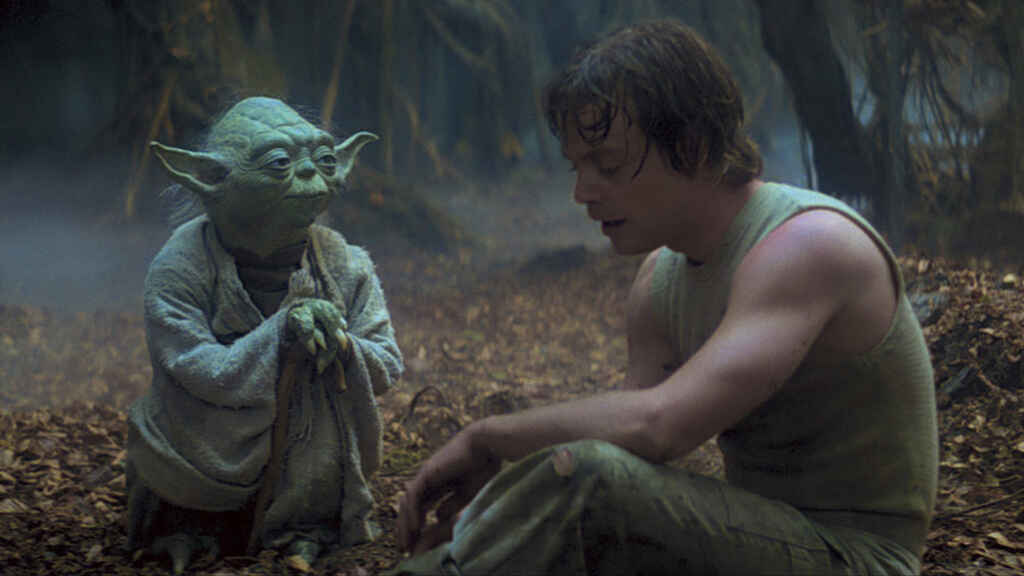
Banks’ universe is full of science fiction tropes like droids and spaceships — but he doesn’t really explain how any of it works. It makes perfect sense from a storytelling point of view: novels set in the modern day rarely explain how iPads work. To us, they’re simply a function of everyday living. Banks makes a conscious decision to focus on character and story and he proves that you don’t need to know much science to write great science fiction.
Whether you go hard or soft, it’s important to establish your system ahead of time, so that you can remain consistent and logical throughout your work. Knowing how involved you want your systems to be will also mean you can plan how and when to deploy your exposition to maximum effect.
6. Distribute resources with a working economy
It may not sound too exciting, but considering something as fundamental as the economics of your world can be extremely helpful in making it a believable one. This isn't essential, but having an understanding of the economy can help you imagine how your characters will move through the world.
Take, for example, Anne McCaffrey’s iconic fantasy series, Pern. While the dragons are probably what most readers come away remembering, those who play close attention to the mechanics of the world are rewarded with a fascinating system to wrap their heads around. In Pern, the wooden tokens (“marks”) used for trade hold no intrinsic value – they don’t correspond to, for instance, a measure of precious metal, but are simply worth what they are traded for. So, your mark may be more or less valuable, depending on simply how well you are able to haggle to trade it.
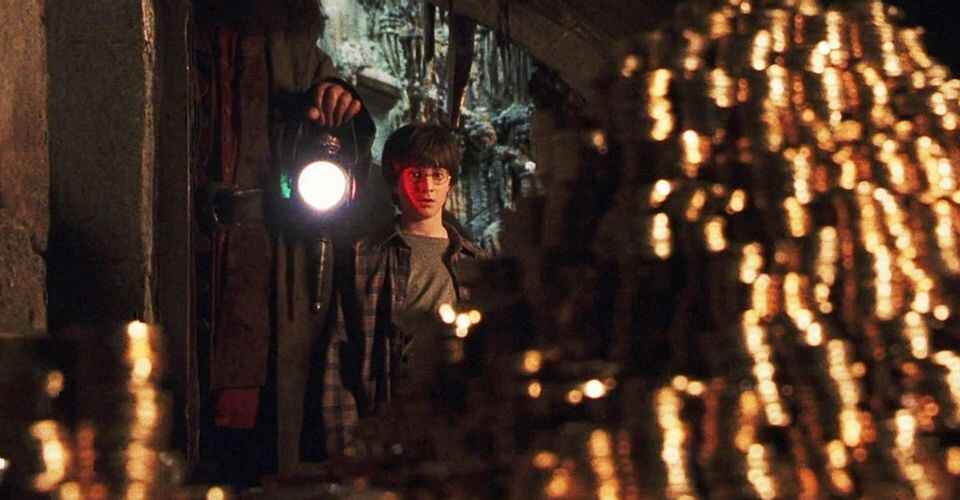
Your economy may also be a speculative one, like the post-scarcity economy in Iain Banks’ Culture series. The series explores the implications of a world where most goods can be produced abundantly with minimal or no human labor, something Banks describes as “space socialism”.
As a minimum, it’s good to consider what the main valuables are in your world, how trade takes place (is it a barter system? Do people trade with money?), what the currency is called if there is one, and where your heroes come in the financial pecking order.
7. Determine your world’s power structure
As well as creating the history and economy of your world, you may also want to consider other institutions and power structures, such as religions, governments, or political ideologies. Again, this might be drawn from reality: Philip Pullman’s His Dark Materials series features a society dominated by the Magisterium, a religious body modeled in part on the real-world Catholic church.
You might also want to borrow from the past, like the feudal system of Dune, or extrapolate into the future, like the theocratic, totalitarian state of Gilead in Margaret Atwood’s The Handmaid’s Tale.
It’s worth reminding ourselves that stories set in other worlds have always actually been about the world we live in. Some of the most enduring works of science fiction and fantasy are profound commentaries on human culture and, in particular, our relationship to power and powerlessness. So even if your story takes place in a galaxy far far away, always remember to ask yourself what are you trying to say about society or the human condition and try your best to be intentional with how you use real-life source materials.
And with that final point, it’s now over to you: remember to download our free worldbuilding guide for tips on how to create your own fantastic lands and customs. We can’t wait to see your brave new world. Qapla'!*
*Klingon for “good luck”