Last updated on Oct 15, 2025
How to Write a Book (with Tactics from Bestsellers)

Martin Cavannagh
Head of Content at Reedsy, Martin has spent over eight years helping writers turn their ambitions into reality. As a voice in the indie publishing space, he has written for a number of outlets and spoken at conferences, including the 2024 Writers Summit at the London Book Fair.
View profile →What’s the secret formula to tapping into your creativity and writing a book? Some authors would tell you there is no single path to authorship, as every writer’s journey is unique. However, almost every bestselling author will have highly effective writing patterns and habits that help them develop their ideas, organize their thoughts, and attain their writing dreams. In this post, we'll share some of their most commonly used tactics for starting and finishing a book.
How to write a book:
- 1. Start with a book idea you love
- 2. Research by reading genre-prominent books
- 3. Outline the story
- 4. Write the opening sentence
- 5. Write the first draft
- 6. Set a schedule with achievable goals
- 7. Find a good writing space
- 8. Pick a "distraction-free" writing software
- 9. Finish your draft
- 10. Edit the manuscript
- 11. Publish your book for readers to buy
There's a long, exciting road ahead. So let's get started.
 Click to tweet!
1. Start with a book idea you love
The one thing you absolutely need to write a book is, of course, an idea. If you don't have that, you'll never get past the first page of your draft.
You may already know what you want to write about, or you may be at a total loss. Either way, you can settle on a “big book idea” by asking yourself a few simple questions:
- What do I want to write about?
- What do I feel is important to write about?
- Who will want to read about this story/subject?
- Will I be able to carry out this idea effectively?
Your answers to these questions will help you narrow it down to your best options. For example, if you have several different ideas for a book, but only one that you're truly passionate about and feel you can pull off, then voilà — there's your premise!
Q: How can I overcome the fear that my story idea isn’t original or good enough?
Suggested answer

It's easy to walk into a bookstore, pull a finished book off the shelf, read it, and think, "Oh no. I could never write a book like this. I'm not good enough to be a writer."
This kind of thinking is a trap! As an editor, I've read hundreds of early drafts. Even the most exciting, most polished manuscripts that passed my desk needed several rounds of intense editing before they were ready for publication. And I was often seeing manuscripts after they had been through a few revisions already. It's not fair to compare your first draft to a published book that's been through many rounds of professional editing. Everyone's first draft needs work. If you expect your first draft to be on the same level as a published book, then you're going to set yourself up for a lot of self-doubt and disappointment.
However, when you pick up a book and think I could never write this, that's actually true. Not because you're a bad writer, but because your voice is uniquely and distinctively yours. You won't be the next Rick Riordan or the next Angie Thomas--but that's because you're going to be the next you!
Camille is available to hire on Reedsy ⏺
Imposter syndrome can kill books before they're written, so I think the first step is to realize that most authors experience it. Next, accept the fact that no story is ever 'original or good enough' when it's first conceived. That's because an idea isn't itself a book. A book takes time, patience, drafting, and revision. That process, slow as it may be, is what will ultimately make your book a success.
All that said, I think it's also helpful to remember that any number of successful projects can be based off of very similar ideas.
How many movies and romance novels are based off of woman leaving the big city for a holiday at home and finding love with someone she hated in high school, or some man who's just moved to town? Dozens! How many movies and horror novels are based off of a group of strangers somehow being forced or convinced to spend a given amount of time in a bad or haunted house? Again, the answer is dozens! But readers love those stories, and it's the writers who tell them that make them unique and interesting to readers because no two writers are going to write the exact same story.
What it comes down to is that if you get caught in the trap of over-analyzing your idea before you've begun writing, you're hamstringing yourself before you even get started. If you really want to push yourself to write a high-concept novel, then you can start with an idea and push/prod at it until you've given it enough detail in form or development that it feels unique to you, and then start writing, but don't give up on the idea before seeing where it might take you.
Worse comes to worse, if you're at a stage where you're brainstorming many different ideas, give yourself a cut-off point. Allow yourself to come up with five or ten ideas, setting a limit on that number in advance, and then choose one to push forward with. Otherwise, you'll forever be coming up with ideas, and forever judging those ideas as failures, without ever getting a book written.
Jennifer is available to hire on Reedsy ⏺

Even seasoned authors struggle with imposter syndrome and doubt themselves. That said, doing your homework is not a bad idea. Find out what books are similar to yours and find out if there is a glut in the market for that topic or if there is a need or hole in the market, and your book might fill a need.
The reality is that good books are not written; they are rewritten. That's why it is so important to work with an editor who can help you revise the book and take it to the next level, so it can become the best it can be.
Melody is available to hire on Reedsy ⏺
On the other hand, if you lack ideas, these questions should steer you in a firmer direction. Think about the kinds of books you love to read, as well as books that have made a significant impact on you. In all likelihood, you'll want to write a book in a similar vein.
Tools to help you find an idea
If you're grasping at straws, consider free-writing based on a writing prompt or generating a story via a plot generator to get the ball rolling! You might stumble upon an interesting concept or story element that sparks a “big idea” for your book. (And if you're still uninspired even after trying these tools, you may want to reconsider whether you really want to write a book after all.)
2. Research by reading genre-prominent books
Once you've found your big idea, the next step is to research your genre. Again, if you're writing the book you like to read, you already have a leg up! Reading books in your genre is by far the best way to learn how to write in that genre yourself.
But if not, you'll want to select a couple of representative titles and analyze them. How long are the novels and how many chapters do they have? What does the shape of the story look like? What themes and ideas pull the book together? Perhaps most importantly, do you think you can produce a book with similar elements?
Find out what people are reading
You should also conduct market research on Amazon to determine the most popular books in your genre. If you want your book to succeed, you'll have to contend with these bestsellers. Go to the Amazon Best Sellers page and find your genre in the lefthand sidebar:
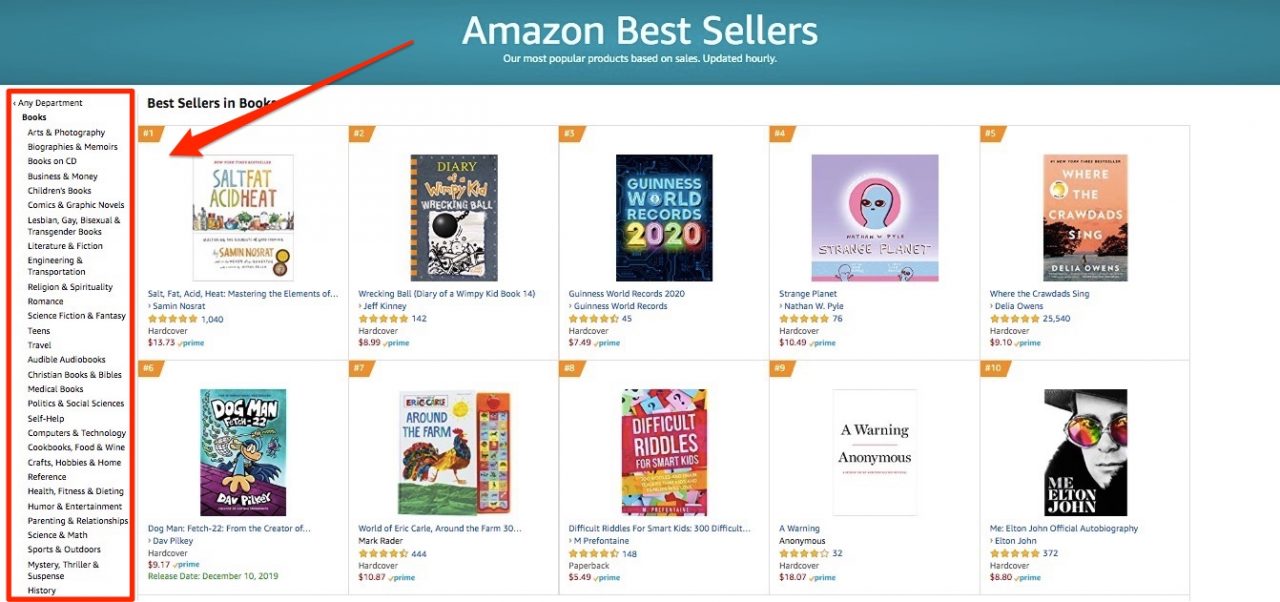
Then read those books' blurbs to figure out what really sells. What do they all have in common, and why might readers find them appealing? Does your book hold up to these standards?
Finally, think about how your book can offer something NEW. For example, if you're writing a psychological thriller, will there be a particularly sneaky narrator who's unreliable, or maybe a series of twists and turns that the reader never sees coming? If your book is nonfiction, do you have a unique take on the subject, or a particularly deep well of knowledge? And so on.
Q: How important is it for first-time authors to adhere to standard word counts, and what flexibility do they have based on genre or target audience?
Suggested answer
In a very loose way, it's important to adhere to genre standards in word count simply because they've developed over time in response to what works best in the market. There are always exceptions, but those are usually backed up by an established author or sweeping support from retailers, librarians, or the media backing the book.
BUT FIRST: write the book you want! This is your book, and you can always edit it down or beef it up. It's important to write for yourself first, because the best story will come out of that. And if you change it later, so be it. Don't let market expectations stop your drafting or creative process!
Grace is available to hire on Reedsy ⏺

It's incredibly important, not because authors shouldn't be able to bend or break the rules, but because these "standard word counts" are systemic. It isn't agents insisting on word counts for no reason; it filters from book buyers to internal publishing salespeople, then to editors and agents.
Having too few words can be worse than having too many. Think about the end goal: you want readers to buy your book. If they feel like they're getting less than they paid for then they won't buy the book. For example, if you wrote 30,000 words when most books in your genre are more like 60,000-70,000 words, then readers looking at your book compared to a competitor might be inclined to think the book that has more words has more heft and therefore is more worth their money.
When it comes to too-high word counts, then you run into a different issue and that's with publishing costs. it costs money to print pages, and if you've written 500,000 words, then that book is going to cost even more to produce (not only the paper in such an extreme case, but also in the binding of that book to make sure it holds up). If it costs more to create, then that can negatively impact publishers' profits. If a publisher is evaluating your work that's 500,000 words versus a similar work that's only 125,000 words, why wouldn't they choose the shorter book? It also takes up less physical space on a bookshelf, so bookstores might be able to keep more copies on the shelf.
Genre and target age range here are the great determining factors. Epic Fantasy, for example, which takes place in a world not our own, usually requires a higher word count for the simple fact that the world has to be built. Nonfiction business books, on the other hand, are usually around 60,000 words, as those readers don't need to be transported to another world, but instead need to have points clearly articulated.
Matt is available to hire on Reedsy ⏺
If you're planning on querying agents and going the traditional route, then adhering to standard word count expectations is essential. Are there exceptions to the rules? Sure, but you never want to plan on being the exception to the rule when you're already going up against long odds.
Querying is incredibly competitive, and an agent seeing that your manuscript is already in the target word count range for your genre tells them that you're probably aware of market expectations and have given real thought to your project's development. On the other hand, if they see a word count that's 20k outside the realm of expectations, that tells them they're either going to have to work with you to get the word count down/up, or potentially have a more difficult time selling your project to publishers.
On the other hand, if you're planning on self-publishing, word count isn't all that important. You don't want to write something the length of a short story and call it a novel, but the important thing in the self-publishing world is to tell a good story. Whether your mystery novel is 30k words, 60k words, 90k words, or even 130k words, your readers won't care as long as the story is great, whereas an agent would likely say no immediately if they saw a query for a 30k or 130k mystery novel, without even getting past that first sentence of your query where they'd see the word count.
If you don't know whether or not you plan to publish traditionally, the best way to set yourself up for success is to research the target word count range for your genre/audience, and then adhere to that expectation as closely as possible. Do be aware that word count expectations can change over time, so you want to make sure that your source for target word count is fairly recent.
That said, if you don't want to put extra pressure on yourself to meet industry standards before you're even done drafting, then there's no reason to focus on anything other than writing the best story you can; then, once you're done, you can take a look at word count expectations, hire a developmental editor to get expert eyes on your novel, and decide from there what makes the most sense for a publication plan.
Jennifer is available to hire on Reedsy ⏺
Going above and beyond is the only way to give your book a chance in today's hyper-competitive market. So don't skimp on the genre research, because this will tell you where the bar is and how you can surpass it.
3. Outline the story
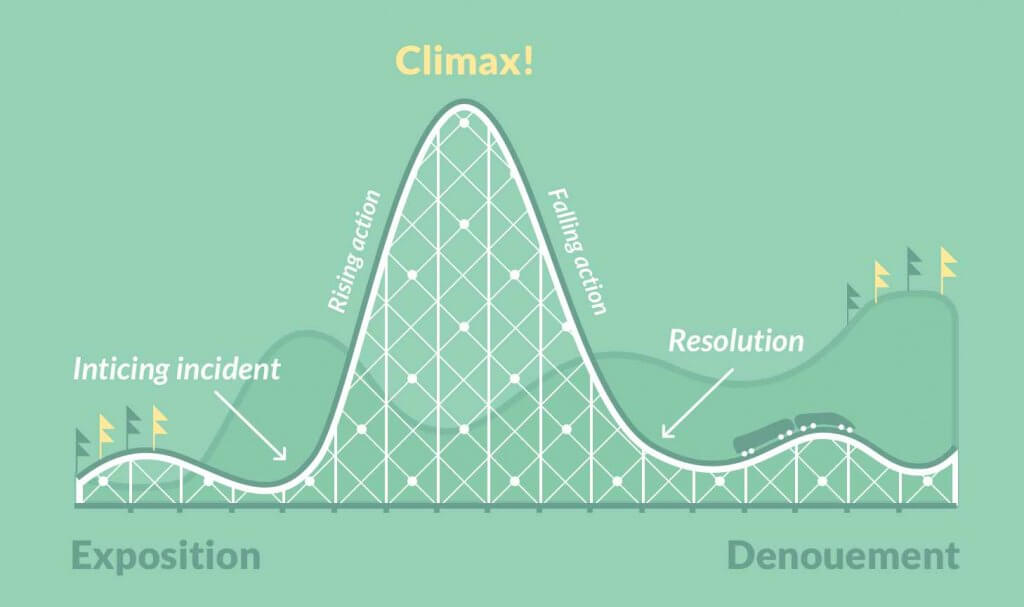
Many great stories begin with a great outline. This is especially important if it's your first book, since you need a solid blueprint to rely on when you get stuck! (Because believe us, you will get stuck.)
Q: What are the most common mistakes writers make when outlining a novel?
Suggested answer
I often review outlines for publishers and writers, and while some issues won't become apparent until the actual writing begins, some issues can be predicted in advance (and thus fixed in advance) if you think about what needs to happen between the actions/beats, or rather, how those actions/beats come to take place. I say that because a lack of attention to planning/decision-making and motivation are the biggest issues I find at this stage, especially when it comes to Suspense, Crime, Mystery, and SFF.
If you're planning out the action for an outline, you can't afford to forget about what leads to that action. A beat for a mystery or procedural might demand that a detective find a first clue, but the how is incredibly important. Why does a detective search a particular location instead of another? Why does he go to a victim's workplace instead of her home first, or vice versa? Thinking about a character's motivation is incredibly important. Otherwise, you'll find yourself writing about the search and the clue, but readers will still be caught up with wondering how the detective got to where he is so that he was in a position to find the necessary clue, come across the needed witness, etc. etc.
On a related note, character motivation always matters, and if you have an outline for what's going to happen in a novel, it's also important to know who your main character is. If they're a selfish or selfless person, either way, that's going to contribute to the choices they make and thus the actions that happen. If they have a particular goal in mind, or they're focused on a particular suspect or outcome, that's again going to influence their actions.
I think writers sometimes get caught up in what will make for the most exciting story, or the most suspenseful story--especially when following a beat sheet designed for a particular genre--and end up forgetting about how a character is getting to those beats. Or, they forget who their character is in terms of personality because they're over-focused on action, so that the motivation which is shown in the beats doesn't actually match up with the character who's going to be making those choices. Now, all this can certainly be fixed in the drafting/writing phase, but if character-specific motivation isn't given serious thought in advance of writing, you can easily end up with a draft where the character is being moved from place to place without their motivation/reasoning/planning being at all apparent to the reader. If you think about it in advance, chances are good that the motivation will come through in the writing, but otherwise, you're potentially in for some headaches when it comes to revision.
Jennifer is available to hire on Reedsy ⏺
So how do you go about creating that outline for your book? We actually have a whole other post on the subject, but here are the essentials:
- Pick a format that works for you. There are so many different types of outlines: the free-flowing mind map, the rigorous chapter-and-scene outline, the character-based outline, and so on. If one approach doesn't work for you, try another! Any kind of plan is better than none.
- Have a beginning, middle, and end. Way too many authors go into writing a book with a strong notion of how their story should start... yet their middle is murky and their ending, nonexistent. Take this time to flesh them out and connect them to one another. Remember: the best books have endings that feel “earned,” so you should try to be building toward it from the start!
- Consider your conflict points. Conflict is at the heart of any good book — it draws in the reader, conjures tension and emotion, and ultimately reflects the themes and/or message you want to convey. You don't have to know exactly where your conflict will manifest, but you should have a pretty good grasp of how it works throughout your book.
- Get to know your characters. If you haven't spent much time shaping your characters yet, your outline is the perfect opportunity to do so. How will your characters interact in the story, and how will these interactions demonstrate who they are and what matters to them?
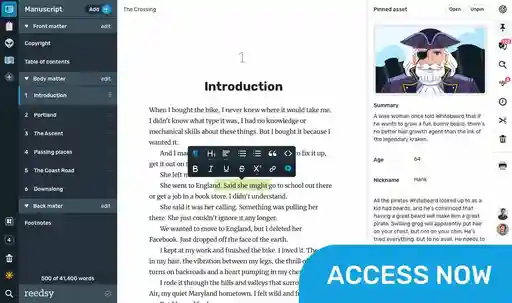
If you'd like to outline your story directly in a writing app, we recommend using the pre-made templates in the free Reedsy Studio. Simply create your account with one click below and start creating the building blocks of your story — right away.
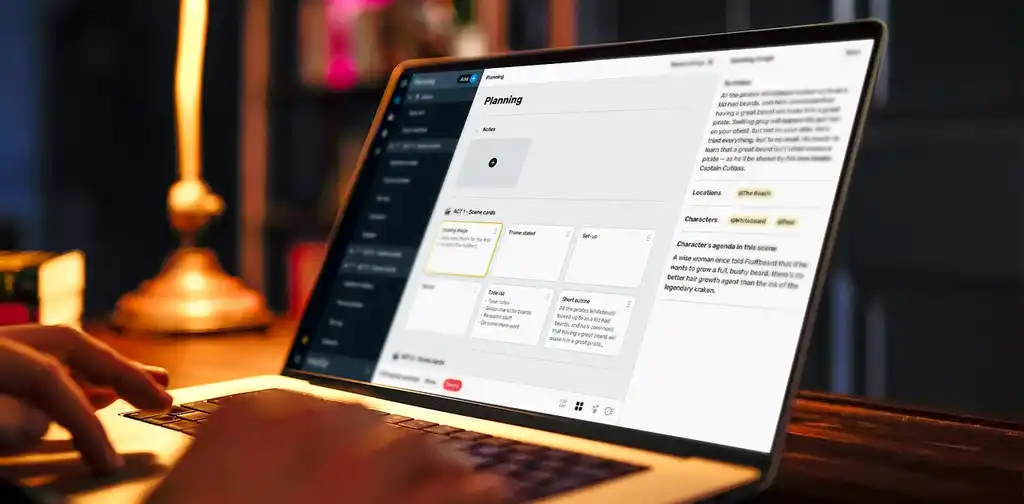
FREE OUTLINING APP
Reedsy Studio
Use the Boards feature to plan, organize, or research anything.
4. Write the opening sentence
Let's get into the actual writing and make a dent in your first draft. One of the most important parts of writing a book is starting it! It's no exaggeration to say your first few pages can make or break your book — if these pages aren't good enough, many readers will lose interest, possibly never returning to your book again.
First off, you need an opening hook that grabs the reader's attention and makes it impossible for them to look away. Take a look at the first lines of these hit bestsellers:
“Mr and Mrs Dursley, of number four, Privet Drive, were proud to say that they were perfectly normal, thank you very much.” — Harry Potter and the Sorcerer's Stone
“Renowned curator Jacques Saunière staggered through the vaulted archway of the museum's Grand Gallery.” — The Da Vinci Code
“If all the Saturdays of 1982 can be thought of as one day, I met Tracey at 10 a.m. on that Saturday, walking through the sandy gravel of a churchyard, each holding our mother's hand.” — Swing Time
All of these books fall into different genres, yet all their opening lines do the same thing: capture the reader's attention. You can imitate them by making a similarly strong, slightly furtive statement in your opener!
From there, your job is to maintain the reader's interest by heightening the stakes and kicking off the plot. You should also make the reader care about the main characters by giving them distinct personalities, as well as character goals and motivations. (Note that “main” is a key descriptor here; never introduce more than a couple of characters at a time!)
Of course, there are infinite ways to write your first chapter. You might have to experiment with lots of different opening lines, even opening scenes, to find the right balance — but it's worth the effort to set the stage perfectly.
Hire a book coach on Reedsy to accomplish your writing goals

Eli B.
Available to hire
With 22 years' experience as an acquiring editor and editor in chief, I offer comprehensive insight into the entire publishing process.

Christine M.
Available to hire
Experienced nonfiction editor and proofreader specializing in cooking/lifestyle books, including several James Beard and IACP Award winners.

Jessica P.
Available to hire
Award-winning author of 9 books. 22 years of experience as publisher, editor, and publicist. I edit books across all genres and ages.
5. Write the first draft
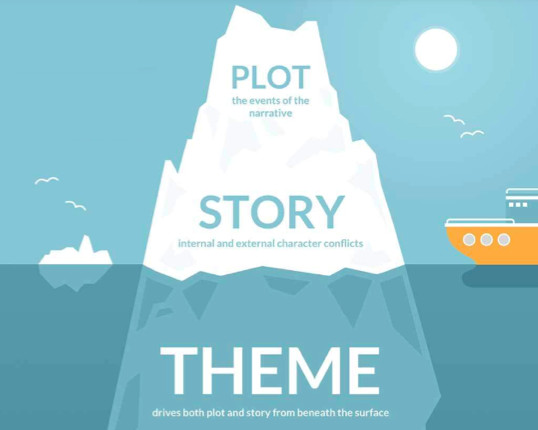
Many writers believe that the key to writing an amazing book is style: impressive vocabulary, elaborate sentences, figurative language that would make Shakespeare swoon.
We're here to dissuade you of that notion. While style is great (as long as your prose doesn't start to become purple), substance is far more important when writing a book — hence why you should focus primarily on your plot, characters, conflict(s), and themes.
Make sure your book is all killer, no filler
Of course, that's easier said than done, especially once you've already started working on your book. When you get to a patchily outlined section, it's tempting to keep writing and fill out the page with literary gymnastics. But that's exactly what this content is: filler. And if you have too much of it, readers will become frustrated and start to think you're pretentious.
Q: What's your number one tip for authors dealing with burnout or writer’s block?
Suggested answer

Refill your creative well! Go watch TV, listen to your favorite songs, play a video game—do whatever you need to do to separate yourself from the book, even if only for a little bit. I've found that a small bit of distance can go a long way towards combating burnout/writer's block.
However, if the block is extremely pervasive (and you're not on deadline), it can also be helpful to briefly shelve a book and work on something that doesn't make you want to slam your head against the wall!
Chelsea is available to hire on Reedsy ⏺
My number-one tip to combat writer's block is to experiment.
Whatever routine you've built for yourself as a writer, try getting out of that routine and see how it affects your ability to write.
If you normally write on your desktop computer, try using a tablet or even writing longhand. Maybe the blank page is affecting you, and dictation will be something worth trying. If you normally write at night after everyone else in your family has gone to bed, try getting up early and writing then, or even snatching breaks during the day for writing time. If you write in longer chunks of time at home, try a coffee shop or restaurant, or if you like to write in coffee shops, try writing at home or in a local park. If you normally write in silence, try putting on music in the background.
Generally speaking, routine is a good thing for most writers, but some books/ideas demand a change of pace, and since we as writers change by virtue of changing as people and growing in our craft, that sometimes mean a routine will change.
Jennifer is available to hire on Reedsy ⏺

When writer's block or burnout arrives, move away from the page without shame. Creativity is not a faucet but a well that must be refilled. Do something that reminds you why you love about stories to begin with: Take a walk, read a treasured book, watch a film that moves you, or simply sleep. Inspiration has a way of returning once you stop trying to make it happen. Be kind to yourself in the process—writing is done most naturally when you permit your mind and spirit to gasp for air.
John is available to hire on Reedsy ⏺

Take a break from the project and do something relaxing that gives you pleasure, especially something physical like a long walk. Sometimes, if you stop thinking about a book, you'll find ideas pop into your head anyway. I'd also advise doing a rough plan of how you see the next part of your book progressing -- this will make the actual writing part easier and less stressful.
John is available to hire on Reedsy ⏺
This is another reason why outlining is so important. You need to KNOW your story in order to stay on track with it! But besides outlining, here are a few more tips for making substance a priority:
- Every sentence must do one of two things — reveal character or advance the action. This advice comes straight from Kurt Vonnegut, and it's 100% true: if a sentence doesn't accomplish one or both of those things, try removing it. If the passage still makes sense, leave it out.
- Be conscious of your pacing. Slow pacing is a symptom of excess description. If the events of your book seem to move like molasses, you're probably using too much style and not enough substance.
- Use a writing tool to reduce flowery language. Speaking of great American novelists, Hemingway is a fantastic tool to help you write like the man himself! Simply paste your writing into the app and Hemingway will suggest ways to make your prose more concise and effective.
Keep readers in mind while writing
Do you want to be the author of a novel that people will really enjoy (and buy)? Well, this is pretty much the cardinal rule: you should always be thinking about your audience and trying to write “reader-first.”
For example, sometimes you'll have to write scenes that aren't very exciting, but that serve the overall story arc. Don't rush through these scenes just to get them over with! Even if they don't seem interesting to you, they contribute to the reader's experience by building tension and preserving the pacing — and the reader deserves to relish those things.
Create 'fake' people who will want to read your book
When considering your readership, you should also keep a proto-persona in mind for marketing purposes. These are constructed personalities that marketers use to better understand their target customers. The more your book can cater to this hypothetical reader, the easier it will be to sell!
Maybe you're writing a true-crime account for zealous true crime readers. Such readers will have pored over countless criminal cases before, so you need to include unique details to make your case stand out, and craft an extra-compelling narrative to engage them.
6. Set a schedule with achievable goals

Let's move on to practical ways that you can improve your writing habits. Word count goals play a huge part in creating an effective writing process, especially if you're trying to finish your book in a certain amount of time.
You should create word count goals for both your individual sessions and per week — or per month, if that's how you prefer to think about your writing output. For relatively novice writers, we'd recommend the following word count goals:
- 500-750 words per day
- 1,500-2,500 words per week
- 6,000-10,000 words per month
These goals are based on a pattern of 3-4 sessions per week, which is reasonable for a beginner, but still enough to make commendable progress. Even if you only follow our minimum recommendations — 500 words per session at 3 sessions per week — you can still easily finish your book in less than a year!
Speeding up the writing process
If you're looking for how to write a book as fast as possible, your word count goals should look a little more like this:
- 1,500-2,000 words per session
- 9,000-15,000 words per week
- 35,000-50,000 words per month
The figures above adhere roughly to NaNoWriMo, the event in which participants write an average of 1,667 words/day to complete a 50,000-word book in one month. It's hard work, but it's definitely possible to write a book that quickly; hundreds of thousands of people do so every year!
But as any author who's done NaNo can attest, it's also a pretty grueling experience. Most authors find it exhausting to write such great quantities for so many days in a row — and they still have to revise copiously once they're done.
If this is your first book, make sure you take your time, set manageable word goals, and gradually build to bigger goals.
Q: What essential physical tools or items should writers always have on hand to help with the writing process?
Suggested answer

As an editor and a writer, the physical items I’ve carried with me have changed over the years. Back when I was a 90s teen, I always had a small notebook and pen in my car, purse, or backpack to jot down lines. I also almost always carried a physical book with me—what I was reading in school or for fun at home. Whether it was Great Expectations or The Mirror of Her Dreams, a book on the go filled the void and loneliness of the pauses in my teen life. The book I carried with me also gave me joy and energized me to do my own writing later when I was at home alone, listening to Spin Doctors or Jewel on my clunky CD-tape player.
Nowadays, a smartphone can do a lot for you and me if we let it. The Notes app on iPhones or other writing apps on Androids are great for taking down any poetic lines or other plot aha moments you might have while out with friends or coworkers or running around town getting errands done. As a mom, I often have to wait for my kids to get out of school or classes, so I read a book I’ve downloaded or an article on Substack on my phone to pass the time. (I also just scroll endlessly sometimes. Both things are totally fine!) The same can be done if you’re working nine-to-five and biding your time for a meeting to start.
If inspiration strikes, jot down what you’re thinking to get it out of your head before the bell rings or the meeting starts and life revs up again, the precious idea lost to cleaning out lunchboxes or putting out fires at your job.
If you’re having trouble using your phone as a writer’s tool, delete all your social media apps for a week, and see if it goes better. Do you find yourself writing more and scrolling less? Did you already try that and it not work? Then try to follow more writers on social media for inspiration. Even seeing writers’ day-to-day lives can be inspiring. What did they do yesterday? What shoes did they just buy? Sometimes even little things can motivate you to be in writer-mode.
Also, snacks. Never forget the snacks.
Sandra is available to hire on Reedsy ⏺

I'm a huge proponent of staying hydrated, so I will always recommend water. It's a great tool to give your brain space to think, too. Stuck? Take a sip of water. Finished a difficult line? Take a sip of water. Feeling achy after sitting too long? Take a sip of water.
Samantha is available to hire on Reedsy ⏺

A pocket notebook and pen or pencil. You never know when an idea will come around, or you suddenly figure out a solution to a writing problem. I keep one on me all the time, even if I'm sitting at my computer, because sometimes in the time it takes to decide what app/document to open, the thought will just vanish. It also gives me a chance to think visually, which is how I often work through things: mind-maps, doodles, sketches, and other ways of expressing myself that are not always easy to pull off with a keyboard.
And they're handy for impromptu to-do or shopping lists to boot!
Marisa is available to hire on Reedsy ⏺

Your smartphone! The quickest way to make sure you don't forget an idea is to record a voice note – save yourself the scramble for a pen and paper. Snapshots of places, scenes, details, and skies that inspire you are great for reference too.
Mairi is available to hire on Reedsy ⏺
A notepad or a phone as a way of taking verbal or written notes for ideas as they arise.
Melody is available to hire on Reedsy ⏺

I'm a sucker for a good pocket notebook. You never know when inspiration will strike, and while phone are great (and another note-taking device that works wonders) I've always found that physically writing something down helps the ideas flow more.
Sean is available to hire on Reedsy ⏺

Pen and paper if you're old-school.
Laptop (or in a pinch, smartphone) if you're new-school.
Coffee if you drink coffee; tea if you drink tea.
And when the words just aren't coming, access to whiskey and rum. 😉
Brett is available to hire on Reedsy ⏺
Use writing sessions to establish a schedule
Having a healthy writing routine is the only way you'll actually hit those word count goals — not to mention it fosters a better relationship with writing overall! To establish a healthy routine, ask yourself these baseline questions first:
- When do I have the most free time in the day/week?
- What time of the day do I tend to be most productive?
- How can I space out my writing sessions effectively?
- Will I realistically be able to balance my writing goals with other responsibilities?
The best way to set up your routine is to take advantage of your pre-existing schedule and natural patterns. So for example, if you already go to the gym on Tuesdays and Thursdays, perhaps the best time to write would be on Mondays, Wednesdays, and Fridays. Or if you find yourself most creative late at night (many of us do!), you can plan late-night sessions over the weekend/before your day off, so you can sleep in the next day.
Ultimately, you just want a well-balanced writing routine that facilitates productivity, yet keeps you from burning out. If you find that writing for several days in a row is too much for you, space out your sessions more or try to shake things up by moving to a new writing space. If you can't keep up with your goals, it's okay to reduce them a little.
Yes, writing a lot is important, but it's not more important than your mental health! Remember that writing a book is a marathon, not a sprint, and that a consistent, healthy approach is absolutely vital. Here are some tips for making the most of your writing routine.
Don't skip more than one session in a row
Life happens, and sometimes you won't be able to make a planned writing session. However, unless it's a serious emergency, you should try to get back in the saddle for your next session. Otherwise, you'll lose too much progress and feel discouraged, which typically leads to skipping even more writing sessions, and eventually giving up.
Track your progress
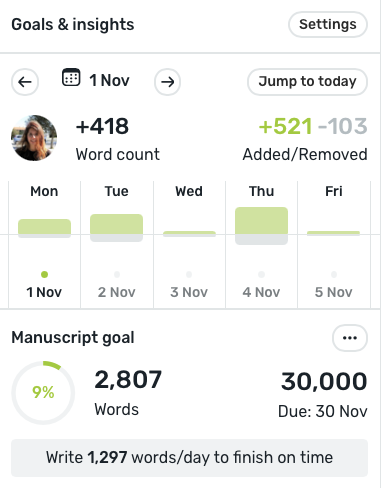
With our free writing app, Reedsy Studio, you'll see the numbers update automatically depending on your activity: you'll see how many words you added and deleted on any given day. Depending on the overall goal you set for your manuscript, you'll also see your daily targets adjust depending on how much you've written so far.
Use a site blocker to stay focused
Distraction is the enemy of routine, and the biggest distraction in our modern world is the Internet. To that end, download a site-and-app blocker to use during your writing sessions so you won't be enticed by social media or adorable cat memes. We'd recommend Freedom, as you can schedule block sessions in advance and even keep track of your productivity within the app.

FREE COURSE
How to Build a Solid Writing Routine
In 10 days, learn to change your habits to support your writing.
7. Find a good writing space
Another major component of how to write a book is where you write, hence why it gets a separate section. If you want to complete an entire book, you absolutely must find a calm, focused space for your writing.
This may be in your house, a coffee shop, a library, a co-working space — wherever you can work productively and without interruptions. It should also be a place that you can access easily and go often. Working from home is the most convenient option in this sense, but it may be difficult if you have family around, or if you don't have a designated “room of one's own” (i.e. an actual office, or at least a desk).
What does a good writing space look like?
Try out different locations to see what works for you. Indeed, you may find that you like to rotate writing spaces because it keeps you energetic and your writing fresh! But wherever you go, do your best to make the space:
- Quiet (noise-canceling headphones can be very helpful)
- Clean (no clutter, especially if you do chores to procrastinate)
- Non-distracting (nothing too fun around to tempt you away from writing; turn off your phone so other people won't bother you)
- Your own (cultivate a nice atmosphere in your home office with posters and plants, or simply take the same seat at your local café every time — truly carve out a “dedicated writing space”)
8. Pick a "distraction-free" writing software
We've already talked about a few different pieces of software to help you with writing a book. But if you haven't found the right app or program yet, never fear — there's plenty more where those came from!
Q: What are the best writing tools for new authors, and how do they compare?
Suggested answer
The best tools for writers come from practicing as often as you can (even small exercises and prompts!), getting real feedback from peers, and reading as much in your genre as possible. Listen to your favorite authors talk about their craft (and read the books they've written on it, if possible).
It's my personal opinion that using AI as a writing tool doesn't help you improve, and I would discourage writers from using it. Editors can recognize it, and the attitude towards AI in the publishing industry isn't positive.
Truthfully, editors should fall in love with your voice, and the tools you use should help you develop that voice, not replace it with a computers'.
Grace is available to hire on Reedsy ⏺
A choice of tools is going to depend a great deal on the writer in question, and the real trick is to figure out what works for you individually.
Many writers use software like Scrivener to help them organize their ideas and scenes, and I think that tool can be especially useful for writers balancing multiple POVs in a single epic work, whatever the genre. There's also software out there which helps writers create mindmaps of stories, for more visual writers, not to mention endless beat sheets if you want to start out with an outline.
Distraction-prone writers may want to depend on Freewrite to help them avoid distraction while writing. Writing longhand can come with hand cramps, but it also serves the purpose of limiting distractions since you're less likely to be distracted by email or social media if you're not on your computer.
Even when drafting on a computer, some writers will also find it helpful to have nearby notepads or sketch pads, whether to sketch out the layout for a particularly important setting, make notes for future scenes, or keep track of characters' physical characteristics in a more immediate fashion than separate docs.
I also think it's worth taking a second to talk about what tools are less than helpful. For one, AI gets talked about constantly, but when it comes to writing, you're better off depending on your own work. Even aside from the ethical questions, many publishers and editors won't want to work with you on material that was partially generated through AI, and the publishing industry and creatives at large tend to frown on it. Similarly, you want to make sure to know the policies of any software or website you're using when it comes to AI use, data storage/use, etc.
In general, though, a writer has to find the tools that best work for them, whether that's pencil and paper, a book coach, or a fancy software option. There's no right or wrong answer--it's all about what works for you.
Jennifer is available to hire on Reedsy ⏺
Book writing software is a topic we've actually written an entire post about, but it's worth touching on a few of our favorite writing tools here:
Scrivener 🖋️
Scrivener is the downloadable writing software of choice for many writers, and for good reason: it has an exceptional interface and tons of useful features. You can outline chapters with its drag-and-drop system, create labels for elements you want to track, and use various templates to plan AND format your book. If you want to feel like a true professional, you can't go wrong with Scrivener — and it's even free to try for 30 days.
Milanote 💭
Or if you're not much for outlines because your thoughts are all over the place, Milanote can help. The super-flexible interface allows you to “mind map” just as you would longhand, and rearrange different sections as you please. When writing, you can see all your notes at once, so you don't have to stress about forgetting things. It's a very refreshing, intuitive way approach that's worth a try for all disorganized authors.
FocusWriter ✍️
Speaking of intuitive, what's more intuitive than simply writing on a piece of paper, no distractions — just like the old days? Meet FocusWriter, which allows you to do exactly that. The full-screen default interface is a sheet of paper on a wooden desk: no bells, no whistles, no distractions whatsoever. Seriously, this one will get you in the zone.
Reedsy Studio 📖
We couldn't leave out one of the coolest word processing, editing, and formatting tools on the market! All jokes aside, Reedsy Studio lets you cleanly format your book as you go, so you can watch it take shape in real-time. You can also add sections for front matter and back matter and invite collaborators to edit your text. Plus you can toggle on goal reminders to make sure that you're on track with your writing schedule. Once you finish writing, you can export the files of your book. But don't take our word for it: you can try Reedsy Studio for free right here.
FREE WRITING APP
Reedsy Studio
Set goals, track progress, and establish your writing routine in our free app.
9. Finish your draft

Getting into the groove of writing a book can be difficult. When there are a million different things to distract and discourage you, how can you keep going with your writing routine and finish your book?
Q: What's a novel with an unforgettable ending, and what narrative choices made it so impactful?
Suggested answer
"She turned away. Behind them lay pain and death and fear; ahead of them lay doubt, and danger, and fathomless mysteries. But they weren’t alone.
So Lyra and her daemon turned away from the world they were born in, and looked toward the sun, and walked into the sky."
-- The Northern Lights by Phillip Pullman
It is the most perfect ending to a book, full stop. It's emotionally-charged, especially considering the events that happened just prior to this moment (no spoilers!) It lifts the reader up, gives hope, and also a promise of more to come.
And it's poetic, from the word usage to the sentence structure. It sets the pace and tone with punctuation, and it ends with a strong visual that is breathtaking in its simplicity.
Grace is available to hire on Reedsy ⏺
A tragedy-ending novel is Markus Zusak's The Book Thief. Death's narration provides an otherworldly voice that creates a gentle sense of destiny from the outset. But when inevitable tragedy finally materializes, it still has cathartic effect because the strong emotional investment created by tiny, intimate moments rather than over-the-top gestures. Zusak's poetic writing and gradual unveiling of destinies make the climax both beauty and heartbreak—a reflection on love, loss, and the stories that keep us alive even after death.
John is available to hire on Reedsy ⏺
Based on ours and other writers' experience, here are a few motivational strategies for you to try:
- Make a list of reasons why you want to write a book. Having a tangible reminder of your true purpose is one of the best ways to motivate yourself, so think hard: Do you want to send an important message? Reach a certain group of people? Or do you simply yearn to tell this particular story? Write down all your reasons and keep them as an ace in the hole for when your motivation dwindles.
- Find someone else to write with you. Getting a writing buddy is another great way to stay motivated! For one thing, you get some camaraderie during this process; for another, it means you can't slack off too much. So ask your writer friends if they'd like to meet up regularly, or join a community of authors online. With the latter, just make sure you exchange progress updates and proof that you're actually writing!
- Reward yourself at important milestones. Sometimes the best motivation is the prospect of treating yourself. If you respond well to this kind of motivation, set a goal, a deadline, and a reward for meeting it: “If I can write 10,000 more words by the end of the month, I'll go out for an amazing, fancy dinner with all my friends.” This kind of goal is also helpful because you can tell your friends about it, and that very act will hold you accountable.
For even more advice on how to staying motivated through the writing process, check out this Reedsy Live from author and writing coach Kevin Johns!
Don't give up
Remember how we said you'd inevitably get stuck? Well, that's what this step is all about: what to do when you hit a wall. Whether it's a tricky plot hole, an onslaught of insecurity, or a simple lack of desire to write, all writers experience setbacks from time to time.
There are countless ways to overcome writer's block, from freewriting to working on your characters to taking a shower (yes, that's a legitimate tip!). However, here are some of the most effective techniques we've found:
- Revisit your outline. This will jog your memory as to planned story elements you've forgotten — which may help you find the missing piece.
- Try writing exercises. It's possible you just need to get the words flowing, and then you can jump get right back into your book. Luckily for you, we have a whole host of great writing exercises right here!
- Share your experience with friends. This is another great role for your writing buddy to fill, but you can easily talk about writer's block with your non-writing friends, too. If you're struggling, it always helps to vent and bounce ideas off other people.
- Take a short break to do something else. Yes, sometimes you need to step away from the keyboard and clear your head. But don't take more than a day or so, or else you'll lose momentum and motivation.
Most of all, remember to take setbacks in stride and not let them get you down. As platitudinous as that might sound, it's true: the only thing that can stop you from writing a book is if you, well, stop writing. So keep calm and carry on — every day brings new opportunities and you'll get through this.
Your aim at this point is not to emerge with an instant masterpiece. The quality almost always emerges in the edit.
10. Edit the manuscript

You can write all day, all night, to your heart's content... but if no one else likes what you've written, you might end up heartbroken instead. That's why it's crucial to request feedback on your book, starting early and from as many sources as possible.
Begin by asking your friends and fellow writers to read just a few chapters at a time. However, apply their suggestions not only to those chapters, but wherever relevant. For example, if one of your friends says, “[Character A] is acting weird in this scene,” pay extra attention to that character to ensure you haven't misrepresented them anywhere else.
Q: How do I balance getting professional editing with keeping my own voice?
Suggested answer

An editor shouldn't be rewriting your work. Your work should still sound like you, even after a heavy line edit. The reviews I really cherish from clients and writers are the ones that remark on the fact that I've retained their voice throughout the editing process, as I think that's the core purpose of an edit: giving a manuscript a glow-up rather than completely changing it.
Your best friends in choosing an editor who'll do this are (1) a detailed brief that describes the voice and tone you're aiming for and (2) sample edits. The first makes it clear what you want, while the second helps you check whether an editor will be the right fit for you. I also always make it clear to authors that my edits are suggestions, and I'm always happy to discuss why I'm suggesting a change and to provide alternatives if desired. Editors are there to support your project, not to lead it.
Claire is available to hire on Reedsy ⏺
A professional editor should respect your voice and project. Honestly, it's as simple as that.
The best way to be sure that will happen is to hire an experienced editor and also ask for a sample edit, especially with line/copyedits. Seeing that sample edit and thinking about how the editor engages with your voice should tell you everything you need to know. Chances are, you won't agree with everything an editor recommends because editing is a subjective business, but if the editor is keeping in mind your particular voice and project, and if they're experienced and aligned with your vision, you should probably expect to agree with 80-90% of their recommendations.
That said, there are exceptions! I once had an author tell me she only agreed with about 40% of my copyedits, and I was horrified. I immediately told her that meant we weren't a good fit...and then she told me that she'd had three previous editors, and she'd only agreed with about 10-15% of what any of them had suggested! In fact, she was thrilled with my work! This particular author was simply extremely attached to even the smallest nuances of her language use, and had a lot of trouble working with an editor at all. I came to realize that her taking even 40% of my suggestions was actually a pretty serious compliment, odd as that may sound.
With developmental edits, things get a little trickier, but respect is still the ultimate goal. An editor shouldn't be trying to rewrite your story. Ideally, you want a developmental editor who will respect your story and help you find its full potential without injuring your vision. If they point out plot holes, they might point out different ways to address those fixes (and you can talk to them in advance about whether or not you want them to), but they won't insist on you taking any of those fixes; they'll only strongly suggest you fix the plot hole. Similarly, if you've got a 180,000 word paranormal romance on your hands, they'll be right to talk to you about the realities of publishing and how difficult it will be for you to find an agent, but they shouldn't be rewriting the book for you or lecturing you. (In a case like this, I'd personally be having a conversation with the author to talk about their publication plans, the realities of publication, and options for how to go forward, whether that would mean splitting the book into two or cutting subplots...but it would be a conversation, and not a lecture). If an editor is telling you how to rewrite your book and you didn't ask them to do so, they're not the right fit for you, and you should move on--because yes, it's a matter of respect for your project and you.
Jennifer is available to hire on Reedsy ⏺

A good editor of any kind—developmental, copyeditor, etc.—is going to honor your voice and want to help you hone it. It's good to keep in mind that your editors are not trying to make your writing less unique, they're trying to guide it to be the best it can be. With that understanding in place, make sure you're reading their feedback from a place of trust and open-mindedness. Once they've read a few hundred words of your manuscript, an editor will often have an idea of your voice and will do their best to work with your voice, not against it.
Editors will often offer an explanation for an opinion-based change, and it's important to hear their perspective. (And if your editor isn't offering an explanation for a particular change from the get-go, feel free to ask them for one.) If you find that you're declining a lot of changes in an ongoing partnership, try to afford your editor the same respect and offer an explanation as to why their changes aren't working for you. That will improve their sense of your goals for your manuscript and they can adjust their feedback accordingly. They'll probably be really excited to now be on the same page and might have some fresh new ideas!
Another thing to keep in mind is that sometimes—especially in creative writing—you may think you're doing something clever on the sentence level, and then your editor tells you they're confused by it and/or that it's wrong. As in grammatically incorrect, or conveying the wrong message, or illogical, or any number of things for which there is technically a black-and-white rule in the English language. In these instances, remember that in general the impression you want your reader to get is more important than being clever. Sometimes you may just need to be disappointed that the clever thing you thought you were doing wasn't so effective after all. And if you feel strongly about maintaining a style that's sometimes "wrong" (maybe it's important to your character building), work with your editor on how to make sure you're still being understood by the reader.
Above all, remember that your editors are on your side! They want to help your writing be its best, not be exactly like everyone else's. Your editors want to work with you. Make sure you're working with them, too!
Mira is available to hire on Reedsy ⏺
Once your book is finished, you're ready for some more intensive feedback. Consider getting a beta reader to review your entire book and provide their thoughts. You may want to hire an editor to give you professional feedback as well. (Find out about the different types of editing, and which type your book might need, in this post.)
Finally, it might sound obvious, but we'll say it anyway for all you stubborn writers out there: feedback is useless if you don't actually listen to it. Separate yourself from your ego and don't take anything personally, because no one wants to offend you — they're just trying to help.
11. Publish your book for readers to buy
You’ve persevered to the end at last: brainstormed, outlined, and written a draft that you've edited extensively (based on feedback, of course). Your book has taken its final form, and you couldn’t be prouder. So what comes next?
Well, if you’ve taken our advice about catering to your target readers, you may as well give publishing a shot! We have a full guide to publishing right here — and if you’re thinking about traditional publishing, read this article to decide which is right for you.
Get help from publishing professionals
Publishing is another rigorous process, of course. But if you’ve come this far to find out how to write a book, you can pretty much do anything! Invest in stellar cover design for your book, study up on marketing for your book, or start writing an irresistible query letter that will get you an offer.
Q: How do I know when my book is "ready" for professional editing?
Suggested answer
If you've gotten as far as you can get when it comes to improving your book, and you find that you don't know what to do next, that's when you're ready to hire an editor.
That sounds pretty simple, but no matter what genre you're working in, it's the most solid advice I can offer. You could play with a book for a decade after first drafting it, tweaking characters and plot and scene or working to explain a scientific theory more clearly, but unless you're confident in what needs to happen to elevate the book, you're only postponing the process of getting feedback on what you've created.
It should be noted, though, that if you do know what needs to happen next, you're better off waiting on hiring an editor. If you know already that your book has a plot hole, or the romance needs more scenes to land on those beats which romance readers are going to expect, do that before sending your work to an editor! Otherwise, an editor is going to spend time detailing out a plot hole that you already know about, or talking about what's missing from the romance even though you already know it's missing. You'll be paying them to tell you what you already know, and they'll feel like they've wasted their time/energy when you tell them you already knew about the issue they've spent real time describing.
You might be wondering, "Is it okay to send my book off to an editor and tell them about a particular issue I'm having, so they'll know it's already on my mind?" The answer is definitely yes. When you do, just let them know whether or not you need feedback on that area.
For instance, I've had an author tell me that they already know a particular character is acting too immature for her age, but it's on their radar and they're brainstorming how to 'age up her actions'. If someone tells me that in advance, I don't have to waste time explaining how/why a character is being immature because I know the author is on the same page. I can simply focus on helping them nail down those areas that need correction and potentially give them ideas for how to fix the issue.
Similarly, I've had authors tell me they already know about a plot hole (insert plot issue here), but are struggling with how to fix it in a way that won't force a total rewrite. If they tell me that, I can spend time brainstorming on their behalf and help them figure it out, vs wasting time explaining in detail why the plot hole is a plot hole at all.
When all is said and done, though, an editor is simply there to help you find your book's full potential. When you don't know what to do next? That's when you call on them.
Jennifer is available to hire on Reedsy ⏺
You will know that your book is ready for professional editing once you have tried everything with it that you can do yourself. This means having done a first draft, sorted out serious plot or structural issues, and addressed glaring errors of consistency or weakness. You should have a feeling that the message or story is fully expressed, if not perhaps flawless. If you find yourself rephrasing sentences but no longer making noticeable improvements, that's a good sign you're ready. An editor's role is to lift your work from good to polished, not to finish half-thoughts. When you both love your manuscript and don't know how to improve it, it's time to bring in professional eyes.
John is available to hire on Reedsy ⏺
Whichever route you take, one thing will remain true: you’ve written a book, and that’s an incredible achievement. Welcome to the 0.1% — and may the next book you write be even greater than the first. 📖



1 response
aboe says:
13/12/2019 – 15:33
thank you for helping me find a new way to write my book