
Looking to publish? Meet your dream editor, designer and marketer on Reedsy.

Find the perfect editor for your next book

1 million authors trust the professionals on Reedsy. Come meet them.

DIRECTORY

Best Poetry Literary Magazines in 2026

Showing 112 magazines that match your search.

Print magazine for Poetry,

Epiphany is committed to publishing literary work, wherever it may fall on the spectrum from experimental to traditional, that is realized both in its vision and its devotion to artistry. We are especially open to writers whose explorations of new territory may not yet have found validation elsewhere.

Submission guidelines →

🌍 Territory: USA

💰 Submission fee: $5

⏱️ Frequency: 2 times a year

🧑‍💻 Online submissions: Yes

Print magazine for Poetry,

Founded in 1892 by the teacher and critic William Peterfield Trent, the Sewanee Review is America's oldest continuously published literary quarterly. SR has a long tradition of cultivating emerging talent: we published excerpts of Cormac McCarthy and Flannery O'Connor's first novels, and the early poetry of Robert Penn Warren, Sylvia Plath, Robert Lowell, and Christian Wiman.

Submission guidelines →

🌍 Territory: USA

💰 Submission fee: $0

⏱️ Frequency: 4 times a year

🧑‍💻 Online submissions: Yes

Print magazine for Poetry,

Granta magazine was founded in 1889 by students at Cambridge University as The Granta, a periodical of student politics, badinage and literary enterprise, named after the river that runs through the town. In this original incarnation it published the work of writers like A.A. Milne, Michael Frayn, Stevie Smith, Ted Hughes and Sylvia Plath.

Submission guidelines →

👀 Average visits: 223,800/month

🌍 Territory: UK/USA

💰 Submission fee: $4

⏱️ Frequency: 4 times a year

🧑‍💻 Online submissions: Yes

Looking for an editor to polish your manuscript?

The best professionals are already on Reedsy, come meet them. Create your free account to request free quotes today.

Learn more about the Reedsy Marketplace.

Print magazine for Poetry,

Confrontation Magazine began operation in 1968 with the mission of bringing new talent to light in the shadows cast by well-known authors. Open to all submissions, each issue contains original work by famous and by lesser-known writers.

Submission guidelines →

🌍 Territory: USA

💰 Submission fee: $0

⏱️ Frequency: 2 times a year

🧑‍💻 Online submissions: No

Online magazine for Poetry,

Narrative is dedicated to advancing literature in the digital age by supporting the finest writing talent and encouraging reading, as the gateway to understanding, across generations, in schools, and around the globe.

Submission guidelines →

👀 Average visits: 60,400/month

🌍 Territory: USA

💰 Submission fee: $27

⏱️ Frequency: 52 times a year

🧑‍💻 Online submissions: Yes

Print magazine for Poetry,

Ninth Letter is a collaborative arts and literary project produced by the Creative Writing Program and School of Art & Design at the University of Illinois, Urbana-Champaign. Edited and designed by faculty and students as part of the core curricula of both programs, the journal's mission is to present original literary writing of exceptional quality, illuminated by cutting-edge graphic design.

Submission guidelines →

🌍 Territory: USA

💰 Submission fee: $3

⏱️ Frequency: 2 times a year

🧑‍💻 Online submissions: Yes

Print magazine for Poetry,

The Gettysburg Review, published by Gettysburg College, is recognized as one of the country's premier literary journals. More than one-hundred short stories, poems, and essays first published in The Gettysburg Review have been reprinted in the various prize anthologies. Online submissions are $3 and snail mail submissions are free!

Submission guidelines →

🌍 Territory: USA

💰 Submission fee: $3

⏱️ Frequency: 4 times a year

🧑‍💻 Online submissions: Yes

Print & Online magazine for Poetry,

Harvard Review publishes short fiction, poetry, essays, and book reviews. Writers at all stages of their careers are invited to apply; however, we can only publish a very small fraction of the material we receive. We recommend that you familiarize yourself with Harvard Review before you submit your work.

Submission guidelines →

🌍 Territory: USA

💰 Submission fee: $3

⏱️ Frequency: 2 times a year

🧑‍💻 Online submissions: Yes

Print magazine for Poetry,

It's time to see your name in print! Send us your previously-unpublished submissions for inclusion in Mslexia. There are 14 opportunities to submit for women writers of all specialisms: poetry, fiction and non-fiction, with five slots kept solely for subscribers to the magazine.

Submission guidelines →

👀 Average visits: 52,400/month

🌍 Territory: UK

💰 Submission fee: $0

⏱️ Frequency: 4 times a year

🧑‍💻 Online submissions: Yes

Print magazine for Poetry,

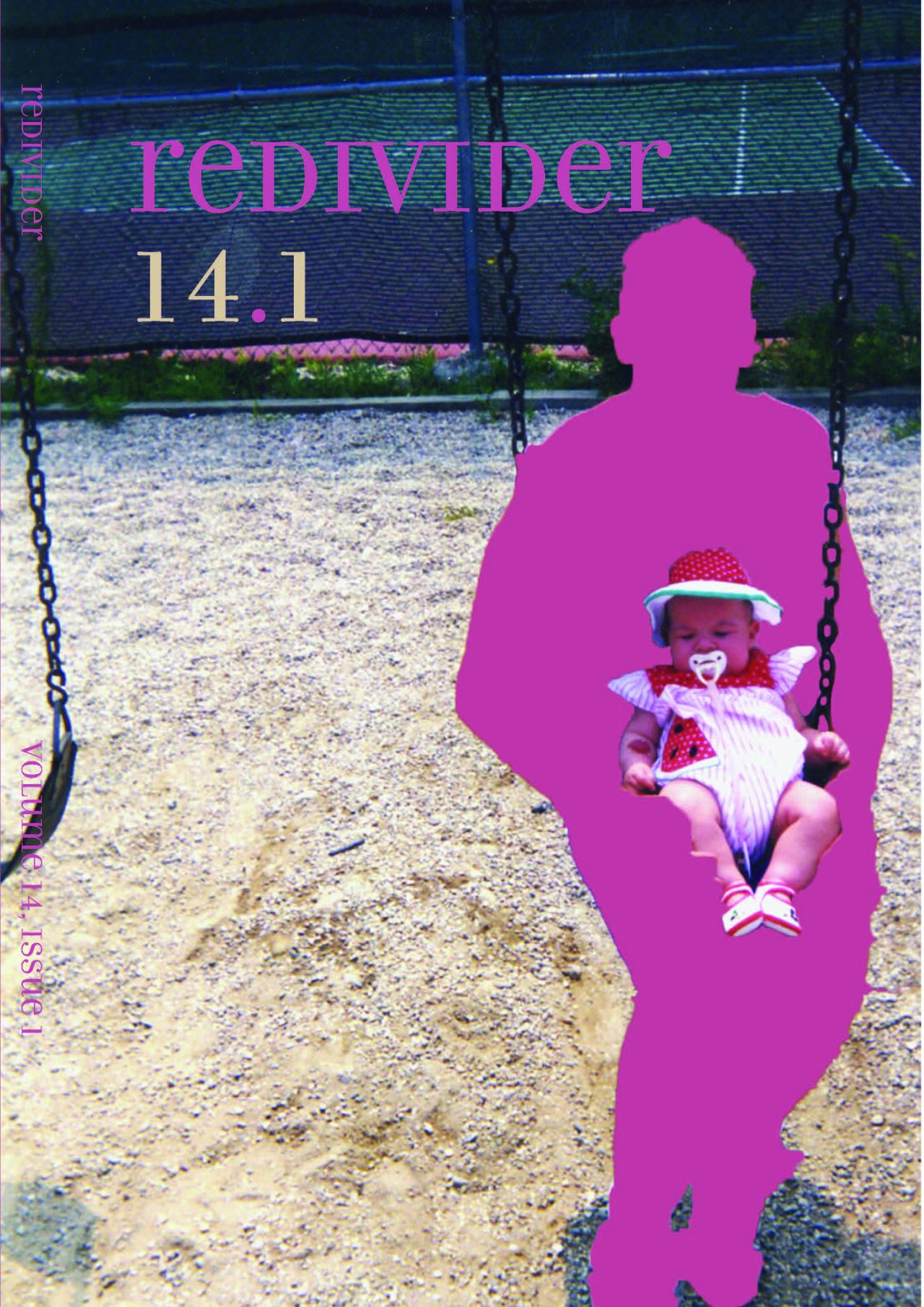
Redivider is a nationally distributed journal of new art and literature produced by and representing the graduate students in the Writing, Literature, and Publishing program at Emerson College in Boston. Published twice a year, we welcome art, fiction, nonfiction, and poetry submissions from new, emerging, and established artists and writers. And if you're wondering about the name, it's a palindrome!

Submission guidelines →

🌍 Territory: USA

💰 Submission fee: $3

⏱️ Frequency: 2 times a year

🧑‍💻 Online submissions: Yes

Print magazine for Poetry,

Copper Nickel, the national literary journal housed at the University of Colorado Denver, was founded by poet Jake Adam York in 2002. Work published in Copper Nickel has appeared in the Best American Poetry, Best American Short Stories, and Pushcart Prize anthologies, and has been listed as notable in the Best American Essays anthology.

Submission guidelines →

🌍 Territory: USA

💰 Submission fee: $0

⏱️ Frequency: 2 times a year

🧑‍💻 Online submissions: Yes

Print magazine for Poetry,

There are vanishingly few magazines left in this country which seem pitched at the general literary reader and which consistently publish such interesting, high-quality criticism, reflection, argument, fiction, and poetry. Threepenny is thankfully still out there.

Submission guidelines →

👀 Average visits: 44,600/month

🌍 Territory: USA

💰 Submission fee: $0

⏱️ Frequency: 4 times a year

🧑‍💻 Online submissions: No

Print & Online magazine for Poetry,

Spellbinder is a quarterly literary and art magazine which celebrates artists, dramatists and poets, as well as fiction and nonfiction writers. Inclusivity and diversity are at the core of Spellbinder’s ethos. They strongly value being able to provide a platform for an international range of voices from many different backgrounds and cultural experiences.

Submission guidelines →

🌍 Territory: United Kingdom

💰 Submission fee: $0

⏱️ Frequency: 4 times a year

🧑‍💻 Online submissions: Yes

Print magazine for Poetry,

The Greensboro Review is always on the lookout for new short stories and poems from writers at any stage of their career. The work you’ll find in the pages of the GR rarely conforms to any one theme, subject, or style—our editors read for those “bolts of lightning” that come with a surprising poem or story, the pleasure of spotting something new or discovering a fresh take on the familiar.

Submission guidelines →

🌍 Territory: USA

💰 Submission fee: $3

⏱️ Frequency: 2 times a year

🧑‍💻 Online submissions: Yes

Print magazine for Poetry,

Founded by the poet Tom McGrath in Los Angeles in 1960, Crazyhorse continues to be one of the finest, most influential literary journals published today. We look forward to another 50 years of the publication of McGrath's visionary foray into the world of letters, and hope you'll join us in encountering the best new writing we can publish.

Submission guidelines →

🌍 Territory: USA

💰 Submission fee: $3

⏱️ Frequency: 2 times a year

🧑‍💻 Online submissions: Yes

Run a literary magazine? Submit it to our directory!

The halls of literary success are paved with authors who got their start appearing in literary magazines — such as Zora Neale Hurston, Truman Capote, William Faulkner, Edith Wharton, Ursula Le Guin, J.D. Salinger, George Saunders, Alice Munro, Flannery O’Connor, and many more. 

For centuries, literary magazines have highlighted works that would otherwise struggle to reach readers. Poetry, short stories, essays are all forms of writing that own very tiny shares in the publishing landscape — except in the world of literary magazines, where they reign supreme.

If you’re an aspiring author, submitting to literary magazines is a great way to get your foot into the door of the publishing industry, as it allows you to build up your credentials and reach readers. That being said, having your work appear in a literary magazine isn’t as easy as hitting “submit.” While they can act as a stepping stone for writers who wish to go on to have a career in publishing, you shouldn’t view literary magazines as simply a means to an end — if only because doing so will very likely reduce your chances of ever actually being featured in one of them.

And on that note, let’s get started with our first tip for getting your work featured in some of the best literary magazines out there.

Tips for submitting to literary magazines 

Ensure you’re submitting to the right places

When you think of literary magazines, your mind might automatically go to The New Yorker. Or it might go to independent webzines that specialize in very niche genres. Maybe you think of university-funded quarterlies like The New England Review. All this is to say that the range of lit mags out there is broad and the kinds of things they publish also ranges — from short lit fic to flash space operas, and everything in between. 

So before you decide to submit your short stories or poetry to a magazine, make sure you do your due diligence and research what kinds of things they publish, and where your work is really a match.

Don’t submit to tons of publications all at one

“Cast a wide net” shouldn’t be your mantra when it comes to submitting to lit mags. As mentioned, all magazines have their own styles. So spending your time ensuring your submissions are targeted at the right places is much more valuable than sending your writing to as many different publications as possible. Editors can usually scout fairly quickly the pieces that have been submitted en masse, without any regard for their specific publication.

Instead, make a list of the magazines you want to submit to and group them into tiers. Tier One can be your top five magazines, Tier Two your next five favorite, and so on. This is not only a good way to make sure you’re giving each submission care and attention, it’s also a good way to make sure you don’t get the same piece of writing accepted by two different magazines, forcing you to pull your submission from one of them.

When it comes to making your list, don’t only consider what magazines have prestige, huge audiences, or hefty cash payouts. The best magazines to submit to are the ones that you actually enjoy reading. Because chances are those are the magazines that are going to be most interested in the kind of things you’re writing.

Keep your cover letter short and to-the-point

Editors are not won over by cover letters. If you’ve written a great story and have publishing credentials to boot, sure, your cover letter might help win them over. But if your submission isn’t strong, your cover letter is going to mean nil. So let your cover letter mention the important bits, make sure it provides any specific information that’s requested in the submission guidelines, and let your entry do the heavy lifting. 

Typically, a cover letter will mention a couple of the previous places you’ve been published as well as any other relevant experience you might have. You can also add a personal touch by mentioning a previous story or issue you particularly enjoyed.

What your letter shouldn’t mention is every place you’ve been published (up to 5 will suffice). It shouldn’t summarize your entry, your life story, or your “writing journey,” and any previous experience you mention should be related in some way to writing, publishing, or your entry.

Thoroughly edit your story — and follow submission guidelines!

An editor is probably not going to banish an otherwise very strong entry to the slush pile because of a misplaced typo. That being said, they have lots of reading to do, and while most editors won’t consciously read an entry looking for reasons not to like it, at the end of the day they can only accept so many pieces. So if you make their jobs easier by giving them a reason to pass on your piece, they’re going to take it. If it’s not adequately proofread, there’s only so long someone can continue reading even the strongest writing before the spelling errors convince them to stop.

Another quick way to convince an editor to pass on your entry is to not follow the submission guidelines. If the guidelines ask you to include specific information or to format your story in a certain way, follow those instructions to a tee. If the guide doesn’t tell you how to format your story, go classic: Arial or Times New Roman 12-point font, double-spaced. To ensure your submissions look professional, you can always copy and paste them into our free formatting tool, the Reedsy Book Editor!

Editors do want to like your submission

The publishing world is competitive, so it’s natural for authors to stress about all the little details of submitting to a literary magazine — whether to add page numbers to their document, who to address in their cover letter, whether they’ll stand a chance as a brand new author, etc. And while we did just mention that editors generally won’t put up a fight if you give them a reason to pass on your entry, they also won’t toss aside a submission they love just because the full package isn’t 100% perfect.

Remember, editors are looking for quality art they feel is going to resonate with their readers. If you can provide them with that, they’re going to be on your side.

Don’t just do it for the money or prestige

If you’re submitting to lit mags with the hopes of raking in the cash, you are more than likely going to be disappointed. Sure, there are some big-time magazines out there that offer larger paycheques to their writers and widespread readership, but many of them don’t accept unsolicited submissions — or come with extremely steep competition.

Most literary magazines are run on very tiny budgets that can’t afford to pay the writers they feature. But that doesn’t mean you shouldn’t submit to them. The exposure and credibility an emerging writer can gain from having their work featured across a number of smaller, indie publications are still very valuable and shouldn’t be overlooked.

Have fun — and be proud of what you publish!

Yes, having your work appear in literary magazines can help build up your publishing resume. But if you’re not writing and publishing work you feel really proud of, what’s the point? Readers don’t need more stories that make it into magazines because they follow the right trends or say the right things, we want literature that the author clearly loved writing. 

So, as we mentioned earlier, don’t just submit a piece because you think it’s going to get you somewhere. Submit something because you think it’s strong, unique, and worthwhile. Write and submit work you can proudly stand by! 

RBE | Darkmode Cat | 2025-02

Try Reedsy Studio, the app for authors

Settle in and find the tools to plan, write, edit, and format your book.