Four years ago, I wouldn’t have known what an adverb was if it slapped me across the face. Today, I’m the proud author of three published novels. The second of those novels, Pyg, landed me the Kindle Storyteller Award 2025 — and a £20,000 cash prize.
Here’s how a writers’ critique circle, a podcast called Lesbians Who Write, and my incomparable Reedsy editor got me to where I am today.
Learning how to write
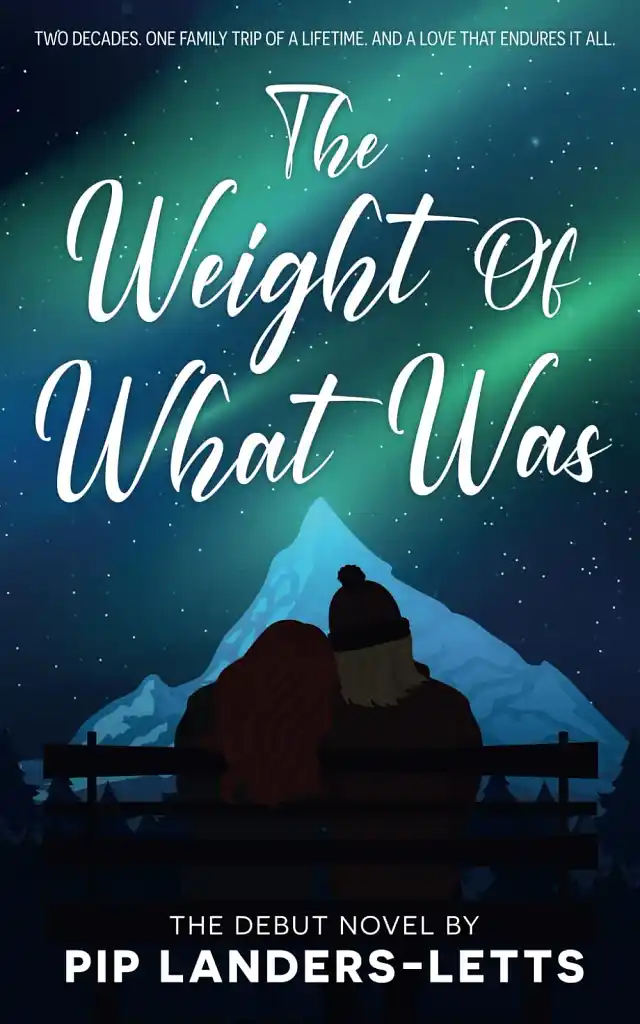
I’ve always loved writing, but it wasn’t until a trip to Scandinavia that I was inspired to write my first full-length novel, The Weight of What Was. My wife and I were on this incredible group tour with a lovely bunch of people, but I remember thinking: what if a dysfunctional family went on this trip and all of their secrets came out?
When I finished my first draft, I thought it was the best thing I’d ever done. I shared it with a couple of people, and they said, “It’s great, but it could be tighter.” I didn’t really know what they meant, so I joined an online critique group and started requesting feedback on my novel, chapter by chapter. Slowly, I learned about gerunds, adverbs, and dangling modifiers.
By the time I submitted chapter 50 to the group — nine months later — I’d learned how to write.
The decision to self-publish
After finishing the first novel, I started querying agents. But I had a couple of quite harsh rejections along the lines of, “We already have authors like you.” And I thought to myself, “Well, I’m not here to tick a box for somebody.”
Fast forward to one rainy October afternoon when I was painting the lounge and listening to an audiobook by Clare Lydon. I looked Clare up and discovered that she was an independently published author.
Not only that, but Clare used to co-host a podcast called Lesbians Who Write, which turned out to be a great resource about the world of independent publishing.
Immediately, I realized that self-publishing was the path for me. Why would I wait for someone to open a door I could open myself?
An editor I connected with
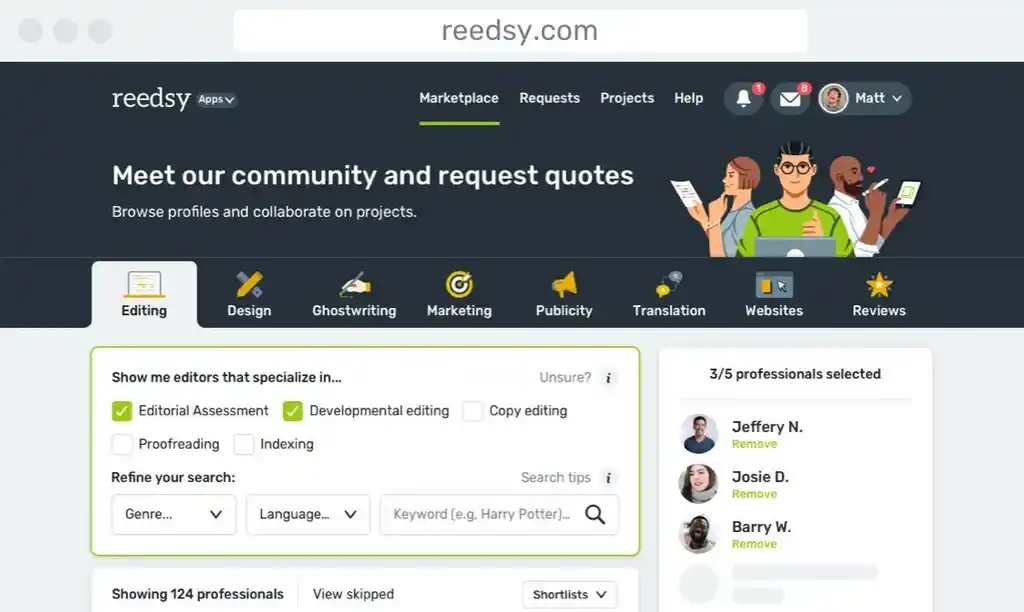
Now it was time to hire an editor. Reedsy was the most highly recommended platform on Google, so I made an account and queried five professionals.
I wanted a queer editor who would look at my work with kind, accepting eyes. In the end, it was between two editors, and my gut told me to go with Sophia Blackwell.
It was absolutely the right decision. Sophia was so supportive and patient, and we built a great relationship based on open communication and trust. She did an initial manuscript assessment, then a structural edit, then a full copy edit, and finally a proofread. While it can be beneficial to get different editors for these stages — especially for proofreading, for “fresh eyes” — I trusted Sophia enormously and didn’t want to juggle other professionals. In the end, that trust paid off.
In addition to tidying up my commas (I throw them at my stories like glitter and hope for the best!), Sophia suggested some fundamental structural changes — such as not revealing a certain character until later in the story to add suspense and keep readers intrigued. She also encouraged me to make the ending meatier and add a satisfying resolution, which, although it pained me at the time, was 100% the right advice.
Using Sophia’s advice to craft Pyg
After publishing my first book, I was keen to apply my new and improved skills to another project.
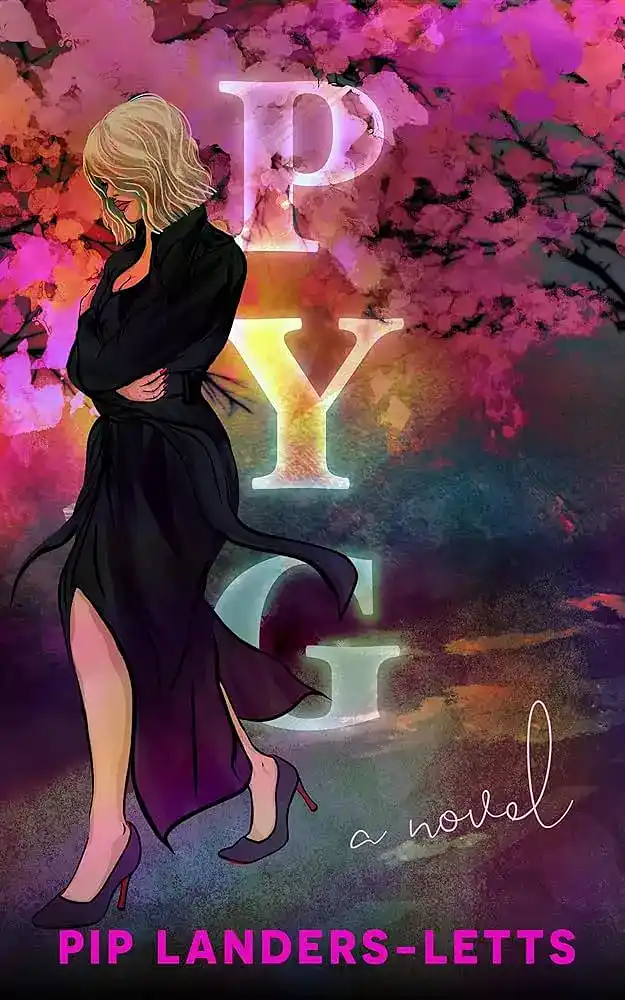
This came in the form of Pyg: a modern, queer retelling of Pygmalion by George Bernard Shaw.
I had studied Pygmalion at university and one day I found a battered copy in a second-hand bookstore. Nostalgia made me buy it — and then I couldn’t stop thinking about it.
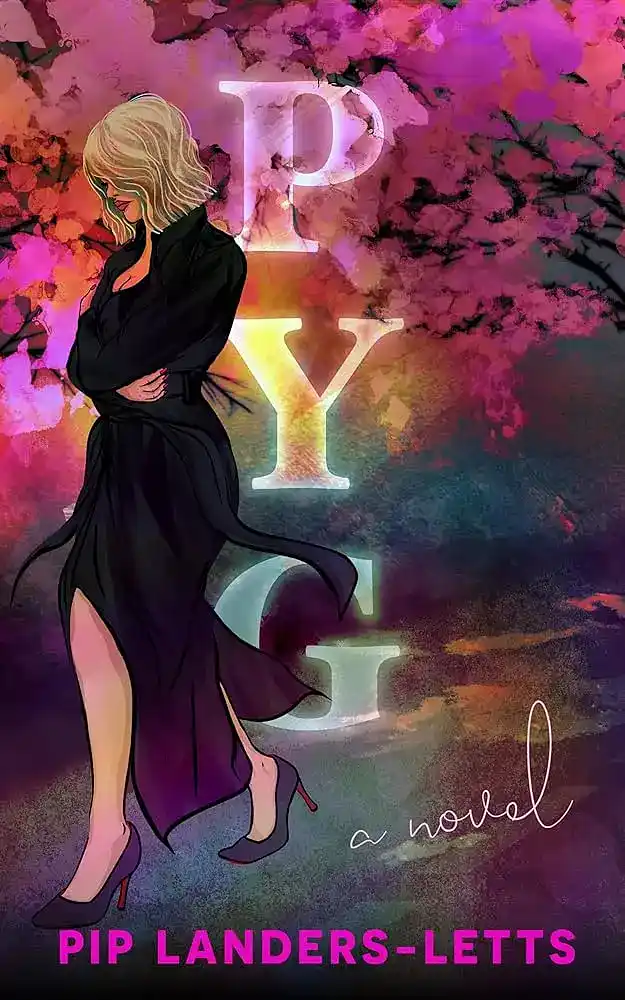
Since I was back at work, I had less time to write than before — but everything I wrote was much better quality. This time, I knew the fundamentals of the craft and skipped the critique circle. However, I still got a thorough edit from Sophia.
The second time around, there was less work to do on the commas, but Sophia helped me puzzle through some of the more challenging structural problems that had been plaguing me. There are multiple timelines in Pyg, and being in the thick of it, I was struggling to organize the beginning chapters in a compelling way. I had one (and only one) chapter set in 1953, which was important for the overall story but didn’t feel right as a prologue and slowed the pace everywhere else I tried it. Sophia helped me find the perfect place for this chapter.
The Kindle Storyteller Award
When I published Pyg and enrolled it in KDP Select, I had the option to add a metadata tag to enter it for the Kindle Storyteller Award 2025. I thought, “Why not?” — and promptly forgot about it.
But then Jen from KDP called to say I was one of just 5 finalists (out of tens of thousands of entrants). I thought it was a scam at first! But it wasn’t. Along with the other finalists, I was invited to Amazon’s head office in London for the awards ceremony. When they announced that I’d won, I was shocked.
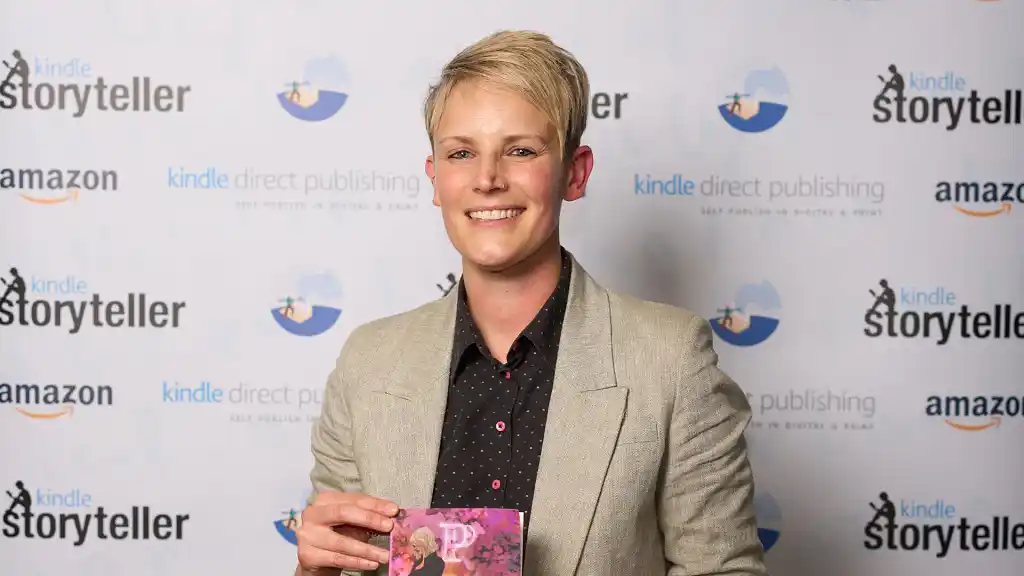
Being presented with the Storyteller Award was a shot of validation that really boosted my self-confidence. It wasn’t just friends and family who liked my work. Random Kindle Unlimited readers and Amazon’s expert judges thought Pyg was great, too.
There was also a £20,000 cash prize, which I am investing entirely in my books and audiobooks.
Onwards and upwards
I’ve just released my third sapphic novel, Chameleon. This time, Sophia praised me for learning how to use commas (truth be told, I’d invested in new grammar-checking software, but I accepted the praise nonetheless). Sophia’s standout contribution to Chameleon was the suggestion of adding a prologue at the start, which introduced some much-needed suspense and inadvertently added a Chekhov’s gun to the story (in the form of a pair of pink bunny slippers).
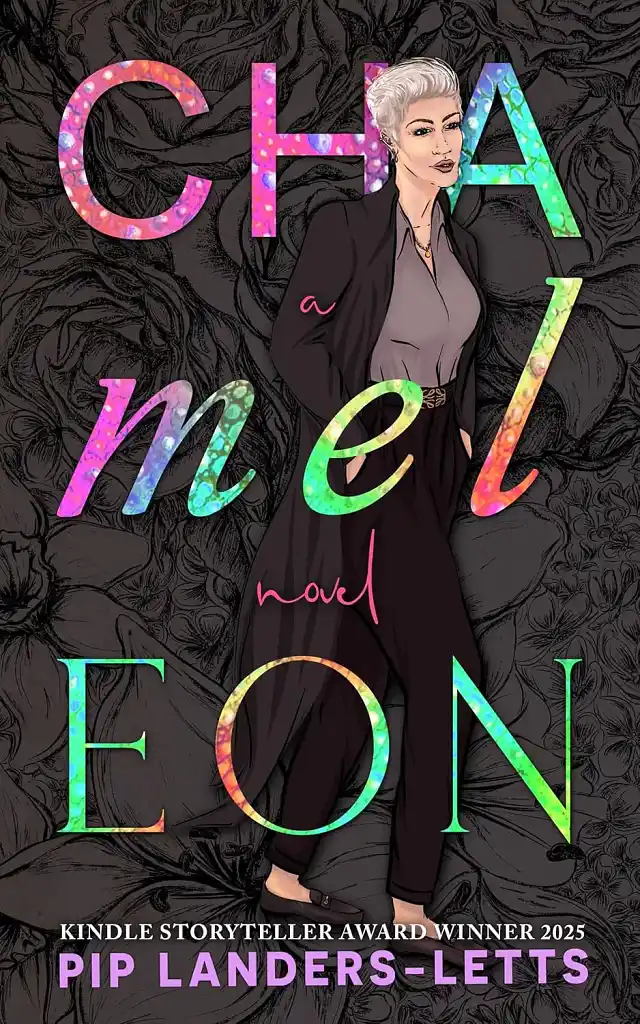
Sophia says I’m getting better with every book — and it’s largely thanks to learning from her feedback. I’ve really appreciated having the same editor accompany me throughout my writing journey; she’s sympathetic to my writing style and already knows what I’m trying to achieve with my stories. When collaborating with Sophia, I know that I’m going to get the best possible product. I’m looking forward to seeing what else we can do together.
Learn more about Pip’s story on our YouTube channel or check out her books on Amazon.