Last updated on Oct 15, 2025
The 13 Best Fantasy Map Generators, Tools, and Resources

Martin Cavannagh
Head of Content at Reedsy, Martin has spent over eight years helping writers turn their ambitions into reality. As a voice in the indie publishing space, he has written for a number of outlets and spoken at conferences, including the 2024 Writers Summit at the London Book Fair.
View profile →If you want to take your fantasy worldbuilding to the next level — whether that's writing your next novel or crafting your newest RPG campaign — there's nothing quite like a beautifully drawn map that's plucked from the world of your story.
To help you bring your 'other' world to life, here's a list of our favorite fantasy map generators, tools, and resources!
 Click to tweet!
1. Reedsy
Base Price: Varies between illustrators
Type: Marketplace
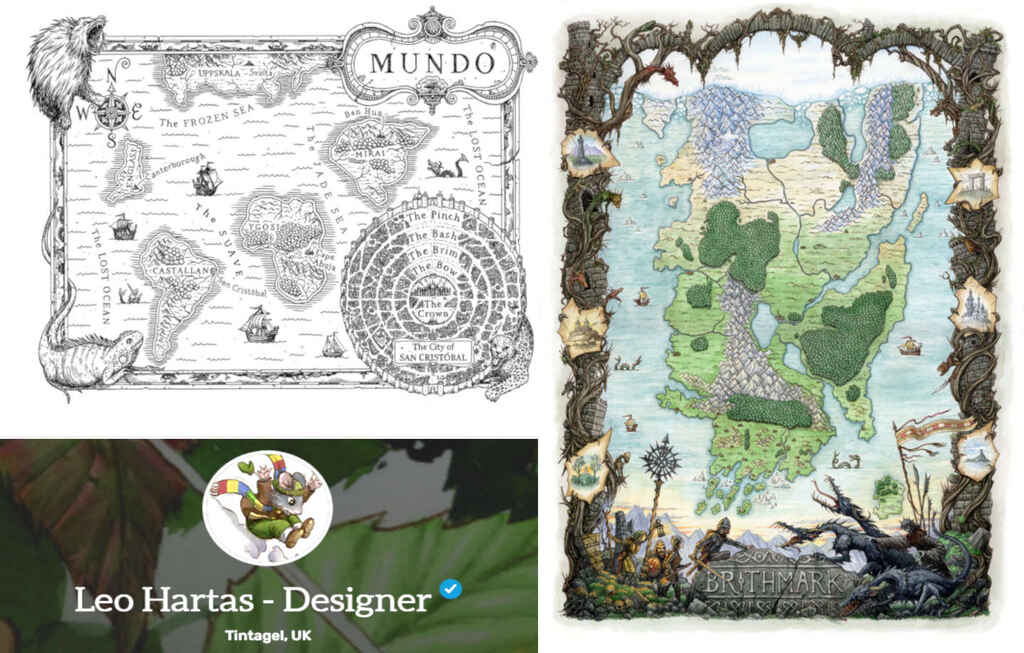
Of course, the best way to make a fantasy map is to hire a professional. For a personal and expert approach, it's definitely worth hiring an illustrator. Here at Reedsy, we have rigorously curated the best freelance illustrators in the publishing business — and they're just a click away from helping your work stand out.
Do you like the designs you see above? They were all created by Leo Hartas, one of our talented freelance illustrators who specializes in creating the finest illustrated fantasy maps. Check out Leo's profile on Reedsy and browse through our network of talented artists!
Hire an expert

Stephanie B.
Available to hire
Professional illustrator/cover artist with 9 years of experience bringing to life fantastical stories of imagination, adventure, and romance

Madli S.
Available to hire
Professional Book Cover Illustrator with great passion for visual storytelling based around character art and nature inspired illustrations.

Manuel F.
Available to hire
Artist and Illustrator. I aim for a unique art style and I am fascinated with details. Easy-going, but dedicated fully to the end result.
Not looking to hire a professional? Don't worry — there are plenty of great, cost-free alternatives to choose from below!
2. Azgaar's Fantasy Map Generator
Base Price: Free
Type: Browser-based
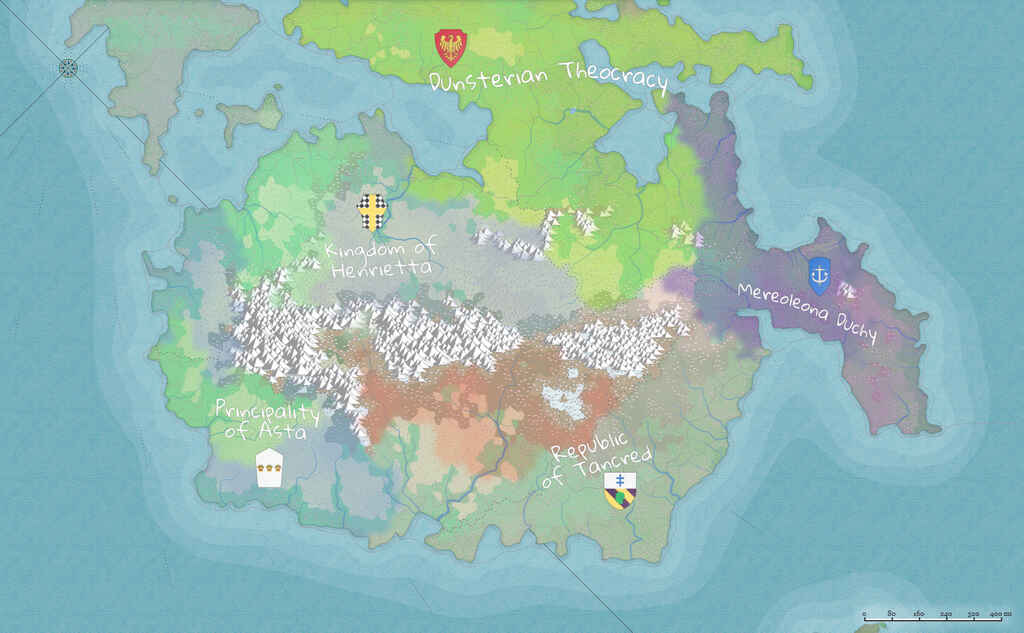
Azgaar's Fantasy Map Generator has long been the go-to for fantasy writers and Dungeons and Dragons players alike, with good reason. Azgaar currently provides twelve different rough templates to start your map, ranging from "Pangea" to "Volcano". This approach is intuitive because the majority of users already have a rough idea of what their world will look like (e.g., "a big island" or "hot with lots of mountains"), with the idea to fill in the details later.
Of course, if you don't like something in your randomly generated map, Azgaar provides a tool to paint new terrain. Numerous options allow you to label continents, countries, cities, regions, and even different religions, each of which can divide or unite the map.
Q: How can I ensure my magic system has consistent internal logic and limitations?
Suggested answer

The first thing to do is, simply, keep track of everything you write down in relation to your magic system. Especially if you're a 'pantser', you may not have thought a great deal about your magic system in advance (and that's fine), but set up a spot where you can note down everything you establish as you draft. This can be as informal as a notebook at your desk or as formal as an excel sheet, but keeping track of what your characters are doing and what the magic system is guided by/how your magic system works can save you a lot of time in advance, especially if you make sure to note down where rules are established so that you can refer back to them.
As you keep notes, don't limit yourself to the 'rules'--write down those rules, certainly, but also right down the effects of spells/magic, the ingredients/steps to making something happen or change within your magic system, how characters react or sense magic, how the world governs (or fails to govern) magic use, and anything else that comes up in relation to the magic system. Writing all of this down will help you keep in mind the history of what you've written as you're compiling this informal style sheet for your magic system, and you may even manage to head off contradictions before they get drafted into your novel.
Then, hire a developmental editor. Writers are close to their novels, and especially when a magic system is being established, there's a good chance you'll be too close to the worldbuilding and magic to see small slips in logic and any limitations which will prove to be issues. That's where a developmental editor comes in. Especially if you're moving into a series or writing a stand-alone, hiring a good developmental editor with experience in SFF can be incredibly helpful. And if you're writing a series, you may not need them to chime in on the second/third/fourth book in your series, but having had their input on the first book, prior to publication, will save you a world of headaches as you keep developing the system forward.
Jennifer is available to hire on Reedsy ⏺

To keep a magic system in place consistently, decide its rules, limits, and cost in advance and stick to them throughout the story. Consider the consequences of how magic affects society, culture, and character choices—magic must have its price. Avoid using magic as a plot convenience; challenges must be met through real effort or cleverness within the system.
Consistency also derives from being careful with exceptions: if it is going to break a rule, it must have a clear, credible motivation. Well-constructed systems feel real because characters behave within its limitations, and readers can expect how it influences conflict and resolution.
John is available to hire on Reedsy ⏺
If you need a map for a particularly socially and politically driven (or divided) world, then Azgaar's Fantasy Map Generator is undoubtedly the one for you!
3. Watabou's Medieval Fantasy City Generator
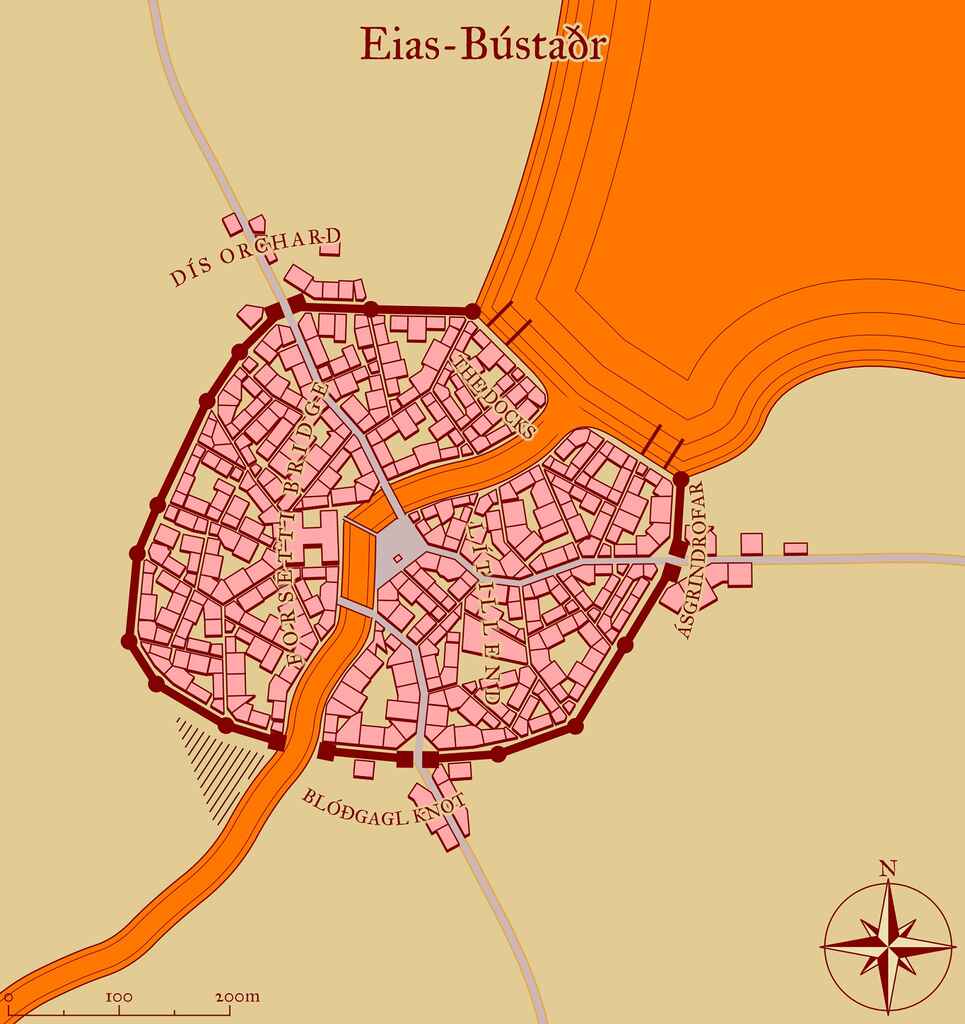
Base Price: Free
Type: Browser-based
But a world marked by dozens of complex divisions isn't for everyone — perhaps your story is set in a single large city or moves between a couple of different cities.
In that case, you'll love the Medieval Fantasy City Generator by Watabou. This software can create as many cities as you like, with customizable names (including street names), points of interest, and colors. Though there are fewer options to manipulate the city maps themselves, chances are you can find a city map that fits your needs or inspires your writing in just the right way.
And don't let the generator's name fool you: the cities you generate can fit more than just a medieval landscape. After all, no matter where you are, you may notice that the cities near you still retain a lot of their historical layout. So give this fantasy city generator a try and let your imagination run wild in whatever forms you desire.
FREE COURSE
How to Write Fantasy Fiction
Learn to combine worldbuilding, plot, and character to create literary magic.
4. World Anvil Worldbuilding Tools
Base Price: Free
Type: Browser-based
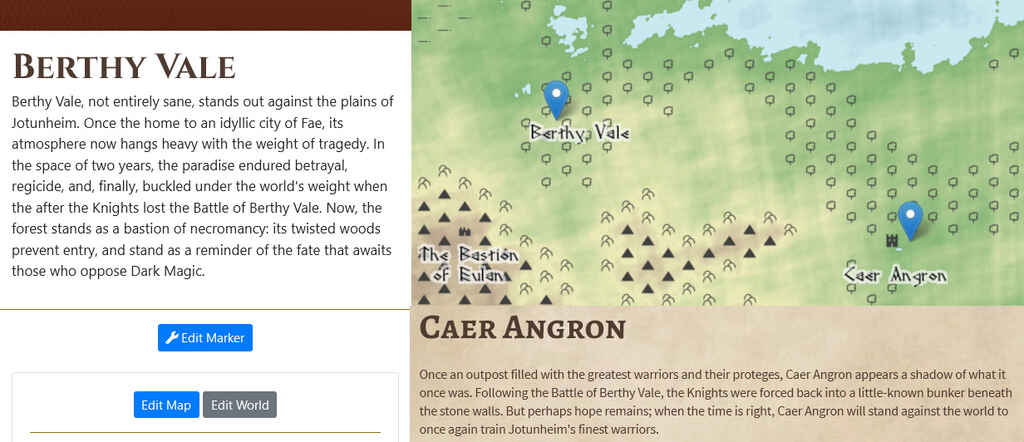
It's often hard to make a map's layout readable and indicate its relevance to the story. World Anvil's Interactive Map is the 'go-to' tool if you are the kind of creative writer that starts with a rough map prepared.
Through World Anvil's software, you can upload your map to add whichever various (and interactive) elements suit your needs. For example, you can chart the courses of heroes and villains as they venture across the map, adding waypoints to show moments of conflict or rest. Or you can make use of the function that allows you to interlink maps — adding icons linking to city maps — and make sure that you never lose track of what's where.
Essentially, World Anvil's tool allows you to take your map to the next level through customization options that just aren't possible through traditional pen and paper drawing.
FREE RESOURCE
The Ultimate Worldbuilding Template
130 questions to help create a world readers want to visit again and again.
5. Wonderdraft
Base Price: $29.99
Type: Software download
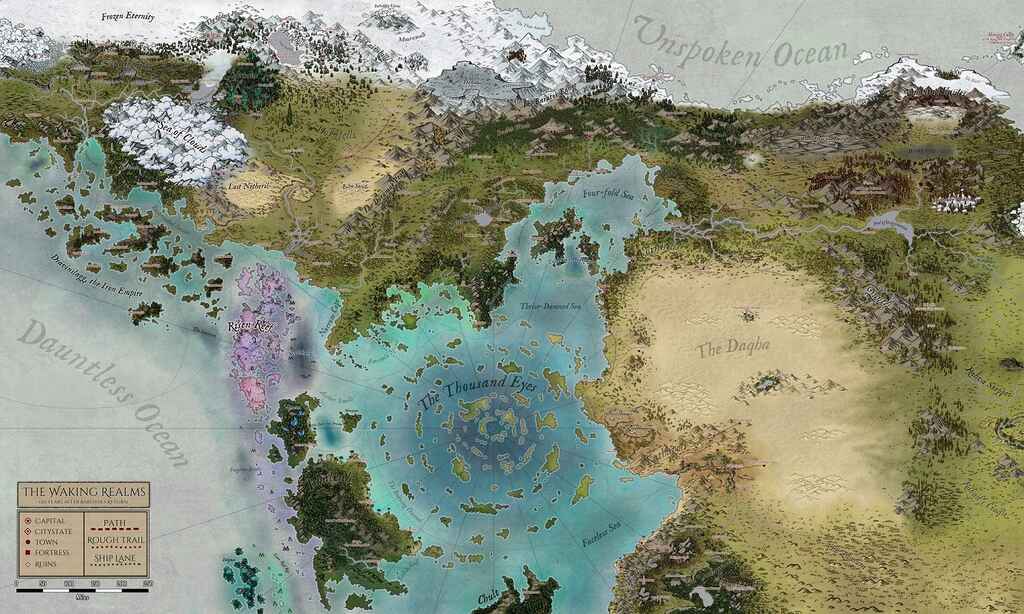
This next entry is one of the pricier pieces of software on this list but it's also one of the best-reviewed. Wonderdraft's fantasy map-making software occupies a happy middle ground in size, specializing in creating continental and regional maps.
Wonderdraft's maps are particularly praised for their detailed, beautiful, and indeed Tolkienesque art style, as well as their customizability. It can generate countless elements to add to your map if you wish, from rivers and roads to mountains and cities. Of course, if you don't like what the software generates for you, you can also use the "paint" tool and mold the landscape to suit your needs.
Q: What is a high-concept story, and how do I create one?
Suggested answer
A high-concept story is built out of an overarching, bold concept that might be encapsulated in a sentence or two and creates questions from the get-go. It will couple an odd premise with common themes so that it's immediately evident but fascinating.
To build one, start with an unexpected "what if" situation and then add character stakes and conflict that necessarily come from that premise. Clarity is more critical: the concept must be good and fresh, but the story itself must be emotionally grounded. High-concept is compelling, but resonance arises from the individuals experiencing it.
John is available to hire on Reedsy ⏺
The beauty of this Wonderdraft is that, no matter how many crazy combinations of landscapes you throw at it, it maintains your map's style, allowing you to fearlessly customize to your heart's content.
6. donjon Worldbuilding Generators
Base Price: Free
Type: Browser-based
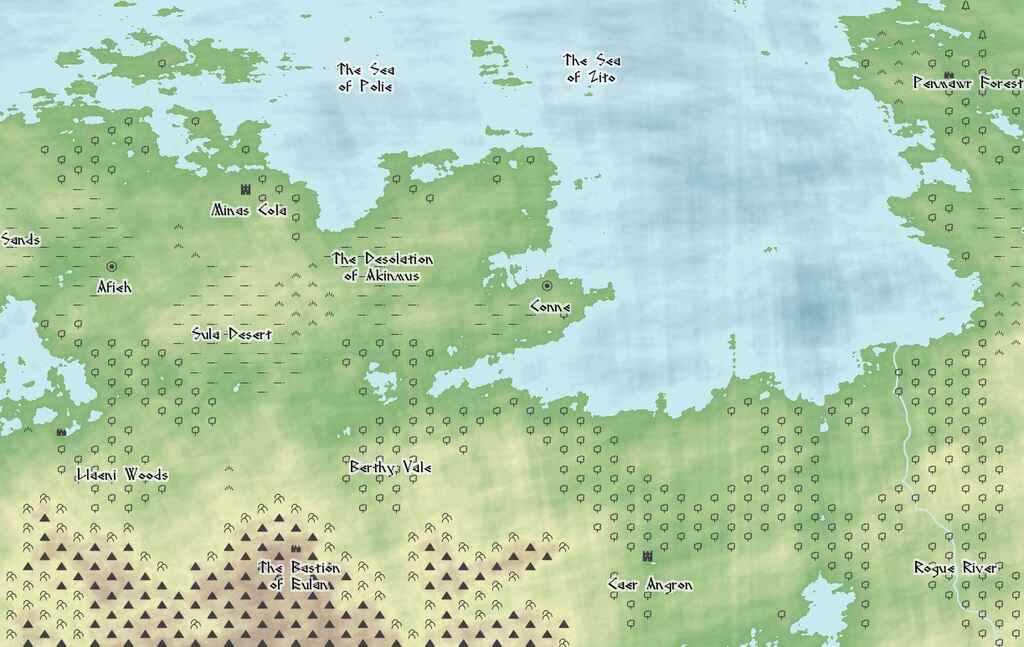
If you're looking for basic ideas to help you shape your world, then consider using donjon's free fantasy world generator as your muse. Generating your initial land formations is a quick and painless process, leaving you more time to get into the details — whether that's printing it out with pen and paper, or uploading your map into a separate tool like World Anvil!
Simpler, and so maybe sweeter, than other tools, donjon allows you to customize the appearance of your randomly generated map by changing its color or style, the ice/land/water ratio, the number of cities, and the font. After you pick out the customization options that suit you, the result will appear on a new tab as an easily downloadable image.
If you need more inspiration, try sparking up your creativity by using Reedsy's fantasy plot generator as you create your map to enrich your map-making with some awe-inspiring lore.
7. ProFantasy's Campaign Cartographer 3
Base Price: $22.45
Type: Software download
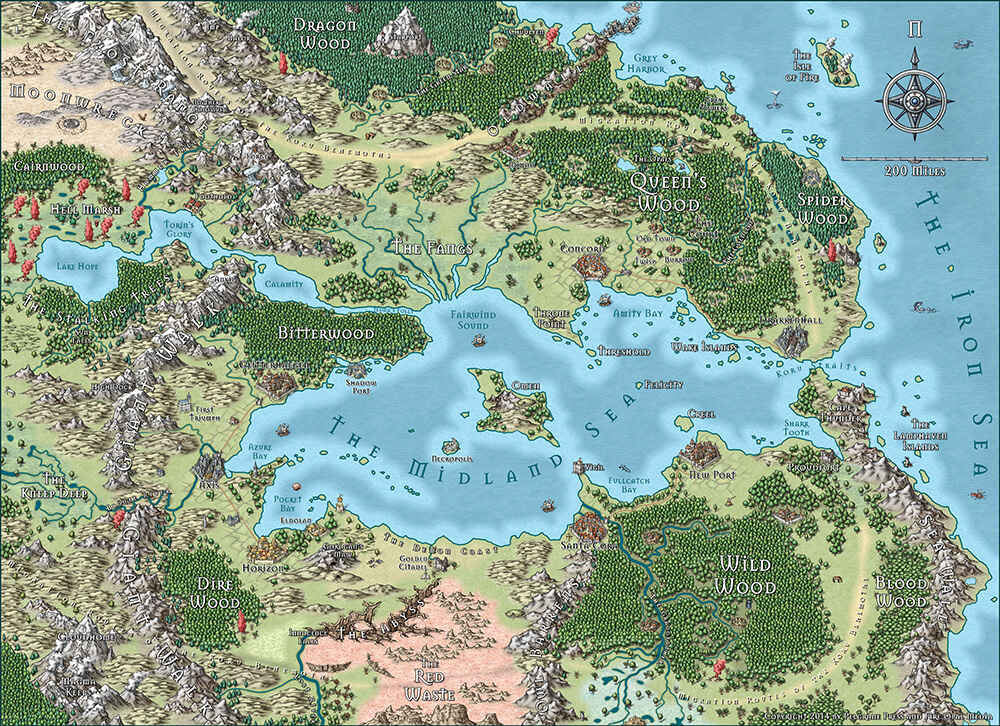
With Campaign Cartographer, you can draw cartoon maps, hex maps, medieval maps, and far more than that, whether you choose to use the inbuilt landmass generation tools, or draw your own with tools to assist you.
You will have a huge variety of mapping symbols, styles, and types that are easy to access right away, without any additional paid expansions. The variety of what's available is part of what makes this map generator so good, as you're not limited to a single map style. If you want to make an 8-bit pixel art map one day, and a map inspired by the Witcher books the next, Campaign Cartographer has all of the tools to facilitate that.
8. Nortantis
Base Price: Free
Type: Software download
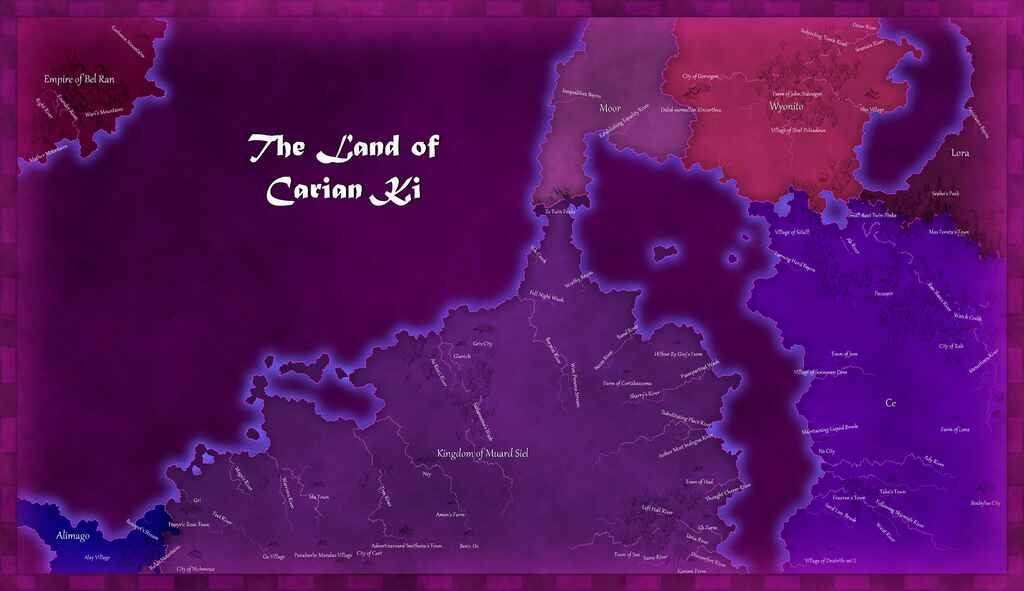
Nortantis is a simple fantasy map generator that creates hand-drawn-style maps. Once you've created a map you like the style of, you have the option to customize the terrains, icons, background, color, and text font.
Fancy making a spooky swamp map? Why not choose a purple background combined with a darker purple terrain outline? Or maybe your characters are journeying through a land of volcanoes — combining a dark red background with Nortantis's handy lighter red terrain outlines will surely fit the bill. Once you've created your ideal story setting, you can easily export it in whatever image file you prefer, or send it to print straight from the app.
9. FlowScape
Base Price: $10
Type: Software download
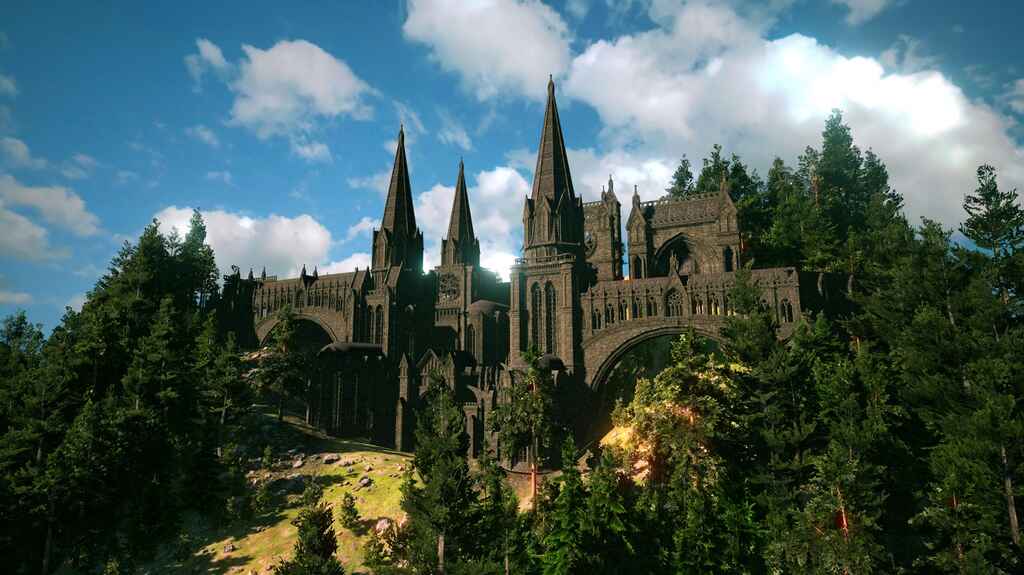
FlowScape stands out from the rest of our list as the only 3D map generator. With FlowScape you can curate multiple different types of terrain, from snowy mountains to beach paradises, or choose from 20 presets you can edit.
If we listed all of the elements you can edit, you'd be here all day so here's a sample list of what you can do on FlowScape: simulate living animals, build castles, play with physics (perfect for creating accurate castle ruins), rotate the sun, and even build on top of giant turtles. Sounds pretty fun, right?
Q: What are some of the biggest misconceptions first-time authors have about writing fantasy?
Suggested answer

Fantasy, and in particular romantasy, is SO HOT right now. Everyone is writing it, but many new authors fall into the trap of exposition. Just because you're writing in a unique setting doesn't mean you have to explain this world to readers. At least, not all at once, and certainly not all in the first few chapters.
Fantasy especially can span multiple books and because you're already telling a unique story about unique characters, it's overwhelming and exhausting for readers to also swallow a unique world.
The best solution is show, don't tell. Let it happen organically, and at natural moments in the story. For example, a wizard walking into a cauldron shop may merit a few sentences as to why he's buying a new cauldron, but probably doesn't need the extra two pages of exposition regarding the cauldron's connection to his late mother, who was also a half-fae princess and died at the hands of his tyrannical father, but only after having a torrid affair with a werewolf whose daughter now owns the very same cauldron shop.
Alexandra is available to hire on Reedsy ⏺

You still need strong characters that propel the story forward. The fantastical elements don't replace a strong personal journey or transformation of your protagonist.
The fantastical elements you include should also have purpose and be used with intention. If there's a magic system, it has to make sense in the world. Magic can affect economics, culture, politics, and it should be reflected on the page.
With kidlit, take a look at fantasy published within the last few years. Western-based fantasies with gnomes, trolls, etc. are generally not unique enough to attract an agent or publisher's attention. Readers want to read about completely different worlds with unique magical/fantastical elements.
The best way to get a handle on today's fantasy and what agents and publishers might be interested in is to read titles published in the past couple years.
Kim is available to hire on Reedsy ⏺
For me, the main misconception is that the story world is the story. No. The characters are the story, no matter the genre. Fantasy authors can get too wrapped up in the world they have created - and why wouldn't they? It's an exciting thing to create - to the detriment of their story. So it's really important to, at some point, turn away a little from your story world and turn to your characters. Do they have motives? Goals? Fears? Desires? Secrets? Regrets? Flaws?
All the things that make us human (even if your character isn't human!) need to be on the page. It's very easy to lose sight of character and plot when writing fantasy, but no matter how outlandish, or unique, or captivating, your story world is, it's the characters who inhabit your world that truly count. It's the characters readers recall more than anything else. So my advice to fantasy writers is character first, always.
Louise is available to hire on Reedsy ⏺

Whenever a story leaps from the present day into a new world in another time, there has to be much more time, and therefore words, spent on world-building. The reader must be able to get a strong sense of this new world right away with sentences depicting the scenery and setting, what the characters look like, and how modern or primitive this new world is.
So, a misconception could be that coming up with a strong and unique plot line or characters is enough. While these are all necessary, everything in the "new world" must all make sense and be clear, and easy to understand. It must all be logical, and that takes time to plan. So, spending time planning and building up this new world with all of its new rules and exciting twists is something authors will also need to spend a fair amount of time on. And this goes beyond a basic outline or plot points.
Melody is available to hire on Reedsy ⏺
You might be thinking that it's impractical to use a 3D map generator for the purpose of worldbuilding and writing, but many writers have confirmed the opposite. 3D means you get to delve into your world as if you were standing there yourself, edit it in close detail, and then zoom out and screenshot the map from the top-down. It's the ultimate way to control your map and put yourself in your character's shoes.
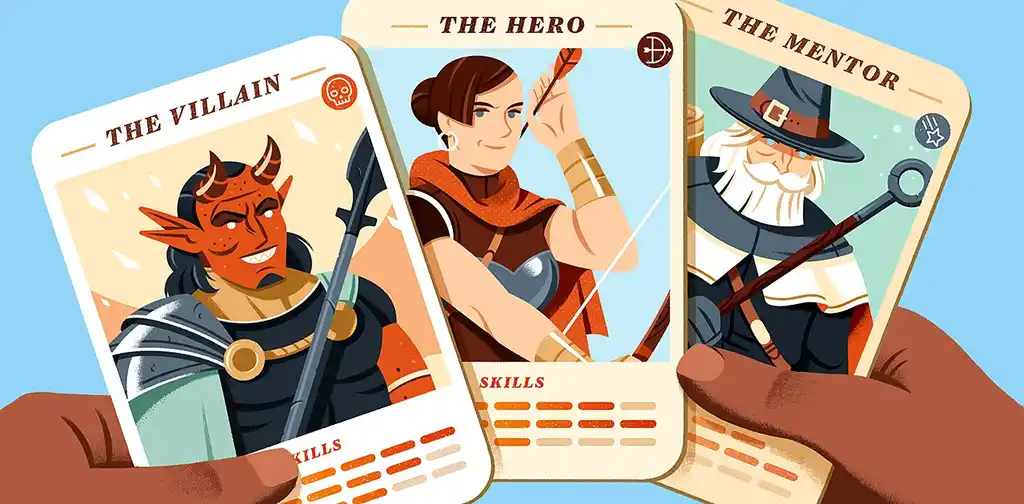
Speaking of characters, a brief aside: while fleshing out your world, don't neglect the people who live in it! Check out our character profile template below for more tools to develop your story.
FREE RESOURCE
Reedsy’s Character Profile Template
A story is only as strong as its characters. Fill this out to develop yours.
10. Inkarnate
Base Price: Free
Type: Browser-based
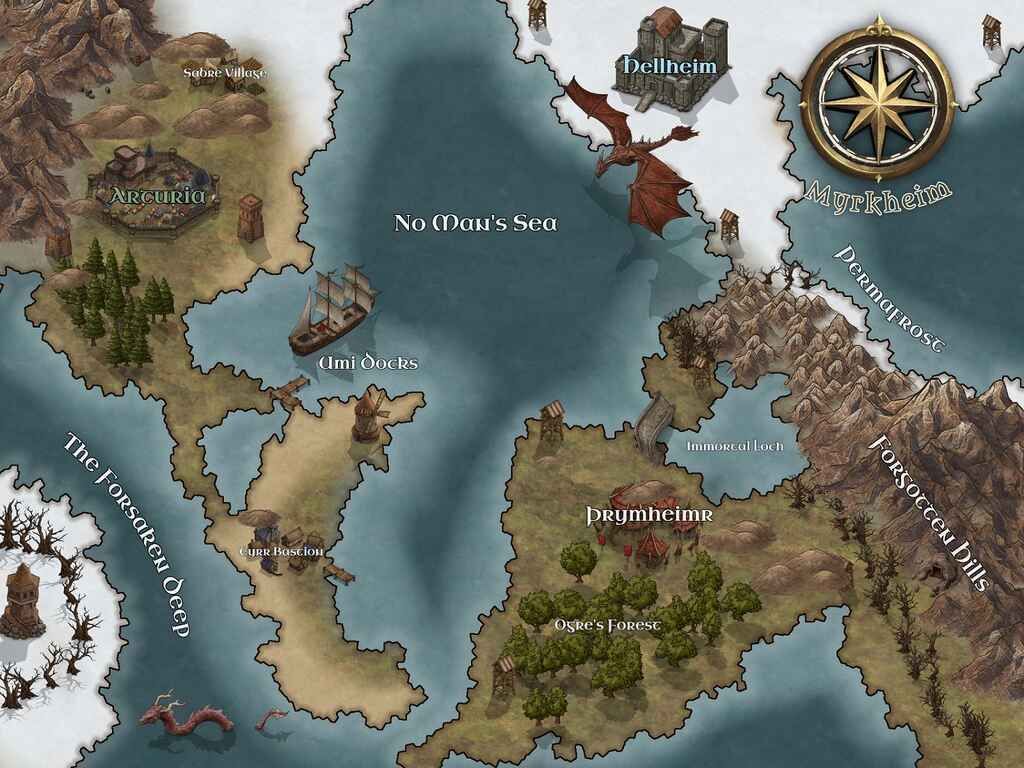
Inkarnate is well-known among fans of fantasy map generators for its intuitive user interface, fast generating, and the numerous assets it has to offer. You can create large cities with sprawling angular roads or landscapes with winding hills, or, if none of that interests you, why not try building a whole town on a bridge in a canyon?
The shapes, sizes, and placement of everything from towns and dungeons to mountains is unlimited. Whatever your preference, it's likely that Inkarnate will have something for you, even offering features like the ability to create "battlemaps", which is perfect if you happen to be writing war scenes.
11. Roll for Fantasy Map Creator
Base Price: Free
Type: Browser-based
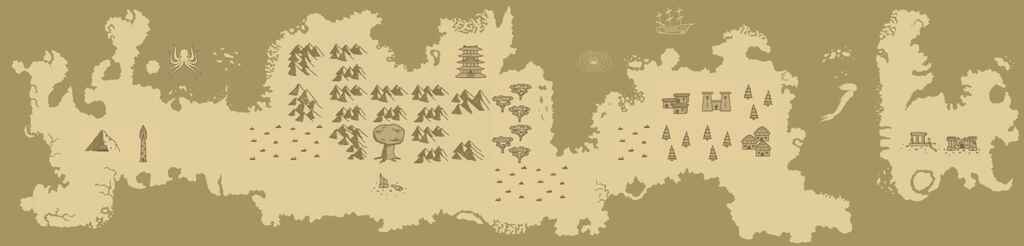
Not lured in by the bells and whistles of the larger software packages here? You might like this next entry. Roll for Fantasy is a slimmed-down, grid-based map generator. You can choose to randomly generate a map and then edit it, or build it from scratch.
Q: How can I tell if my story idea is strong enough to pursue?
Suggested answer
I think this idea/question comes from the idea that every story is incredibly unique, but the truth is that many stories are very similar. Think about the genre of romance, and the tropes that so many readers love. The same goes for any genre if you read enough. Many stories are very similar, so when you're thinking about whether an idea is itself strong enough, you're already putting up roadblocks to completion.
After all, what does 'strong enough' mean? 'Strong enough' to compete with every book out there? Or 'strong enough' for you to be interested and passionate enough to complete it? It's only this last question that you really have to ask yourself.
Writing is a process, and if an idea interests you enough that you want to write a full book based on that idea, you should write it. Then will come the editing, the revision and potentially rewriting, because writing is a process, and books come from multiple drafts.
Jennifer is available to hire on Reedsy ⏺
A story idea is typically sufficient when it continues to nag you in your mind, raising questions, emotions, or circumstances you just can't manage to eliminate. If you can identify clear stakes, a solid character who has something at stake, and a central conflict that really excites you, then it likely has the meat to support an entire story.
Question yourself whether you are hungry to explore it across months of writing—curiosity and excitement are excellent indicators. A concept does not need to be completely developed at first, but it should leave room for expansion, surprise, and emotional connection. If it keeps pulling you back, then it is worth exploring.
John is available to hire on Reedsy ⏺
The system is simple: you click the square of the grid to place an element on the map (like a landmass) and then rotate it as you wish. Don't let the ease of use fool you though, with a little time and commitment, you can use the Roll for Fantasy generator to create a rough draft and then develop some astonishing map designs.
With user-friendly tools, such as a mirror to perfect your map's symmetry, this generator definitely deserves more attention than it gets — especially as it's free to use (so you won't be tempted to spend on added content). If that wasn't enough, every time you use Roll for Fantasy's website, you also plant a tree in aid of the Eden Reforestation Project. Who doesn't love a reforestation effort?!
12. Dungeon Scrawl
Base Price: Free
Type: Browser-based
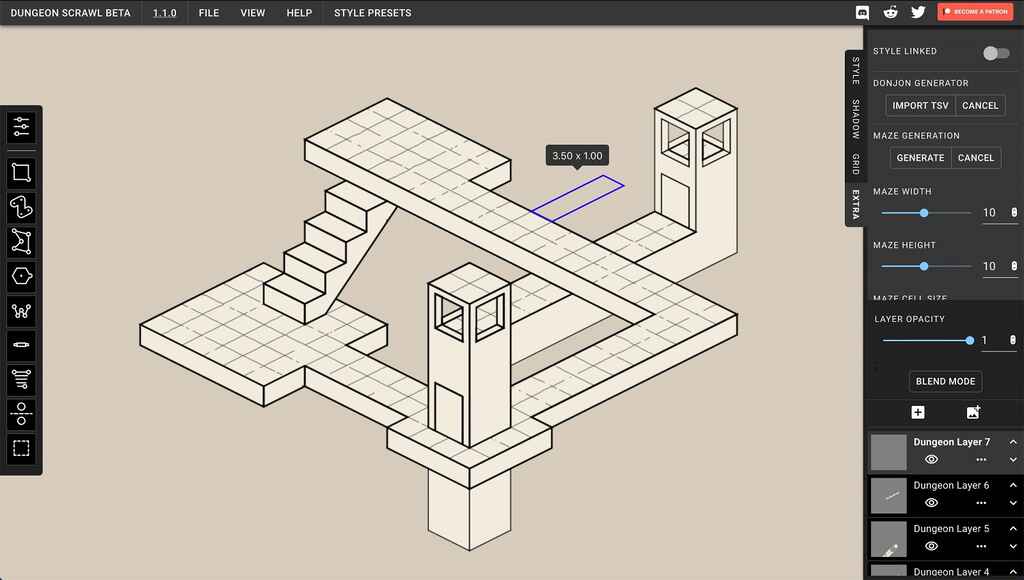
If you're looking to draw expansive, snaking and labyrinthine dungeons, caves, or castles then Dungeon Scrawl is the fantasy map tool for you. Imagine if Adobe Photoshop was designed for the sole purpose of creating compelling indoor maps (and also much, much easier to use) — that's Dungeon Scrawl.
With no installation required, Dungeon Scrawl gives you the chance to build on premade dungeon templates, or freehand-draw your own fantasy maps. The software's smooth user interface makes it easy to develop maps with a handmade and personal feel, creating corridors, staircases, and rooms of all shapes.
If you're worried about drawing only to potentially turn out shaky MS-Paint-looking lines: fear not, the software automatically makes your lines smoother, or more jagged, depending on your preferences. For sure, if you hadn't already wanted to, this software will make you want to play around and make dungeon maps to include in your story!
13. HexTML Hex Map Creator
Base Price: Free
Type: Browser-based
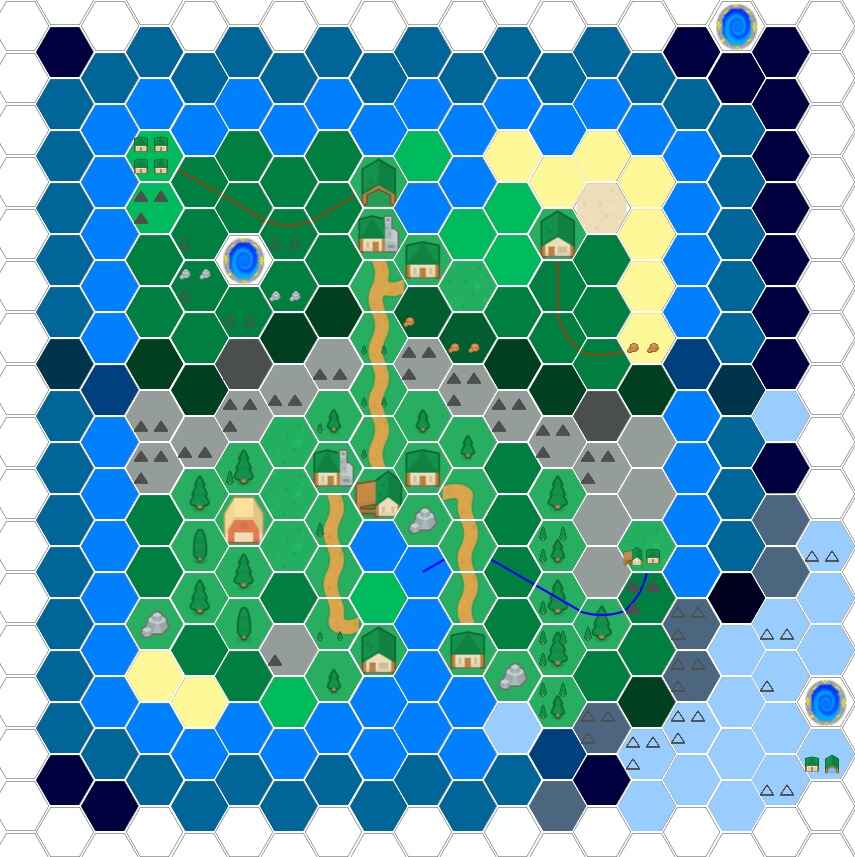
If you're a fan of the board game Settlers of Catan, you'll feel right at home with our list's charming final entry. HexTML is a browser-based fantasy map generator, with its unique selling point being its board game-esque art style.
The tessellating hexagon grid is surprisingly versatile too. For larger maps, you can combine lots of smaller hexagons to create the effect of broad territories, and for smaller maps, you can make each hexagon an individual biome. With a sizable list of symbols, flags, and colors to choose from and place on your map, you can spend hours playing around with different combinations of tile placement. And on the off chance that you don't like the resources that HexTML provides you with, you can upload your own symbols to seamlessly integrate them into your map.
Q: How does worldbuilding differ between science fiction and fantasy?
Suggested answer
Worldbuilding in science fiction starts with scientific plausibility. Technologies, future cultures, or altered realities must seem rationally based, although speculative. The rules are extrapolated out of science and consistency is extremely important to maintain credibility.
Worldbuilding in fantasy is founded on magic, myth, and invented cultures, relying less on realism and more on internal logic. Though fantasy draws from mythologies or entirely new mythologies, there must still be parameters for the functioning of magic and societal structure.
Both genres craft rich worlds, but science fiction asks, "What may be possible?" while fantasy asks, "What can be imagined? undefined?" The difference lies in where the wonder comes from: science in one, magic in the other.
John is available to hire on Reedsy ⏺
Eventually, when real-life calls you away from the screen, you can easily export your map as an image file, or save the unfinished map to carry on with the next time you log on.
So that concludes our list. Did you realize how many exciting fantasy map generators and tools were right at your fingertips? Now that your world is ready to go, journey forth and pen a fantasy story that will knock people's socks off!