Overview
I'm a freelance editor and proofreader with twenty years' experience. I trained in-house at Yale University Press before becoming a freelance non-fiction editor. More recently I've trained as a script editor and taken courses in writing fiction and non-fiction for children. I'm happy working in both British and American English.
Services

Non-Fiction
Art
Biographies & Memoirs
Cooking, Food, Wine, & Spirits
Design
DIY & Crafts
Fashion & Textiles
History
Languages
English (UK)
Work experience
Self-employed
Mar, 2005 —
Present
I trained in-house at Yale University Press, first on the art and architecture list and later on the history and politics list. After five years changes of circumstance meant working freelance was a better option for me. I now a diverse range of clients, from traditional publishing houses producing high-end academic books to copywriting agencies with a rapid turnover of blog posts and website articles. I particularly enjoy working on cultural and social history texts. I also work one-to-one with authors, helping them turn their thoughts into a publishable text and talking them through the often complicated publication process. On a personal level, I have an interest in creative writing and writing for children and have taken internships and courses on these areas.
Yale University Press
Mar, 2004 —
Mar, 2005
(about 1 year)
I worked on the history and politics lists, managing titles from manuscript through to printed book. This involved copyediting, proofreading, designing the layouts and covers, obtaining images, clearing copyright and adhering to given budgets and schedules. I worked closely with a team of freelance and in-house staff and was responsible for approximately 10 to 12 titles per year.
Yale University Press
Jun, 2000 —
Mar, 2004
(over 3 years)
I provided editorial assistance to one of the directors, with responsibility for office/admin duties as well as copyediting and proofreading. I learned to design the layouts of books and carry out picture research as well as become very familiar with a range of referencing systems. Our authors were based predominantly in the US, so I learned to work with both American and British styles.
Portfolio
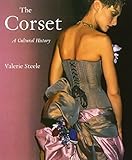
Why did women continue wear corsets forr four hundred years? And why did they finally stop? This lavishly illustrated book offers fascinating and often surprising answers to these questions.