In a nutshell: Kirkus, BookLife, or Foreword Clarion may appeal to authors who specifically want exposure to publishers or booksellers. But most will find that Reedsy Discovery offers the best value for money.
An editorial review is one of the most powerful sales tools available to indie authors. As the backbone of their marketing materials or a pull quote on their cover, it can serve as proof of quality, which gives readers the confidence to trust (and buy) a book.
Four of the best-known sites for editorial reviews are Reedsy Discovery, Kirkus Indie, BookLife Reviews, and Foreword Clarion. All of these platforms give indie authors the chance to access professional reviewers, but they differ in a few important ways.
Here’s a quick overview:
| Reedsy Discovery | Kirkus Indie | BookLife Reviews | Foreword Clarion | |
| 💸 Pricing | $299 for 350 words | $450 for 250 words (standard), $599 for 500 words (expanded) | $399 for 300 words ($499 if book exceeds 100,000 words) | $579 for 400 words |
| 👤 Quality of reviewers | ~200 handpicked professionals | ~200 handpicked professionals | Anonymous professionals | ~100 handpicked professionals |
| 📚 Brand reputation | Indie experts, helping 15,000 books to market every year | Historical brand, reviewing books since the 1930s | Historical brand, affiliated with Publishers Weekly | Indie experts, popular with librarians and booksellers |
| ⭐ Promotional value | Landing page (guaranteed), Editors' Choice Award (potential) | Website listing (guaranteed), Kirkus magazine, Kirkus Star (potential) | Website listing (guaranteed), Publishers Weekly magazine (paid) | Website listing, shared with industry partners (guaranteed), INDIES award (potential) |
| ⏳ Turnaround time | 2–4 weeks | 7–9 weeks (default), 4–6 weeks (expedited for $150) | 6 weeks (default), 4 weeks (expedited for $150) | 4–6 weeks |
| ✅ Best for | Writers targeting speed and value for money | Writers targeting quotes from a historic name | Writers targeting exposure to publishers | Writers targeting brick-and-mortar stores |
Let’s look at these sites in detail.
1. Pricing
An obvious difference between each of these platforms is the amount they charge for a review.
In a nutshell: Reedsy Discovery is the standout choice for writers seeking value for money. An Expanded Review from Kirkus Indie may appeal to writers with more to spend who are looking for greater depth.
| Reedsy Discovery | Kirkus Indie | BookLife Reviews | Foreword Clarion | |
| Price | $299 | $450 or $599 | $399 or $499 | $579 |
| Words | 350 | 250 or 500 | 300 | 400 |
| Price per word | $0.85 | $1.80 or $1.20 | $1.33 or $1.66 | $1.45 |
Reedsy Discovery (5/5)
Since September 2026, an editorial review from an expert on Reedsy has been priced at $299. Each review is over 350 words, and will feature commentary on the story’s plot, characters, and themes, along with a star rating out of 5.
There are many examples of Reedsy reviews on their website.
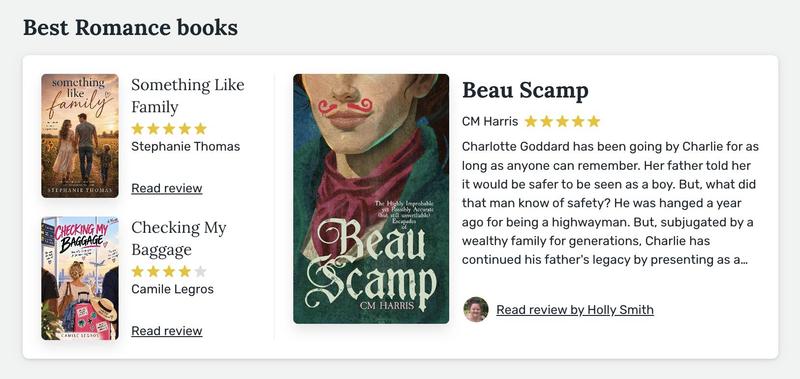
An author can commission up to five reviews of a single book (at $299 each), giving them a range of opinions from diverse industry experts. This is unique to Reedsy — on the other three sites, an author can only commission one review per book.
Kirkus Indie (3/5)
Kirkus Indie has two main offerings. The default option is a Traditional Review, which is packed with helpful commentary and opinion and priced at $450 for 250+ words. In terms of cost per word, this is almost twice as much as a review from Reedsy Discovery.
There are many examples of Kirkus reviews on their website.
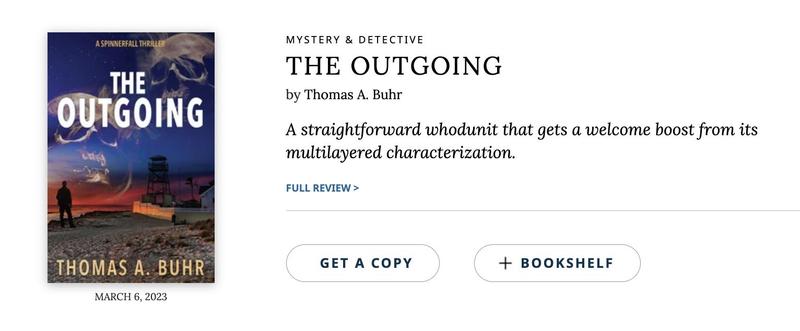
The second option is the $599 Expanded Review. Double the length of a Traditional Review, it provides more detailed feedback at an additional cost. For authors who want their reviews to dig deep, this option could be of interest.
BookLife Reviews (4/5)
A review from BookLife is currently priced at $399 for 300 words. That’s cheaper than Kirkus, but still more expensive than a review from Reedsy Discovery. One important note: if a book runs longer than 100,000 words, BookLife will increase that price to $499.
There are many examples of BookLife reviews on their website.
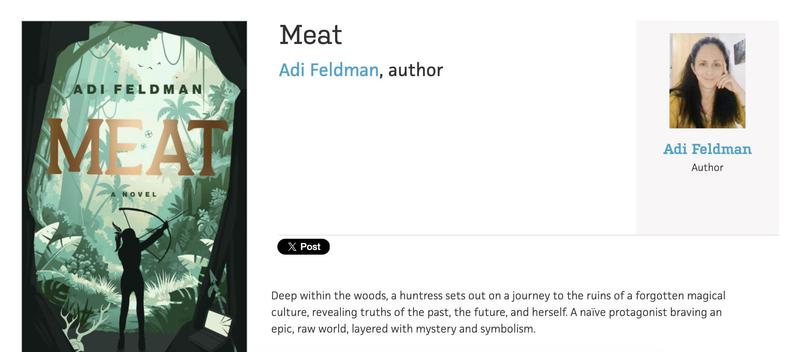
Each BookLife review is split into sections: three paragraphs of analysis, a one-sentence takeaway, and categorized letter grades (from A+ to C). The reviewer will also suggest comp titles, which some authors might find useful.
Foreword Clarion (2/5)
On Foreword Clarion, an editorial review costs $579 for 400+ words. That’s more expensive than most of the options on this list — only Kirkus Indie’s Expanded Review will cost an author more.
There are many examples of Clarion reviews on their website.

Each Clarion review includes a promotional quote, a summary paragraph, and a comprehensive critique that addresses elements such as plot, pacing, and characters. Like Reedsy Discovery, every book also gets a star rating from 1 to 5.
2. Quality of reviewers
The highest quality editorial reviews are written by experts, not amateurs.
In a nutshell: All four of these platforms employ reviewers with similar industry credentials. If an author wants to know a reviewer’s name, they should avoid BookLife Reviews.
Reedsy Discovery (5/5)
Reedsy Discovery has a reviewer pool of 200 expert professionals, each handpicked for their experience (3+ years writing for literary publications), as well as their ability to make “sharp, insightful, and original” observations about books. Many of Reedsy’s reviewers have also written for prestigious publications like The Washington Post.
Kirkus Indie (4/5)
Kirkus Indie also maintains a pool of roughly 200 expert reviewers, including writers, journalists, academics, librarians, and executives. Much like the reviewers at Reedsy, they’re selected according to experience and critical ability.
One meaningful difference: Kirkus Indie has a strict no-refund policy. If a reviewer delivers a substandard review, there’s little recourse for an indie author. By contrast, Reedsy’s terms of use state that they will step in if a review falls short of the platform’s quality standards.
Tip: A substandard review is not the same as a negative review. When you pay for an expert to look at your work, their feedback will always be honest. If they don’t like your book, they’ll tell you. If they love it, they’ll tell you that too.
BookLife Reviews (3/5)
BookLife also draws upon a pool of expert reviewers. However, unlike Reedsy and Kirkus Reviews, these expert reviewers are anonymous. If an author wants to know who wrote their review, or plans to attribute quotes to a reviewer’s name, they should proceed with one of the other platforms on this list.
Foreword Clarion (4/5)
Like the rest of these platforms, Clarion maintains a network of experienced professionals, including authors, librarians, businesspeople, and teachers. Some of these reviewers have been working with Foreword Clarion for almost two decades.
3. Brand reputation
Readers are more likely to heed a review if it comes from a name they recognize.
In a nutshell: The average reader is most likely to recognize Kirkus’s historical brand. Reedsy is another prominent name, with a lot of respect in the world of indie publishing.
Reedsy Discovery (5/5)
Reedsy has a strong reputation in the indie publishing world, with a community of more than a million authors who bring over 15,000 books to market every year.
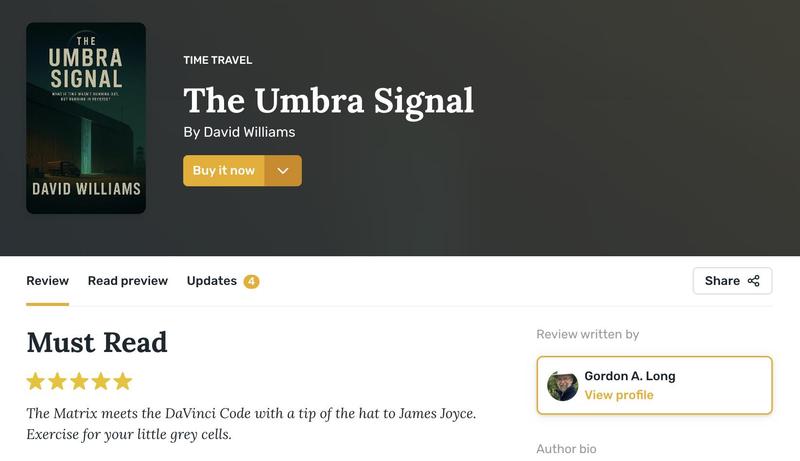
Many indie authors who’ve used the Reedsy Discovery service have gone on to achieve marketing success. For example, David Williams’s technothriller became an Amazon bestseller and was named a 2025 American Writing Awards Finalist.
Kirkus Indie (5/5)
Kirkus has been writing book reviews since 1933, primarily of traditionally published titles. That's how the brand built its reputation in the wider publishing industry.
Kirkus Indie is their offshoot aimed at self-published authors, first launched in 2005. Their reviews don’t carry quite as much weight as those from their parent company, but they do still benefit from the Kirkus name — to some readers who see it on the cover of a book, it signals credible work.
This history is part of the reason why Kirkus Indie charges premium prices.
BookLife Reviews (4/5)
BookLife Reviews is also an offshoot of a well-known publication. In 2019, the platform was launched by Publishers Weekly — an industry magazine founded in 1872.
Unlike a review from Kirkus, a BookLife review won’t directly benefit from this link to a historical name. When an author uses a BookLife review in their marketing materials, they’re explicitly told to attribute quotes to BookLife Reviews as opposed to Publishers Weekly.
Foreword Clarion (4/5)
Foreword Reviews was founded in 1998. Like Reedsy, this name has a lot of respect on the indie publishing circuit. The average reader might not have heard of them, but the brand is popular with librarians and booksellers on the lookout for hidden gems. Because of this, it may appeal to authors whose primary goal is to get their books into brick-and-mortar stores
Clarion is their paid editorial review service, first launched in 2001.
4. Promotional value
On all of these sites, an author isn’t only paying for a written review. They’re also paying for opportunities to put that review in front of readers.
In a nutshell: All of these services publish reviews, and offer additional opportunities for promotion. These will appeal to different authors depending on their market aims.
| Reedsy Discovery | Kirkus Indie | BookLife Reviews | Foreword Clarion |
| Best for: authors aiming to share with a wide readership and enter awards (no additional cost) | Best for: authors aiming to share with publishers and agents (no cost, but not guaranteed) | Best for: authors aiming to share their book with publishers and agents (additional cost of $100) | Best for: authors aiming to share with librarians and booksellers (no additional cost) |
Reedsy Discovery (4/5)
Every review from Reedsy Discovery is given a dedicated landing page, where readers can find a sample of the book and links to wherever it’s sold. This landing page is easy to share and a useful tool for promotion — but it’s entirely optional if an author would rather keep a review private.
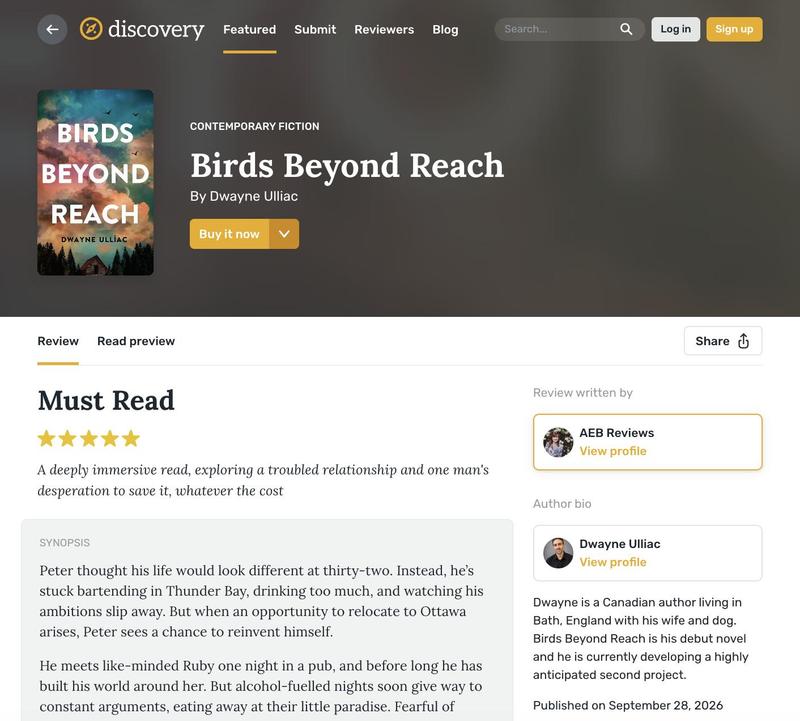
Each book submitted to Reedsy Discovery will also be entered into the Editors' Choice Award. This annual contest is designed to champion the work of independent authors. In 2025, over 2,000 books were submitted for the prize, so the competition is stiff — but a place on the shortlist is an excellent way to raise awareness of a book.
Kirkus Indie (4/5)
Kirkus Indie reviews can also be published on the official Kirkus website. Again, the author can choose to keep a review private.
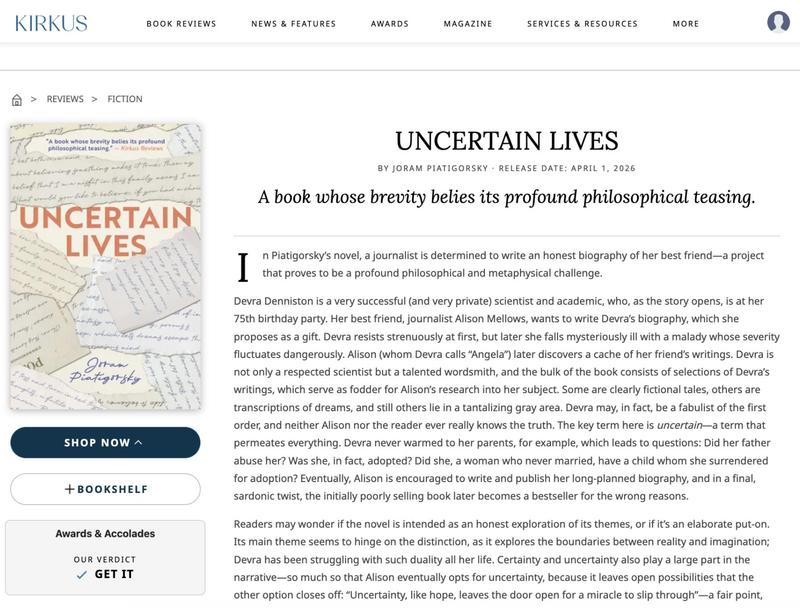
Every month, around 80 editorial reviews are also featured in the Kirkus magazine — a trade publication that’s circulated to literary agents and publishers. It’s valuable exposure, but it isn’t guaranteed — only a small percentage of indie reviews are selected to appear in the magazine.
An even rarer accolade is the Kirkus Star, awarded to “books of exceptional merit.” Only 3% of Kirkus Indie books receive this star, but for those that do, it carries real weight.
BookLife Reviews (4/5)
BookLife Reviews also provides a dedicated page on their website. For an additional $100, the review will also be listed in a section of the Publishers Weekly magazine. Unlike Kirkus, this listing is guaranteed — it offers more predictability. Publishers Weekly goes out to 68,000 publishing professionals every week.
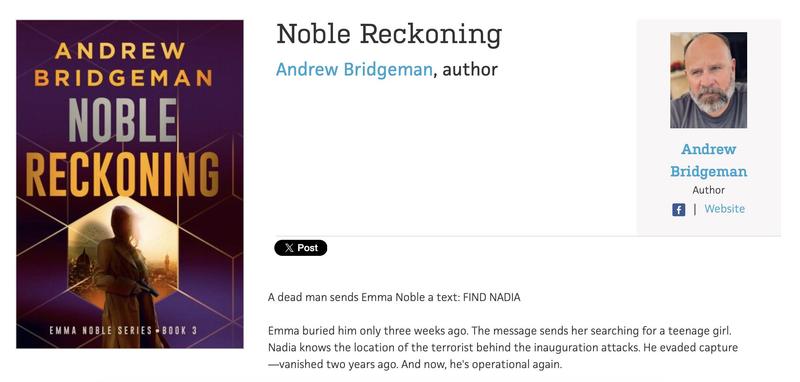
Similar to Reedsy, BookLife also runs a contest for indie books. However, unlike Reedsy, they charge an entry fee of $119.
Foreword Clarion (4/5)
Again, Clarion gives authors the chance to publish their review online. They also share each review with industry partners like Ingram, potentially exposing it to thousands of librarians and booksellers. If these professionals think a book would suit their customers, they may choose to stock it on their shelves.
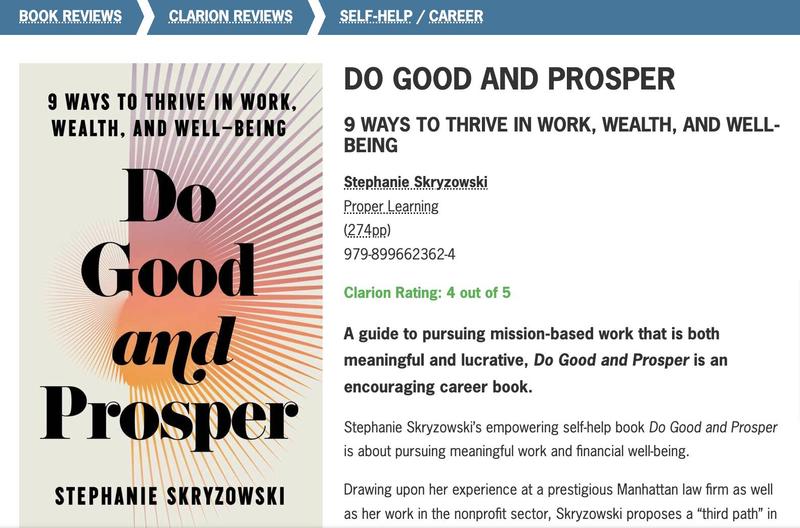
Foreword also runs an annual contest to celebrate indie work. It costs $119 to enter a book — the same as BookLife’s contest.
5. Turnaround time
When an author is preparing to launch their book, waiting months for a review can disrupt their publishing plans. Because of this, turnaround time is an important consideration.
In a nutshell: Reedsy Discovery is typically faster than the other available options. Even Kirkus and BookLife’s expedited options are slower than Reedsy Discovery’s standard turnaround.
| Reedsy Discovery | Kirkus Indie | BookLife Reviews | Foreword Clarion | |
| Default | 2–4 weeks | 7–9 weeks | 6 weeks | 4–6 weeks |
| Expedited | NA | 4–6 weeks | 4 weeks | NA |
Reedsy Discovery (5/5)
When an author sends their book to Reedsy Discovery, a reviewer will typically claim it in the first two days. From that point, a review is guaranteed within 30 days (four weeks), although the average response is faster than that, coming in at less than two weeks.
Kirkus Indie (2/5)
A Kirkus Indie editorial review has a turnaround of 7–9 weeks. If needed, their expedited option can get it delivered in 4–6 weeks for an additional $150.
BookLife Reviews (3/5)
An author should receive their BookLife review six weeks from the date of purchase. For an extra $150, they’ll receive their review four weeks after purchase instead.
Foreword Clarion (4/5)
Clarion offers a turnaround time of 4–6 weeks. They don’t currently offer an expedited option, but this default option is already faster than Kirkus Indie and BookLife.
Verdict: Reedsy offers the best overall balance of quality, speed, and price
All of these platforms are impressive options for an editorial review. Their reviewers are experts, their names carry weight, and each platform will give an indie author something credible to show their readers.
Some indie authors may be drawn by Kirkus’s well-established name, by BookLife’s affiliation with Publishers Weekly, or by Clarion’s links to booksellers and librarians. These are legitimate reasons to choose their sites, though their reviews are all priced higher than Reedsy, with slower turnaround times as well.
For authors who prioritize speed and value, Reedsy Discovery is the standout. The reviews are high quality, the turnaround is fast, and the prices are more affordable. In addition, an author is able to commission multiple reviews per book.
Whichever platform an author chooses, a professionally written editorial review adds credibility and promotional momentum to any book marketing campaign.